

10 migliori strumenti di analisi UX recensiti nel 2026

Selezione dei migliori strumenti di analisi UX


In qualità di product manager, devi affrontare la sfida di comprendere il comportamento degli utenti e prendere decisioni basate sui dati per migliorare il tuo prodotto.
In base alla mia esperienza, gli strumenti di analisi UX aiutano a colmare il divario tra l'interazione degli utenti e gli insight utili. Forniscono i dati necessari per prendere decisioni informate e migliorare la soddisfazione degli utenti.
In questo elenco, condividerò la mia selezione dei migliori strumenti di analisi UX. Ti offrirò una recensione imparziale di ciascuno, concentrandomi su come possano soddisfare le esigenze specifiche del tuo team. Esaminiamo i dettagli e scopriamo le soluzioni migliori per migliorare l'esperienza utente del tuo prodotto.
Perché Fidarsi delle Nostre Recensioni Software
Testiamo e recensiamo software per il product management dal 2020. Come product manager sappiamo quanto sia fondamentale e difficile fare la scelta giusta in termini di software. Investiamo in una ricerca approfondita per aiutare il nostro pubblico a prendere decisioni migliori sugli acquisti di software. Abbiamo testato oltre 2.000 strumenti per diversi casi d’uso e scritto più di 1.000 recensioni approfondite.Scopri come assicuriamo la trasparenza & la nostra metodologia di recensione software.
Riepilogo dei migliori strumenti di analisi UX
Questa tabella comparativa riassume i dettagli sui prezzi dei migliori strumenti di analisi UX che ho selezionato, per aiutarti a trovare quello più adatto al tuo budget e alle esigenze della tua azienda.
| Tool | Best For | Trial Info | Price | ||
|---|---|---|---|---|---|
| 1 | Prova gratuita di 14 giorni | A partire da $299/mese | Website | ||
| 2 | Ideale per il monitoraggio del comportamento degli utenti | Piano gratuito + demo gratuita disponibile | Da $1200/anno (fatturato annualmente) | Website | |
| 3 | Piano gratuito disponibile | Prezzi su richiesta | Website | ||
| 4 | Ideale per l'analisi delle app mobili | Piano gratuito disponibile | Prezzi su richiesta | Website | |
| 5 | Ideale per il punteggio della frizione e il VoC nelle aziende | Demo gratuita disponibile | Prezzi su richiesta | Website | |
| 6 | Ideale per la scoperta continua del prodotto su vasta scala | Demo gratuita disponibile | Prezzi su richiesta | Website | |
| 7 | Ideale per la riproduzione delle sessioni | Piano gratuito + demo gratuita disponibile | Prezzi su richiesta | Website | |
| 8 | Ideale per il monitoraggio automatico degli eventi | Piano gratuito disponibile | Prezzi su richiesta | Website | |
| 9 | Ideale per l'analisi dell'esperienza digitale | Prova gratuita di 15 giorni + piano gratuito + demo gratuita disponibili | Da $39/mese (fatturazione annuale) | Website | |
| 10 | Ideale per collegare i dati alle azioni nell'app | Prova gratuita di 30 giorni; piano gratuito disponibile | Prezzi su richiesta | Website |
Recensioni dei migliori strumenti di analisi UX
Di seguito trovi i miei riepiloghi dettagliati dei migliori strumenti di analisi UX inclusi nella mia selezione. Le mie recensioni offrono una panoramica dettagliata delle funzionalità principali, dei pro e & contro, delle integrazioni e dei casi d’uso ideali di ciascuno strumento, per aiutarti a trovare quello più adatto a te.

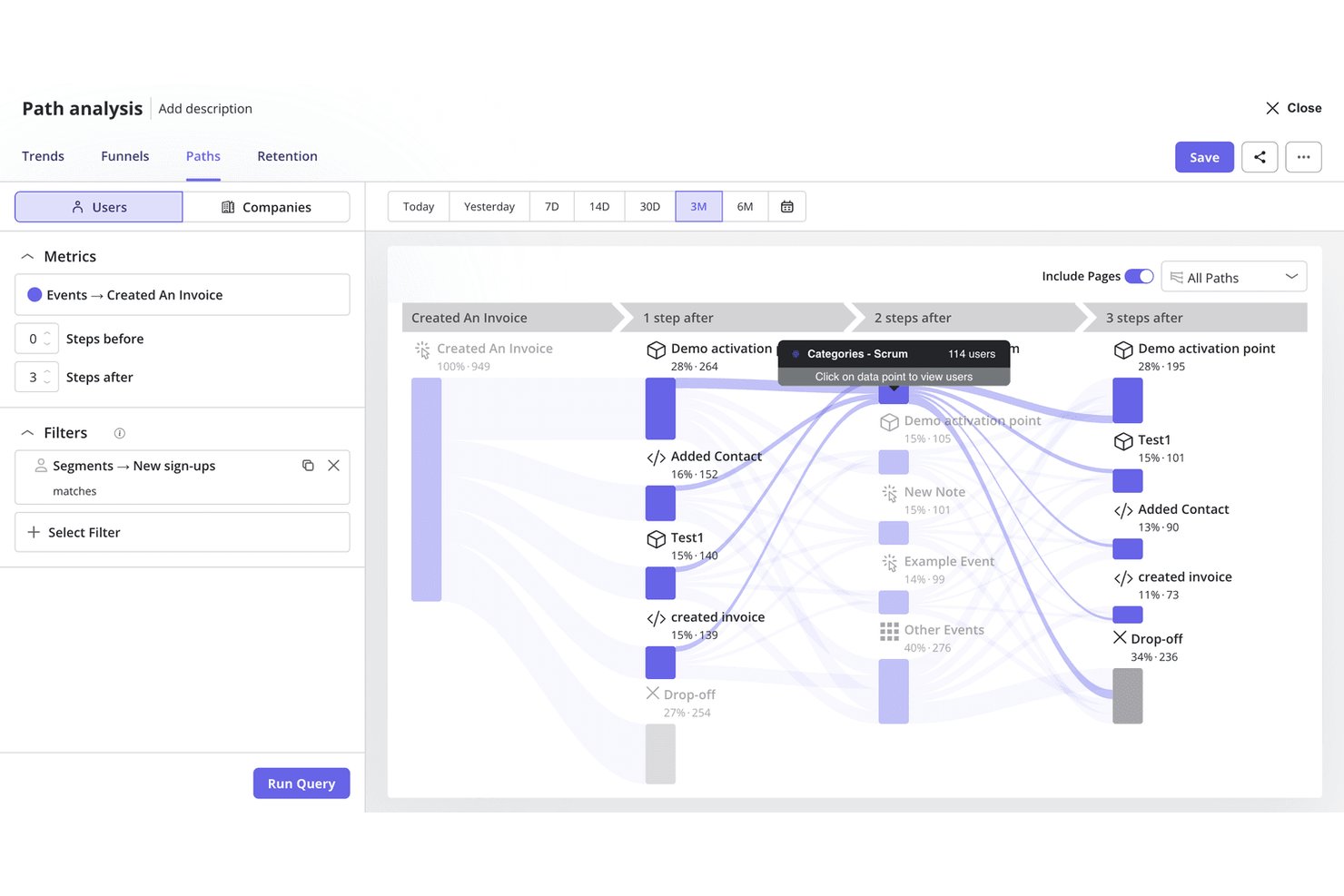
Userpilot è una piattaforma di analisi dei prodotti e coinvolgimento nell'app che combina la riproduzione delle sessioni, l'analisi degli imbuti e dei percorsi, il monitoraggio degli eventi, il rilevamento dei segnali di frustrazione e strumenti nativi per i sondaggi con funzionalità integrate per creare flussi e guide nell'app.
Per chi è più adatto Userpilot?
Userpilot è particolarmente adatto ai team di prodotto che vogliono passare dall'individuazione degli ostacoli alla loro risoluzione senza dover passare da uno strumento all'altro.
Perché ho scelto Userpilot
Userpilot è entrato nella mia selezione perché è l'unico strumento che ho utilizzato in cui l'individuazione di un calo e l'implementazione di una soluzione avvengono all'interno della stessa piattaforma. Posso passare da un rapporto dell'imbuto direttamente alle riproduzioni delle sessioni alla base di quel preciso calo, quindi avviare un flusso nell'app o un suggerimento contestuale per risolvere l'ostacolo senza utilizzare un altro strumento. L'analisi delle correlazioni basata sull'intelligenza artificiale segnala inoltre automaticamente quali segnali di frustrazione, come i clic ripetuti o le inversioni di percorso, stanno causando quel calo.
Funzionalità principali di Userpilot
- Acquisizione automatica retroattiva degli eventi: Definisci nuovi eventi utilizzando i dati storici sulle interazioni già acquisiti, così puoi eseguire analisi senza dover strumentare nuovamente il prodotto.
- Analisi delle correlazioni basata sull'intelligenza artificiale: Mostra automaticamente quali attributi utente, eventi e segnali di frustrazione sono correlati alla conversione o al calo dell'imbuto nei tuoi rapporti.
- Sondaggi NPS, CSAT e CES nativi: Attiva sondaggi comportamentali in base a specifici eventi nell'app, quindi collega direttamente le risposte ai dati sulla fidelizzazione e sul coinvolgimento nella stessa piattaforma.
- Server MCP: Collega i dati del prodotto Userpilot a strumenti di intelligenza artificiale esterni come Claude, ChatGPT e Microsoft Copilot, così puoi consultare le indicazioni comportamentali senza uscire da questi ambienti.
Integrazioni di Userpilot
Userpilot offre integrazioni native con Segment, Amplitude, Mixpanel, Heap, Google Analytics, Google Tag Manager, Intercom, Slack, HubSpot e Salesforce. Supporta inoltre API, webhook e la sincronizzazione con l'archivio dati aziendale.
Pros and Cons
Pros:
- Gli imbuti si collegano direttamente alle riproduzioni delle sessioni
- Rileva segnali di frustrazione come clic ripetuti e clic inattivi
- Avvia correzioni nell'app dai rapporti di analisi
Cons:
- Nessuna mappa di calore per la visualizzazione aggregata dei clic
- La maggior parte delle funzionalità di analisi avanzate è vincolata al piano

Mixpanel
Ideale per il monitoraggio del comportamento degli utenti
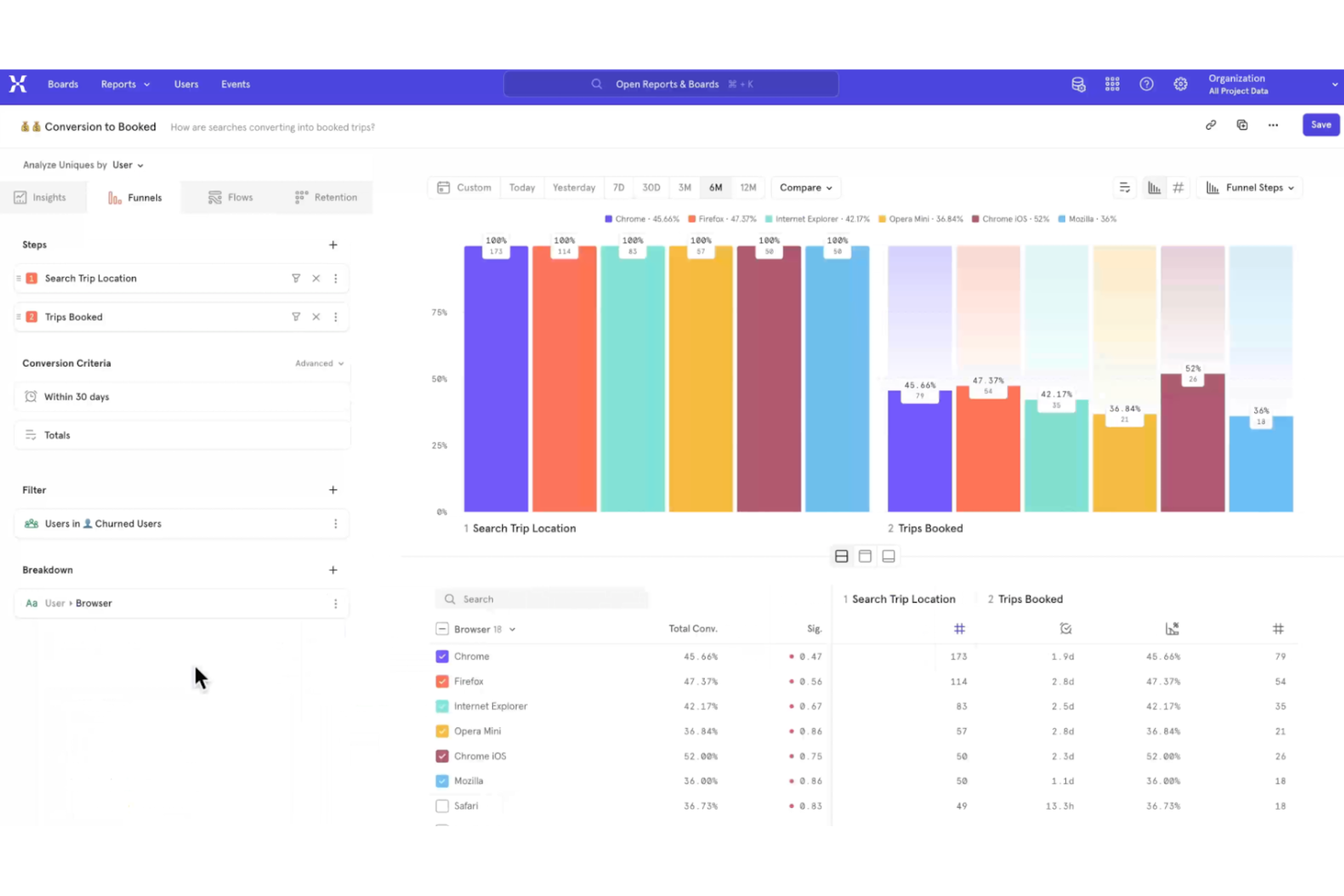
Mixpanel è uno strumento di analisi pensato per le aziende che desiderano monitorare il comportamento e le interazioni degli utenti con i loro prodotti. I principali utilizzatori sono product manager e analisti dei dati che hanno bisogno di comprendere i percorsi e il coinvolgimento degli utenti.
Perché ho scelto Mixpanel: È specializzato nel monitoraggio del comportamento degli utenti, permettendo di analizzare in tempo reale come gli utenti interagiscono con il tuo prodotto. Puoi creare funnel dettagliati per tracciare i percorsi di conversione e identificare i punti di abbandono. Mixpanel offre anche l’analisi dei cohort, che ti aiuta a segmentare gli utenti in base alle loro azioni nel tempo. Questa combinazione di funzionalità lo rende ideale per comprendere a fondo l’engagement degli utenti.
Funzionalità principali & integrazioni:
Funzionalità includono A/B testing per ottimizzare l’esperienza utente, notifiche push per coinvolgere direttamente gli utenti e report di fidelizzazione che ti aiutano a comprendere la lealtà degli utenti. Queste funzionalità sono progettate per offrire insight pratici sul comportamento degli utenti.
Integrazioni includono Segment, Zapier, Salesforce, HubSpot, Google Ads, Marketo, Amplitude, Optimizely, Slack e Intercom.
Pros and Cons
Pros:
- Analisi dettagliata dei cohort
- Dashboard personalizzabili
- Supporta l’A/B testing
Cons:
- Leggero periodo di apprendimento
- Le funzionalità avanzate richiedono competenze di programmazione

Amplitude è una piattaforma di analisi dei prodotti che combina la riproduzione delle sessioni, le mappe di calore, l'analisi dei funnel, le coorti comportamentali e la sperimentazione integrata con agenti basati sull'intelligenza artificiale che fanno emergere insight da tutti i tuoi dati.
A chi è più adatta Amplitude?
Amplitude è particolarmente adatta ai team di prodotto e crescita che necessitano di analisi comportamentale, sperimentazione e riproduzione delle sessioni in un'unica piattaforma, invece di soluzioni indipendenti assemblate tra loro.
Perché ho scelto Amplitude
Amplitude si è guadagnata un posto nella mia selezione perché la sua analisi comportamentale basata sull'intelligenza artificiale va oltre le dashboard passive in modi che non ho visto eguagliare. L'Agente di riproduzione delle sessioni riassume automaticamente le sessioni e mette in evidenza i punti di attrito senza revisione manuale, mentre l'Agente globale risponde a domande in linguaggio naturale come 'perché i nuovi utenti abbandonano prima della configurazione?' sintetizzando i dati dell'intero prodotto. Apprezzo anche il fatto che l'analisi retroattiva dei funnel consenta di applicare istantaneamente ai dati storici gli eventi definiti di recente, senza dover effettuare una nuova strumentazione.
Funzionalità principali di Amplitude
- Coorti comportamentali: Salva gruppi di utenti definiti da specifiche azioni all'interno del prodotto e riutilizzali in grafici, riproduzioni delle sessioni, esperimenti e sondaggi.
- Sperimentazione web e mobile: Esegui test A/B ed esperimenti con flag delle funzionalità in modo nativo, con riproduzioni delle sessioni collegate direttamente ai risultati delle varianti per una validazione qualitativa.
- Guide e sondaggi: Distribuisci guide di onboarding in-app, richieste NPS e widget di feedback, con la riproduzione delle sessioni collegata ai momenti di raccolta del feedback.
- Etichettatura visiva: Contrassegna gli elementi dell'interfaccia utente e definisci eventi denominati direttamente dall'interfaccia di Amplitude senza scrivere codice.
Integrazioni di Amplitude
Amplitude offre oltre 60 integrazioni native, tra cui Twilio Segment, Snowflake, Google BigQuery, Salesforce, HubSpot, Zendesk, Intercom, Braze e Google Analytics 4. Fornisce inoltre API HTTP, Batch, di esportazione e DSAR per flussi di lavoro personalizzati sui dati.
Pros and Cons
Pros:
- La riproduzione delle sessioni basata sull'intelligenza artificiale riassume automaticamente i punti di attrito
- Coorti comportamentali riutilizzabili nelle analisi e negli esperimenti
- Analisi retroattiva dei funnel sui dati storici del prodotto
Cons:
- Le mappe di calore richiedono il piano di livello più alto con un componente aggiuntivo
- Le mappe di calore per app mobile native non sono ancora disponibili

UXCam
Ideale per l'analisi delle app mobili
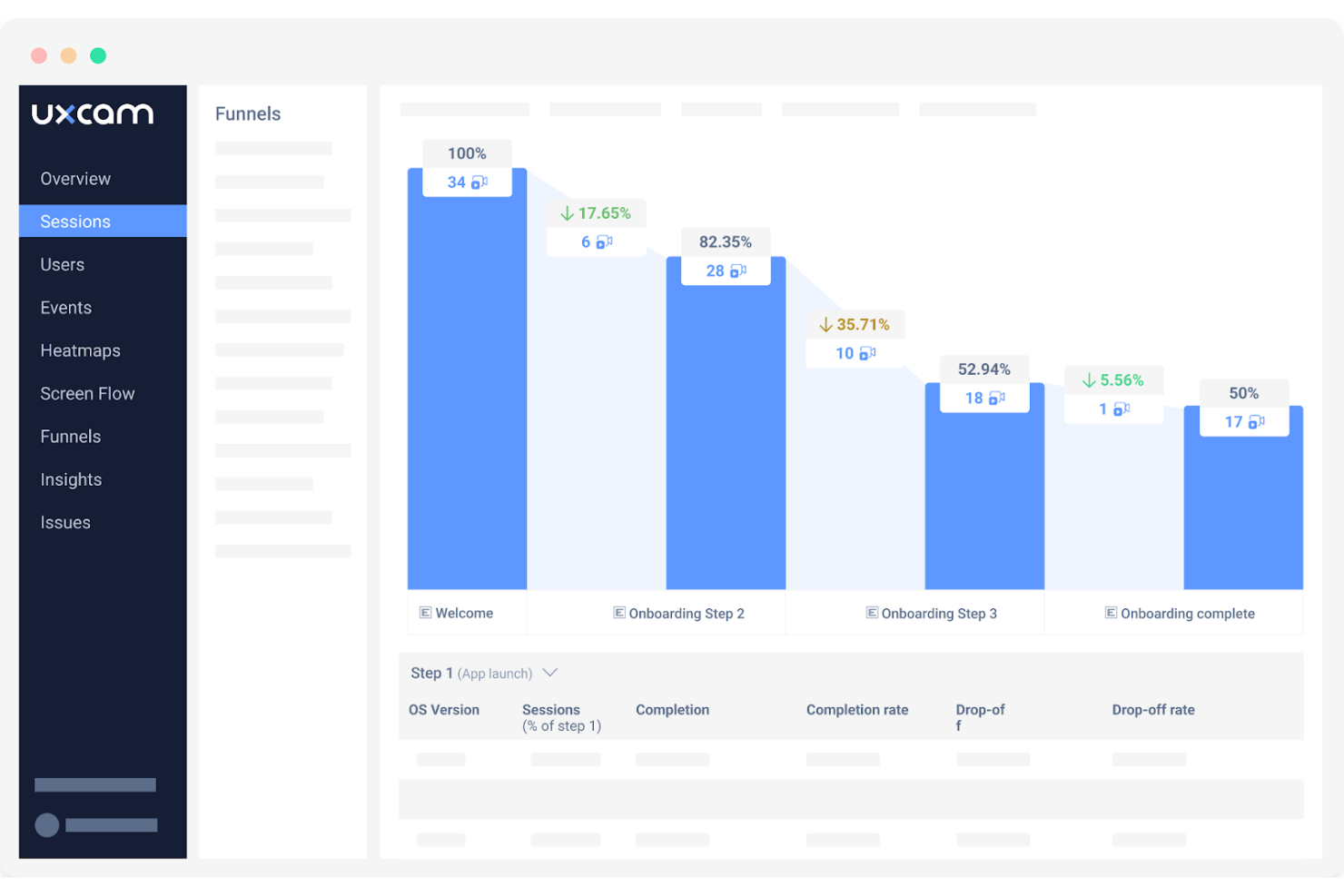
UXCam è uno strumento di analisi per app mobili progettato per aiutare le aziende a comprendere il comportamento degli utenti sulle loro applicazioni mobili. I principali utenti sono sviluppatori di app e product manager che necessitano di approfondimenti sulle prestazioni dell'app e sulle interazioni degli utenti.
Perché ho scelto UXCam: Si distingue nell'analisi delle app mobili, offrendo funzionalità come la riproduzione delle sessioni per visualizzare le azioni degli utenti. Puoi analizzare le heatmap per vedere dove gli utenti toccano e scorrono all'interno della tua app. UXCam fornisce anche analisi dei crash, aiutandoti a identificare e risolvere rapidamente i problemi. Queste capacità lo rendono una scelta completa per migliorare l'esperienza utente della tua app.
Funzionalità principali & integrazioni:
Funzionalità includono analytics dei funnel che tracciano i percorsi degli utenti all'interno dell'app, rilevamento dei gesti che identifica azioni come swipe e pinch, e analisi dei flussi di schermata che mappa come gli utenti navigano nell'app. Queste funzionalità offrono approfondimenti dettagliati sul comportamento degli utenti.
Integrazioni includono Google Analytics, Segment, Mixpanel, Amplitude, Firebase, Adjust, AppsFlyer, Kochava, Airship e Braze.
Pros and Cons
Pros:
- Replay dettagliati delle sessioni
- Fornisce analytics dei funnel
- Offre mappatura dei flussi di schermata e rilevamento dei gesti
Cons:
- Prezzi elevati per piccoli team
- Richiede configurazione tecnica

Glassbox
Ideale per il punteggio della frizione e il VoC nelle aziende
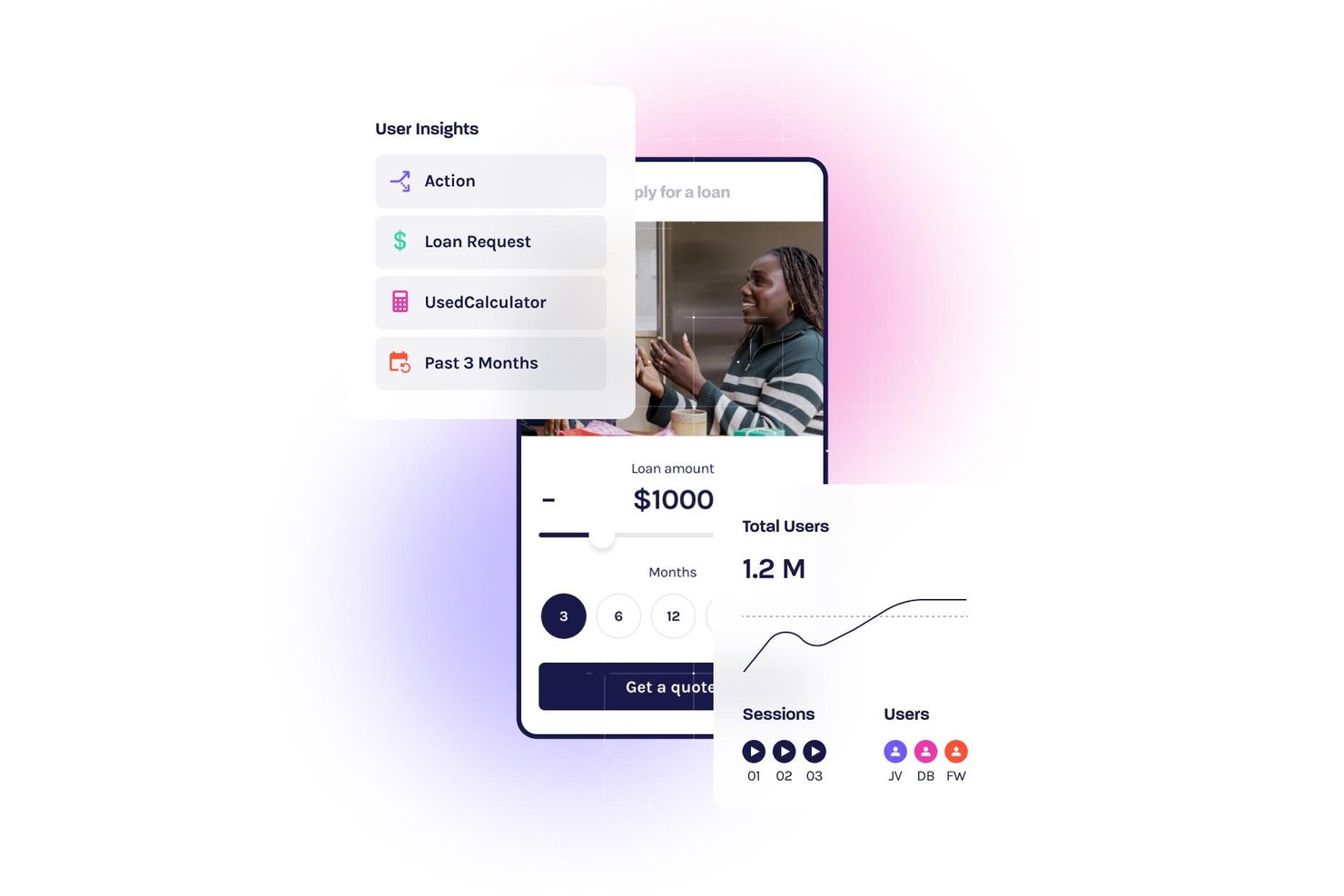
Glassbox è una piattaforma di analisi UX per aziende che combina la riproduzione delle sessioni, l'acquisizione automatica senza tag, le mappe delle interazioni, l'analisi dei funnel, il punteggio di frizione e strumenti VoC nativi per il web e i dispositivi mobili.
Per chi è più adatto Glassbox?
Glassbox è ideale per i team aziendali responsabili dei prodotti e della CX in settori regolamentati, come servizi finanziari, sanità e vendita al dettaglio, che hanno bisogno di dati comportamentali approfonditi senza l'onere della strumentazione manuale.
Perché ho scelto Glassbox
Glassbox si è guadagnato un posto nella mia lista ristretta grazie al suo proprietario Struggle Score, che quantifica la frizione sulla base di oltre 30 segnali comportamentali—clic ripetuti, inversioni di direzione, clic su errori—e collega ciascuno di essi direttamente all'impatto sui ricavi. Mi piace il fatto che non si limiti a segnalare i problemi fastidiosi: permette ai team di prodotto e CX di classificare i problemi UX in base al costo per l'azienda e di intervenire prima sulle criticità con la massima priorità. La funzionalità Voice of the Silent amplia ulteriormente il quadro utilizzando l'IA per applicare il sentiment VoC degli intervistati al 95% o più degli utenti che non compilano mai un sondaggio.
Funzionalità principali di Glassbox
- Acquisizione automatica senza tag: Glassbox registra automaticamente ogni clic, scorrimento, input nei moduli ed evento lato server senza tagging manuale o strumentazione da parte degli sviluppatori.
- Mappa del percorso aumentata: Una singola visualizzazione multicanale mappa l'intero percorso del cliente, dall'acquisizione alla conversione, su web e dispositivi mobili in un'unica schermata.
- GIA (Glassbox Insights Assistant): Un assistente di IA generativa consente di interrogare i dati delle sessioni, generare riepiloghi delle sessioni e individuare approfondimenti comportamentali utilizzando il linguaggio naturale.
- Analisi delle app mobili: SDK dedicati per iOS, Android, React Native, Flutter e altri cinque framework offrono la riproduzione delle sessioni, le mappe delle interazioni e l'analisi dei crash per le app mobili native.
Integrazioni di Glassbox
Glassbox offre integrazioni native con Adobe Analytics, Google Analytics 4, Qualtrics, Medallia, Optimizely, VWO, Jira e Slack. Un'API aperta supporta le integrazioni personalizzate.
Pros and Cons
Pros:
- Quantifica la frizione utilizzando il proprietario Struggle Score
- L'acquisizione automatica senza tag elimina il tagging manuale degli eventi
- L'IA individua immediatamente approfondimenti nascosti nelle sessioni
Cons:
- Richiede una demo commerciale per accedere alla piattaforma
- Può sovraccaricare i team con un volume elevato di dati sulle sessioni

Ideale per la scoperta continua del prodotto su vasta scala
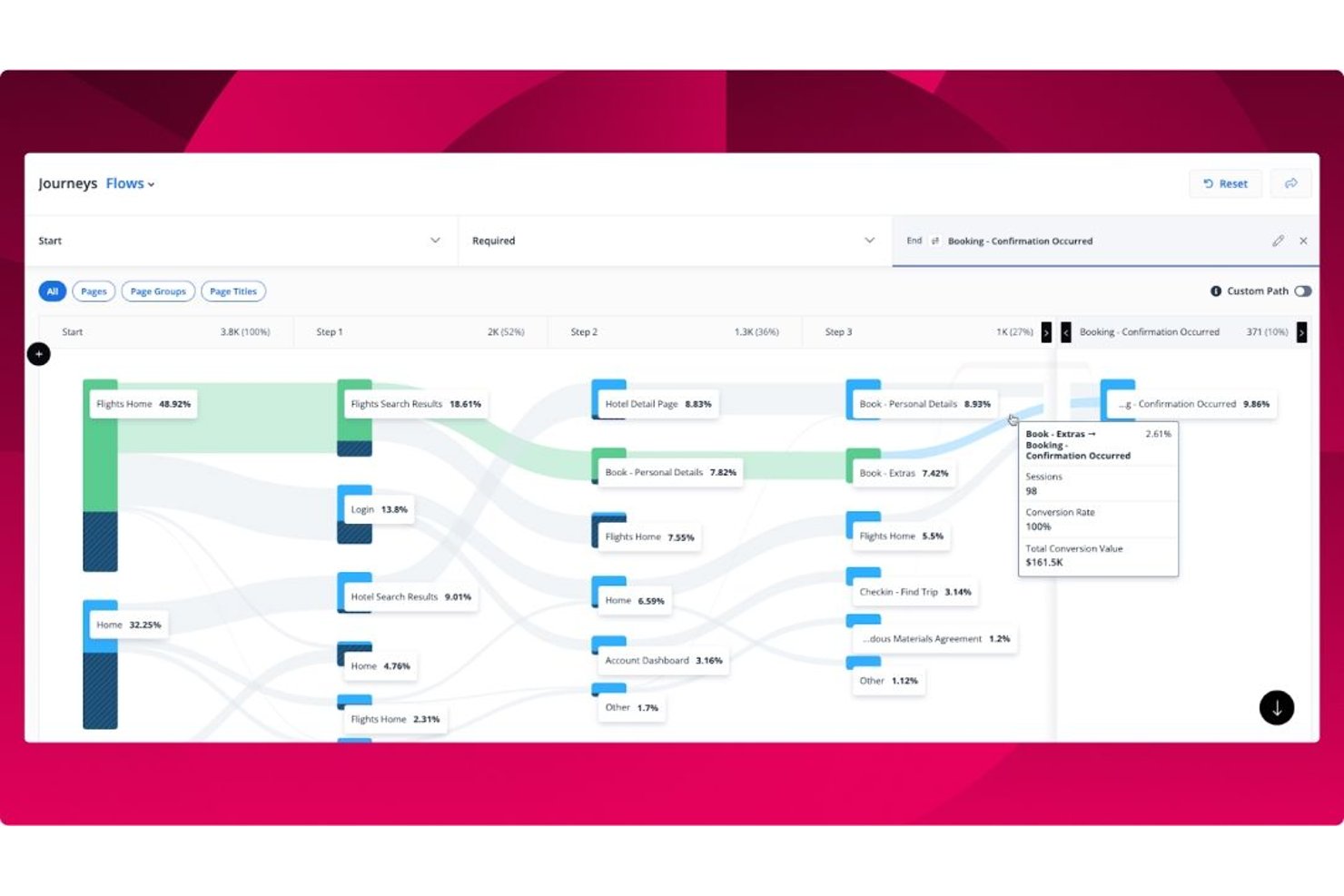
Quantum Metric è una piattaforma di analisi dell'esperienza utente per aziende che combina la riproduzione delle sessioni senza campionamento al 100%, mappe di calore delle interazioni, analisi dei percorsi, individuazione delle informazioni chiave basata sull'intelligenza artificiale tramite Felix AI Agentic e integrazione della voce del cliente per applicazioni web e mobili native.
Per chi è più adatto Quantum Metric?
Quantum Metric è una soluzione particolarmente adatta ai team di prodotto e digitali delle grandi aziende che hanno bisogno di collegare i dati comportamentali all'impatto aziendale su applicazioni web e mobili native, anche con volumi di traffico elevati.
Perché ho scelto Quantum Metric
Quantum Metric si è guadagnato un posto nella mia rosa di candidati perché nessun'altra piattaforma che ho valutato rende la scoperta continua del prodotto così automatica su scala aziendale. Felix AI Agentic opera autonomamente in background, monitora i tuoi KPI e mette in evidenza gli ostacoli che incidono sui ricavi prima ancora che tu pensi di cercarli. Se a questo si aggiunge l'Analisi delle opportunità, che quantifica l'impatto aziendale di specifici abbandoni nei percorsi web e mobili nativi, il tuo team dedica meno tempo alla ricerca dei problemi e più tempo alla risoluzione di quelli giusti.
Funzionalità principali di Quantum Metric
- Chat AI Felix: un'interfaccia in linguaggio naturale che consente di porre domande semplici sui propri dati comportamentali e ottenere risposte dirette senza scrivere query.
- Acquisizione dei dati lato server: invia eventi critici come transazioni e registrazioni direttamente dai tuoi server, aggiungendoli alle riproduzioni delle sessioni in corso anche quando l'acquisizione lato client non funziona.
- Scansione automatica dei dati personali identificabili: esegue una scansione continua per rilevare l'acquisizione involontaria di dati personali identificabili e applica per impostazione predefinita il mascheramento della privacy a tutti i dati delle sessioni.
- Trasmissione dei dati: esporta i tuoi dati comportamentali verso destinazioni come Snowflake, Azure e Databricks per l'integrazione con l'infrastruttura BI e dati esistente.
Integrazioni di Quantum Metric
Quantum Metric si integra con Qualtrics, Optimizely, Split, UserTesting, Snowflake, Azure, Databricks, Looker, Tealium e Slack, con trasmissione dei dati verso oltre 20 destinazioni. API, webhook e integrazioni con i sistemi di gestione dei tag supportano la connettività personalizzata.
Pros and Cons
Pros:
- Rileva gli ostacoli che incidono sui ricavi con Felix AI
- Offre dati di riproduzione delle sessioni senza campionamento al 100%
- Consente di creare percorsi di conversione direttamente dalle riproduzioni delle sessioni
Cons:
- La segmentazione avanzata può risultare confusa per i team
- I dati a volte non corrispondono a quelli di altri strumenti di analisi

Ideale per la riproduzione delle sessioni
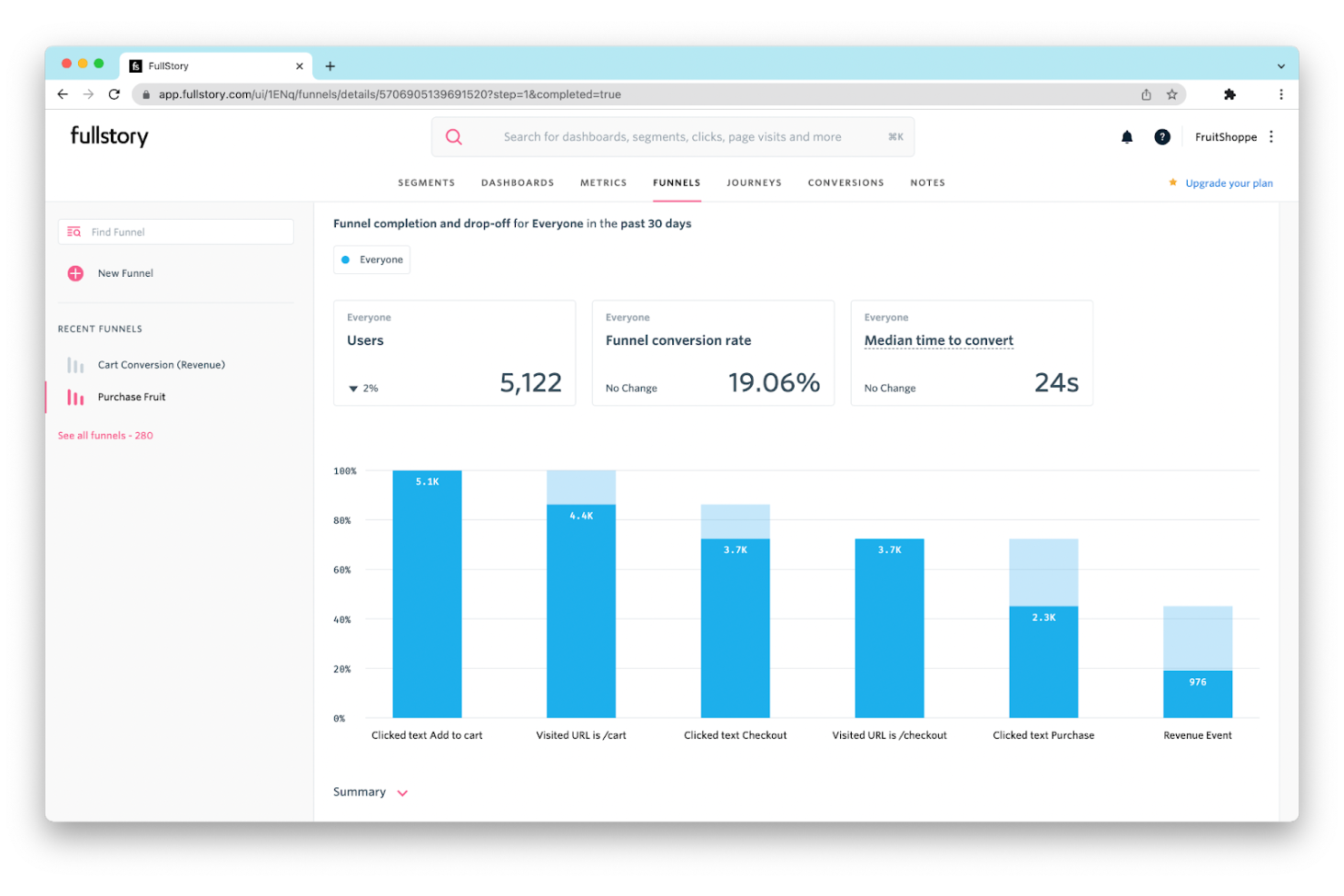
Fullstory è una piattaforma di analisi dell'esperienza digitale che aiuta le aziende a comprendere le interazioni degli utenti tramite la riproduzione delle sessioni. I suoi principali utilizzatori sono designer UX e team di prodotto che necessitano di approfondimenti dettagliati sul comportamento degli utenti su siti web e app.
Perché ho scelto Fullstory: Eccelle nella riproduzione delle sessioni, consentendoti di visualizzare sessioni utente complete per individuare i punti critici. Puoi utilizzare le heatmap per visualizzare il coinvolgimento degli utenti sul tuo sito. Fullstory offre anche funnel di eventi che aiutano a tracciare i percorsi utente e analizzare le conversioni. Questi strumenti forniscono una visione completa dell'esperienza utente, facilitando l'ottimizzazione della presenza digitale.
Funzionalità e integrazioni principali:
Funzionalità includono analisi delle conversioni per tracciare il successo dei percorsi utente, rilevamento degli errori che ti avvisa dei problemi che impattano sull'esperienza utente e tracking di eventi personalizzati per monitorare azioni specifiche degli utenti. Queste funzionalità lavorano insieme per migliorare la comprensione delle interazioni degli utenti.
Integrazioni includono Slack, Segment, Google Analytics, Optimizely, Mixpanel, HubSpot, Salesforce, Jira, Trello e Zendesk.
Pros and Cons
Pros:
- Riproduzione sessioni di alta qualità
- Rilevamento errori efficace
- Tracking eventi personalizzato
Cons:
- Alto utilizzo di risorse
- Le funzionalità avanzate richiedono formazione

Heap
Ideale per il monitoraggio automatico degli eventi
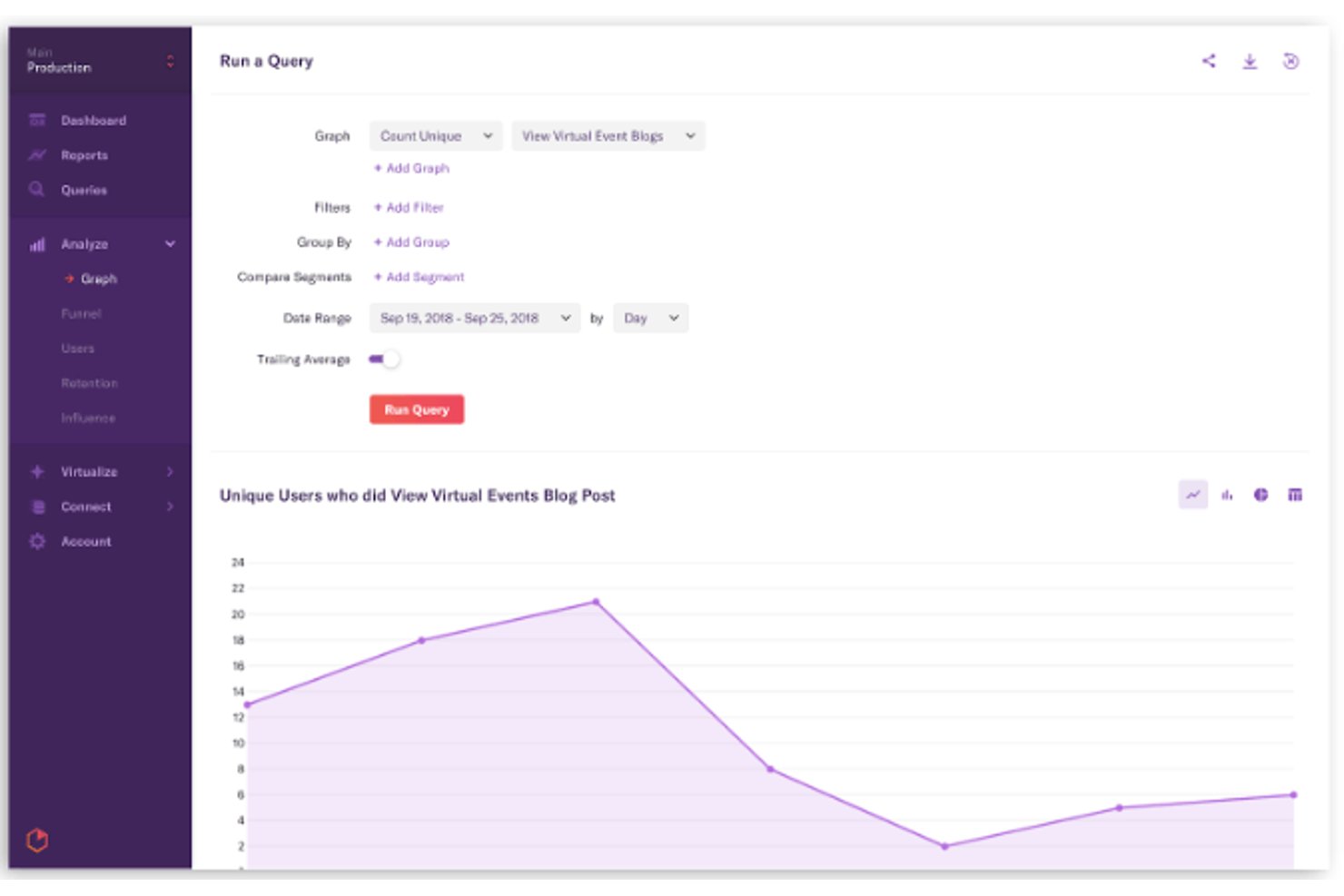
Heap è una piattaforma di analisi UX che acquisisce automaticamente ogni interazione dell'utente—clic, tocchi, visualizzazioni di pagina e compilazioni di moduli—su web e dispositivi mobili, e combina questi dati comportamentali con l'analisi dei funnel, la mappatura dei percorsi, la riproduzione delle sessioni e la presentazione di insight basati sull'intelligenza artificiale.
Per chi è più adatto Heap?
Heap è particolarmente adatto ai team di prodotto che hanno bisogno di insight comportamentali immediati senza aspettare che il team di sviluppo strumentalizzi ogni evento.
Perché ho scelto Heap
Heap è entrato nella mia rosa dei preferiti perché il suo approccio di acquisizione automatica cambia concretamente ciò che è possibile fare nell'analisi dei prodotti. Dal momento in cui inserisci un singolo frammento di codice, Heap registra automaticamente ogni clic, tocco, visualizzazione di pagina e compilazione di modulo, senza richiedere l'assegnazione manuale di tag agli eventi. Ciò che trovo più prezioso è la possibilità di definire nuovi eventi e creare funnel retroattivamente sui dati storici, così una domanda che non avevi pensato di porre sei mesi fa può ancora ricevere una risposta oggi.
Funzionalità principali di Heap
- Sense Chat: Un assistente di intelligenza artificiale generativa che consente a qualsiasi membro del team di porre domande in linguaggio naturale sul comportamento degli utenti e genera automaticamente grafici a partire dalla risposta.
- Heap Illuminate: Un livello di data science che individua proattivamente gli eventi principali, i segmenti di utenti a maggiore impatto e i modelli di frizione senza alcuna configurazione manuale.
- Riepiloghi della riproduzione delle sessioni: Riepiloghi generati dall'intelligenza artificiale delle registrazioni delle singole sessioni che evidenziano i momenti chiave, riducendo la necessità di guardare le riproduzioni complete.
- Heap Connect: Una soluzione ETL gestita che sincronizza i dati comportamentali con Snowflake o BigQuery per arricchirli e analizzarli insieme a fonti di dati esterne.
Integrazioni di Heap
Heap offre oltre 100 integrazioni, tra cui Snowflake, BigQuery, Salesforce, HubSpot, Intercom, Segment, RudderStack, Shopify e WalkMe. Le API lato client e lato server supportano integrazioni personalizzate e l'arricchimento dei dati.
Pros and Cons
Pros:
- Definizione retroattiva degli eventi sui dati storici
- Presentazione di insight basata sull'intelligenza artificiale e assistente chat
- Acquisizione automatica di tutte le interazioni degli utenti
Cons:
- La riproduzione delle sessioni richiede un componente aggiuntivo a pagamento
- Nessun test A/B o sondaggio integrato

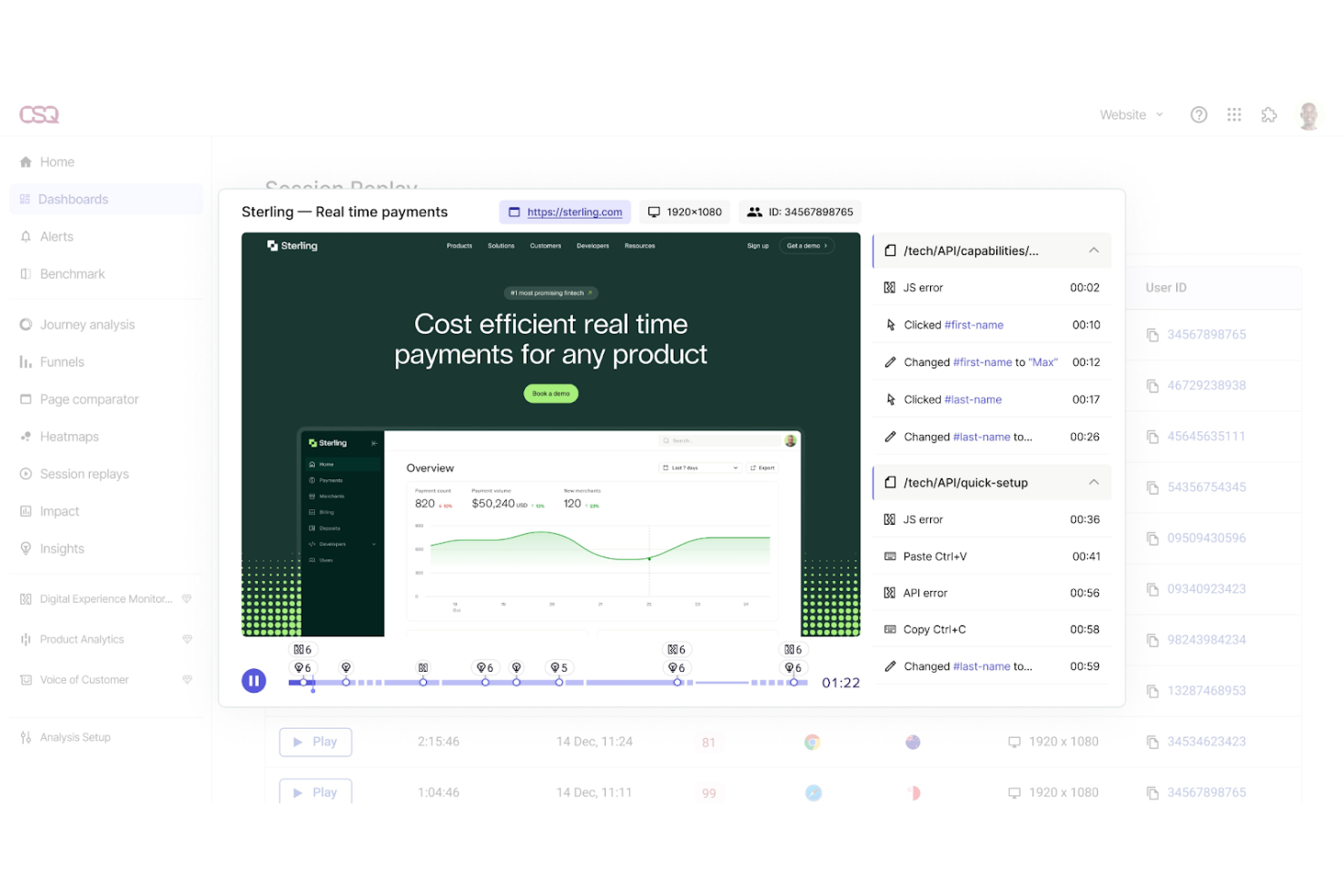
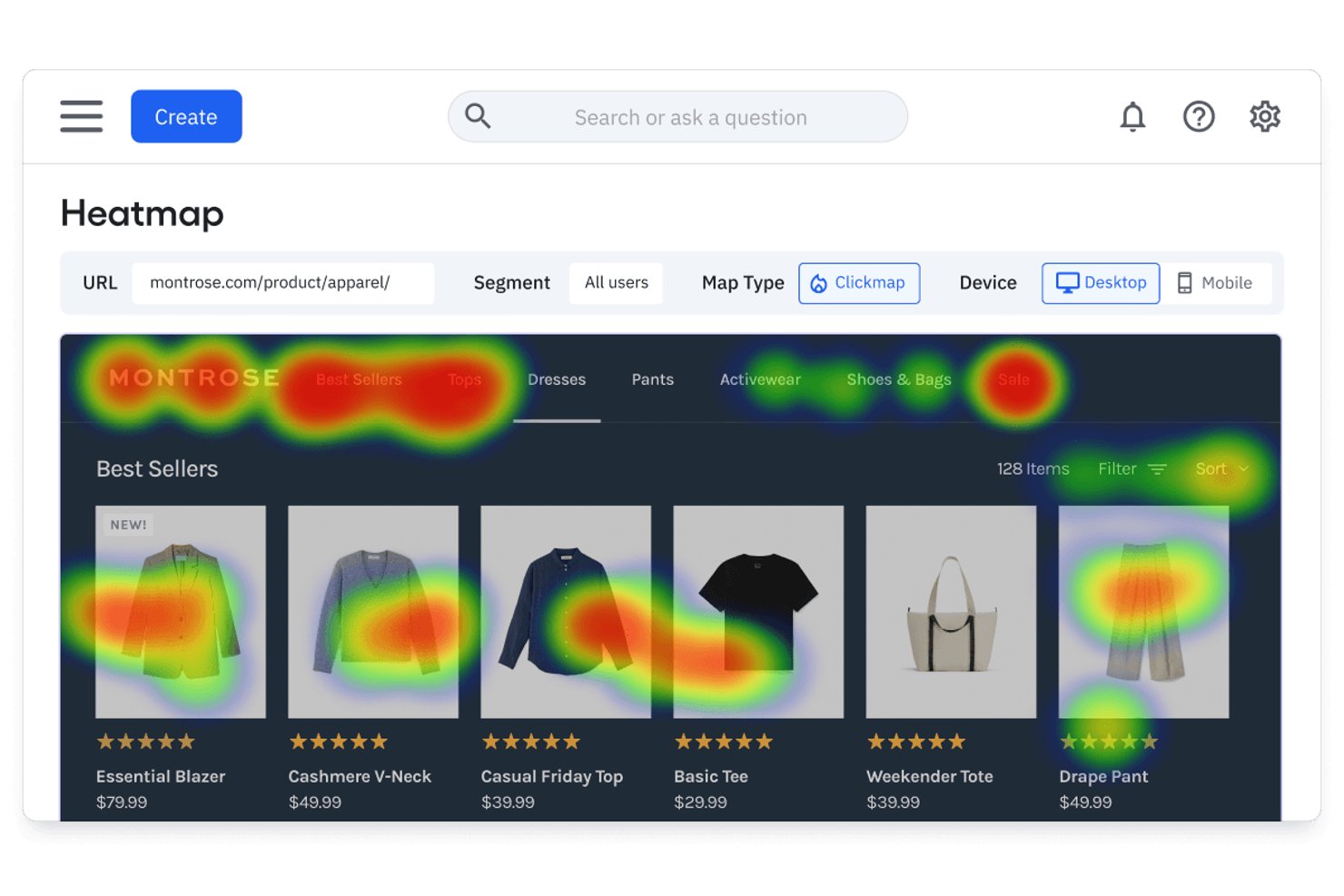
Contentsquare è una piattaforma di analisi dell'esperienza digitale progettata per aiutare le aziende a comprendere e migliorare le interazioni degli utenti sui loro siti web e app. I principali utilizzatori sono marketer digitali e designer UX che necessitano di approfondimenti sul comportamento e il coinvolgimento degli utenti.
Perché ho scelto Contentsquare: Si specializza nelle analisi dell'esperienza digitale, offrendo funzionalità come heatmap basate sulle zone che forniscono dettagli approfonditi sul coinvolgimento degli utenti nei diversi elementi della pagina. È possibile utilizzare l'analisi dei percorsi per tracciare i comportamenti degli utenti e identificare i punti di abbandono. Contentsquare offre anche la riproduzione delle sessioni, che permette di visualizzare in tempo reale le interazioni degli utenti. Questi strumenti ti aiutano ad apportare miglioramenti guidati dai dati alle tue esperienze digitali.
Funzionalità principali e integrazioni:
Funzionalità includono la quantificazione dell'impatto, che misura l'effetto delle modifiche sul comportamento degli utenti, avvisi comportamentali che segnalano cambiamenti significativi nell'attività degli utenti e approfondimenti basati sull'intelligenza artificiale che evidenziano le principali tendenze degli utenti. Queste funzionalità lavorano insieme per migliorare la comprensione delle interazioni degli utenti.
Integrazioni includono Google Analytics, Adobe Analytics, Salesforce, Tealium, Segment, Optimizely, HubSpot, Shopify, Adobe Commerce e WordPress.
Pros and Cons
Pros:
- Heatmap dettagliate basate sulle zone
- Analisi efficace dei percorsi
- Riproduzione delle sessioni in tempo reale
Cons:
- Curva di apprendimento leggermente ripida
- Le funzionalità avanzate richiedono formazione

Pendo
Ideale per collegare i dati alle azioni nell'app
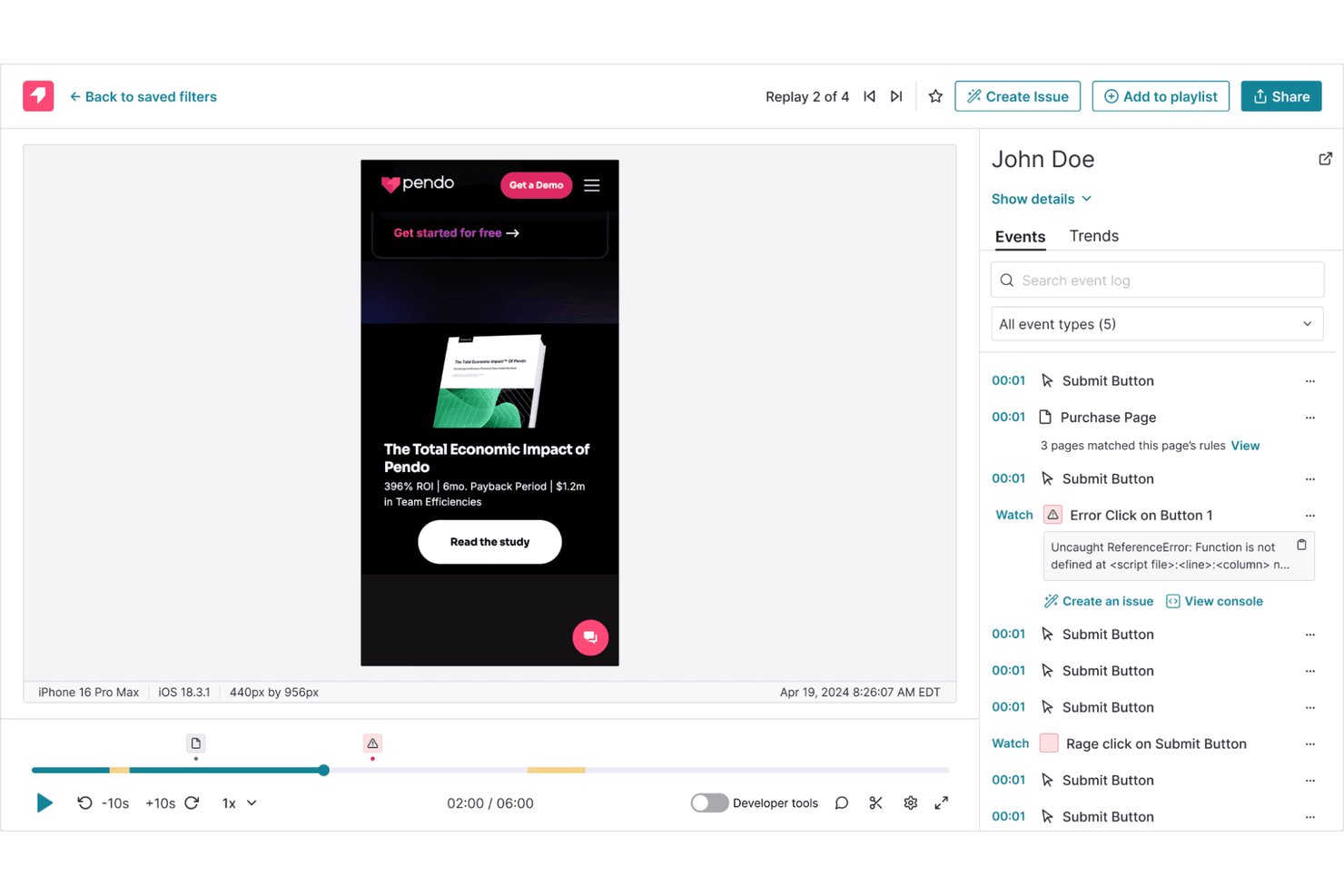
Pendo è una piattaforma per l'esperienza del prodotto che combina analisi del prodotto, riproduzione delle sessioni, guide nell'app, segmentazione degli utenti e strumenti per i feedback dei clienti in un'unica interfaccia.
Per chi è più indicato Pendo?
Pendo è particolarmente adatto ai responsabili di prodotto delle aziende SaaS di medie e grandi dimensioni che hanno bisogno di analisi, guide nell'app e feedback degli utenti in un unico posto.
Perché ho scelto Pendo
Pendo si è guadagnato un posto nella mia rosa di finalisti perché collega davvero i dati comportamentali alle azioni nell'app in un modo che non ho riscontrato in altri strumenti. Quando noto un abbandono nel funnel, posso passare direttamente da quel punto dati a una riproduzione delle sessioni filtrata, quindi lanciare una guida nell'app mirata per quell'esatto segmento di utenti, tutto senza uscire dalla piattaforma. Mi piace anche il fatto che Leo AI rilevi proattivamente le anomalie di utilizzo e mi permetta di creare guide o segmenti direttamente da una chat in linguaggio naturale.
Funzionalità principali di Pendo
- Riproduzione delle sessioni con rilevamento dei segnali di frustrazione: Pendo segnala automaticamente i clic ripetuti e i ritorni a U nelle registrazioni, così puoi filtrare direttamente le sessioni in cui gli utenti hanno incontrato ostacoli, senza dover esaminare manualmente ore di filmati.
- Acquisizione automatica retroattiva: Qualsiasi tag di funzionalità, segmento o funnel che crei viene applicato ai dati storici raccolti dal momento dell'installazione, senza dover effettuare una nuova strumentazione.
- Hub VoC Pendo Listen: Aggrega le risposte ai sondaggi NPS, CSAT e PMF nell'app insieme ai ticket Zendesk e alle fonti di feedback di terze parti, collegando ogni risposta ai dati comportamentali dell'utente che ha risposto.
- SDK per l'analisi mobile: Gli SDK nativi per iOS, Android, React Native, Flutter, .NET MAUI e Kotlin Multiplatform offrono analisi senza codice, riproduzione delle sessioni e guide nell'app nelle applicazioni mobili.
Integrazioni di Pendo
Pendo elenca oltre 51 integrazioni, tra cui Salesforce, Zendesk, Jira, Optimizely, Segment, Snowflake, BigQuery, Tableau e Slack. Supporta inoltre la sincronizzazione dei dati con i data warehouse, un server MCP, webhook e Zapier.
Pros and Cons
Pros:
- Riproduzione delle sessioni con privacy come priorità e mascheramento sul dispositivo
- L'acquisizione automatica retroattiva si applica a tutti i dati storici
- Guide, analisi e feedback in un unico posto
Cons:
- Le mappe di calore sono limitate ai soli clic a livello di funzionalità
- I test A/B completi richiedono un'integrazione di terze parti
Altri strumenti di analisi UX
Ecco alcune opzioni aggiuntive di strumenti di analisi UX che non sono entrate nella mia selezione, ma che vale comunque la pena esaminare:
- PostHog
Ideale per l'analisi dei prodotti a codice sorgente aperto
- Crazy Egg
Ideale per approfondimenti sui test A/B
- Inspectlet
Ideale per il monitoraggio degli utenti in tempo reale
- Smartlook
Ideale per riprodurre gli abbandoni del funnel sul web e su dispositivi mobili
- Lucky Orange
Ideale per la UX dell'e-commerce e i segnali di frustrazione
- Microsoft Clarity
Ideale per analisi comportamentali gratuite senza limiti


Come valuto gli strumenti di analisi UX
Valuto gli strumenti di analisi UX su due livelli: le funzionalità di base—session replay, heatmap, analisi dei funnel—che uno strumento deve avere, e i fattori di differenziazione che distinguono i migliori.
Funzionalità principali (requisiti minimi per questo elenco)
Quando seleziono gli strumenti per la mia lista, valuto ciascuno su una scala da 0 (non offre la funzionalità) a 5 (eccelle in questo ambito) per ogni funzionalità di base elencata di seguito. Poi calcolo il punteggio totale dello strumento in una percentuale. Ogni strumento deve raggiungere un punteggio totale minimo del 65% per essere considerato per l'inclusione.
- Session Replay: Esamino la qualità della riproduzione, le opzioni di filtro e i controlli sulla privacy—ad esempio se posso trovare rapidamente le sessioni in cui un utente ha abbandonato il processo di acquisto o ha riscontrato un errore JS.
- Heatmap & Click Tracking: Delle buone heatmap devono gestire contenuti dinamici e SPA, non solo pagine statiche. Controllo se gli strumenti supportano mappe di scroll, click, e movimento con segmentazione.
- Analisi dei funnel & dei percorsi: Valuto quanto sia flessibile la costruzione dei funnel—posso definire funnel personalizzati a più step, vedere dove gli utenti abbandonano e confrontare le conversioni tra i segmenti?
- Tracciamento di eventi & comportamenti: È importante se uno strumento offre autocapture o richiede instrumentation manuale. Guardo quanto sia facile per i team taggare bottoni, campi nei moduli e azioni in-app.
- Segmentazione & analisi dei gruppi: Filtrare sessioni o heatmap per attributi utente come tipo di piano, dispositivo o data di iscrizione è essenziale per capire i comportamenti tra diversi gruppi di utenti.
- Segnali di frustrazione & errori: Strumenti che rilevano rage click, dead click e inversioni rapide aiutano a far emergere problemi di usabilità più velocemente rispetto a esaminare manualmente tutte le sessioni registrate.
Una volta che ho una lista di strumenti che soddisfano i criteri, considero cosa distingue ciascuna piattaforma.
Fattori differenzianti (cosa distingue i fornitori)
Ecco come confronto e metto a confronto diversi fornitori:
Funzionalità distintive
Le funzionalità basate su intelligenza artificiale fanno risparmiare ore di analisi manuale segnalando automaticamente anomalie comportamentali—come un improvviso picco di rage click su una funzionalità appena lanciata. L'analisi retroattiva è un altro aspetto che considero fondamentale. Applicare nuove definizioni di eventi ai dati storici permette al team di ottenere risultati immediatamente dopo aver riprogettato il tracciamento, senza aspettare settimane. Per i team che sviluppano prodotti mobile, verifico se uno strumento offre SDK nativi con tracciamento dei gesti e heatmap specifiche per le app.
Oltre le funzionalità
La privacy e la conformità sono aspetti fondamentali quando le registrazioni delle sessioni catturano interazioni reali degli utenti. Verifico la presenza di mascheramento dei dati sensibili, gestione del consenso e certificazioni come SOC 2 o conformità GDPR—specialmente per i team che gestiscono dati delicati. Anche l'integrazione con il proprio stack tecnologico è importante. Uno strumento di analisi UX dovrebbe collegarsi agli strumenti già usati dal team, ad esempio inviando insight in ticket Jira o trasferendo dati evento tramite Segment. Valuto inoltre la trasparenza dei prezzi, dato che i modelli basati su sessioni o MTU possono aumentare rapidamente man mano che il prodotto cresce.
Come scegliere gli strumenti di analisi UX
È facile perdersi in lunghi elenchi di funzionalità e strutture tariffarie complesse. Per aiutarti a rimanere concentrato mentre affronti il tuo processo specifico di selezione del software, ecco un elenco di fattori da tenere presenti:
| Fattore | Cosa considerare |
| Scalabilità | Assicurati che lo strumento possa crescere insieme alla tua attività. Dovrebbe gestire volumi di dati crescenti con l’espansione della tua base utenti, senza sacrificare le prestazioni. |
| Integrazioni | Verifica la compatibilità con i software esistenti utilizzati dal tuo team, come i sistemi CRM o le piattaforme di marketing, per garantire un flusso di dati continuo tra gli strumenti. |
| Personalizzazione | Cerca strumenti che ti consentano di adattare dashboard e report alle esigenze e ai flussi di lavoro specifici del tuo team. |
| Facilità d’uso | L’interfaccia dovrebbe essere intuitiva e richiedere una formazione minima, consentendo al tuo team di adottare e utilizzare rapidamente lo strumento in modo efficace. |
| Budget | Considera sia i costi iniziali sia i piani tariffari a lungo termine. Assicurati che lo strumento rientri nel tuo budget e offra un buon rapporto qualità-prezzo per le funzionalità disponibili. |
| Misure di sicurezza | Valuta le misure di protezione dei dati, come la crittografia e i controlli di accesso, per garantire che i dati degli utenti siano sicuri e conformi alle normative. |
| Supporto | Un’assistenza clienti affidabile è fondamentale. Cerca disponibilità 24 ore su 24, 7 giorni su 7 e diverse opzioni di contatto per risolvere eventuali problemi che il tuo team potrebbe incontrare. |
| Profondità delle analisi | Valuta il livello di dettaglio fornito dalle analisi. Lo strumento dovrebbe offrire informazioni approfondite sul comportamento degli utenti, aiutandoti a prendere decisioni consapevoli. |
Tendenze negli strumenti di analisi UX
Durante la mia ricerca, ho raccolto innumerevoli aggiornamenti di prodotto, comunicati stampa e registri delle release di diversi fornitori di strumenti di analisi UX. Ecco alcune delle tendenze emergenti che sto tenendo d’occhio:
- Informazioni basate sull’intelligenza artificiale: L’intelligenza artificiale viene utilizzata sempre più spesso per fornire informazioni più approfondite sul comportamento degli utenti. Gli strumenti sfruttano l’apprendimento automatico per prevedere le tendenze e automatizzare l’analisi dei dati, aiutando i team a prendere decisioni più rapidamente. Fornitori come Contentsquare stanno integrando l’intelligenza artificiale per mettere in evidenza le tendenze degli utenti.
- Analisi multicanale: Le aziende vogliono monitorare il comportamento degli utenti su più canali. Gli strumenti si stanno evolvendo per offrire una visione unificata delle interazioni degli utenti su siti web, app e altri punti di contatto digitali. Questa tendenza aiuta i team a comprendere l’intero percorso del cliente.
- Analisi orientate alla privacy: Con la crescente preoccupazione per la privacy dei dati, gli strumenti si concentrano sulla fornitura di analisi senza compromettere la privacy degli utenti. Funzionalità come la raccolta di dati anonimizzati sono sempre più comuni e garantiscono la conformità a normative come il GDPR.
- Collaborazione in tempo reale: Con la diffusione del lavoro da remoto, la possibilità per i team di collaborare in tempo reale sulle analisi sta guadagnando terreno. Gli strumenti integrano funzionalità che consentono ai team di condividere informazioni e lavorare insieme istantaneamente sull’analisi dei dati.
- Attenzione all’esperienza utente: Oltre ai semplici dati, si sta affermando una tendenza verso il miglioramento dell’esperienza utente all’interno degli stessi strumenti di analisi. I fornitori stanno dando priorità a interfacce intuitive e design facili da usare, rendendo più semplice per i team interagire con i dati analitici.
Cosa sono gli strumenti di analisi UX?
Gli strumenti di analisi UX sono una tipologia di strumenti di analisi web progettati per aiutare i team a comprendere come gli utenti interagiscono con i prodotti digitali. Utilizzati comunemente da designer UX, product manager e professionisti del marketing, questi strumenti combinano dati comportamentali e informazioni qualitative per migliorare l’esperienza del cliente.
Funzionalità come mappe di calore, riproduzioni delle sessioni e monitoraggio delle conversioni consentono ai team di individuare problemi di usabilità, monitorare il comportamento dei singoli utenti e perfezionare le esperienze digitali. Trasformando i dati quantitativi e qualitativi in informazioni utili all’azione, questi strumenti supportano decisioni di progettazione basate sui dati che migliorano la soddisfazione complessiva degli utenti.
Funzionalità degli strumenti di analisi UX
Quando selezioni strumenti di analisi UX, cerca funzionalità chiave che supportino sia il monitoraggio quantitativo sia la ricerca qualitativa sugli utenti:
- Mappe di calore: Visualizza l’attività di clic, scorrimento e passaggio del mouse per identificare i punti di maggiore coinvolgimento degli utenti e le aree di difficoltà.
- Riproduzioni delle sessioni: Osserva le sessioni dei singoli utenti per individuare problemi di usabilità, clic ripetuti e abbandoni.
- Monitoraggio delle conversioni: Analizza i funnel di conversione e individua i punti in cui gli utenti abbandonano il percorso.
- Analisi in tempo reale: Accedi ai dati comportamentali in tempo reale per reagire rapidamente a schemi o problemi emergenti.
- Dashboard personalizzabili: Mostra le metriche in modo coerente con gli obiettivi e i flussi di lavoro del tuo team.
- Avvisi comportamentali: Ricevi notifiche quando emergono schemi imprevisti, come picchi nei tassi di uscita o cicli di navigazione.
- Analisi delle coorti: Segmenta gli utenti in base al comportamento o agli attributi per comprendere le tendenze tra pubblici diversi.
- Raccolta dei dati orientata alla privacy: Rispetta la privacy degli utenti continuando al contempo a raccogliere informazioni significative.
- Monitoraggio multicanale: Monitora l’intero percorso dell’utente su app mobili, siti web e altri punti di contatto digitali.
- Integrazione dei feedback degli utenti: Combina i contributi diretti con il monitoraggio del comportamento per ottenere un quadro più completo dell’esperienza utente.
Vantaggi degli strumenti di analisi UX
L'implementazione di strumenti di analisi UX offre diversi vantaggi al tuo team e alla tua azienda. Eccone alcuni:
- Esperienza utente migliorata: Analizzando mappe di calore e registrazioni delle sessioni, puoi identificare e risolvere i punti critici, favorendo interazioni più fluide.
- Decisioni basate sui dati: L'analisi in tempo reale e il monitoraggio delle conversioni forniscono informazioni che aiutano il tuo team a prendere decisioni consapevoli.
- Tassi di conversione più elevati: Comprendere i punti di abbandono attraverso il monitoraggio delle conversioni consente di ottimizzare il percorso dell'utente e aumentare le conversioni.
- Maggiore soddisfazione dei clienti: Integrando il feedback degli utenti e l'analisi delle coorti, puoi personalizzare le esperienze per soddisfare meglio le esigenze degli utenti.
- Risoluzione tempestiva dei problemi: Gli avvisi comportamentali garantiscono che tu possa affrontare rapidamente eventuali cambiamenti significativi nel comportamento degli utenti, mantenendo un'esperienza positiva.
- Visione completa dei percorsi degli utenti: Il monitoraggio tra i diversi canali offre un quadro completo delle interazioni degli utenti, aiutandoti a elaborare strategie coerenti.
- Conformità normativa: La raccolta dei dati incentrata sulla privacy garantisce che le tue pratiche di gestione dei dati siano conformi alle normative, proteggendo le informazioni degli utenti.
Costi e prezzi degli strumenti di analisi UX
La scelta degli strumenti di analisi UX richiede la comprensione dei diversi modelli di prezzo e dei piani disponibili. I costi variano in base alle funzionalità, alle dimensioni del team, ai componenti aggiuntivi e ad altri fattori. La tabella seguente riassume i piani più comuni, i relativi prezzi medi e le funzionalità tipicamente incluse nelle soluzioni di strumenti di analisi UX:
Tabella di confronto dei piani degli strumenti di analisi UX
| Tipo di piano | Prezzo medio | Funzionalità comuni |
| Piano gratuito | $0 | Mappe di calore di base, registrazioni delle sessioni limitate e analisi standard. |
| Piano personale | $5-$50/utente/mese | Mappe di calore, registrazioni delle sessioni, monitoraggio di base delle conversioni e report personalizzati limitati. |
| Piano aziendale | $50-$150/ utente/mese | Monitoraggio avanzato delle conversioni, analisi in tempo reale, integrazione del feedback degli utenti e dashboard personalizzabili. |
| Piano per grandi aziende | $150+/utente/mese | Monitoraggio tra i diversi canali, avvisi comportamentali, informazioni basate sull'IA e assistenza dedicata. |
Domande frequenti sugli strumenti di analisi UX
Ecco alcune risposte alle domande più comuni sugli strumenti di analisi UX:
I designer UX devono conoscere l'analisi dei dati?
Sì, i designer UX traggono vantaggio dalla conoscenza dell’analisi dei dati, poiché questa influenza le decisioni progettuali. Sapere come interpretare i dati delle interazioni degli utenti aiuta a ottimizzare i progetti e migliorare le esperienze degli utenti. L’analisi dei dati supporta le decisioni chiave nel processo di progettazione evidenziando le aree da migliorare.
Cosa sono gli strumenti di analisi esterni?
Gli strumenti di analisi esterni includono piattaforme popolari come Google Analytics, Hotjar e Mixpanel. Questi strumenti forniscono informazioni preziose sul comportamento degli utenti, aiutandoti a capire come gli utenti interagiscono con i tuoi prodotti digitali e a identificare le aree da ottimizzare.
Come si integrano gli strumenti di analisi UX con i sistemi esistenti?
Gli strumenti di analisi UX si integrano spesso con sistemi CRM, piattaforme di marketing e altri strumenti aziendali. Queste integrazioni consentono un flusso di dati continuo, aiutandoti a consolidare le informazioni e ottenere una visione completa delle interazioni degli utenti attraverso diversi canali.
Gli strumenti di analisi UX possono aiutare a ottimizzare il tasso di conversione?
Sì, gli strumenti di analisi UX svolgono un ruolo fondamentale nell’ottimizzazione del tasso di conversione, monitorando i percorsi degli utenti e identificando i punti di abbandono. Analizzando questi dati, puoi apportare modifiche consapevoli per migliorare il flusso degli utenti e aumentare i tassi di conversione sulle tue piattaforme digitali.
Quali sono i prossimi passi?
Non dimenticare di iscriverti alla nostra newsletter, oltre a ricevere gli ultimi podcast, le interviste e altri approfondimenti dai leader e dagli esperti del settore.