

I 10 migliori strumenti alternativi ad Asana per i team di prodotto nel 2026

Elenco delle migliori alternative ad Asana


Gestire i progetti può essere difficile, soprattutto quando gli strumenti che utilizzi attualmente non sono all'altezza. In qualità di responsabile di prodotto, devi affrontare una pressione costante per mantenere tutto sotto controllo e, sebbene Asana possa essere un ottimo strumento per casi d'uso specifici, a volte semplicemente non è adatto alle tue esigenze.
Potresti avere a che fare con progetti complessi oppure aver bisogno di migliori funzionalità di personalizzazione o collaborazione. In ogni caso, trovare lo strumento giusto può fare una grande differenza per il tuo team.
Ho testato e recensito diverse opzioni e sono qui per condividere informazioni imparziali sulle migliori alternative ad Asana. Troverai soluzioni pratiche adattate alle tue esigenze specifiche. Ecco i miei principali consigli sugli strumenti.
Che cos'è Asana?
Asana è uno strumento essenziale di gestione dei prodotti progettato per aiutare i team a organizzare, monitorare e gestire il proprio lavoro. Viene utilizzato comunemente da responsabili di progetto, responsabili di team e professionisti dello sviluppo dei prodotti che devono mantenere i progetti nei tempi previsti e garantire la collaborazione. L'assegnazione delle attività, il monitoraggio delle scadenze e le funzionalità di visualizzazione dei progetti, come i calendari e le bacheche Kanban, aiutano a gestire i flussi di lavoro e a migliorare l'efficienza del team. Nel complesso, Asana semplifica la gestione dei progetti fornendo una visione chiara delle attività e dei progressi.
Perché Fidarsi delle Nostre Recensioni Software
Testiamo e recensiamo software per il product management dal 2020. Come product manager sappiamo quanto sia fondamentale e difficile fare la scelta giusta in termini di software. Investiamo in una ricerca approfondita per aiutare il nostro pubblico a prendere decisioni migliori sugli acquisti di software. Abbiamo testato oltre 2.000 strumenti per diversi casi d’uso e scritto più di 1.000 recensioni approfondite.Scopri come assicuriamo la trasparenza & la nostra metodologia di recensione software.
Riepilogo delle migliori alternative ad Asana
Questa tabella comparativa riassume i dettagli sui prezzi delle mie migliori alternative ad Asana, per aiutarti a trovare quella più adatta al tuo budget e alle esigenze della tua azienda.
| Tool | Best For | Trial Info | Price | ||
|---|---|---|---|---|---|
| 1 | Ideale per il time tracking integrato | Prova gratuita di 15 giorni + piano gratuito + demo gratuita disponibile | A partire da $4/utente/mese (fatturazione annuale) | Website | |
| 2 | Ideale per flussi di lavoro di progetto personalizzabili | Prova gratuita di 14 giorni + piano gratuito disponibile | Da $10/utente/mese (fatturato annualmente) | Website | |
| 3 | Ideale per workspace personalizzabili | Piano gratuito disponibile | Da $10/utente/mese (fatturato annualmente) | Website | |
| 4 | Ideale per la creazione di app senza codice | Piano gratuito disponibile | Da $20/utente/mese (fatturato annualmente) | Website | |
| 5 | Ideale per la gestione dei progetti tutto-in-uno | Piano gratuito disponibile | Da $39/mese (fatturato annualmente) | Website | |
| 6 | Ideale per funzionalità gratuite e complete | Prova gratuita di 14 giorni | Da $1,49/utente/mese (fatturazione annuale) + piano gratuito disponibile | Website | |
| 7 | Ideale per la collaborazione centralizzata | Prova gratuita di 14 giorni + demo gratuita disponibile | A partire da $45/mese (fatturato annualmente) | Website | |
| 8 | Ideale per la gestione delle attività con clienti | Prova gratuita di 14 giorni + demo gratuita disponibile | A partire da $9.99/utente/mese (fatturato annualmente) | Website | |
| 9 | Ideale per team di sviluppo prodotto | Prova gratuita di 30 giorni + demo gratuita disponibile | Da $9/utente/mese | Website | |
| 10 | Ideale per flussi di lavoro personalizzabili | Prova gratuita di 30 giorni + piano gratuito + demo gratuita disponibile | Da $11.20/utente/mese (fatturazione annuale) | Website |

Recensioni delle migliori alternative ad Asana
Di seguito trovi i miei riepiloghi dettagliati delle migliori alternative ad Asana incluse nel mio elenco. Le mie recensioni offrono uno sguardo approfondito sulle funzionalità principali, sui pro e contro, sulle integrazioni e sui casi d’uso ideali di ogni strumento, per aiutarti a trovare quello più adatto a te.

Ideale per il time tracking integrato
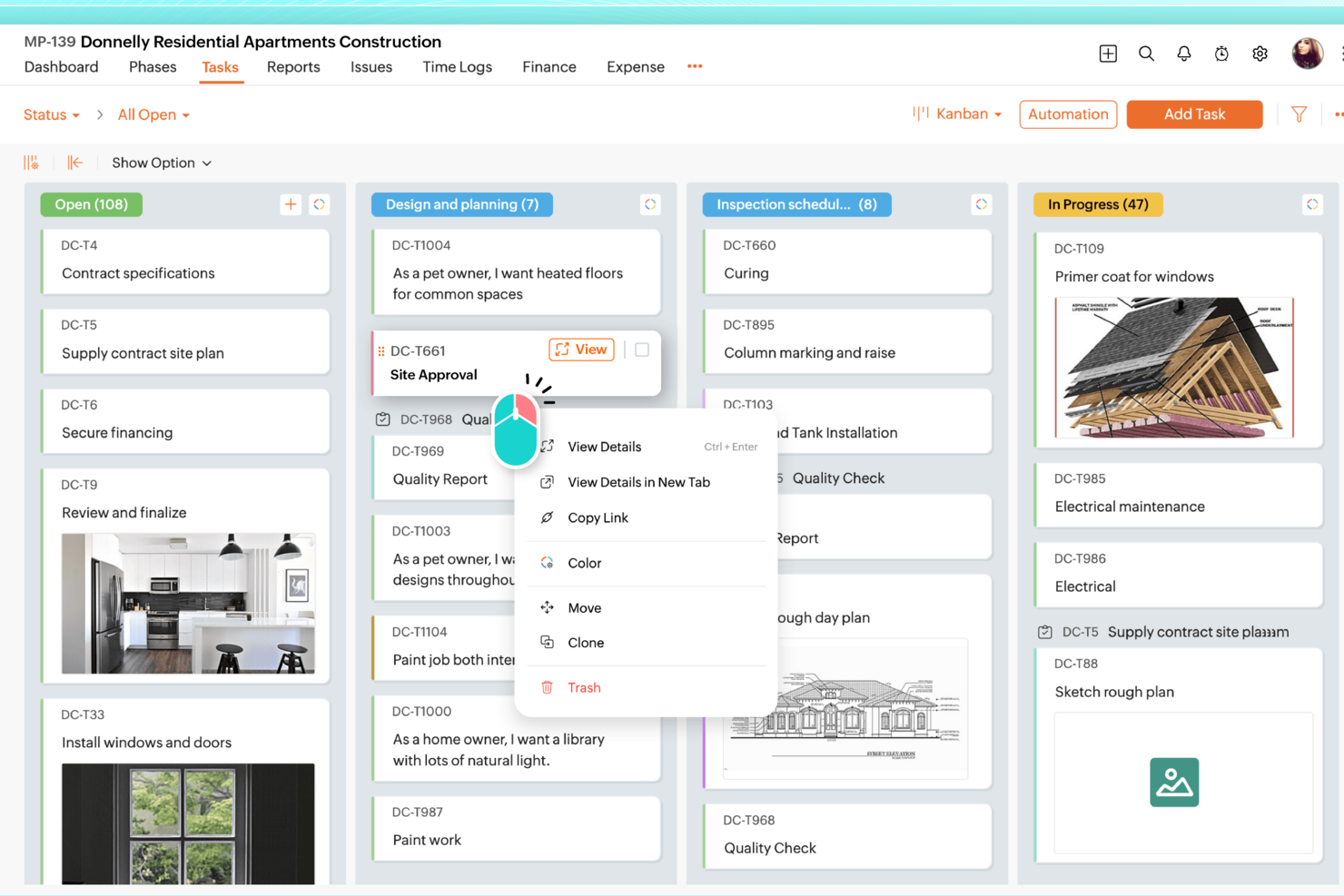
Zoho Projects è pensato per team che cercano una soluzione di gestione progetti flessibile adatta a diversi settori come IT, costruzione e marketing. Risponde all'esigenza di una gestione efficiente delle attività e della collaborazione, offrendo strumenti come la rilevazione dei tempi e i diagrammi di Gantt per ottimizzare i flussi di lavoro. Integrandosi con una vasta gamma di applicazioni, Zoho Projects assicura che il tuo team possa mantenere la produttività senza cambiare piattaforma, rendendolo una scelta interessante per chi desidera passare da Asana.
Perché ho scelto Zoho Projects
Quando ho valutato un'alternativa ad Asana, ho scelto Zoho Projects per le sue avanzate capacità di automazione delle attività. Questa funzione permette al tuo team di automatizzare compiti ripetitivi, risparmiando tempo e riducendo il lavoro manuale. Inoltre, Zoho Projects offre ampie opzioni di personalizzazione, permettendo di adattare i flussi di lavoro alle esigenze specifiche, fondamentale per team con requisiti progettuali unici. Queste funzionalità, unite a strumenti di collaborazione intuitivi, fanno di Zoho Projects un concorrente solido per chi cerca un'alternativa ad Asana.
Caratteristiche principali di Zoho Projects
Oltre alle sue funzioni di automazione e personalizzazione, Zoho Projects offre diverse altre caratteristiche che ne potenziano l'utilità come alternativa ad Asana.
- Rilevazione dei tempi: consente al tuo team di monitorare quanto tempo viene dedicato alle attività, aiutando a migliorare produttività e responsabilità.
- Diagrammi di Gantt: forniscono una cronologia visiva delle attività di progetto, permettendo una migliore pianificazione e gestione delle scadenze.
- Gestione dei problemi: facilita l'individuazione e la risoluzione di problematiche legate ai progetti, assicurando il giusto avanzamento del lavoro.
- Collaborazione del team: supporta la comunicazione e la collaborazione tra i membri tramite forum e chat, favorendo un ambiente di lavoro collaborativo.
Integrazioni Zoho Projects
Le integrazioni includono Slack, Microsoft Teams, Google Drive, Dropbox, Zapier, Zoho CRM, Zoho Desk, GitHub, Jira e Microsoft Office 365.
Pros and Cons
Pros:
- Strumenti avanzati di automazione dei flussi di lavoro
- Time tracking integrato incluso
- Integrazione forte con l'ecosistema Zoho
Cons:
- Curva di apprendimento iniziale più ripida
- L'interfaccia può sembrare complessa
New Product Updates from Zoho Projects

Zoho Projects Adds Time Log Grid View for Faster Tracking
Zoho Projects adds Time Log Grid View, a unified interactive grid for logging and reviewing hours across tasks and issues, helping teams enter time faster and identify work patterns more easily. For more information, visit Zoho Projects’ official site.
 .
.
Wrike
Ideale per flussi di lavoro di progetto personalizzabili
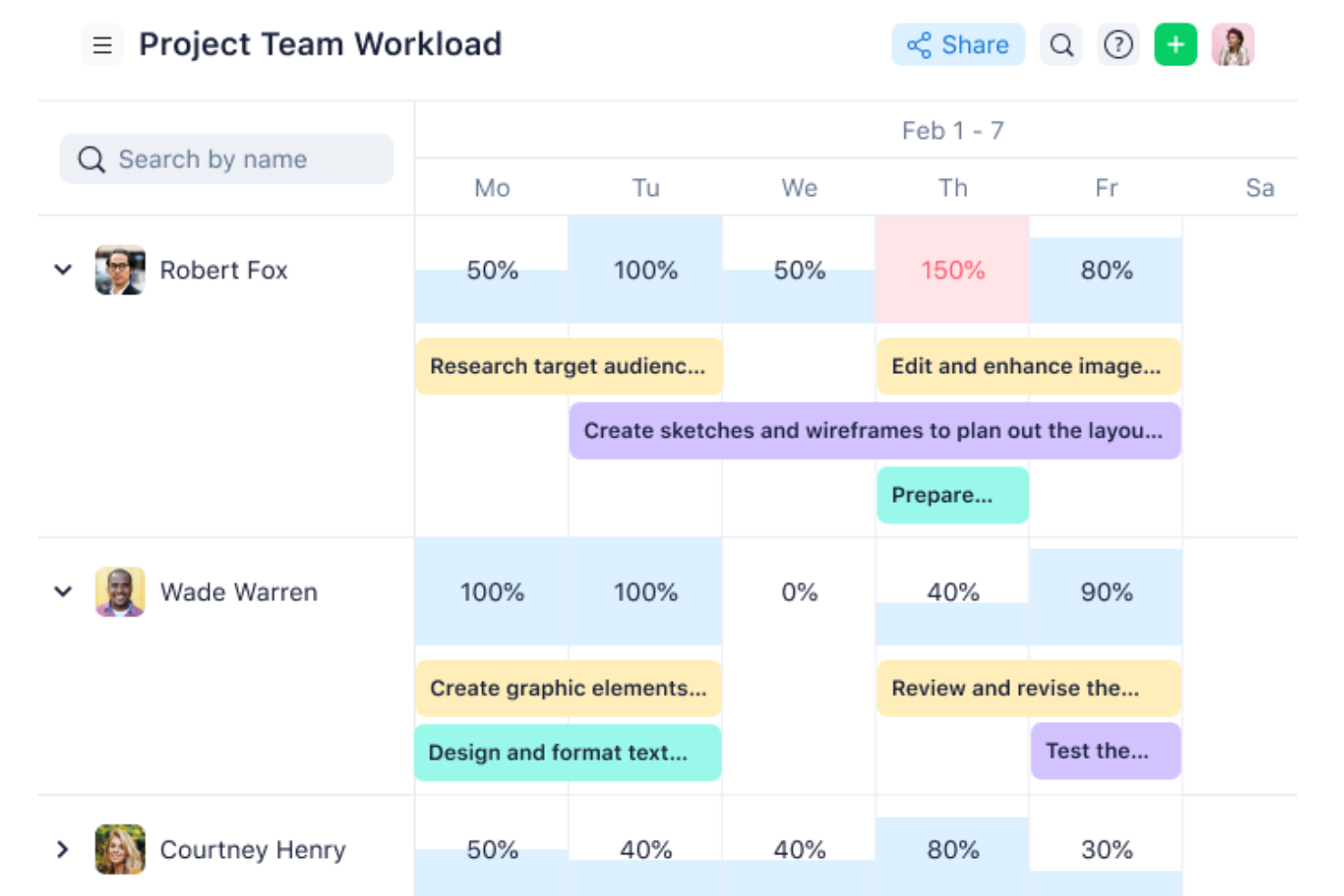
Wrike è una piattaforma di gestione dei progetti pensata per i team che gestiscono sia progetti semplici che complessi tra diversi reparti. È ideale per le organizzazioni che cercano viste di lavoro flessibili, automazioni e integrazioni approfondite per supportare la gestione collaborativa dei progetti.
Perché Wrike è una buona alternativa ad Asana: Ho scelto Wrike perché offre maggiore flessibilità nella gestione di progetti complessi che coinvolgono più team. Mentre Asana è ottimo per la gestione lineare delle attività, Wrike si distingue con strumenti avanzati come moduli di richiesta personalizzabili, diagrammi di Gantt e dashboard in tempo reale che aiutano a monitorare le tempistiche e i carichi di lavoro dei progetti. Wrike inoltre supporta funzionalità basate sull'intelligenza artificiale come la previsione dei rischi e le automazioni per ridurre il lavoro manuale, consentendo al tuo team di concentrarsi su ciò che conta davvero.
Funzionalità e integrazioni principali:
Funzionalità includono strumenti di automazione basati su intelligenza artificiale per ridurre le attività ripetitive, viste di lavoro personalizzabili come diagrammi di Gantt e bacheche Kanban per una migliore visualizzazione dei progetti, e un hub dati centralizzato che consolida le informazioni da tutti i tuoi progetti. Wrike offre anche app mobili completamente funzionali per gestire il lavoro anche in mobilità.
Integrazioni comprendono oltre 400 connessioni native predefinite, tra cui Microsoft, Google, Dropbox, Salesforce e Marketo.
Pros and Cons
Pros:
- Chat in-app per ridurre il cambio di contesto nella collaborazione
- Visualizzazione semplice delle prestazioni del flusso di lavoro
- Persone e team possono monitorare i carichi di lavoro
Cons:
- Non adatto a organizzazioni di piccole dimensioni
- Limitato a 10 flussi di lavoro per spazio
New Product Updates from Wrike

Wrike AI Agents Create Full Blueprints and Formatted Items
Wrike’s AI Agent can now create full blueprints (parent items plus subtasks) in one step and generate richer, formatted descriptions. This makes automated workflow creation more complete. For more information, visit Wrike’s official site.

Notion
Ideale per workspace personalizzabili
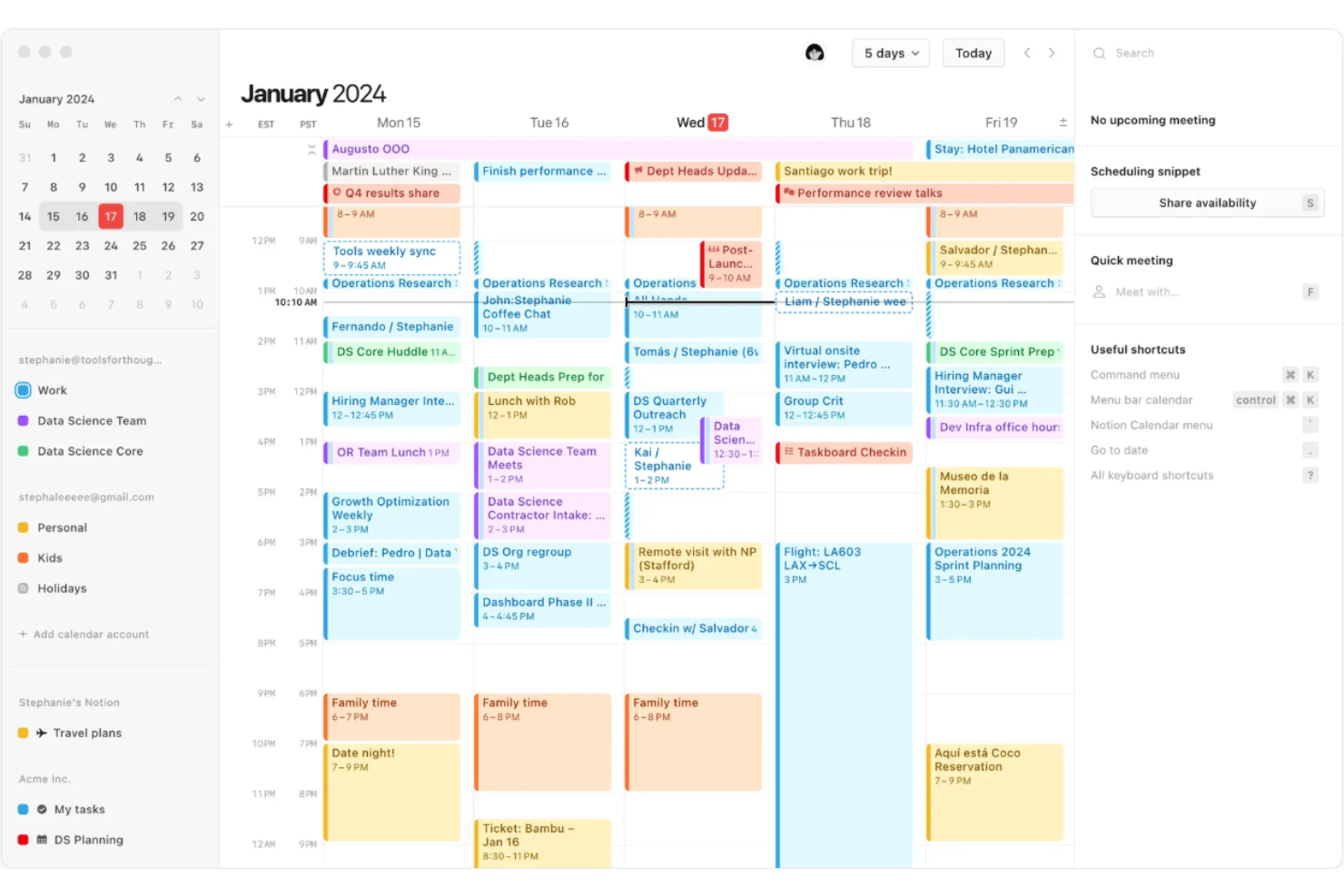
Notion è uno strumento di workspace versatile progettato per individui e team per organizzare compiti, progetti e conoscenza. È apprezzato da creativi, freelance e responsabili di team per la sua capacità di combinare note, attività, database e wiki.
Perché Notion è una buona alternativa ad Asana: Notion offre spazi di lavoro altamente personalizzabili dove puoi creare pagine e database su misura per le esigenze del tuo team. La sua flessibilità ti consente di strutturare le informazioni in modo che si adattino al tuo flusso di lavoro, da configurazioni semplici a complesse. La possibilità di incorporare vari elementi, come immagini e tabelle, offre un vantaggio visivo. Per chi cerca più opzioni di personalizzazione rispetto ad Asana, Notion è una scelta interessante.
Funzionalità principali e integrazioni:
Le funzionalità includono un'interfaccia drag-and-drop, che rende semplice organizzare i contenuti come desideri. Con Notion, puoi creare modelli per attività ripetitive, risparmiando tempo e fatica. Lo strumento supporta anche ricchi media, permettendo al tuo team di incorporare video e immagini direttamente nelle pagine.
Le integrazioni includono Slack, Google Drive, Trello, Asana, GitHub, Zapier, Typeform, Figma, Jira e Twitter.
Pros and Cons
Pros:
- Supporta contenuti multimediali
- Modelli per una configurazione rapida
- Pagine altamente personalizzabili
Cons:
- Potrebbe avere una curva di apprendimento
- Può essere lento con database di grandi dimensioni

Airtable
Ideale per la creazione di app senza codice
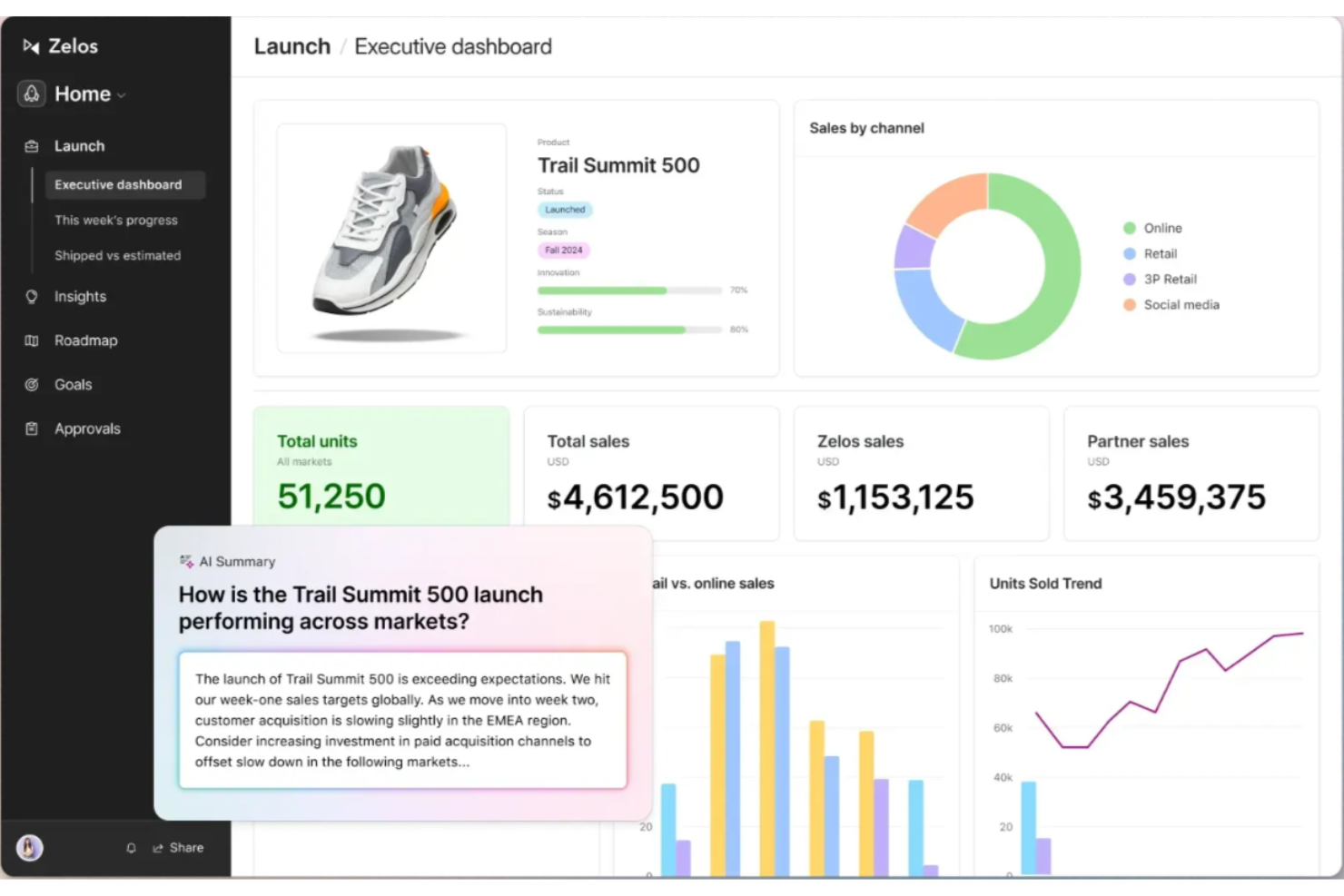
Airtable è uno strumento di collaborazione basato su cloud che combina la semplicità dei fogli di calcolo con la potenza di un database. È preferito da team di diversi settori per la gestione di progetti, il monitoraggio delle attività e l'organizzazione dei dati.
Perché Airtable è una buona alternativa ad Asana: Airtable offre una capacità unica di creare applicazioni personalizzate senza codice, rendendolo ideale per i team che necessitano di soluzioni su misura. Le sue viste a griglia, Kanban e calendario permettono di visualizzare i progetti in diversi modi. L'interfaccia drag-and-drop semplifica la gestione delle attività, mentre la struttura flessibile del database supporta flussi di lavoro diversificati. Per i team che cercano funzionalità di gestione progetti personalizzabili oltre ciò che offre Asana, Airtable propone una piattaforma versatile e adattabile.
Caratteristiche e integrazioni principali:
Le funzionalità includono una vista a griglia flessibile che permette al tuo team di organizzare le informazioni nel modo più adatto. La vista Kanban offre un flusso di lavoro visivo per gestire le attività. La vista calendario di Airtable è perfetta per tenere traccia delle scadenze e degli appuntamenti.
Le integrazioni includono Slack, Google Drive, Dropbox, Asana, Trello, Salesforce, Zendesk, Box, GitHub e Mailchimp.
Pros and Cons
Pros:
- Organizzazione dei dati flessibile
- Facile da usare per vari team
- Adattabile a diversi flussi di lavoro
Cons:
- Può risultare complesso per i principianti
- Richiede tempo per essere configurato

Nifty
Ideale per la gestione dei progetti tutto-in-uno
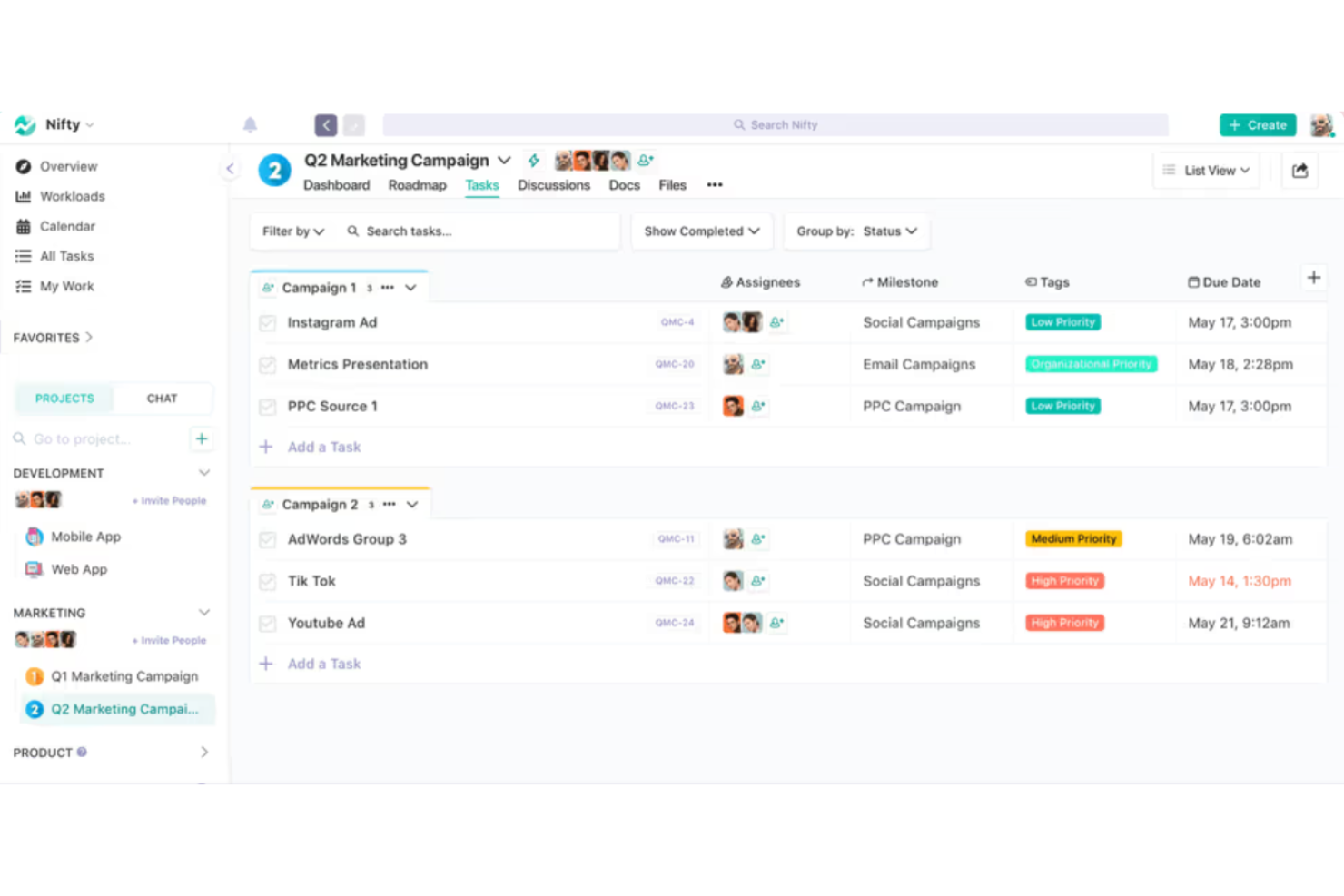
Nifty è uno strumento di gestione dei progetti progettato per aiutare i team a collaborare e gestire i progetti in modo efficiente. È adatto ad aziende e team che cercano una soluzione completa per pianificare, monitorare e portare a termine i progetti.
Perché Nifty è una buona alternativa ad Asana: Nifty combina la gestione delle attività, il monitoraggio del tempo e la collaborazione nei progetti tutto in un'unica piattaforma, offrendo una soluzione integrata che Asana potrebbe non offrire. Presenta un approccio alla gestione dei progetti basato sui traguardi, aiutandoti a seguire i progressi e le scadenze. I canali di discussione integrati permettono la comunicazione del team senza bisogno di strumenti esterni. L'attenzione di Nifty all'integrazione di più funzionalità lo rende una scelta eccellente se cerchi un'esperienza di gestione progetti più coesa rispetto ad Asana.
Funzionalità e integrazioni principali:
Le funzionalità includono uno strumento per i traguardi che aiuta il tuo team a monitorare gli obiettivi e le tempistiche del progetto. I canali di discussione integrati facilitano la comunicazione direttamente all'interno della piattaforma. Nifty offre anche il monitoraggio del tempo, consentendo di verificare quanto tempo viene dedicato a ciascuna attività.
Le integrazioni includono Slack, Google Drive, Dropbox, Zoom, Google Calendar, Microsoft Teams, Outlook, GitHub, Asana e Trello.
Pros and Cons
Pros:
- Canali di comunicazione integrati
- Monitoraggio dei progetti basato sui traguardi
- Adatto a team di dimensioni varie
Cons:
- Opzioni di template limitate
- Può risultare complesso per via delle numerose funzionalità

Ideale per funzionalità gratuite e complete
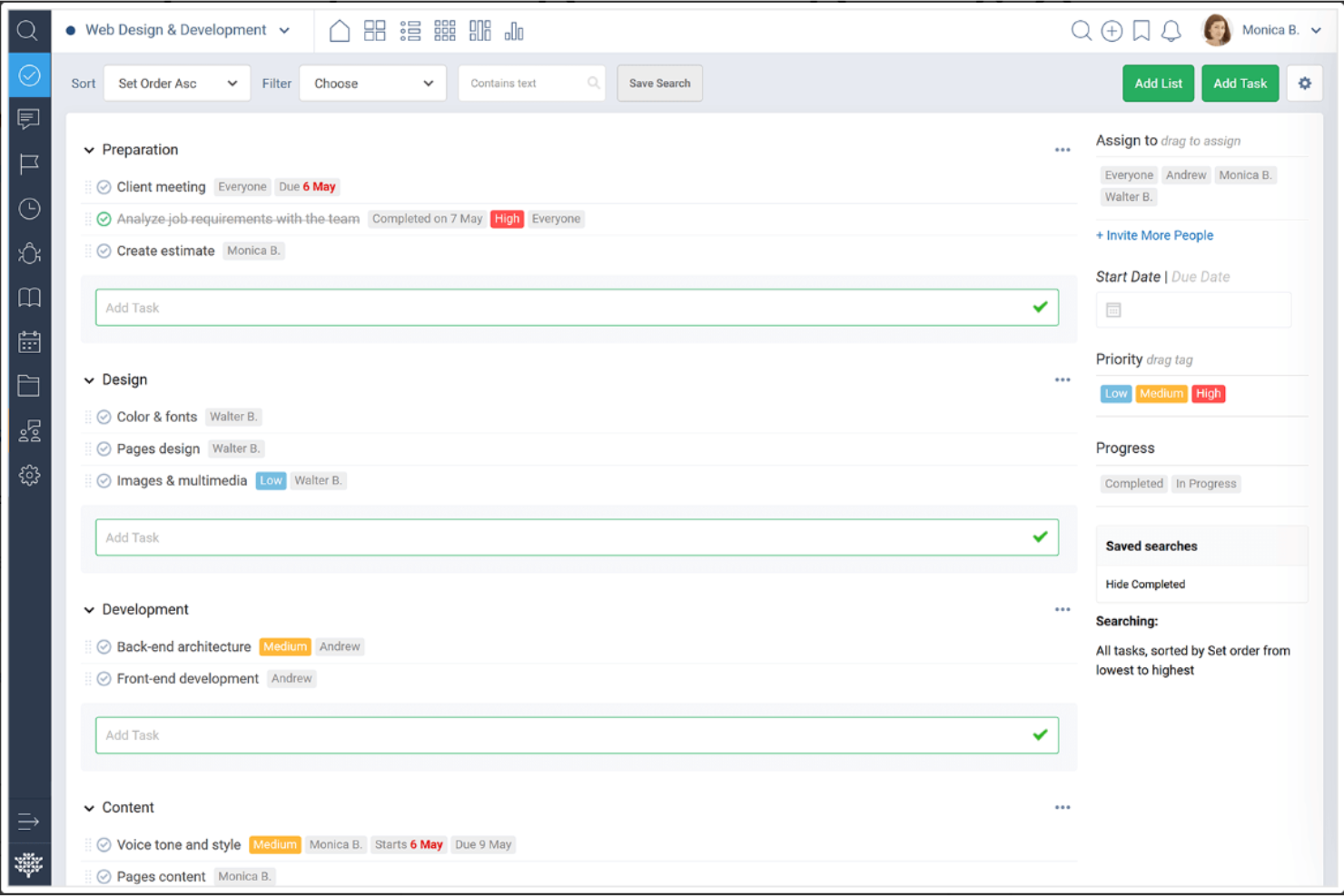
Freedcamp è uno strumento di gestione progetti che si rivolge a aziende e privati che cercano una soluzione economica per organizzare attività e collaborare. È popolare tra freelance, piccole imprese e team che devono gestire più progetti in modo efficiente.
Perché Freedcamp è una valida alternativa ad Asana: Freedcamp offre un'ampia gamma di funzionalità nel suo piano gratuito, risultando interessante se hai un budget limitato. Mette a disposizione strumenti come liste di attività, calendari e monitoraggio del tempo per mantenere i progetti in carreggiata. La possibilità di gestire documenti e discussioni all'interno della piattaforma favorisce la collaborazione. Queste caratteristiche rendono Freedcamp un'alternativa valida ad Asana se cerchi molte funzionalità senza costi elevati.
Funzionalità e integrazioni principali:
Le funzionalità includono una lista di attività facile da usare che aiuta il tuo team a organizzare e dare priorità al lavoro. La visualizzazione calendario offre una timeline grafica per attività e scadenze di progetto. Freedcamp dispone anche di uno strumento di monitoraggio del tempo che permette di controllare efficacemente le ore di lavoro sui progetti.
Le integrazioni includono Google Drive, Dropbox, OneDrive, Zapier, Slack, Box, Google Calendar, Evernote, GitHub e Trello.
Pros and Cons
Pros:
- Ampia gamma di funzionalità gratuite
- Supporta la gestione dei documenti
- Offre monitoraggio del tempo
Cons:
- Funzionalità avanzate limitate
- Può essere complesso per i nuovi utenti

ProofHub
Ideale per la collaborazione centralizzata
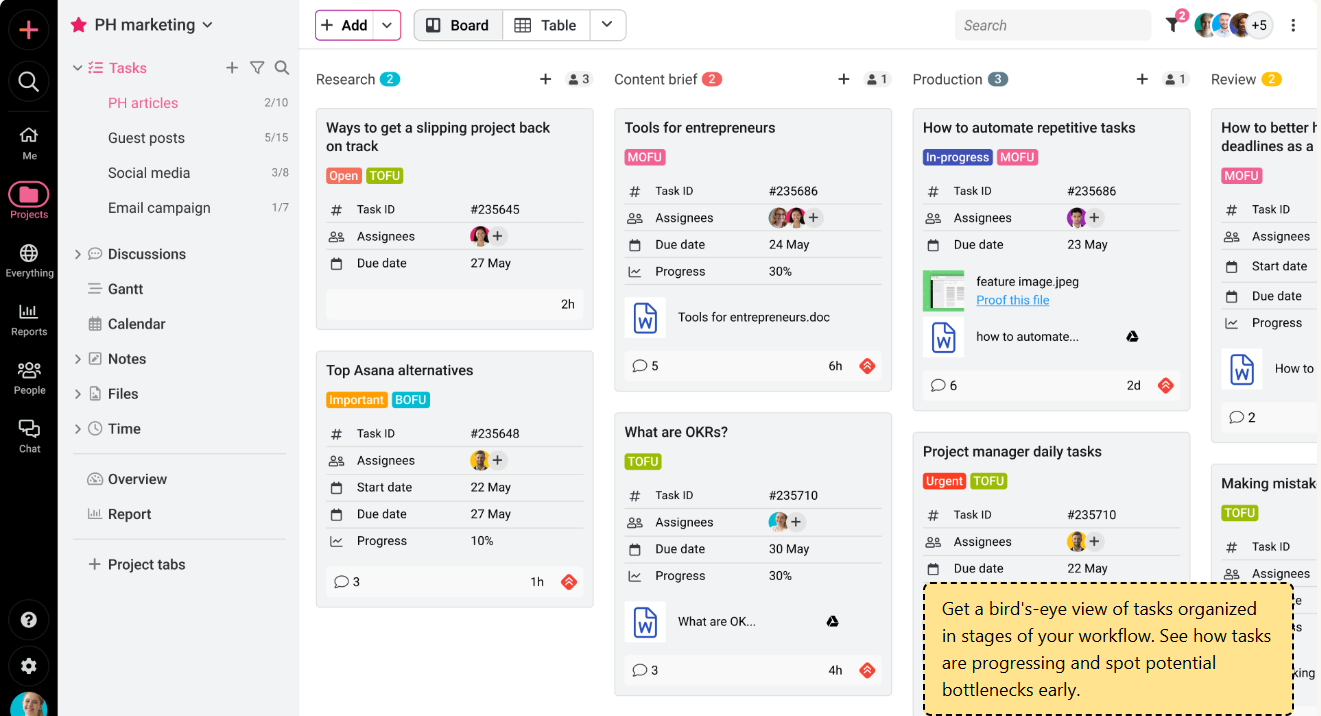
ProofHub è uno strumento di gestione dei progetti e collaborazione di team progettato per squadre che necessitano di un controllo centralizzato sui propri progetti. Serve manager e team leader fornendo strumenti per la gestione delle attività, la comunicazione e la pianificazione dei progetti.
Perché ProofHub è una valida alternativa ad Asana: ProofHub offre una piattaforma centralizzata dove il tuo team può gestire attività, discussioni e file in un unico luogo, riducendo la necessità di utilizzare più strumenti. Le sue funzionalità di chat e discussione integrate rendono la comunicazione semplice e accessibile. La timeline visuale aiuta a pianificare e monitorare il progresso dei progetti in modo efficiente. Queste caratteristiche rendono ProofHub un'alternativa interessante ad Asana per i team che richiedono un ambiente più centralizzato e controllato.
Caratteristiche principali & integrazioni:
Le funzionalità includono una timeline dettagliata del progetto che consente di visualizzare le fasi del progetto. La chat integrata di ProofHub permette al tuo team di comunicare senza lasciare la piattaforma. Offre anche uno spazio di archiviazione dei file, assicurando che tutti i documenti di progetto siano facilmente accessibili.
Le integrazioni includono Google Drive, Dropbox, Box, OneDrive, Outlook, iCal, FreshBooks, QuickBooks, Zapier e Slack.
Pros and Cons
Pros:
- Gestione centralizzata dei progetti
- Chat e discussioni integrate
- Timeline di progetto visive
Cons:
- Potrebbe richiedere formazione aggiuntiva
- Funzionalità di reportistica avanzata limitate

Teamwork
Ideale per la gestione delle attività con clienti
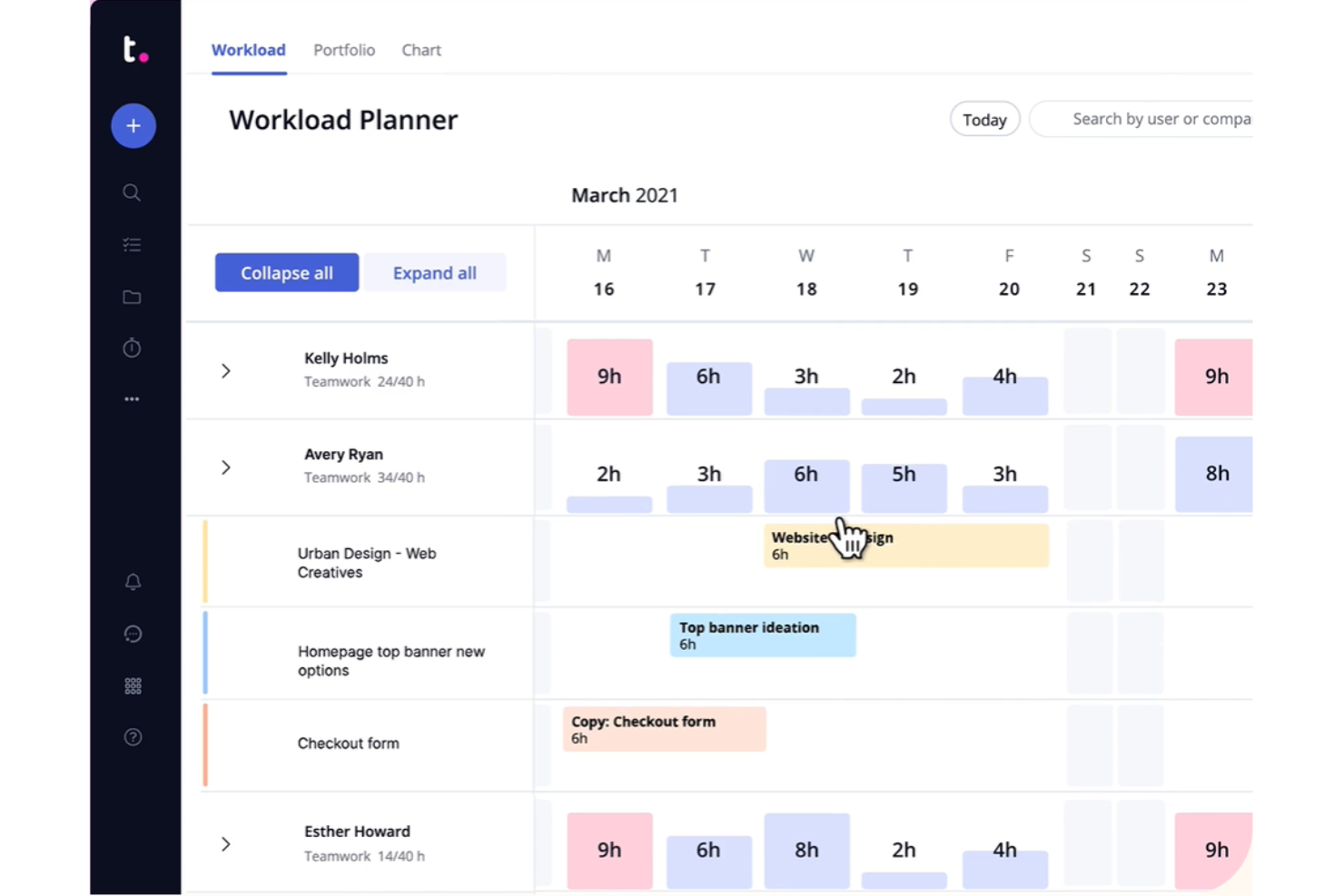
Teamwork è un software di gestione progetti progettato per le aziende che gestiscono lavori per clienti, come agenzie e società di consulenza. Aiuta nella gestione delle attività, nella pianificazione dei progetti e nella collaborazione per consegnare i progetti ai clienti in modo efficiente.
Perché Teamwork è una buona alternativa ad Asana: Teamwork offre funzionalità avanzate per la gestione dei progetti per i clienti, come la rilevazione dei tempi e la fatturazione, essenziali per le agenzie. Le sue dipendenze tra attività e i diagrammi di Gantt ti aiutano a pianificare ed eseguire i progetti in modo efficace. La funzione di permessi per i clienti consente di condividere gli aggiornamenti di progetto con i tuoi clienti senza compromettere la privacy. Queste capacità rendono Teamwork una scelta eccellente se il tuo team ha bisogno di una gestione clienti più robusta rispetto a quanto offerto da Asana.
Funzionalità e integrazioni principali:
Le funzionalità includono una rilevazione dettagliata dei tempi, che aiuta il tuo team a fatturare i clienti con precisione. La funzione di fatturazione integrata ti permette di gestire le fatture direttamente dalla piattaforma. Teamwork offre inoltre modelli di attività, che possono far risparmiare tempo nei progetti ripetitivi.
Le integrazioni includono Slack, Dropbox, Google Drive, HubSpot, QuickBooks, Xero, Zapier, Microsoft Teams, Harvest e Basecamp.
Pros and Cons
Pros:
- Ottimo per la gestione dei clienti
- Include il tracciamento del tempo
- Disponibilità di dipendenze tra attività
Cons:
- Può risultare complesso per piccoli team
- Può richiedere formazione supplementare

Aha!
Ideale per team di sviluppo prodotto
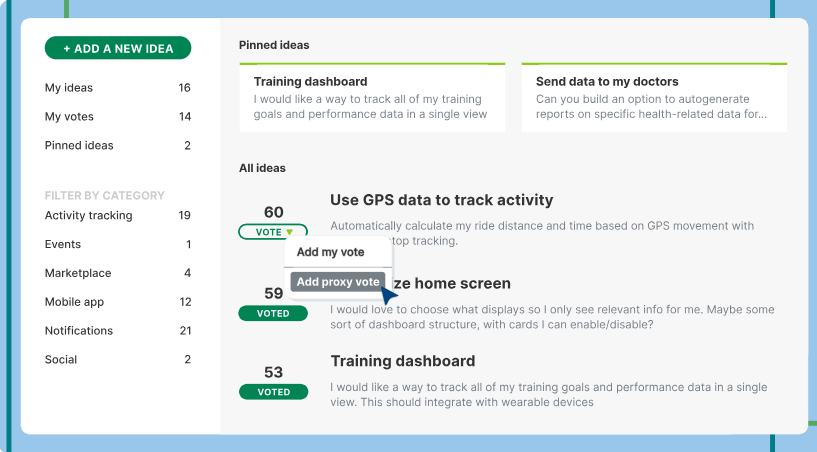
Aha! è un software per lo sviluppo di prodotti progettato per aiutare i team a definire strategie, raccogliere idee, creare roadmap e gestire i rilasci. È utilizzato principalmente da product manager e team di sviluppo per pianificare ed eseguire iniziative di prodotto.
Perché Aha! è una valida alternativa ad Asana: Aha! offre funzionalità specializzate pensate per lo sviluppo di prodotti, come roadmap visive che collegano la strategia all’esecuzione, gestione delle idee per raccogliere e dare priorità al feedback dei clienti, e strumenti di pianificazione dei rilasci per coordinare i lanci trasversali ai vari reparti. Queste capacità lo rendono particolarmente adatto ai team di prodotto che cercano una gestione completa e integrale del prodotto.
Caratteristiche principali e integrazioni:
Le funzionalità includono un creatore di roadmap visive che aiuta a pianificare e comunicare la strategia di prodotto, gestione delle idee per raccogliere e dare priorità al feedback dei clienti, e strumenti di pianificazione dei rilasci per coordinare i lanci trasversali. Questi strumenti permettono al tuo team di allinearsi sugli obiettivi e consegnare prodotti che i clienti apprezzano.
Le integrazioni includono Jira, GitHub, Azure DevOps Server, Pivotal Tracker, Trello, FogBugz, Jellyfish, Redmine, Zendesk, Salesforce, Google Analytics e Slack.
Pros and Cons
Pros:
- Flussi di lavoro personalizzabili
- Creazione di roadmap visive
- Gestione integrata delle idee
Cons:
- Curva di apprendimento ripida
- Costo più elevato rispetto ad alcuni piani a pagamento alternativi

Podio
Ideale per flussi di lavoro personalizzabili
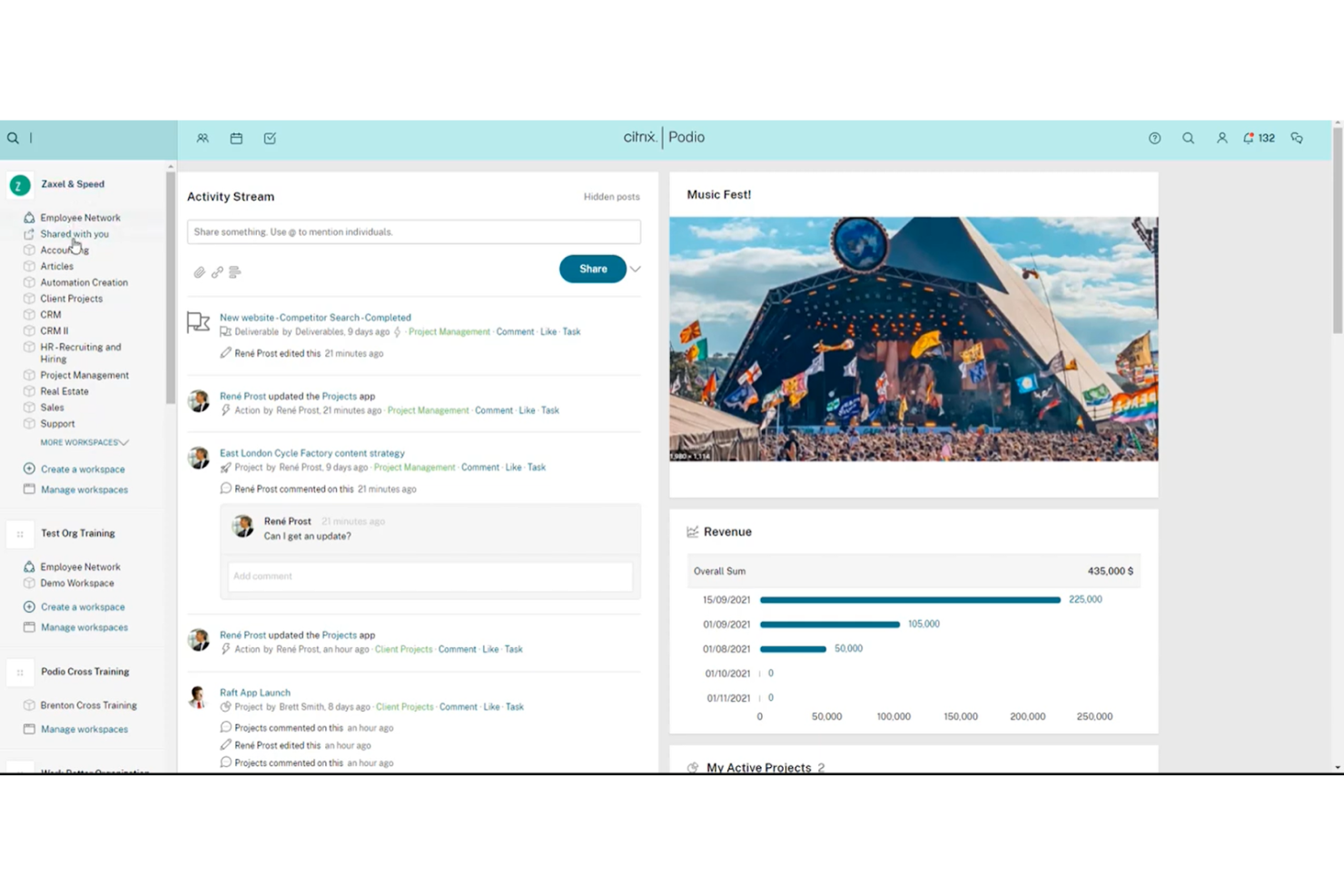
Podio è una piattaforma di gestione progetti e collaborazione che consente agli utenti di creare flussi di lavoro personalizzati per i propri team. È utilizzata da aziende di tutte le dimensioni per gestire attività, progetti e comunicazioni in un ambiente flessibile.
Perché Podio è una buona alternativa ad Asana: Podio permette al tuo team di personalizzare i flussi di lavoro per soddisfare le esigenze specifiche del progetto, offrendo maggiore flessibilità rispetto ad Asana. Puoi creare le tue applicazioni interne a Podio per ottimizzare i processi e migliorare l'efficienza. Le sue funzionalità di gestione delle attività aiutano a mantenere il team organizzato e concentrato. Grazie alla capacità di adattarsi a diversi tipi di progetti, Podio offre un'esperienza di gestione su misura che potrebbe mancare in Asana.
Funzionalità e integrazioni principali:
Funzionalità includono modelli personalizzabili che consentono al tuo team di creare strutture di progetto su misura. Gli strumenti di collaborazione in tempo reale di Podio assicurano che tutti rimangano connessi e informati. La possibilità di costruire app permette di progettare funzionalità specifiche per le necessità uniche dei tuoi flussi di lavoro.
Integrazioni includono Google Drive, Dropbox, Evernote, Zendesk, Outlook, ShareFile, GoToMeeting, FreshBooks, Campaign Monitor e Mailchimp.
Pros and Cons
Pros:
- Flussi di lavoro altamente personalizzabili
- Strumenti di collaborazione in tempo reale
- Strutture di progetto flessibili
Cons:
- Potrebbe richiedere configurazione tecnica
- Funzionalità predefinite limitate
Altre alternative ad Asana
Ecco alcune alternative aggiuntive ad Asana che non sono state incluse nel mio elenco, ma che vale comunque la pena prendere in considerazione:


Come Valuto le Alternative ad Asana
Cerco strumenti su due livelli: la funzionalità di base per la gestione dei prodotti che ogni opzione deve avere, e i fattori distintivi—come la profondità nella pianificazione del roadmap o il supporto agile—che definiscono la soluzione migliore.
Funzionalità Principali (Requisiti Minimi per Questa Lista)
Quando seleziono gli strumenti per la mia lista, valuto ciascuno su una scala da 0 (non offre la funzionalità) a 5 (eccelle in questa area) per ogni funzionalità principale elencata qui sotto. Poi calcolo il punteggio totale dello strumento come percentuale. Ogni strumento deve raggiungere un punteggio totale minimo del 65% per essere preso in considerazione.
- Pianificazione del Roadmap: Verifico se lo strumento supporta roadmap basate sulle tempistiche con traguardi e dipendenze, oltre a viste condivisibili per stakeholder come la dirigenza o i clienti.
- Backlog e Prioritizzazione: I team di prodotto hanno bisogno di backlog strutturati. Cerco criteri di prioritizzazione integrati come RICE o sistemi di punteggio personalizzati per classificare le funzionalità oltre al semplice drag-and-drop.
- Gestione Agile degli Sprint: In questo ambito contano i cicli di sprint, la stima degli story point e il tracciamento delle iterazioni. Valuto se lo strumento supporta Scrum, Kanban o entrambi i flussi di lavoro.
- Gestione Trasversale delle Attività: Il rilascio di un prodotto coinvolge design, ingegneria e marketing. Cerco funzionalità di assegnazione compiti, sotto-attività e collaborazione che tengano i team coordinati.
- Integrazioni con la Pila Product: La maggior parte dei team di prodotto si affida quotidianamente a strumenti come Jira, GitHub, Slack e Figma. Valuto la profondità dell'integrazione nativa e la sincronizzazione bidirezionale, non solo le esportazioni unidirezionali.
- Reporting e Monitoraggio dei Progressi: Dashboard e viste di stato devono mostrare la velocità degli sprint, grafici burndown o le tempistiche di consegna, così i responsabili di prodotto possono fare report senza dover aggiornare manualmente.
Quando ho una lista di strumenti che soddisfano questi criteri, considero cosa distingue ciascuna piattaforma.
Fattori Differenzianti (Cosa Distingue i Fornitori)
Ecco come confronto e differenzio i vari fornitori:
Funzionalità di Spicco
Pongo grande attenzione all'integrazione del feedback dei clienti—strumenti che permettono di collegare direttamente i ticket di supporto o le risposte ai sondaggi agli elementi della roadmap evitano ai product manager di vivere nei fogli di calcolo. Anche l'allineamento con OKR e obiettivi è un fattore che valuto, poiché collegare il lavoro degli sprint a risultati di business misurabili aiuta i PM a comunicare i progressi alla dirigenza. Anche la gestione dei rilasci conta. Strumenti con registri delle modifiche e tracciamento delle versioni integrati rendono il coordinamento dei lanci tra ingegneria e marketing molto più fluido.
Oltre le Funzionalità
Onboarding e rapidità nell'ottenere valore sono aspetti fondamentali quando si migra da Asana. Cerco template pre-costruiti per la gestione dei prodotti e supporto alla migrazione che aiutino i team a diventare operativi rapidamente. La scalabilità è un'altra grande considerazione—uno strumento che funziona per una startup di cinque persone può crollare quando si gestiscono più linee di prodotto con dipendenze tra team diversi. Valuto anche la trasparenza dei prezzi, in particolare se i fornitori offrono posti solo in visualizzazione o strutture tariffarie flessibili così da non dover pagare il prezzo pieno per gli stakeholder che necessitano solo dell'accesso in lettura.
Perché cercare un'alternativa ad Asana?
Sebbene Asana sia una buona scelta per la gestione dei prodotti, esistono diversi motivi per cui alcuni utenti cercano soluzioni alternative. Potresti cercare un'alternativa ad Asana per uno dei seguenti motivi.
- Hai bisogno di più opzioni di personalizzazione
- Il tuo team necessita di strumenti avanzati per la creazione di report
- Ritieni che l'interfaccia utente sia complicata
- Ritieni che manchi l'integrazione con applicazioni specifiche
- Stai cercando piani tariffari più convenienti
- Il tuo team sta crescendo e necessita di una migliore scalabilità
- Hai bisogno della conformità a specifiche normative sui dati
Se ti riconosci in una di queste situazioni, sei nel posto giusto. Il mio elenco contiene diverse opzioni essenziali per la gestione dei prodotti, più adatte ai team che affrontano queste difficoltà con Asana e cercano soluzioni alternative.
Funzionalità principali di Asana
Ecco alcune delle funzionalità principali di Asana, per aiutarti a confrontare le caratteristiche offerte dalle soluzioni alternative:
- Gestione delle attività: consente di creare, assegnare e monitorare le attività per mantenere organizzati i progetti.
- Sequenze temporali dei progetti: aiuta a visualizzare la pianificazione e le scadenze dei progetti, assicurando che il team rimanga sulla buona strada.
- Bacheche e calendari: fornisce strumenti visivi per la pianificazione e la gestione dei progetti, aiutando a organizzare il team.
- Aggiornamenti in tempo reale: tiene il team informato con notifiche istantanee, migliorando la collaborazione e la responsabilità.
- Portfolio: consente di organizzare i progetti per account o team, risultando utile per gestire numerosi progetti in modo efficiente.
- Asana Intelligence: offre informazioni e suggerimenti basati sull'intelligenza artificiale per migliorare i risultati dei progetti e risparmiare tempo.
- Strumenti di collaborazione: facilita la comunicazione attraverso bacheche dei messaggi e allegati all'interno delle attività.
- Vista Gantt: aiuta a creare progetti, impostare dipendenze e visualizzare le sequenze temporali tramite un'interfaccia con trascinamento.
- Funzionalità di revisione: converte i feedback in sottoattività, aiutando i team a gestire in modo efficiente la produzione di contenuti.
- Campi personalizzati: consentono di adattare i dettagli del progetto alle esigenze specifiche del tuo flusso di lavoro. Sembra che il tuo messaggio sia vuoto. Come posso aiutarti ulteriormente? Se hai istruzioni o domande, non esitare a farmelo sapere!
Qual è il prossimo passo?
Non dimenticare di iscriverti alla nostra newsletter per ricevere altre risorse e guide sulla gestione dei prodotti, oltre agli ultimi podcast, alle interviste e ad altri approfondimenti da parte di leader ed esperti del settore.