
10 migliori alternative a ProductPlan recensite nel 2026

Migliori alternative a ProductPlan: la shortlist


Se sei un product manager, conosci le difficoltà nel mantenere il team allineato e i progetti sulla buona strada. Potresti aver notato che ProductPlan non soddisfa più le tue esigenze. Che si tratti di funzionalità limitate, problemi di scalabilità o difficoltà di integrazione, stai cercando una soluzione che si adatti meglio al flusso di lavoro del tuo team.
Ho dedicato tempo a testare e valutare diverse soluzioni software per trovare le migliori alternative a ProductPlan. In questo articolo, condivido la mia selezione. Approfondirò cosa rende ciascuna opzione unica e come può risolvere le problematiche specifiche che incontri.
Il mio obiettivo è offrirti una guida imparziale e ben documentata che ti aiuti a scegliere lo strumento giusto per il successo del tuo team.
Che cos'è ProductPlan?
ProductPlan è uno strumento centrale per la gestione dei prodotti che aiuta i team a pianificare e visualizzare le loro strategie di prodotto. Gli utenti, in genere product manager e project manager, possono scoprire che ProductPlan non soddisfa le loro necessità per uno o più dei seguenti motivi:
- È troppo costoso per il loro budget
- Il team ha bisogno di più opzioni di personalizzazione
- Necessitano di una migliore integrazione con altri strumenti
- Serve un supporto per team più numerosi
- Il team lavora in diverse aree geografiche e necessita di funzionalità di supporto globale
- Occorrono funzionalità di reportistica più avanzate
Se ti riconosci in una di queste situazioni, sei nel posto giusto. La mia lista contiene diverse soluzioni core di product management, più adatte ai team che affrontano queste sfide con ProductPlan e che sono alla ricerca della migliore alternativa tra i software di gestione dei prodotti.
Riepilogo delle migliori alternative a ProductPlan
Questa tabella di confronto riepiloga i dettagli sui prezzi delle principali alternative a ProductPlan selezionate da me, per aiutarti a trovare quella più adatta al tuo budget e alle esigenze della tua azienda.
| Tool | Best For | Trial Info | Price | ||
|---|---|---|---|---|---|
| 1 | Ideale per la creazione personalizzata di app | Piano gratuito disponibile | A partire da $20/utente/mese (fatturazione annuale) | Website | |
| 2 | Ideale per la gestione visiva dei progetti | Piano gratuito + demo gratuita disponibile | Da $10.99/utente/mese (fatturazione annuale) | Website | |
| 3 | Ideale per il monitoraggio leggero dei progetti | Piano gratuito disponibile | Da $5/utente/mese (fatturazione annuale) | Website | |
| 4 | Ideale per aziende tecnologiche di medie e grandi dimensioni | Prova gratuita di 14 giorni + piano gratuito + demo gratuita disponibili | A partire da $19/maker/mese (fatturazione annuale) | Website | |
| 5 | Ideale per la prioritizzazione guidata dai dati | Prova gratuita di 30 giorni + demo gratuita disponibile | Da $9/utente/mese | Website | |
| 6 | Ideale per team di prodotto di piccole e medie dimensioni | Prova gratuita di 14 giorni + demo gratuita disponibile | Da $36/mese (fatturazione annuale) | Website | |
| 7 | Ideale per l'allineamento tra feedback e roadmap | Prova gratuita di 14 giorni | Da $19/utente/mese (fatturato annualmente) | Website | |
| 8 | Ideale per la gestione dei feedback | Piano gratuito disponibile | Da $15/mese (fatturazione annuale) | Website | |
| 9 | Ideale per settori tecnologici e gaming | Prova gratuita di 14 giorni | Da $12/mese | Website | |
| 10 | Ideale per flussi di lavoro Agile e monitoraggio dei progetti | Piano gratuito + prova gratuita di 14 giorni disponibile | Da $7,91/utente/mese (fatturazione annuale) | Website |
Perché fidarsi delle nostre recensioni software
Testiamo e recensiamo software di product management dal 2020. In quanto product manager, sappiamo quanto sia fondamentale e complesso prendere la decisione giusta nella scelta di un software. Investiamo in ricerche approfondite per aiutare il nostro pubblico a effettuare scelte più consapevoli sugli acquisti software.
Abbiamo testato oltre 2.000 strumenti per diversi casi d’uso nella gestione dei prodotti e scritto più di 1.000 recensioni approfondite. Scopri come manteniamo la trasparenza e dai uno sguardo alla nostra metodologia di recensione software.
Recensioni delle migliori alternative a ProductPlan
Di seguito trovi i miei riassunti dettagliati delle migliori alternative a ProductPlan che ho selezionato per la mia shortlist. Le mie recensioni offrono uno sguardo approfondito alle caratteristiche principali, ai pro e contro, alle integrazioni e agli scenari d’uso ideali di ciascun tool, per aiutarti a trovare quello più adatto alle tue esigenze.

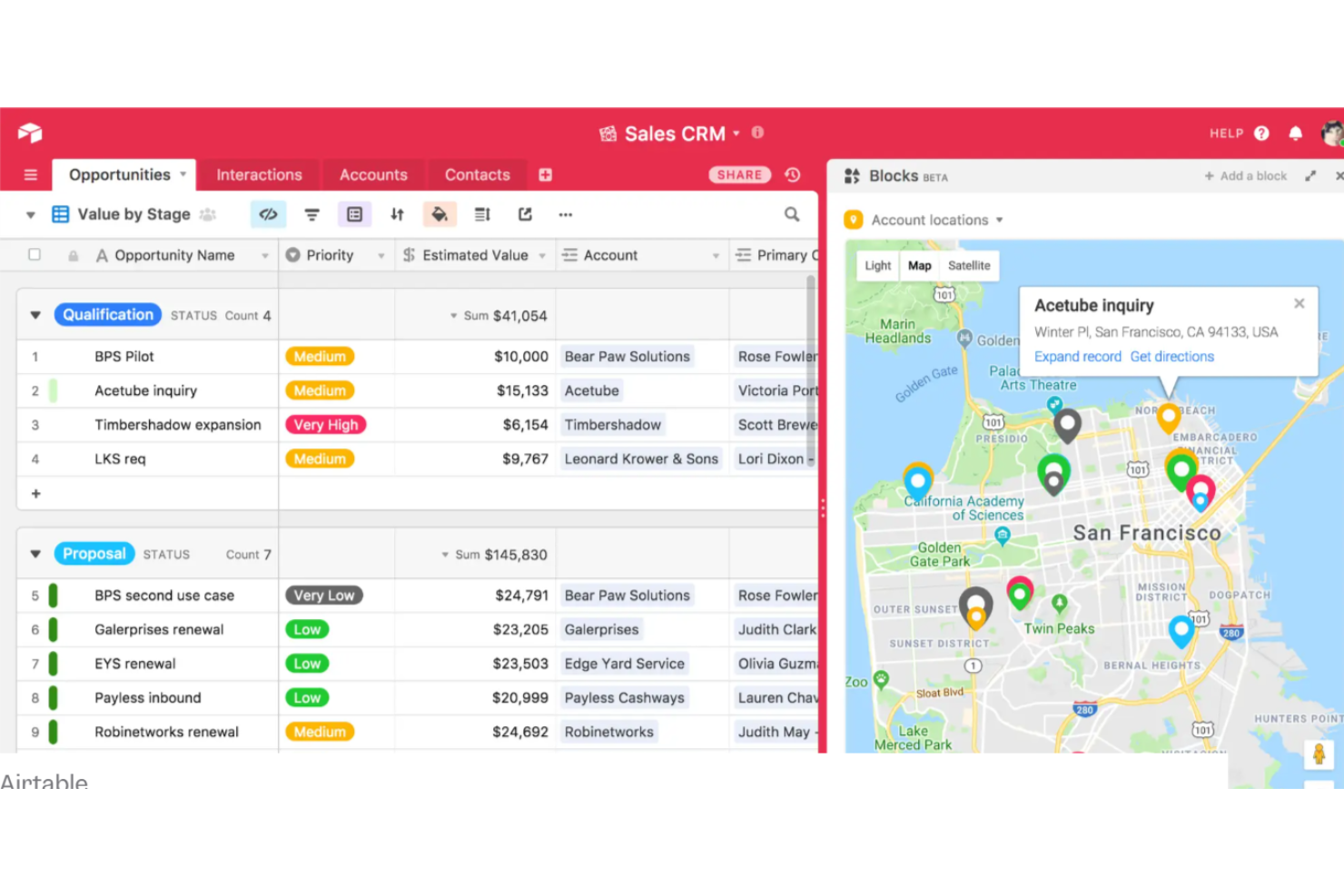
Per chi cerca un'alternativa agli strumenti tradizionali di pianificazione dei prodotti, Airtable offre una combinazione unica tra funzionalità di database e la semplicità di un foglio di calcolo, rendendolo una scelta versatile per la gestione di progetti di diversa natura. È particolarmente apprezzato da aziende e professionisti che danno valore alla personalizzazione e alla flessibilità nei loro processi di gestione progetti. Con Airtable, puoi costruire flussi di lavoro su misura e connessioni dati che rispondono alle tue specifiche esigenze di progetto, sia che tu debba monitorare i progressi, organizzare le risorse o mantenere sotto controllo più iniziative contemporaneamente.
Perché ho scelto Airtable
Ho scelto Airtable perché va oltre il semplice monitoraggio dei progetti, permettendo ai team di creare app personalizzate adattate al loro flusso di lavoro. Grazie alla sua struttura basata su foglio di calcolo e database, puoi progettare strumenti che rispecchiano esattamente le tue necessità—che si tratti di un CRM leggero, di un calendario editoriale o di un tracker per i prodotti. Funzionalità come le viste personalizzate, l’automazione e i block ampliano Airtable in una vera e propria piattaforma per la creazione di app, aiutando i team a sostituire software rigidi e standardizzati con soluzioni costruite realmente su come lavorano.
Caratteristiche principali di Airtable
Oltre alle possibilità di personalizzazione dei flussi di lavoro e delle automazioni, troverai diverse altre caratteristiche che rendono Airtable un forte concorrente come alternativa a ProductPlan.
- Strumenti di collaborazione: Facilitano la collaborazione in tempo reale con il tuo team tramite workspace condivisi e thread di commenti, assicurando che tutti rimangano connessi e informati.
- Libreria di template: Accedi a un'ampia gamma di modelli predefiniti che ti aiutano a impostare rapidamente progetti specifici per la tua industria o le tue esigenze, risparmiando tempo nella fase iniziale.
- Vista calendario: Visualizza le tempistiche dei progetti e le scadenze con la vista calendario, aiutando il tuo team a gestire al meglio i programmi e monitorare i progressi.
- Block: Potenzia la funzionalità aggiungendo block che si integrano con altri servizi, permettendoti di costruire dashboard e report personalizzati secondo i requisiti del tuo progetto.
Integrazioni di Airtable
Le integrazioni includono Slack, Google Drive, Salesforce, Jira, Zendesk e altri, con un'API disponibile per integrazioni personalizzate.
Pros and Cons
Pros:
- Database altamente personalizzabile
- Supporto per collegamenti dati complessi
- Opzioni versatili di visualizzazione dei dati
Cons:
- Reportistica limitata per l'analisi tra basi diverse
- Il prezzo delle funzionalità avanzate può essere elevato
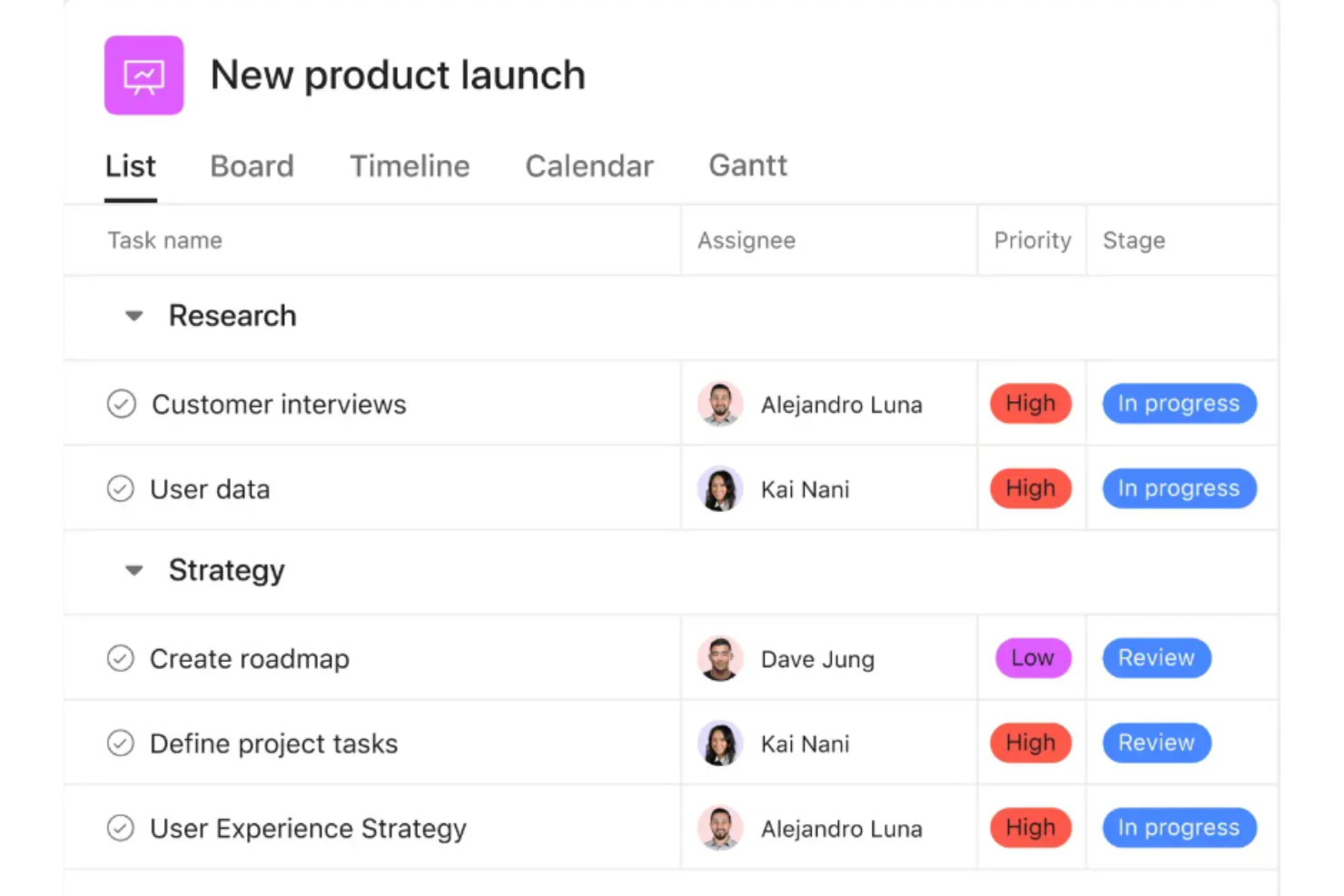
Se cerchi una soluzione che consenta al tuo team di organizzare e supervisionare i progetti con chiarezza, Asana potrebbe essere la scelta ideale. Progettato per project manager e team di diversi settori, offre funzionalità come l'assegnazione dei compiti e la visualizzazione dei progetti tramite bacheche e calendari. Asana migliora la collaborazione e la responsabilità del tuo team, facilitando il rispetto delle scadenze e il raggiungimento degli obiettivi di progetto.
Perché ho scelto Asana
Ho scelto Asana perché eccelle nella gestione visiva dei progetti, un fattore chiave nella valutazione delle alternative a ProductPlan. Grazie alla funzione timeline intuitiva, puoi pianificare i tuoi progetti, impostare dipendenze e monitorare i progressi in modo che tutti siano allineati e le scadenze rispettate. Apprezzo anche la funzione dei campi personalizzati, che permette di adattare i dettagli dei compiti alle esigenze specifiche del tuo flusso di lavoro, offrendo flessibilità e chiarezza. Queste funzionalità rendono Asana particolarmente prezioso per i team che cercano un approccio strutturato ma flessibile nella gestione di progetti complessi.
Caratteristiche principali di Asana
Oltre alle capacità di gestione visiva dei progetti, Asana offre diverse funzionalità che aumentano la produttività e la collaborazione del tuo team.
- Dipendenze tra compiti: Puoi impostare dipendenze tra i compiti, assicurando che i membri del team sappiano quando possono iniziare la loro parte del progetto, il che aiuta a mantenere la continuità del flusso di lavoro.
- Modelli di progetto: Asana mette a disposizione diversi modelli di progetto per aiutare il tuo team ad avviare rapidamente nuovi progetti senza partire da zero, risparmiando tempo ed energie.
- Ricerca avanzata e reportistica: Questa funzionalità ti permette di creare report personalizzati per monitorare l'avanzamento dei progetti e individuare eventuali colli di bottiglia, fornendo preziose informazioni per le decisioni.
- Comunicazione del team: Grazie ai thread di commenti integrati nei compiti, il tuo team può discutere i dettagli direttamente all'interno del compito, riducendo la necessità di strumenti di comunicazione esterni e mantenendo tutto organizzato.
Integrazioni di Asana
Le integrazioni includono Slack, Google Drive, Microsoft Teams, Jira, Gmail, Dropbox, Everhour, Tableau, Power BI e Salesforce.
Pros and Cons
Pros:
- La funzione delle dipendenze tra compiti aiuta a mantenere la continuità del flusso di lavoro impostando sequenze chiare di compiti
- I modelli di progetto aiutano i team ad avviare rapidamente i progetti, risparmiando tempo ed energie
- I thread di commenti sui compiti facilitano la comunicazione diretta all'interno della piattaforma
Cons:
- L'interfaccia, seppur pulita, può risultare complessa per i nuovi utenti
- Nessun piano intermedio, creando un salto di prezzo significativo dalla versione base a quella avanzata
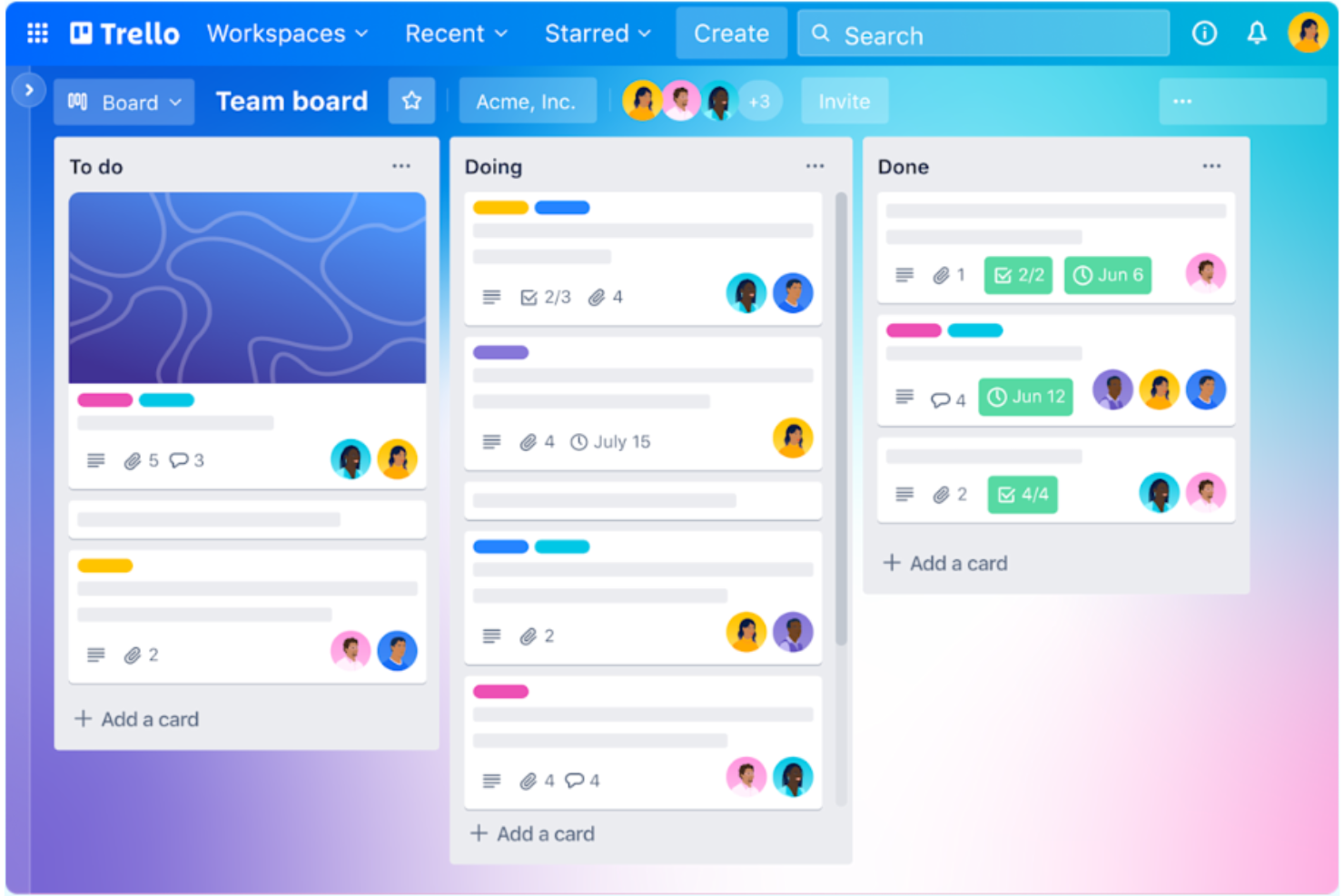
Per chi cerca una valida alternativa a ProductPlan, Trello si presenta come uno strumento di gestione progetti facile da usare che risponde alle esigenze di team diversi. Che tu faccia parte di un team marketing, gestione prodotto o una startup da remoto, Trello offre una piattaforma flessibile per gestire attività e progetti in modo visuale. Affronta la sfida di mantenere i team organizzati e allineati utilizzando bacheche, liste e schede per semplificare i flussi di lavoro e aumentare la produttività. Con funzionalità come l'automazione incorporata, le integrazioni con app popolari e modelli personalizzabili, Trello è ideale per team che vogliono mantenere chiarezza e concentrazione sugli obiettivi del progetto.
Perché ho scelto Trello
Ho scelto Trello come alternativa convincente a ProductPlan per le sue capacità di gestione visuale dei progetti che semplificano i flussi di lavoro complessi. Le bacheche in stile Kanban permettono al tuo team di visualizzare le attività attraverso varie fasi, offrendo chiarezza e concentrazione sull'avanzamento del progetto. Apprezzo anche la funzione di automazione Butler di Trello, che aiuta ad automatizzare attività ripetitive, risparmiando tempo prezioso e riducendo il lavoro manuale. Inoltre, i modelli personalizzabili di Trello offrono un'esperienza su misura per diversi tipi di progetto, assicurando che il tuo team possa adattarsi rapidamente alle diverse esigenze progettuali senza perdere un colpo.
Caratteristiche principali di Trello
Oltre alle funzionalità di gestione visuale dei progetti e automazione, Trello offre molte altre opzioni che lo rendono una valida alternativa a ProductPlan.
- Power-Ups: Queste sono integrazioni che permettono di collegare Trello con altri strumenti già utilizzati dal tuo team, aumentando la funzionalità senza dover cambiare piattaforma.
- Sistema di schede: Questa funzione consente di aggiungere dettagli, date di scadenza, commenti e allegati alle singole attività, garantendo che tutte le informazioni rilevanti siano facilmente accessibili.
- Collaborazione in team: Gli strumenti collaborativi di Trello permettono ai membri del team di commentare, taggare colleghi e condividere file direttamente all'interno della piattaforma, favorendo una migliore comunicazione.
- Accessibilità da mobile: Con l'app mobile di Trello, il tuo team può gestire attività e restare aggiornato sull'avanzamento dei progetti ovunque si trovi, garantendo flessibilità e continuità.
Integrazioni Trello
Le integrazioni includono Slack, Microsoft Teams, Google Drive, Dropbox, Evernote, GitHub, Jira, Confluence, Salesforce e Google Calendar.
Pros and Cons
Pros:
- Struttura dei prezzi accessibile adatta a piccoli team e startup
- Modelli personalizzabili per adattarsi rapidamente a diversi tipi di progetto
- Le bacheche in stile Kanban offrono una visualizzazione intuitiva delle attività,
Cons:
- Nessun tracciamento delle dipendenze nativo
- Manca di funzionalità avanzate come il time tracking e i diagrammi di Gantt

Ideale per aziende tecnologiche di medie e grandi dimensioni
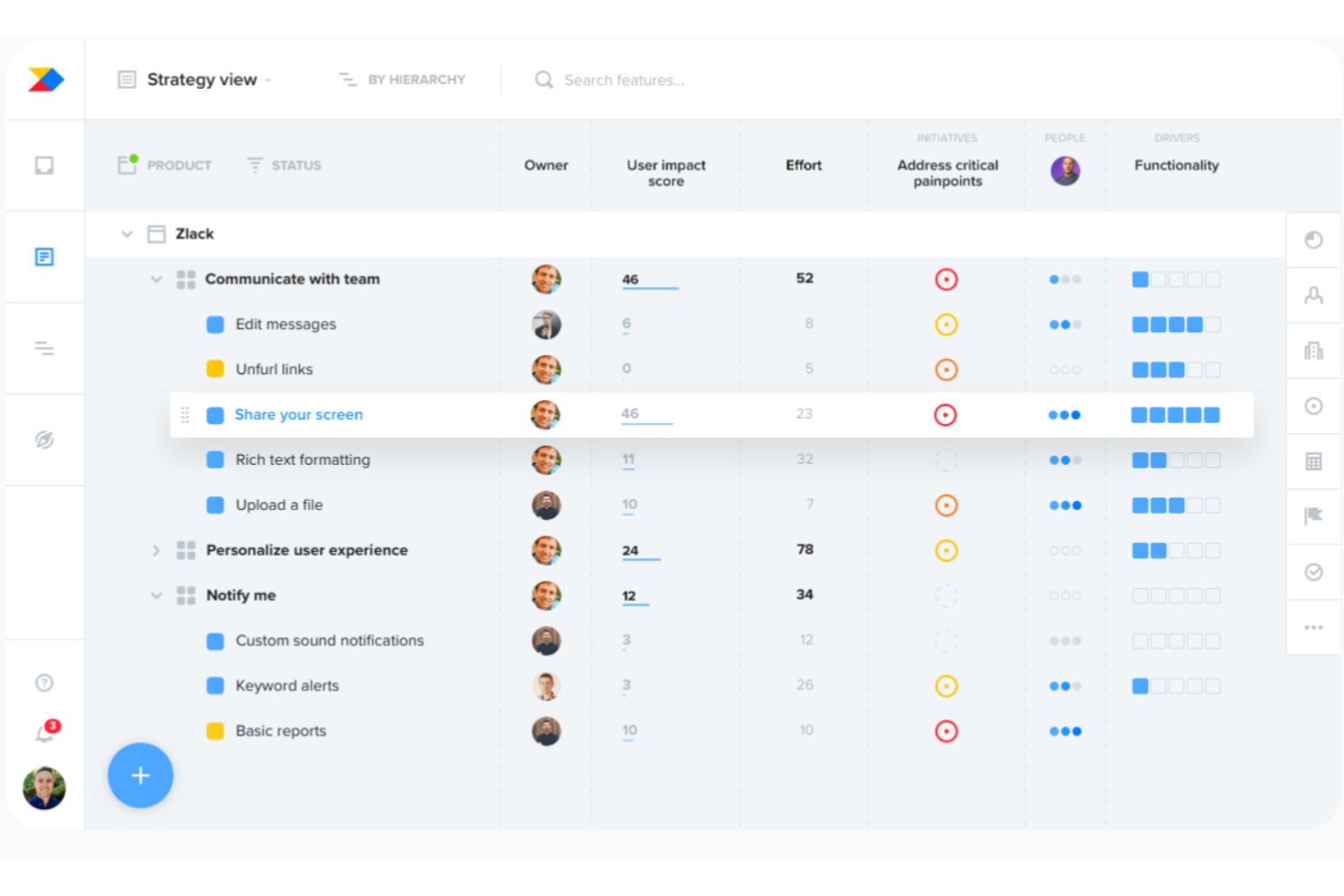
Per chi cerca un'alternativa versatile alle tradizionali soluzioni di pianificazione dei prodotti, Productboard offre un approccio Agile alla gestione del prodotto che mette al centro le intuizioni dei clienti. È particolarmente interessante per i product manager e i team all'interno di aziende tecnologiche di medie e grandi dimensioni che desiderano allineare le proprie strategie alle richieste del mercato. Consolidando il feedback degli utenti e semplificando il processo di prioritizzazione, Productboard aiuta i team a concentrarsi sui compiti a maggiore impatto, assicurando che i prodotti sviluppati rispecchino davvero le esigenze degli utenti.
Perché ho scelto Productboard
Ho scelto Productboard per la sua capacità di dare priorità alle funzionalità sulla base delle reali esigenze degli utenti, un aspetto fondamentale per chi considera alternative a ProductPlan. Con la sua matrice unica per la prioritizzazione delle funzionalità, puoi facilmente visualizzare quali caratteristiche avranno il maggiore impatto, consentendoti di prendere decisioni informate. Inoltre, il portale per il feedback degli utenti centralizza le intuizioni dei clienti, aiutando il tuo team a rimanere allineato con ciò che conta davvero per i tuoi utenti. Queste funzionalità risolvono la sfida di garantire che lo sviluppo del prodotto sia sia centrato sull'utente sia strategicamente valido.
Funzionalità principali di Productboard
Oltre alla prioritizzazione delle funzionalità e alla raccolta del feedback degli utenti, Productboard offre diverse altre capacità che ne aumentano il valore come alternativa a ProductPlan.
- Visualizzazione della roadmap: Crea roadmap chiare e personalizzabili che allineano il tuo team e gli stakeholder sulla direzione strategica del prodotto.
- Obiettivi e Risultati Chiave (OKR): Imposta e monitora gli OKR direttamente in Productboard per assicurarti che gli sforzi del tuo team siano allineati con gli obiettivi aziendali più ampi.
- Segmentazione dei clienti: Suddividi e segmenta facilmente gli utenti per adattare le decisioni di prodotto in base a esigenze e preferenze specifiche dei clienti.
- Strumenti di collaborazione: Favorisci la collaborazione tra i vari reparti con strumenti di comunicazione integrati che mantengono tutti aggiornati.
Integrazioni di Productboard
Le integrazioni includono Jira, Trello, Slack, Salesforce, Microsoft Teams, Zendesk, Intercom, Google Workspace, GitHub e Asana. Productboard offre anche un'API aperta per integrazioni personalizzate.
Pros and Cons
Pros:
- Integrazione con strumenti popolari come Jira, Slack e GitHub
- Le capacità di segmentazione dei clienti aiutano a personalizzare le decisioni di prodotto sulle specifiche esigenze degli utenti
- La matrice di prioritizzazione delle funzionalità aiuta i team a concentrarsi su compiti ad alto impatto
Cons:
- Il modello di prezzo può essere proibitivo per team piccoli o startup
- I limiti di personalizzazione possono ostacolare una personalizzazione profonda

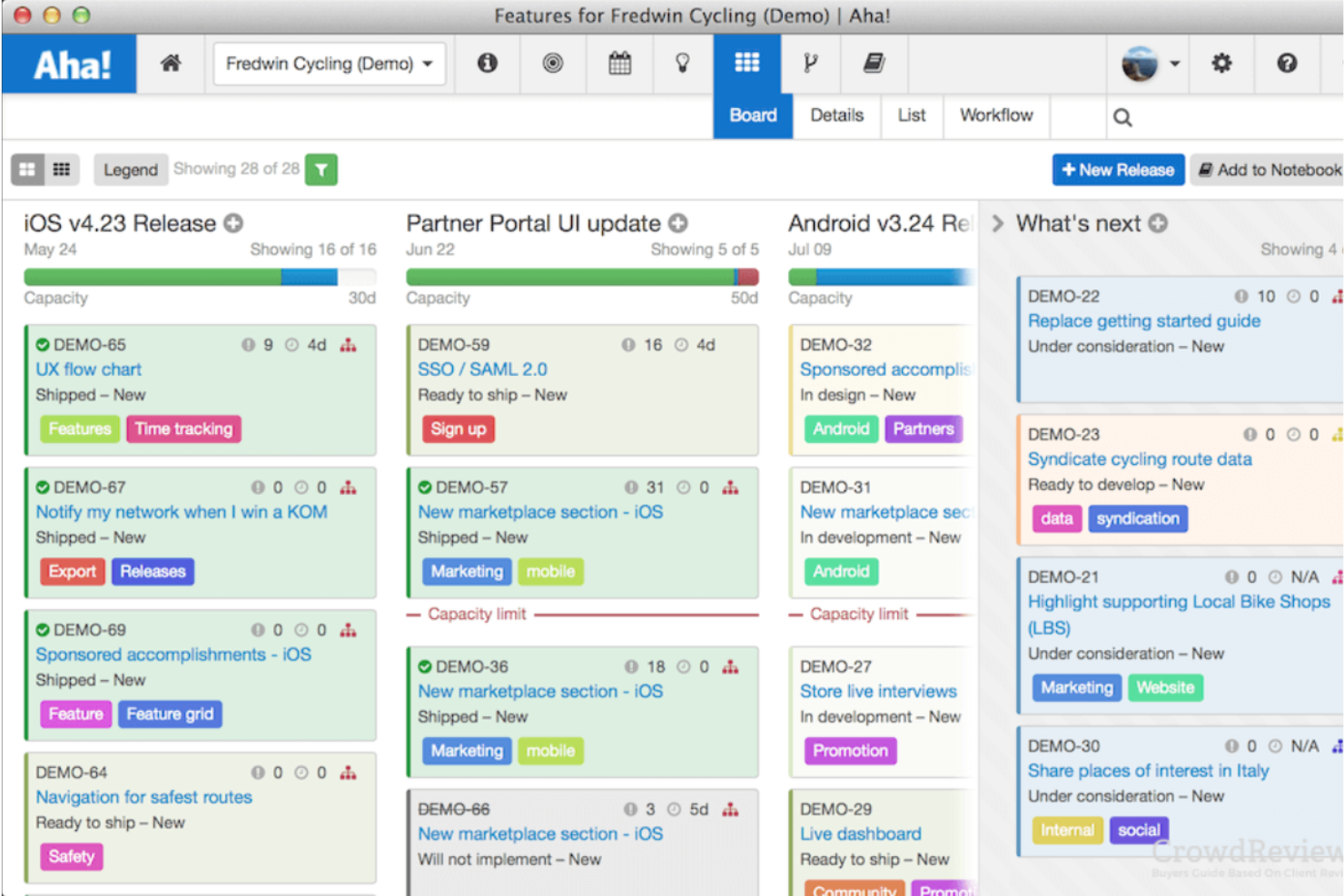
Aha! è uno strumento versatile di gestione del prodotto progettato per team che desiderano creare e gestire roadmap di prodotto dettagliate, allineando la loro strategia agli obiettivi aziendali. È particolarmente indicato per i product manager e i team che devono ottimizzare l'intero processo di sviluppo del prodotto, dalla scoperta iniziale alla consegna agile. Integrando la pianificazione strategica con i feedback dei clienti e l'esecuzione di progetti Agile, Aha! aiuta il tuo team a concentrarsi sulla realizzazione di prodotti che rispondono davvero alle esigenze del mercato e favoriscono la crescita del business.
Perché ho scelto Aha!
Ho scelto Aha! perché eccelle nel collegare la pianificazione strategica all'esecuzione, un aspetto chiave per chi cerca alternative a ProductPlan. Le roadmap di Aha! ti permettono di collegare direttamente la tua strategia di prodotto al processo di pianificazione, garantendo che gli sforzi del team siano allineati agli obiettivi aziendali. Inoltre, lo strumento di Prioritizzazione delle Funzionalità ti aiuta a classificare le funzioni in base al loro valore, così il tuo team può focalizzarsi sulle iniziative ad alto impatto. Infine, la funzione Customer Insights centralizza i feedback, permettendoti di integrare dati reali degli utenti nelle decisioni di prodotto, fondamentale per creare soluzioni che colpiscano il tuo pubblico.
Caratteristiche principali di Aha!
Oltre alle sue capacità di allineamento strategico e prioritizzazione, Aha! offre numerose funzionalità che migliorano la produttività e la collaborazione del team.
- Pianificazione della capacità: Questa funzionalità consente di gestire il carico di lavoro del team visualizzando la capacità rispetto alle risorse disponibili, aiutando a evitare sovraccarichi e a garantire che le tempistiche di progetto siano realistiche.
- Gestione delle release: Con questa funzione puoi organizzare e monitorare tutti gli aspetti del rilascio di un prodotto, dalla definizione delle tempistiche al monitoraggio dei progressi, assicurando che il team rispetti le scadenze.
- Visualizzazione delle roadmap: Questi strumenti visivi permettono di creare roadmap personalizzabili che comunicano chiaramente i piani di prodotto e le tempistiche agli stakeholder.
- Integrazione con strumenti di sviluppo: Aha! si integra perfettamente con strumenti di sviluppo popolari come Jira e Azure DevOps, consentendo al tuo team di mantenere un flusso di lavoro fluido tra le piattaforme.
Integrazioni di Aha!
Le integrazioni includono Asana, Jira, GitHub, Microsoft Teams, Google Calendar, Trello, Microsoft Outlook, Salesforce, Zoom e Zapier.
Pros and Cons
Pros:
- Strumenti di prioritizzazione basati sui dati
- Ottime funzionalità per la creazione di roadmap
- Gli strumenti di gestione delle release permettono un monitoraggio dettagliato dei lanci di prodotto
Cons:
- Può essere complesso da configurare
- Alcuni utenti trovano il modello di prezzo, che è per utente, costoso rispetto ad altri strumenti


Se stai cercando un'alternativa a ProductPlan, ProdPad offre un approccio innovativo alla gestione dei prodotti, puntando su collaborazione e integrazione del feedback. Questo strumento è particolarmente adatto a team di piccole e medie dimensioni che danno valore alla semplicità e necessitano di una soluzione in grado di risolvere problemi come la comunicazione frammentata e le roadmap di prodotto poco chiare. Grazie a funzionalità come una pianificazione intuitiva delle roadmap e l'integrazione nativa con strumenti popolari, ProdPad aiuta il tuo team a gestire il ciclo di vita del prodotto in modo efficiente, dall'ideazione al lancio, garantendo che il prezioso feedback dei clienti diventi parte integrante dello sviluppo del prodotto.
Perché ho scelto ProdPad
Ho scelto ProdPad come alternativa interessante a ProductPlan per il suo focus unico sull'integrazione del feedback dei clienti direttamente nel processo di sviluppo del prodotto. Questo può essere utile per i team che faticano ad allineare la roadmap alle reali esigenze degli utenti. La funzione di Gestione delle Idee di ProdPad permette di catturare e dare priorità alle idee provenienti da diverse fonti, assicurando che il prodotto si evolva sulla base del feedback reale. Inoltre, il suo strumento di visualizzazione della roadmap offre chiarezza e allineamento al team, aiutando a mantenere il focus sugli obiettivi strategici e ad adattarsi ai cambiamenti delle richieste degli utenti.
Caratteristiche principali di ProdPad
Oltre ai suoi punti di forza nell'integrazione del feedback e nella pianificazione delle roadmap, ProdPad offre diverse altre funzionalità che potrebbero interessarti:
- Obiettivi e Risultati Chiave (OKR): Allinea gli sforzi del tuo team con gli obiettivi strategici impostando e monitorando gli OKR direttamente in ProdPad.
- Personas utente: Crea personas dettagliate per comprendere e indirizzare meglio il tuo pubblico, garantendo che il prodotto soddisfi le esigenze dei diversi segmenti di clientela.
- Gestione del flusso di lavoro: Personalizza i flussi di lavoro in base ai processi del tuo team, per una collaborazione e una gestione delle attività più fluide.
- Pianificazione delle release: Pianifica e gestisci le release di prodotto in modo efficace, mantenendo il tuo team informato e allineato su scadenze e deliverable.
Integrazioni di ProdPad
Le integrazioni includono Jira, Slack, Salesforce, Trello, GitHub, Confluence, Microsoft Teams, Azure DevOps, Intercom e Google Workspace.
Pros and Cons
Pros:
- Opzioni flessibili per la pianificazione delle roadmap
- Adattabile ai cambiamenti del mercato
- Favorisce la collaborazione tramite la gestione delle idee e la raccolta del feedback
Cons:
- Mancano funzionalità avanzate di gestione delle risorse, rendendo necessario l'uso di software aggiuntivi
- La personalizzazione di roadmap e template può essere piuttosto limitata


Per i team che cercano un'alternativa valida a ProductPlan, Roadmunk offre una soluzione versatile che migliora la collaborazione e l'allineamento strategico. Si rivolge ai team ad alte prestazioni offrendo funzionalità come la raccolta dei feedback, modelli di roadmap personalizzabili e integrazioni fluide con strumenti come Jira e Azure DevOps. Questo lo rende una scelta eccellente per le organizzazioni che mirano ad allineare le proprie strategie con i feedback dei clienti, gestendo efficacemente le idee di prodotto.
Perché ho scelto Roadmunk
Ho scelto Roadmunk come una delle migliori alternative a ProductPlan per il suo focus unico sulla gestione collaborativa delle roadmap e l'integrazione dei feedback. La funzionalità che permette di raccogliere e dare priorità ai feedback dei clienti direttamente all'interno della piattaforma aiuta a garantire che lo sviluppo del prodotto sia in linea con le esigenze degli utenti. Inoltre, gli strumenti di visualizzazione delle roadmap di Roadmunk offrono una varietà di modelli che si adattano a diverse esigenze di pianificazione strategica, consentendo al team di comunicare chiaramente i piani tra i vari dipartimenti. Questa combinazione di integrazione dei feedback e roadmap personalizzabili lo rende una scelta interessante per i team che vogliono migliorare la collaborazione interfunzionale e la chiarezza strategica.
Funzionalità principali di Roadmunk
Oltre alla gestione collaborativa delle roadmap, Roadmunk offre una serie di funzionalità che lo rendono un forte concorrente tra le alternative a ProductPlan.
- Viste Timeline e Swimlane: Queste visualizzazioni permettono al tuo team di vedere le roadmap in diversi formati, aiutando a comunicare in modo chiaro tempi e dipendenze.
- Monitoraggio delle Milestone: Questa funzione ti permette di impostare e monitorare le principali milestone all'interno dei progetti, assicurando che il team resti sulla strada giusta e rispetti le scadenze più importanti.
- Opzioni di Esportazione e Condivisione: Grazie a diverse opzioni di esportazione e condivisione, il tuo team può facilmente distribuire le roadmap in vari formati, facilitando la comunicazione e l'allineamento con gli stakeholder.
- Strumenti di Prioritizzazione: Roadmunk fornisce quadri di prioritizzazione che aiutano il tuo team a prendere decisioni informate su quali funzionalità o progetti affrontare per primi.
Integrazioni di Roadmunk
Le integrazioni includono Jira, Azure DevOps, Trello, Slack, Microsoft Teams, Google Sheets, GitHub, Salesforce, Zapier, Aha! e un'API per integrazioni personalizzate.
Pros and Cons
Pros:
- Monitoraggio delle milestone integrato per tenere sotto controllo le scadenze chiave
- Viste della roadmap personalizzabili inclusi timeline e swimlane
- Supporta la collaborazione in tempo reale, permettendo ai team di apportare aggiornamenti simultanei
Cons:
- Il prezzo potrebbe essere un limite per piccole imprese o startup
- Può mancare di personalizzazione dettagliata per attività di progetto più complesse


Per i team che cercano un'alternativa affidabile agli strumenti tradizionali di pianificazione del prodotto, Supahub offre una soluzione convincente trasformando i feedback dei clienti in approfondimenti attuabili. Si rivolge alle aziende che desiderano migliorare il proprio processo di sviluppo del prodotto, centralizzando la raccolta e la prioritizzazione dei feedback. Le bacheche intuitive di Supahub e le roadmap di prodotto permettono di visualizzare le fasi di sviluppo e di concentrarsi sulle funzionalità ad alta priorità. Con funzionalità come il sistema di votazione e il changelog del prodotto, aiuta a tenere informati i clienti allineando gli sforzi del team alle priorità guidate dagli utenti. Che tu sia una piccola impresa o un'azienda in crescita, la flessibilità e la facilità d'uso di Supahub lo rendono una risorsa preziosa per affinare le strategie di prodotto.
Perché ho scelto Supahub
Ho scelto Supahub per la sua capacità unica di trasformare il feedback dei clienti in una risorsa strategica per la pianificazione del prodotto. Una caratteristica che si distingue è la presenza di bacheche di feedback che consentono di raccogliere e dare priorità agli spunti forniti direttamente dalla clientela, assicurando che lo sviluppo del prodotto sia in linea con le reali esigenze degli utenti. Inoltre, apprezzo il sistema di votazione, che consente ai clienti di esprimere le proprie preferenze, aiutandoti a identificare quali funzionalità apporteranno il maggior valore. Questo approccio non solo mantiene il team concentrato sugli sviluppi ad alto impatto, ma favorisce anche un senso di community e coinvolgimento tra gli utenti.
Caratteristiche principali di Supahub
Oltre alle funzionalità di punta menzionate in precedenza, Supahub offre molteplici altre funzioni che migliorano l'esperienza di pianificazione del prodotto:
- Roadmap di prodotto: Visualizza le fasi di sviluppo del prodotto, aiutando il team a rimanere allineato su obiettivi e tempistiche.
- Gestione changelog: Tieni gli utenti informati sugli aggiornamenti e sulle nuove funzionalità, creando trasparenza e fiducia.
- Widget personalizzabili: Personalizza l'interfaccia dei feedback e della pianificazione in base al flusso di lavoro e alle preferenze estetiche del tuo team.
Analisi e report: Ottieni informazioni sull'engagement degli utenti e sulle prestazioni delle funzionalità, consentendoti di prendere decisioni basate sui dati per sviluppi futuri.
Integrazioni di Supahub
Le integrazioni includono Slack, Jira, Trello, GitHub, Zendesk, Asana, Microsoft Teams, Google Workspace, Salesforce e Zapier.
Pros and Cons
Pros:
- Il sistema di votazione dà voce alle preferenze dei clienti, aumentando il coinvolgimento degli utenti
- Il supporto multilingue consente a una base utenti globale di interagire con la piattaforma nella propria lingua preferita
- I widget personalizzabili consentono ai team di adattare l'interfaccia ai flussi di lavoro specifici
Cons:
- Funzionalità avanzate di project management limitate
- Le opzioni di integrazione sono piuttosto limitate e possono complicare i flussi di lavoro

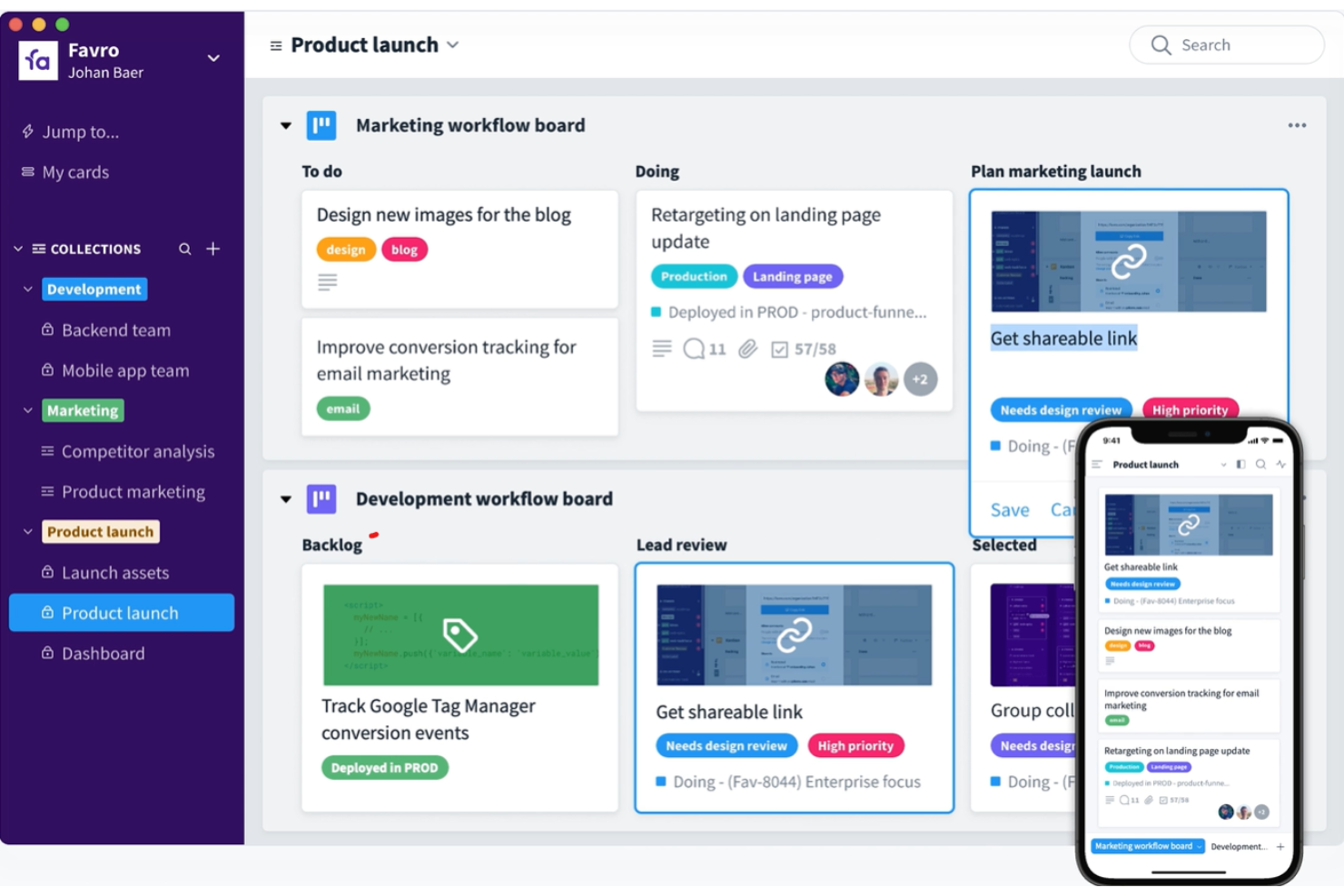
Favro offre una piattaforma versatile per i team che cercano un'alternativa a ProductPlan, in particolare nei settori tecnologico e videoludico. Permette al tuo team di gestire flussi di lavoro, automazioni e dashboard senza bisogno di supporto IT costante, rendendolo una scelta pratica per ambienti dinamici. La flessibilità di Favro nel supportare metodologie come Kanban e Scrumban può sostenere in modo significativo i processi di sviluppo prodotto e gestione dei programmi, affrontando la sfida del coordinamento di progetti complessi tra diversi team e livelli manageriali.
Perché ho scelto Favro
Ho scelto Favro come alternativa ideale a ProductPlan grazie al suo supporto per le metodologie Agile, che può migliorare notevolmente la capacità del team di adattarsi e rispondere ai cambiamenti. Con le sue board Kanban personalizzabili e le funzionalità Scrumban, il tuo team può visualizzare e gestire i flussi di lavoro con maggiore chiarezza e precisione. Inoltre, la capacità unica di Favro di integrare sia la pianificazione che la gestione delle attività su un'unica piattaforma elimina la difficoltà di dover utilizzare più strumenti, consentendo al team di rimanere focalizzato e coeso durante l'intero ciclo di vita del progetto. Queste caratteristiche rendono Favro una scelta interessante per i team che desiderano migliorare coordinamento e produttività.
Caratteristiche chiave di Favro
Oltre al supporto Agile, Favro offre numerose altre funzionalità che possono essere molto utili al tuo team quando si valutano alternative a ProductPlan.
- Collaborazione in tempo reale: Questa funzionalità consente al team di collaborare su attività e progetti simultaneamente, assicurando che tutti siano sempre aggiornati sulle ultime modifiche e novità.
- Visualizzazione a timeline: Grazie alla vista timeline, puoi monitorare facilmente le principali scadenze e traguardi del progetto, ottenendo una chiara rappresentazione visiva dei progressi.
- Flussi di lavoro automatizzati: Le automazioni di Favro si occupano delle attività ripetitive, lasciando al team più tempo per concentrarsi su attività strategiche.
- Gestione multi-progetto: Questa funzionalità consente di supervisionare diversi progetti all'interno della stessa piattaforma, facilitando l'allocazione delle risorse e mantenendo una panoramica di tutte le attività in corso.
Integrazioni Favro
Le integrazioni native più popolari con Favro includono Slack, Google Drive, Jira, Miro, Microsoft OneDrive, Google Calendar, GitLab, GitHub, Microsoft Outlook Calendar e OneLogin.
Pros and Cons
Pros:
- Flussi di lavoro altamente personalizzabili
- Funzionalità di collaborazione in tempo reale
- Adatto sia a piccoli che grandi team
Cons:
- Funzionalità limitate nel piano Lite
- Il prezzo può essere elevato per i team piccoli

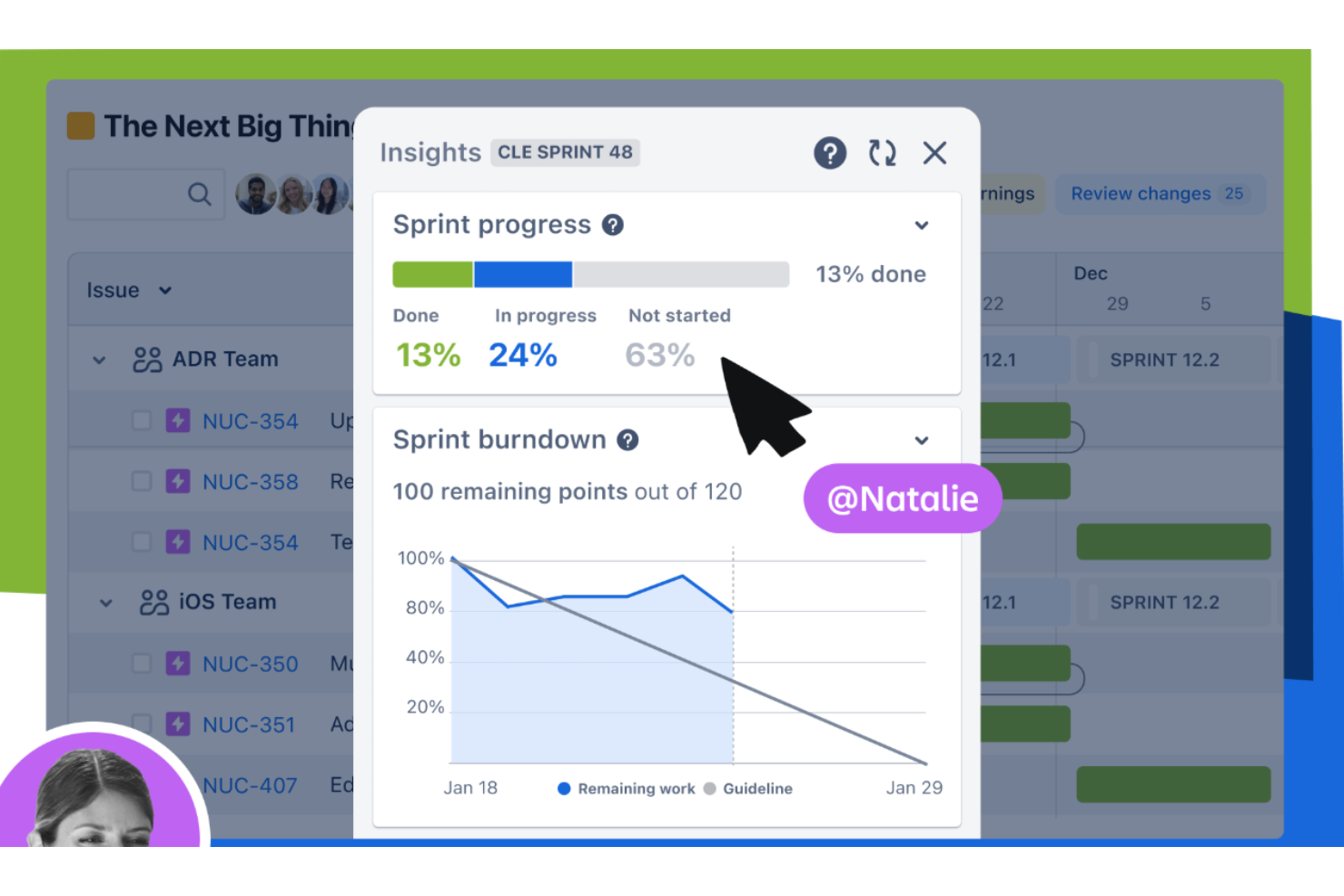
Se stai cercando uno strumento che si allinei alle metodologie Agile del tuo team e offra funzionalità meticolose di tracciamento dei problemi, Jira potrebbe essere la soluzione che stai cercando. Progettato specificamente per i product manager e i team di sviluppo software, Jira facilita la pianificazione, il monitoraggio e la collaborazione sui progetti. Permette al tuo team di gestire attività, epiche e storie in modo efficace, offrendo chiarezza e visibilità sui tuoi progetti, utile per mantenere tutti allineati.
Perché ho scelto Jira
Ho scelto Jira per la sua incomparabile capacità di supportare la gestione dei progetti Agile, rendendolo una valida alternativa a ProductPlan. Grazie a funzionalità come i flussi di lavoro personalizzabili, Jira consente al tuo team di adattare i processi alle esigenze specifiche del progetto, garantendo allineamento ed efficienza. Un altro punto di forza è la sua sofisticata gestione del backlog, che aiuta a dare priorità alle attività e alle storie, mantenendo il team concentrato su ciò che conta di più. Queste caratteristiche affrontano le principali sfide della pianificazione dei prodotti fornendo struttura e chiarezza a progetti complessi.
Caratteristiche principali di Jira
Oltre alla sua capacità di gestione Agile dei progetti, Jira offre una gamma di funzionalità che possono migliorare l'esperienza di pianificazione del prodotto.
- Reportistica avanzata: Ottieni informazioni sulle prestazioni del tuo team con una varietà di report personalizzabili, aiutandoti a prendere decisioni basate sui dati.
- Visualizzazione delle roadmap: Visualizza la sequenza temporale e l'avanzamento del tuo progetto con roadmap intuitive, mantenendo tutti allineati su obiettivi e traguardi.
- Schemi di autorizzazione: Controlla l'accesso e garantisci la sicurezza impostando dettagliati schemi di autorizzazione che si adattano alle esigenze del tuo team.
- Regole di automazione: Automatizza le attività ripetitive con regole personalizzabili, liberando il tuo tempo per attività di pianificazione più strategiche.
Integrazioni di Jira
Le integrazioni includono GitHub, Figma, Miro, Clockify, Jenkins, Sentry, Lucidchart, Adobe XD, Trello e Slack.
Pros and Cons
Pros:
- Supporta vari framework Agile come Scrum e Kanban, permettendo ai team di personalizzare i flussi di lavoro
- Funzionalità avanzate di reportistica e analytics come dashboard personalizzabili
- Ampie opzioni di integrazione per soddisfare esigenze specifiche dell'utente
Cons:
- Le funzioni avanzate necessarie per i grandi team hanno un costo significativo
- La mancanza di funzionalità di gestione delle risorse può limitarne l'efficacia
Altre alternative a ProductPlan
Ecco alcune ulteriori alternative a ProductPlan che non sono entrate nella mia shortlist, ma che vale comunque la pena considerare:


Come Valuto le Alternative a ProductPlan
Esamino due livelli: i requisiti di base—visualizzazioni della roadmap, sincronizzazione con Jira, condivisione con gli stakeholder—e i fattori differenzianti come AI, pianificazione del portafoglio o prezzi che si adattano a diversi team.
Funzionalità Principali (Requisiti Fondamentali per Questo Elenco)
Quando seleziono gli strumenti per il mio elenco, valuto ognuno su una scala da 0 (non offre la funzionalità) a 5 (eccelle in questo ambito) per ciascuna delle funzionalità principali elencate di seguito. Successivamente, calcolo il punteggio totale dello strumento convertendolo in percentuale. Ogni tool deve raggiungere un punteggio totale minimo del 65% per essere preso in considerazione per l'inclusione.
- Roadmapping Visivo: Controllo la presenza di più tipologie di visualizzazione—timeline, swimlane, now/next/later, kanban—e se i team possono filtrare, raggruppare e personalizzare i layout per vari tipi di pubblico.
- Framework di Prioritizzazione: I modelli di punteggio integrati come RICE o il punteggio ponderato contano molto, soprattutto quando i PM devono giustificare compromessi durante i cicli di pianificazione.
- Allineamento con gli Obiettivi Strategici: Valuto se uno strumento può collegare le voci della roadmap a OKR, temi o iniziative in modo che la leadership possa vedere come le funzionalità si ricollegano alla strategia aziendale.
- Integrazioni con Strumenti di Ingegneria: Cerco la sincronizzazione bidirezionale con strumenti come Jira, Azure DevOps o Linear—aggiornamenti di stato e mappatura dei campi che mantengono la roadmap aggiornata automaticamente.
- Condivisione e Collaborazione con Stakeholder: Analizzo la facilità con cui un PM può condividere una vista personalizzata con dirigenti, vendite o clienti tramite permessi, modalità presentazione o link a portali.
- Raccolta Feedback dai Clienti: La capacità di raccogliere richieste di funzionalità, collegarle agli elementi della roadmap e utilizzare questi segnali durante la prioritizzazione distingue i tool avanzati da quelli di base.
Una volta che ho una lista di strumenti che soddisfano questi criteri, valuto cosa distingue ogni piattaforma.
Fattori Differenzianti (Cosa Distingue i Fornitori)
Ecco come confronto i vari fornitori:
Funzionalità Distintive
Le roadmap a livello di portafoglio sono fondamentali quando si gestiscono più prodotti—valuto se uno strumento può riunire più roadmap individuali in una vista esecutiva unificata che un CPO possa presentare al consiglio. Anche le funzionalità di AI sono interessanti, soprattutto quando aiutano a redigere PRD o riassumere grandi volumi di feedback dai clienti nella fase di discovery. Considero anche la pianificazione della capacità, perché una roadmap che ignora la disponibilità del team diventa presto una finzione dopo il primo sprint.
Oltre le Funzionalità
La struttura dei prezzi è una delle prime cose che verifico: alcuni strumenti fanno pagare per editor e consentono la visualizzazione gratuita delle roadmap a spettatori illimitati, altri invece fanno pagare per ogni accesso, indipendentemente dal ruolo, un costo che può sommarsi velocemente quando si condivide con vendite e dirigenza. Valuto anche la rapidità con cui un team può iniziare a lavorare. Il supporto per la migrazione da uno strumento esistente e una solida libreria di template possono ridurre l'onboarding da settimane a pochi giorni. Per gli acquirenti enterprise, considero i controlli di governance come SSO, provisioning SCIM e audit log.
Funzionalità di ProductPlan: confronto con i software alternativi per roadmap
Ecco alcune delle principali funzionalità di ProductPlan, per aiutarti a confrontare cosa offrono le soluzioni alternative:
- Creazione di roadmap visive: Progetta roadmap intuitive che offrono al tuo team una visione d'insieme della strategia di prodotto, rendendo anche i piani più complessi facilmente accessibili e concretizzabili.
- Interfaccia drag-and-drop: Modifica facilmente attività o tempistiche, consentendo al tuo team di lavorare in ottica Agile e adattarsi alle priorità in evoluzione senza perdere il focus.
- Monitoraggio dei traguardi: Mantieni il team allineato seguendo graficamente l'avanzamento verso gli obiettivi cruciali, garantendo il rispetto delle scadenze in modo efficiente. Hai un budget limitato? Scopri il nostro elenco dei migliori software gratuiti per il monitoraggio delle milestone.
- Strumenti di prioritizzazione: Valuta e classifica le iniziative per concentrarti su ciò che conta davvero, migliorando così i processi decisionali nella gestione del prodotto.
- Workspace collaborativo: Favorisci la collaborazione in tempo reale fra team e stakeholder in uno strumento per roadmap basato su cloud, garantendo allineamento e coinvolgimento.
- Roadmap condivisibili: Migliora la comunicazione tra reparti o con partner esterni condividendo roadmap chiare e concise che riflettono gli ultimi aggiornamenti di piano.
- Libreria di template: Utilizza modelli predefiniti basati sulle best practice del settore, risparmiando tempo e aiutando il team ad adottare formati di roadmap già validati.
- Campi personalizzati: Adatta le roadmap alle esigenze specifiche del tuo team aggiungendo dati particolari o metriche, creando un'esperienza su misura per la gestione di prodotto.
- Controlli di accesso sicuri: Proteggi i dati sensibili con permessi personalizzabili, assicurando che solo le persone giuste possano visualizzare o modificare le roadmap.
- Accesso API: Integra ProductPlan con i tuoi strumenti SaaS preferiti, come i prodotti Atlassian, per sincronizzare attività, backlog, priorità di prodotto e sprint per una gestione integrata del workflow di prodotto.
- Notifiche: Rimani aggiornato con avvisi che tengono il team allineato ai cambiamenti, così tutti lavorano sempre sulla versione più recente della roadmap.
- Gantt chart e bacheche Kanban: Visualizza attività e avanzamento con diversi formati, offrendo ai team la flessibilità di lavorare nel modo che preferiscono.
Combinando funzionalità come il monitoraggio dei traguardi, la gestione dell'innovazione, gli strumenti di prioritizzazione e i workspace collaborativi, ProductPlan offre una piattaforma completa di product management che aumenta chiarezza ed efficienza nel processo di roadmap e storyboard.
E ora?
Non dimenticare di iscriverti alla nostra newsletter per ricevere altre risorse e guide sulla gestione di prodotto, oltre ai podcast, alle interviste e agli approfondimenti più recenti dai leader e dagli esperti del settore.