

As melhores alternativas ao Webflow oferecem opções de design flexíveis, edição intuitiva, integrações poderosas e alojamento fiável em que pode confiar para o seu site. Se está à procura de alternativas ao Webflow, provavelmente procura um criador de sites fácil de utilizar, com maior liberdade de design, melhores opções de personalização e a facilidade de utilização necessária para criar tudo, desde um site simples até uma presença online complexa. Quer precise de funcionalidades avançadas de comércio eletrónico, capacidades mais robustas de criação de sites, melhor apoio ao cliente ou escalabilidade para fazer crescer o seu negócio, esta lista vai ajudá-lo a comparar as principais opções e a escolher a plataforma que melhor se adequa aos seus objetivos.
O que é o Webflow?
O Webflow é um criador de sites sem código que combina uma interface de design visual com capacidades robustas de CMS e alojamento. Permite-lhe conceber, criar e lançar sites personalizados sem escrever código, o que o torna popular entre designers, profissionais de marketing e empresas. Pode criar layouts responsivos, gerir conteúdos e implementar animações ou interações. O Webflow é adequado para equipas que pretendem ter controlo criativo sem depender de programadores para cada atualização.
Why Trust Our Software Recommendations
6,700+
Reviews
20
Industry experts
16+
Evaluation factors
14
Years
Our team has been testing and reviewing software since 2012. As product managers ourselves, we know how difficult—and important—it is to choose the right software.
For this guide, we evaluated tools using hands-on testing and independent research, scoring tools using our selection criteria.
Our reviews reflect our human editorial judgment, not a sales pitch.
Expert reviewers:
- Andrew LumbySenior TPM
- Cristiano ValimSenior UI/UX Lead


Tabela de comparação das alternativas ao Webflow
Esta tabela de comparação destaca os detalhes de preços das minhas principais alternativas ao Webflow.
| Tool | Best For | Trial Info | Price | ||
|---|---|---|---|---|---|
| 1 | Best for multi-client site management | Free plan + 14-day free trial + free demo available | From $8/month | Website | |
| 2 | Best for launching an ecommerce store site | 3-day free trial + free demo available | From $29/month (billed annually) | Website | |
| 3 | Best for agency client handover workflows | Free plan available | From $19/month (billed annually) | Website | |
| 4 | Best for WordPress site building without code | Free plan available | From $5/month (billed annually) | Website | |
| 5 | Best for exporting clean code from visual builds | Free plan available | Pricing upon request | Website | |
| 6 | Best for open-source, no-lock-in site ownership | Free plan + 14-day free trial available | From $15/month (billed annually) | Website | |
| 7 | Best for CRM-tied website and campaign analytics | 14-day free trial | From $20/month | Website | |
| 8 | Best for launching blogs with built-in newsletters | Free plan available | From $4/month (billed annually) | Website | |
| 9 | Best for MIT-licensed, self-hosted site ownership | Not available | Pricing upon request | Website | |
| 10 | Best for exporting Tailwind CSS site code | Free plan available | From $9/month | Website |


Análises das melhores alternativas ao Webflow
\u003cspan style=\u0022font-weight: 400\u0022\u003eApresento abaixo os meus resumos detalhados das melhores alternativas ao Webflow que chegaram à minha seleção. As minhas análises oferecem uma visão detalhada das funcionalidades, dos melhores casos de utilização e dos preços de cada plataforma, para o ajudar a encontrar a melhor opção para si.\u003c/span\u003e
 1Best for multi-client site management
Duda
- Free plan + 14-day free trial + free demo available
- From $8/month
Visit WebsiteCustomer Rating:4.6/5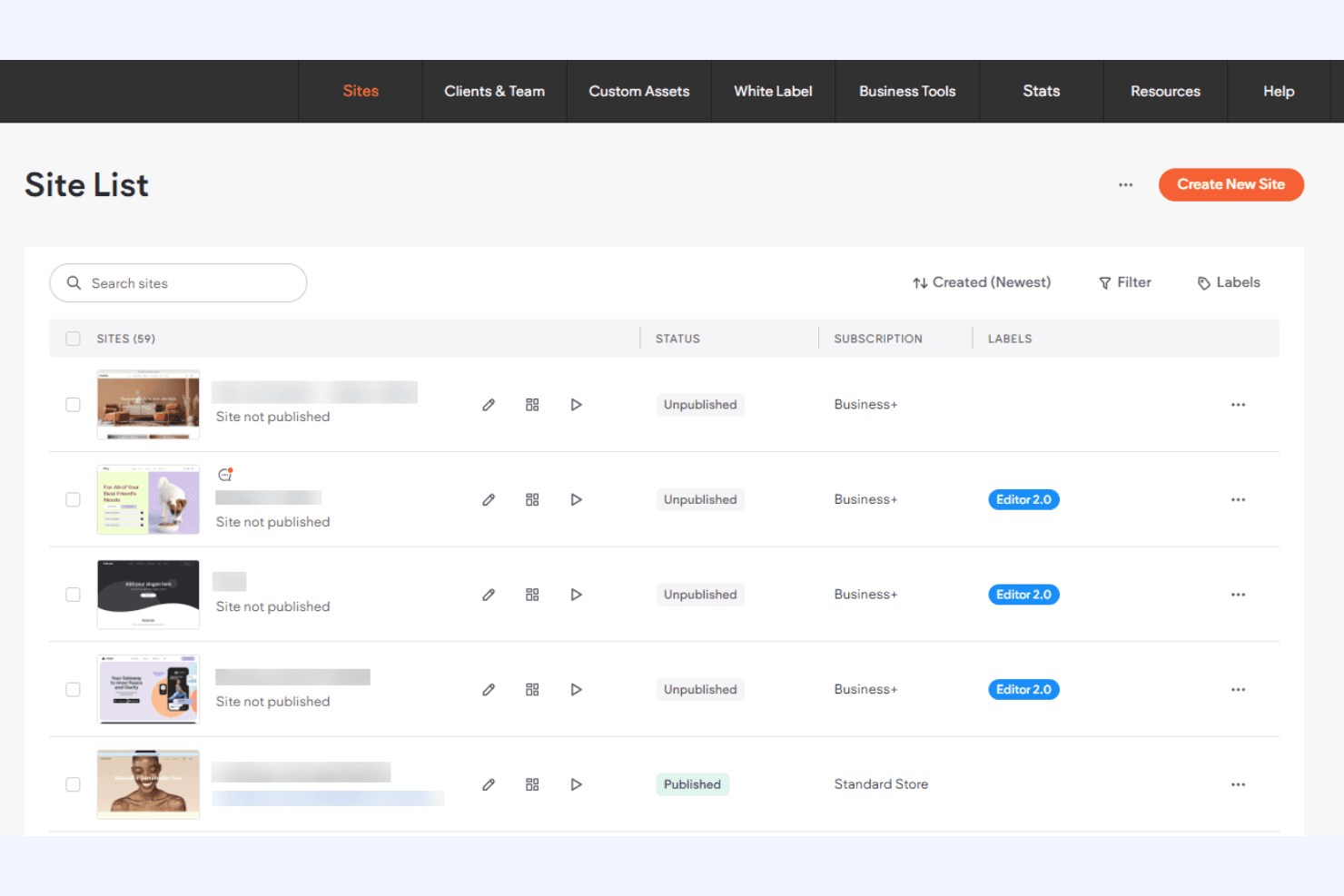
Duda helps agencies build, manage, and hand off client websites at scale. Duda is a no-code website builder for agencies and freelancers that need to create responsive client sites, simplify editing, and manage branded web experiences without Webflow’s development overhead.
Who Is Duda Best For?
Duda suits agencies and freelance web professionals who build and manage multiple client websites.
Why Duda Is a Good Best webflow Alternatives
I picked Duda because its multi-client site management tools fit agency workflows better than Webflow. I use reusable widgets, site duplication, and global sections to build consistent websites across client accounts. Role-based permissions also let clients edit approved content without changing layouts or brand settings.
Duda Key Features
- Responsive editor: Edit layouts for desktop, tablet, and mobile views.
- SEO tools: Manage page titles, meta descriptions, URLs, and redirects.
- Custom forms: Create contact, signup, and lead-generation forms.
- Ecommerce tools: Add products, manage orders, and configure payment options.
Duda Integrations
Duda lists integrations with Google Analytics, Google Calendar, Google Sheets, Airtable, PayPal, Mailchimp, Constant Contact, Mapbox, and HubSpot, with additional marketplace apps available through the Duda App Store. It also connects with Zapier and provides an API for custom integrations.
Pros and Cons
Pros:
- Role permissions protect approved client layouts
- Site duplication speeds up repeat builds
- Reusable widgets support consistent client sites
Cons:
- Platform migration can complicate site transfers
- Advanced interactions trail Webflow’s design control
Learn more about Duda: Best for launching an ecommerce store site
- 3-day free trial + free demo available
- From $29/month (billed annually)
Visit WebsiteCustomer Rating:4.5/5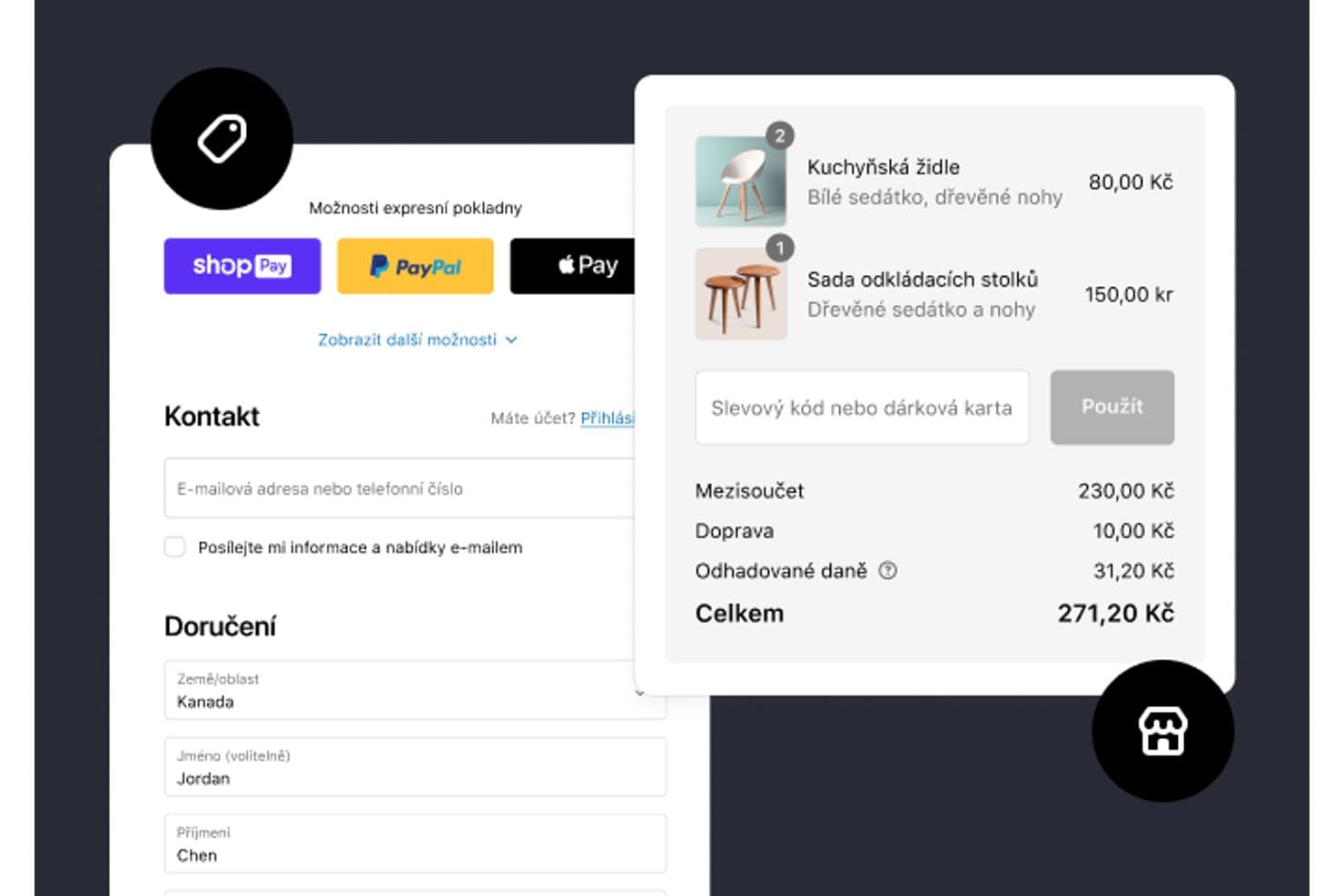
Shopify's checkout supports express payment and order summaries. Shopify is an ecommerce website builder for entrepreneurs and growing businesses that need to launch, manage, and scale online stores without stitching together separate tools.
Who Is Shopify Best For?
Shopify suits founders, small businesses, and growing retail teams that need to launch and manage an online store without building ecommerce infrastructure from scratch.
Why Shopify Is a Good Best webflow Alternatives
I picked Shopify because it’s built for launching an ecommerce store site, rather than adapting a general website builder. I use its product catalog, checkout, and inventory tools to turn a storefront into a working sales channel. Shopify also supports product selling across online and social channels from one admin.
Shopify Key Features
- Theme library: Choose from customizable storefront templates.
- Visual editor: Adjust page sections without coding.
- Custom domains: Connect a branded domain to your store.
- SEO controls: Edit titles, descriptions, URLs, and redirects.
Shopify Integrations
Shopify offers marketplace integrations through the Shopify App Store, including Klaviyo, Mailchimp, Google & YouTube, Facebook & Instagram, and Zapier. Shopify also provides Admin APIs for custom integrations.
Pros and Cons
Pros:
- Social selling extends storefront reach
- Inventory tools support growing retail operations
- Ecommerce-native checkout and product management
Cons:
- Advanced layouts often require theme editing
- Visual design control trails Webflow
Learn more about Shopify: Best for agency client handover workflows
- Free plan available
- From $19/month (billed annually)
Visit WebsiteCustomer Rating:4.2/5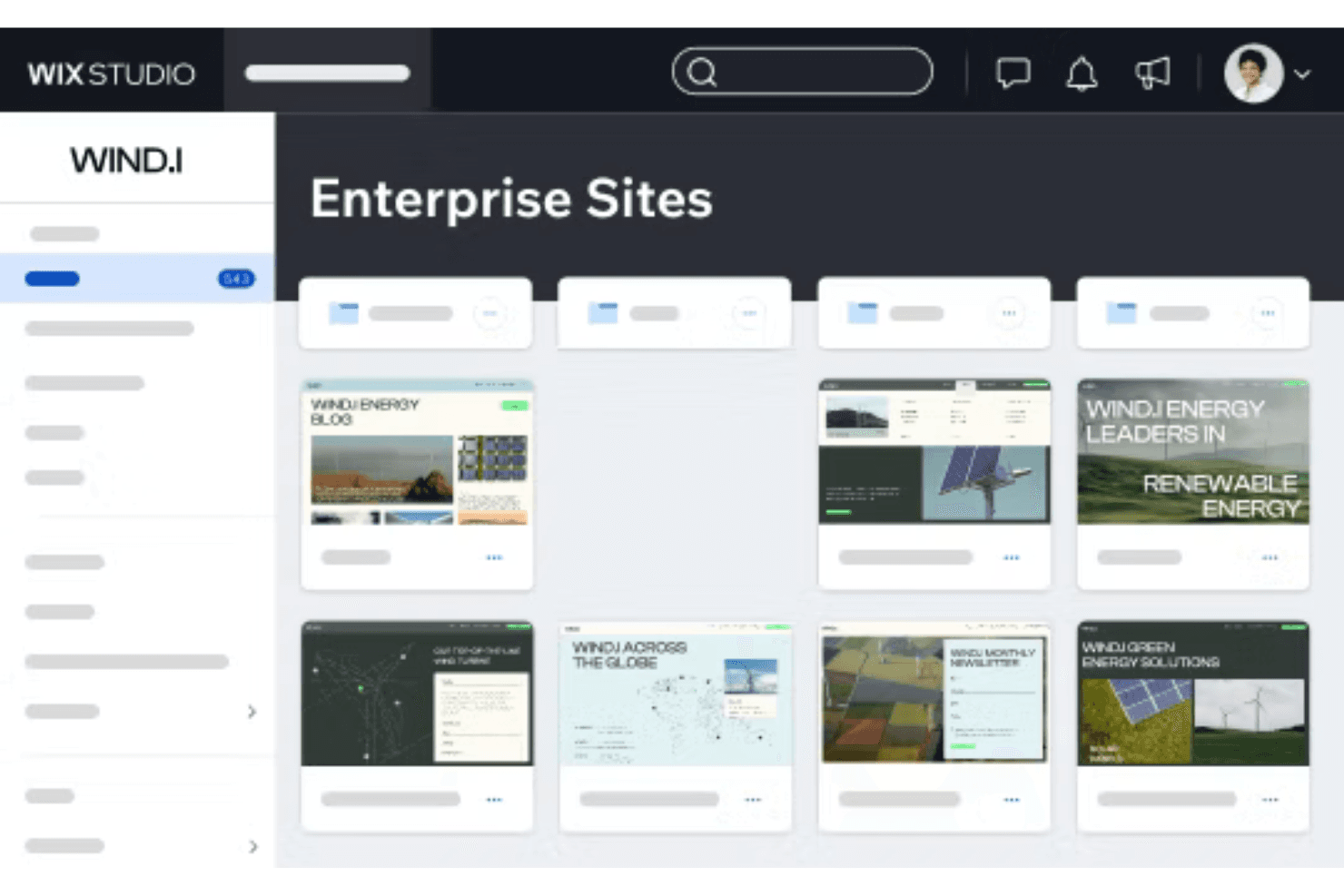
Wix Studio helps agencies design and manage multiple client websites. Wix Studio is a visual website builder for agencies, freelancers, and growing businesses that need responsive, custom sites, reusable design systems, and client-friendly editing without managing a complex development stack.
Who Is Wix Studio Best For?
Agencies and freelancers that build custom websites, then hand them over to clients for ongoing updates.
Why Wix Studio Is a Good Best webflow Alternatives
I picked Wix Studio because it’s Best for agency client handover workflows. I use responsive grids, custom breakpoints, and reusable design assets to build tailored client sites. Roles and permissions then let my team control access while clients make approved content updates after launch.
Wix Studio Key Features
- Drag-and-drop editor: Build pages visually without writing code.
- Content management system: Create and manage structured site content.
- SEO settings: Edit page titles, descriptions, and URL slugs.
- App Market: Add third-party apps for forms, bookings, and marketing.
Wix Studio Integrations
Wix Studio offers native integrations with Google Analytics, TikTok Pixel, Meta Pixel & CAPI, Google Tag Manager, Google Ads, Amazon, Instagram, Bing, and Google Business Profile, plus Zapier. It also supports more than 500 marketplace apps and Wix APIs for custom integrations.
Pros and Cons
Pros:
- Reusable assets support consistent multi-page systems
- Client roles limit accidental design changes
- Responsive breakpoint controls suit custom agency builds
Cons:
- Breakpoint changes can require repeated adjustments
- Sites cannot export cleanly to other hosts
Learn more about Wix Studio: Best for WordPress site building without code
- Free plan available
- From $5/month (billed annually)
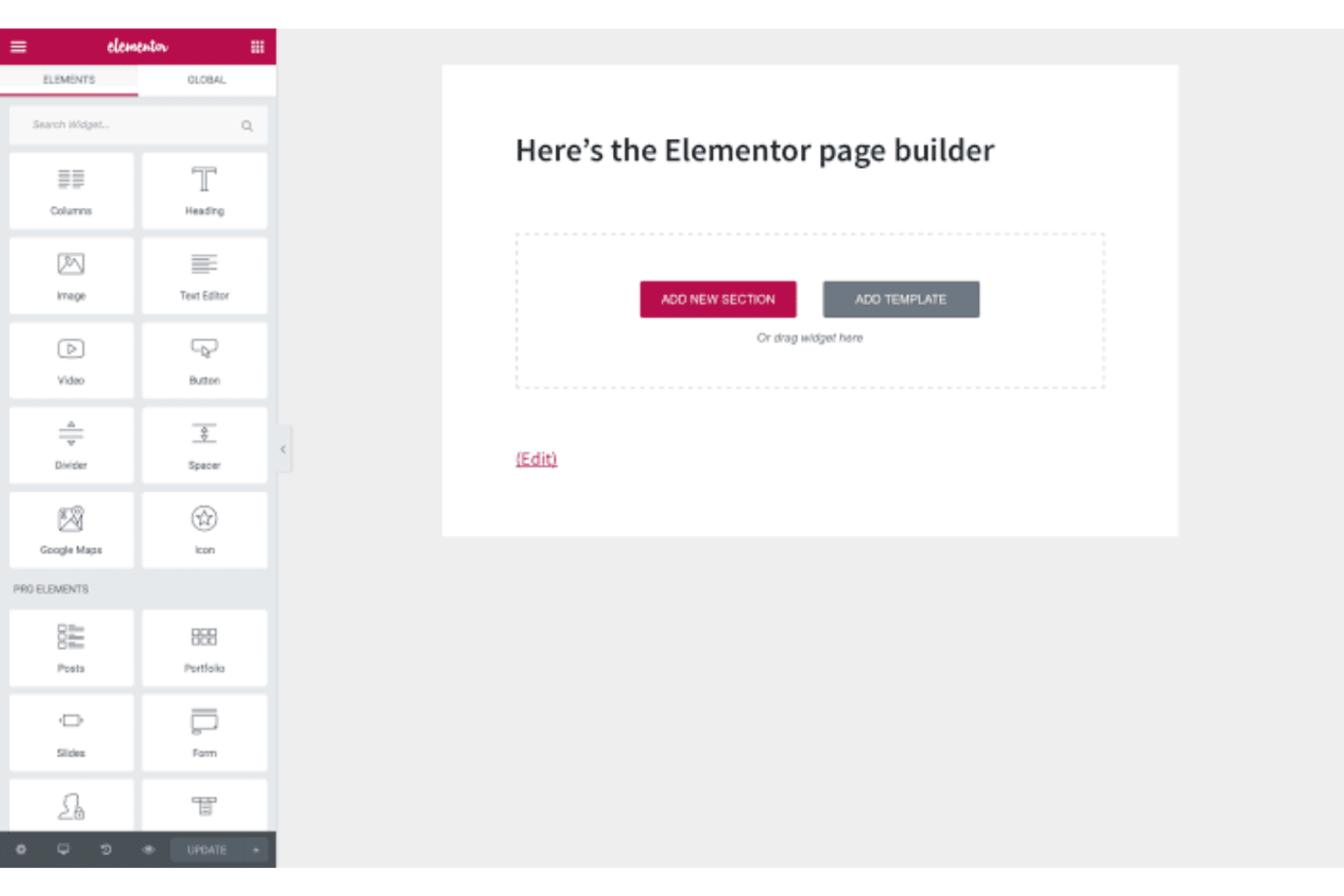
Elementor lets teams build custom WordPress sites with drag-and-drop tools. Elementor is a visual WordPress website builder for businesses, marketers, and creators who need to design responsive pages without coding or relying on developers for every update.
Who Is Elementor Best For?
Small marketing teams that need to create and update WordPress landing pages without relying on developers.
Why Elementor Is a Good Best webflow Alternatives
I picked Elementor because it supports WordPress site building without code through a visual editor and reusable page templates. I use its responsive controls to adjust landing page layouts across desktop, tablet, and mobile views. Its Theme Builder also lets my team manage headers, footers, and dynamic content from one WordPress workspace.
Elementor Key Features
- Form widget: Add customizable contact and lead-capture forms to pages.
- Popup builder: Create popups for promotions, announcements, and subscriptions.
- Motion effects: Configure scrolling effects, entrance animations, and sticky elements.
- Custom CSS: Apply custom CSS rules to individual elements or pages.
Elementor Integrations
Elementor offers native form integrations with ActiveCampaign, AWeber, ConvertKit, HubSpot, Mailchimp, and MailerLite, and connects with Zapier.
Pros and Cons
Pros:
- Reusable templates speed landing-page production
- Theme Builder controls global site regions
- WordPress-native visual editing without code
Cons:
- Updates sometimes introduce compatibility issues
- Heavy layouts can hurt page speed
Learn more about Elementor: Best for exporting clean code from visual builds
- Free plan available
- Pricing upon request
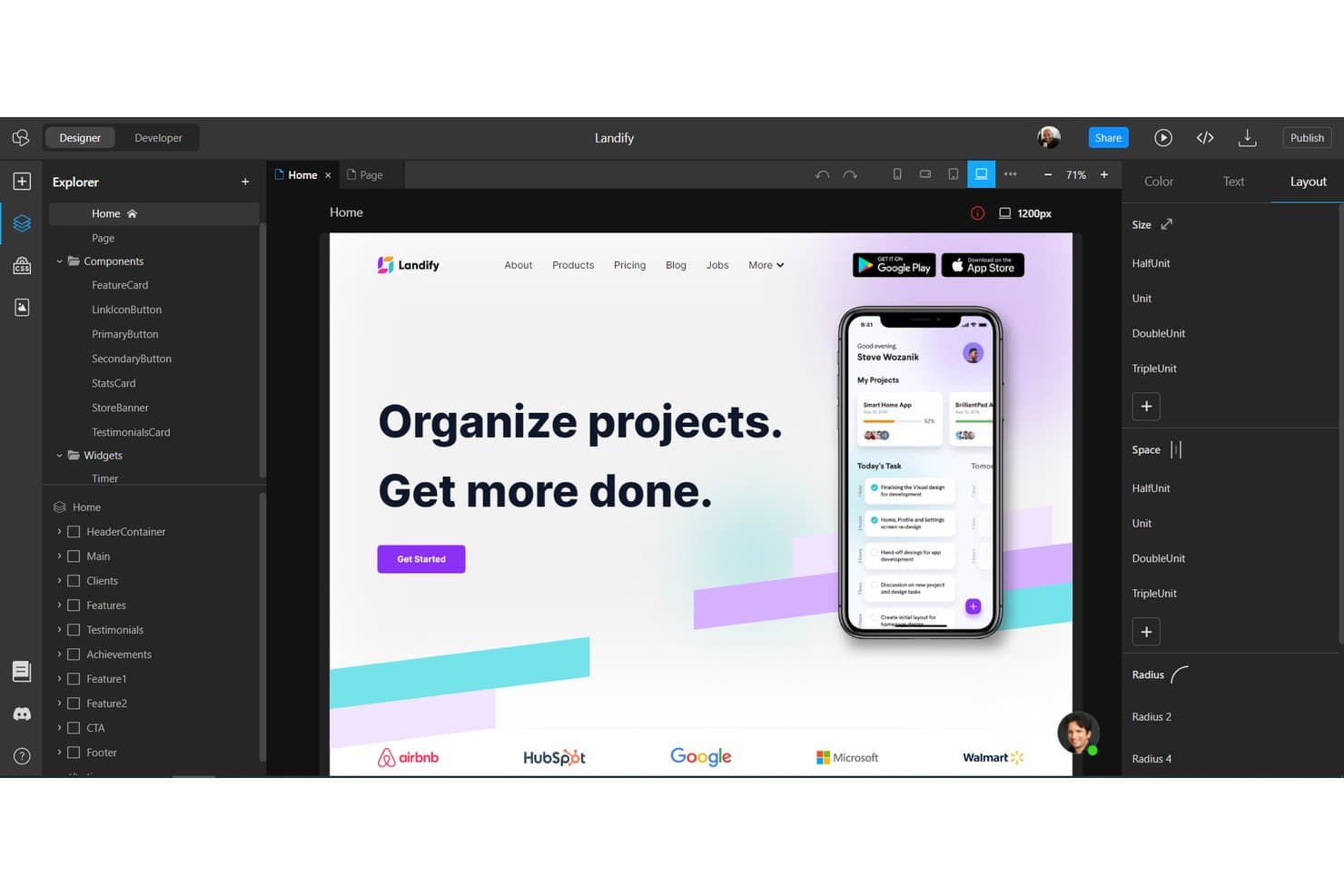
TeleportHQ lets users build and preview landing pages visually. TeleportHQ is a visual website builder for designers, marketers, and developers who need to create responsive websites without wrestling with complex development workflows.
Who Is TeleportHQ Best For?
TeleportHQ suits web designers and front-end teams that want to turn visual website builds into exportable code.
Why TeleportHQ Is a Good Best Webflow Alternatives
I picked TeleportHQ because its visual editor turns page layouts into exportable code. I use its HTML and CSS export when a project needs developer handoff without rebuilding the design manually. Its responsive visual builder also helps my team prepare pages for different screen sizes before export.
TeleportHQ Key Features
- AI website generation: Creates website layouts from text prompts.
- Template library: Starts projects with prebuilt website designs.
- Headless content modeling: Defines structured content for website pages.
- Forms management: Collects and manages website form submissions.
TeleportHQ Integrations
TeleportHQ supports integrations with GitHub, Vercel, and Figma, plus data connections to REST APIs, Supabase, PostgreSQL, MySQL, MariaDB, Amazon Redshift, MongoDB, Firestore, Airtable, and Google Sheets. It also supports CSV data sources for building dynamic websites.
Pros and Cons
Pros:
- Visual responsive controls reduce manual implementation work
- Converts Figma designs into editable website projects
- Exports HTML and CSS for developer handoff
Cons:
- CMS workflows lack Webflow’s publishing depth
- Exported code often needs developer cleanup
Learn more about TeleportHQ: Best for open-source, no-lock-in site ownership
- Free plan + 14-day free trial available
- From $15/month (billed annually)
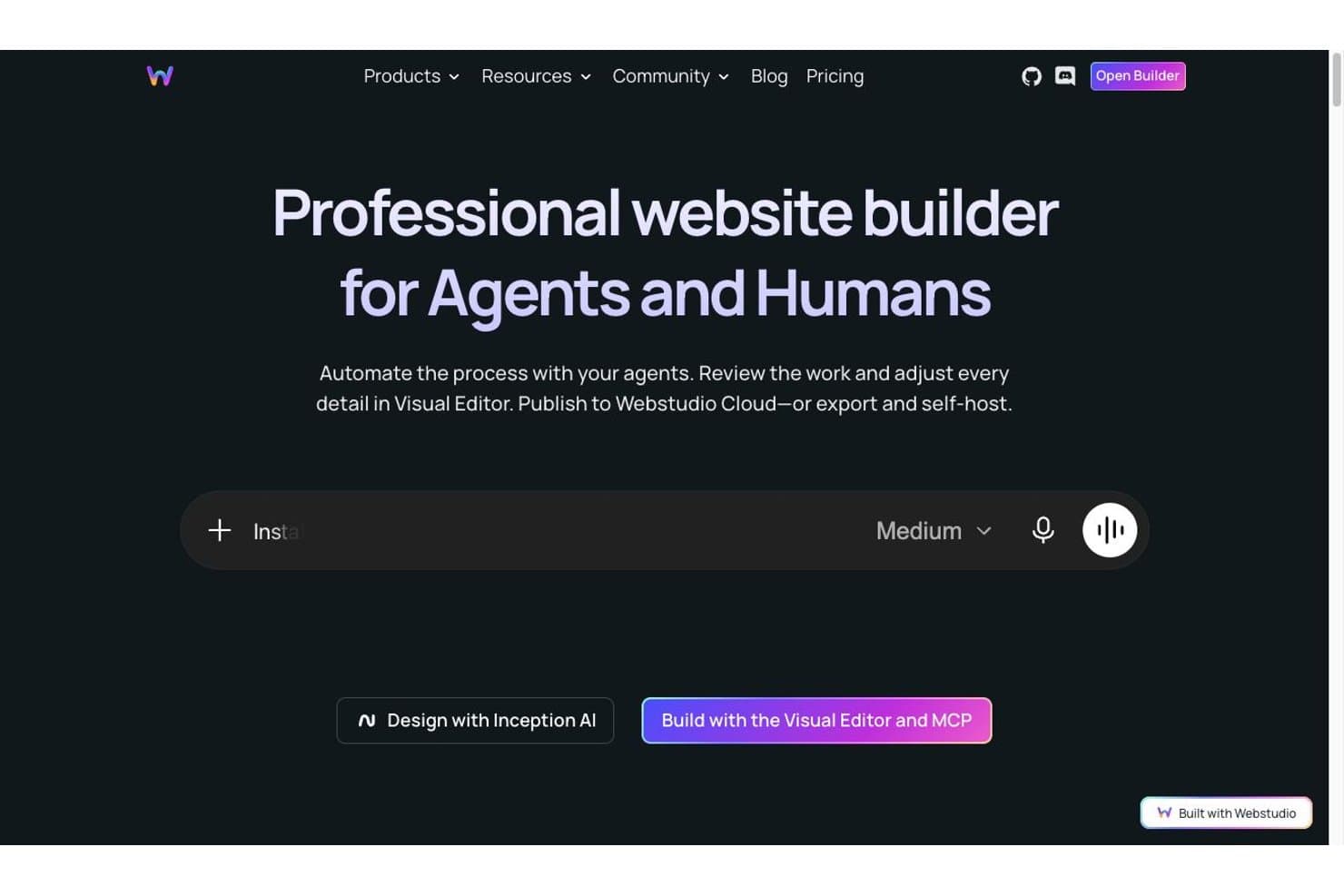
Webstudio lets users build websites with AI agents or a visual editor. For teams seeking a flexible Webflow alternative, Webstudio is a visual website builder for agencies, freelancers, and growing businesses that need responsive sites, custom layouts, and simpler content updates without heavy coding.
Who Is Webstudio Best For?
Webstudio suits agencies and freelance web creators who want visual control, responsive layouts, and site ownership without vendor lock-in.
Why Webstudio Is a Good Best Webflow Alternatives
I picked Webstudio because its open-source foundation supports no-lock-in site ownership. I use its visual builder, responsive layout controls, and self-hosting options to create custom marketing sites without tying the project to one vendor. That gives my team more control over hosting, code, and long-term maintenance.
Webstudio Key Features
- Data bindings: Connect dynamic content from external data sources.
- CSS grid and flexbox: Build layouts with native CSS controls.
- SEO settings: Edit titles, descriptions, canonical URLs, and social metadata.
- Custom code: Add CSS, JavaScript, and third-party scripts to pages.
Webstudio Integrations
Webstudio documents integrations with Hygraph, WordPress, Flotiq, Notion, Supabase, Pabbly, n8n, Airtable, and Zapier. It also supports fetching data from any HTTP API for custom connections.
Pros and Cons
Pros:
- Fast page delivery supports better performance
- Native CSS controls support precise layouts
- Open-source export reduces vendor lock-in
Cons:
- Collaboration features remain limited
- Headless CMS setup adds implementation work
Learn more about Webstudio: Best for CRM-tied website and campaign analytics
- 14-day free trial
- From $20/month
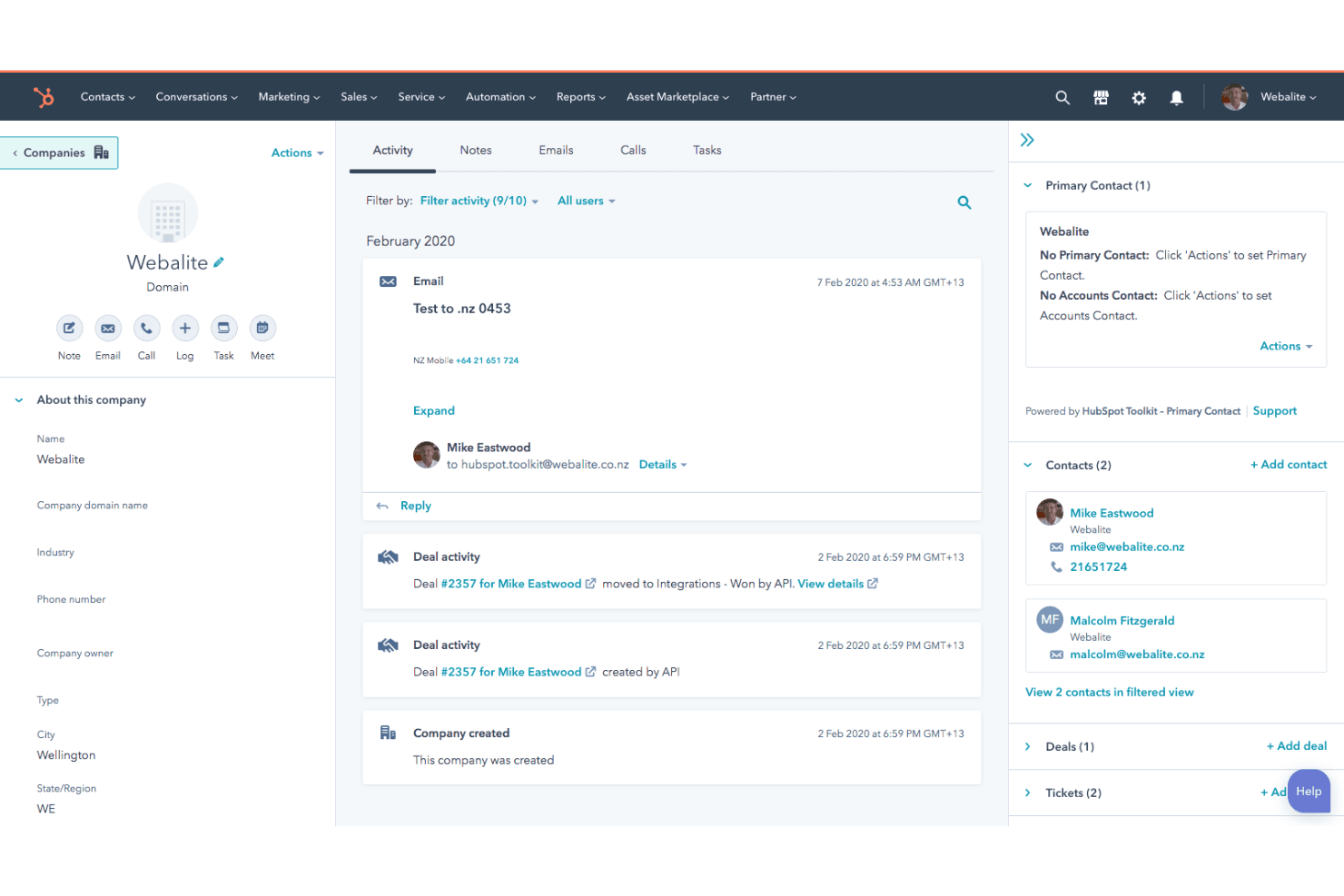
HubSpot Content Hub connects website content, blogs, landing pages, and CRM. HubSpot Content Hub is a CMS for marketing teams that connects website creation, content management, personalization, and customer data in one platform.
Who Is HubSpot Content Hub Best For?
HubSpot Content Hub suits marketing teams that need to manage website content and connect campaign performance to CRM data.
Why HubSpot Content Hub Is a Good Best webflow Alternatives
I picked HubSpot Content Hub because it’s best for CRM-tied website and campaign analytics. I use smart content rules to personalize pages from CRM properties, then connect page views and conversions to campaign reporting. That lets my team compare content paths, such as a product page visit followed by a demo request, against pipeline outcomes.
HubSpot Content Hub Key Features
- Drag-and-drop editor: Build webpages and landing pages without code.
- Website themes: Apply consistent layouts, styles, and reusable components.
- SEO recommendations: Review on-page optimization suggestions while editing content.
- Content library: Store and organize files, documents, and downloadable assets.
HubSpot Content Hub Integrations
HubSpot Content Hub supports marketplace integrations including WordPress, Canva, and Shopify, connects with Zapier, and provides APIs for custom integrations.
Pros and Cons
Pros:
- Drag-and-drop pages support rapid launches
- Campaign reporting connects content to pipeline
- CRM data informs content personalization
Cons:
- Visual control trails Webflow’s design depth
- Advanced designs often require developer support
Learn more about HubSpot Content Hub: Best for launching blogs with built-in newsletters
- Free plan available
- From $4/month (billed annually)
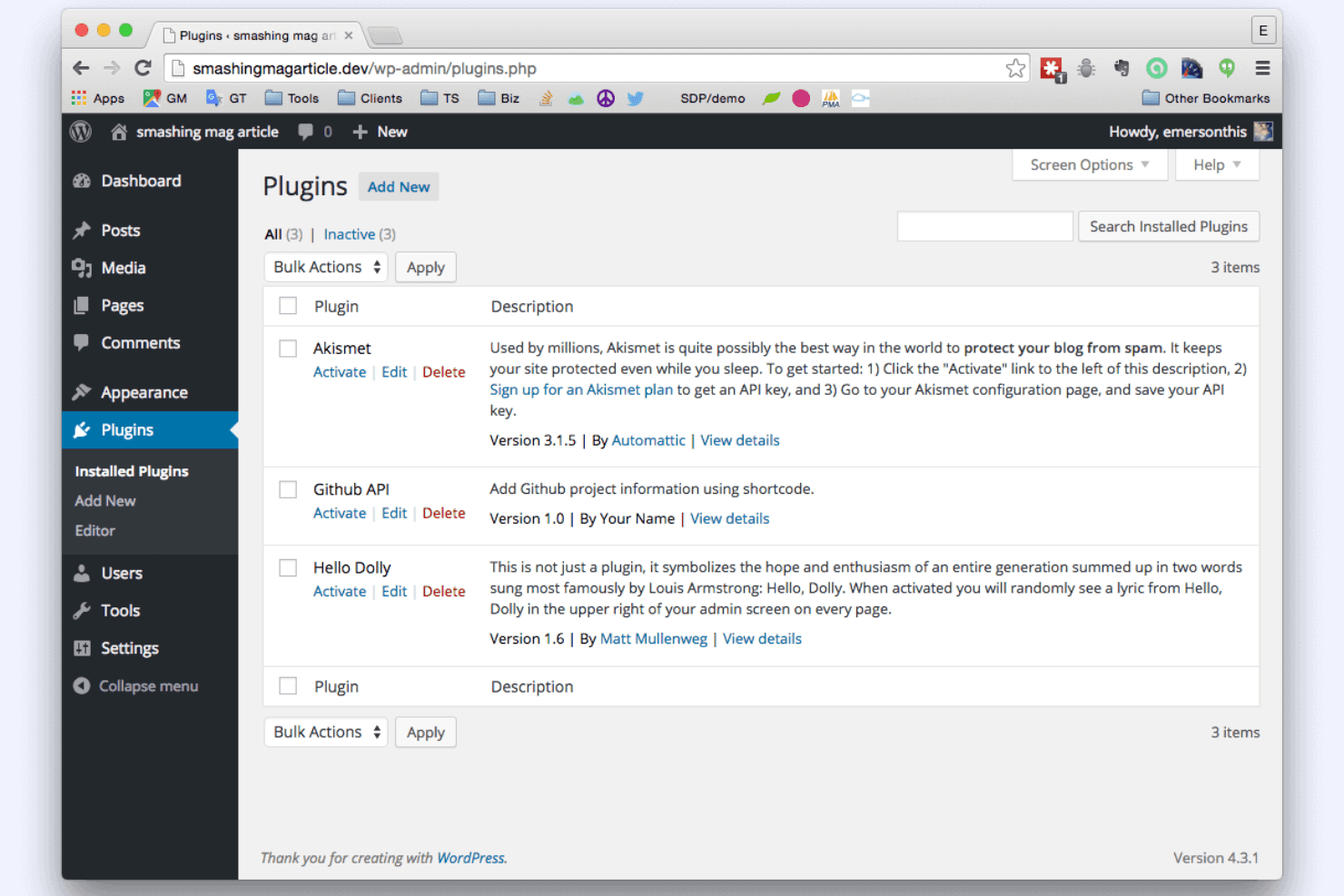
WordPress.com helps users build content-driven sites without hosting setup. WordPress.com is a website builder for bloggers, creators, and small businesses that need an accessible way to publish content, establish an online presence, and manage a site without extensive technical skills.
Who Is WordPress.com Best For?
It suits bloggers, newsletter writers, and small teams that want to publish regularly without managing hosting or complex site infrastructure.
Why WordPress.com Is a Good Best webflow Alternatives
I picked WordPress.com because I can publish blog posts and send them directly to subscribers through built-in newsletters. I use its subscriber tools to grow an audience from the same site, while scheduled posts support consistent editorial campaigns. This makes it a practical alternative when content distribution matters as much as page design.
WordPress.com Key Features
- Block editor: Build pages with modular content blocks.
- Themes: Choose from pre-designed layouts for different site types.
- Custom domains: Connect a domain name to your website.
- Managed hosting: WordPress.com handles hosting, updates, and site security.
WordPress.com Integrations
WordPress.com’s native integrations are not clearly documented. It provides a REST API for custom integrations and supports connections through plugins.
Pros and Cons
Pros:
- Managed hosting removes server maintenance
- Block editor supports rapid editorial updates
- Newsletter publishing reaches subscribers directly
Cons:
- Plugin-dependent features can add maintenance
- Visual design control trails Webflow
Learn more about WordPress.com: Best for MIT-licensed, self-hosted site ownership
- Not available
- Pricing upon request
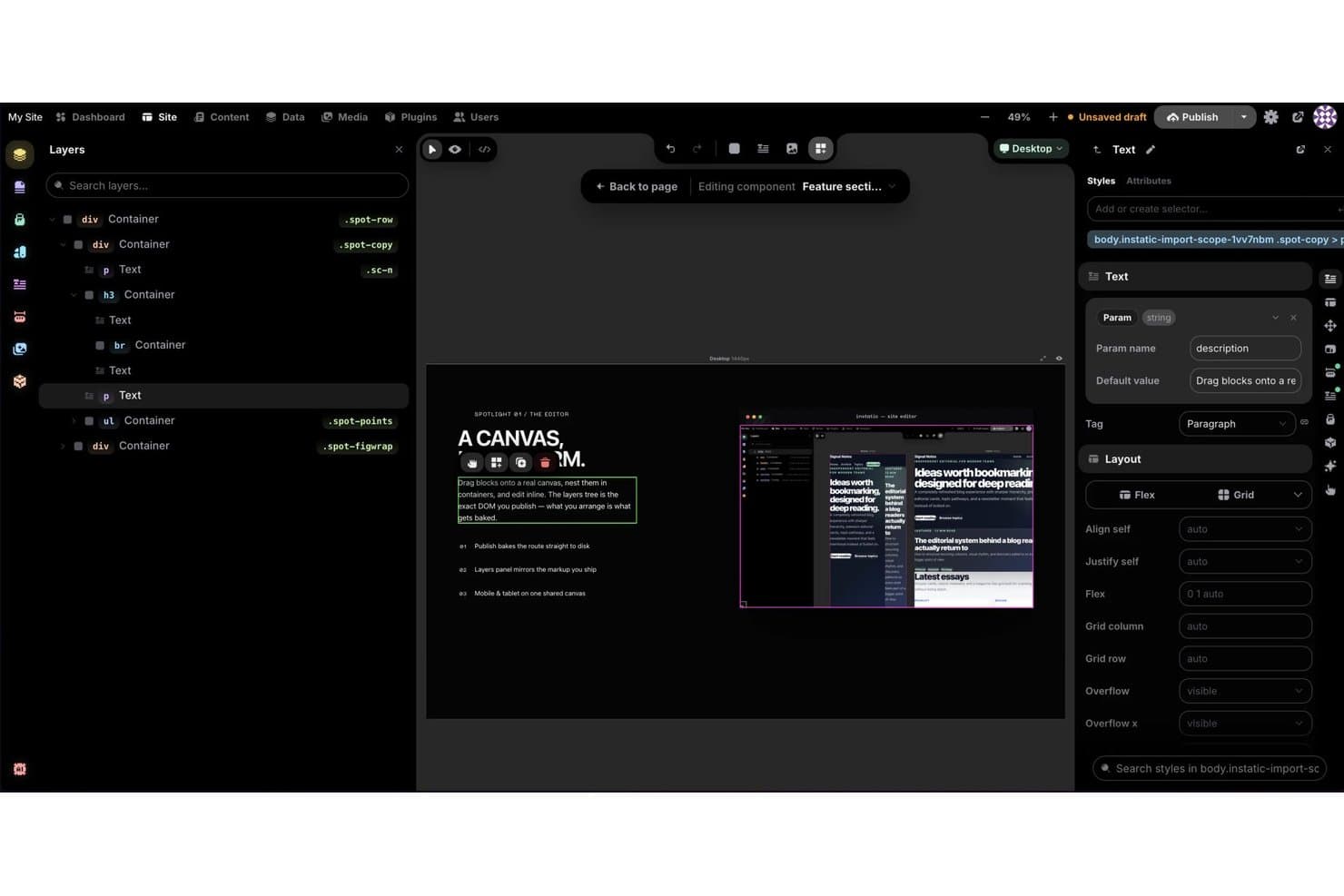
Instatic lets users build reusable components with editable text params. Instatic is a self-hosted website builder and CMS for agencies, developers, and businesses that need visual design tools, structured content management, and fast static-site publishing without vendor lock-in.
Who Is Instatic Best For?
Instatic suits agencies and developers who want to manage client websites with self-hosted infrastructure and full control over deployment.
Why Instatic Is a Good Best webflow Alternatives
I picked Instatic because it gives me MIT-licensed, self-hosted site ownership instead of vendor-controlled hosting. I use its visual design tools and structured content management to build client sites, then publish fast static pages through infrastructure I control. That setup suits agencies managing multiple websites and custom deployment workflows.
Instatic Key Features
- Responsive image processing: Generates WebP variants and BlurHash placeholders automatically.
- Built-in forms: Creates fields, stores submissions, and manages data within the CMS.
- Template system: Applies layouts to site pages, post types, and 404 pages.
- Plugin sandbox: Runs extensions in isolated QuickJS WebAssembly environments.
Instatic Integrations
Native integrations are not clearly documented. Instatic provides a content API and MCP server for Claude Code, Cursor, and Codex, and supports AI connections with Claude, OpenAI, OpenRouter, and Ollama.
Pros and Cons
Pros:
- Isolated plugins reduce extension risk
- Static publishing supports fast page delivery
- MIT license preserves full ownership
Cons:
- Smaller ecosystem means fewer ready-made resources
- Self-hosting requires deployment expertise
Learn more about Instatic:
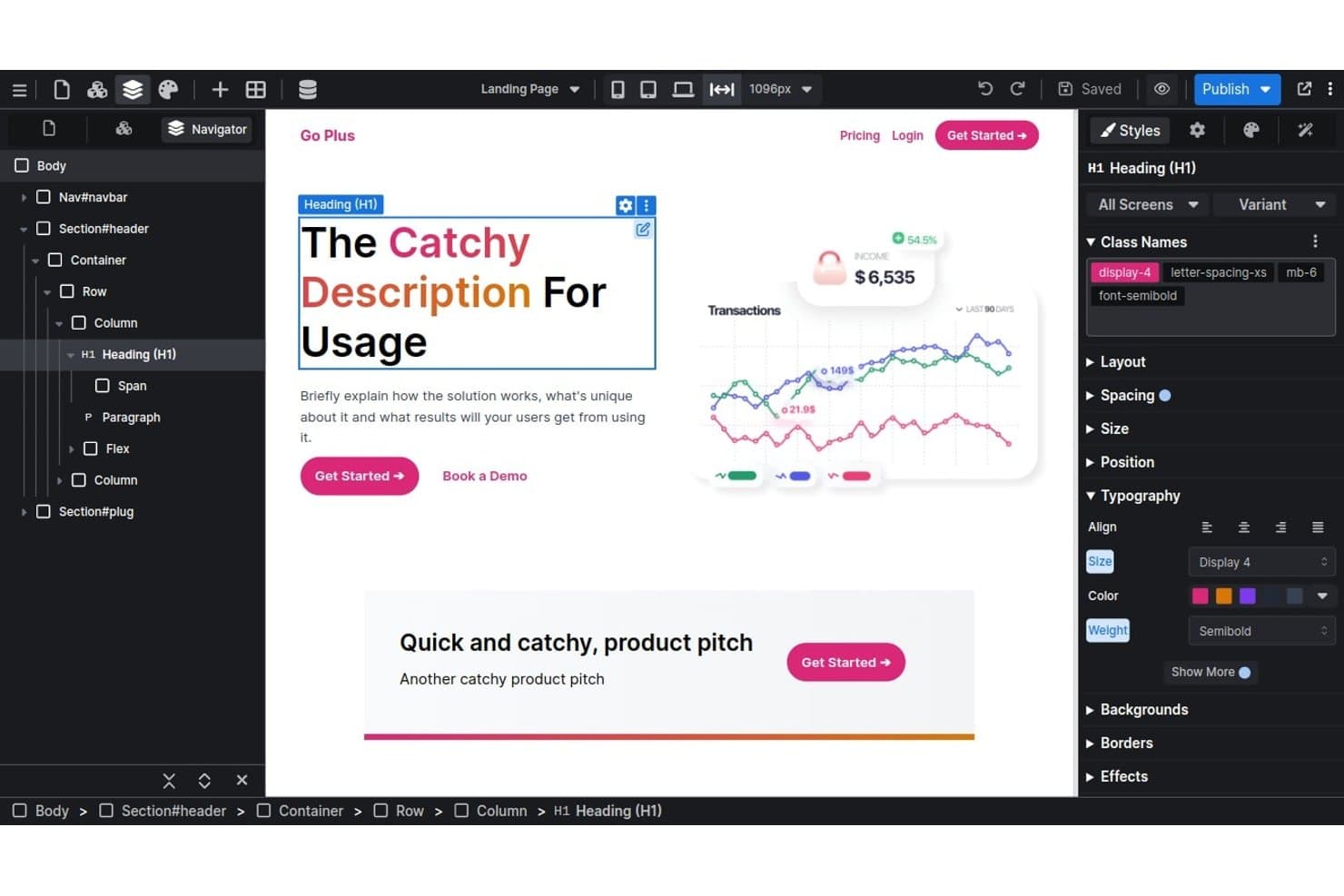
Versoly's visual editor lets users style headings with typography controls. Versoly is a website builder for startups, agencies, and product teams that need to create responsive marketing sites without Webflow’s platform constraints or a lengthy development handoff.
Who Is Versoly Best For?
Versoly suits startups, agencies, and product teams that need responsive marketing sites with exportable Tailwind CSS code.
Why Versoly Is a Good Best webflow Alternatives
I picked Versoly as a strong Webflow alternative because it is best for exporting Tailwind CSS site code. I use its visual builder to create responsive marketing pages, then hand the generated Tailwind code to developers for product-site refinement. That workflow keeps design exploration separate from the final engineering handoff.
Versoly Key Features
- Blogging CMS: Create and manage dynamic blog content with a rich text editor.
- SEO tools: Configure canonical URLs, metadata, and structured content settings.
- Email forms: Add newsletter signup forms and calls to action to pages.
- Analytics integrations: Connect website analytics and marketing tools to track performance.
Versoly Integrations
Native integrations are not clearly documented. Versoly supports form connections through external APIs, plus a public API, webhooks, JavaScript client, and Zapier.
Pros and Cons
Pros:
- Includes blogging CMS and SEO controls
- Builds responsive pages through visual editing
- Exports clean Tailwind CSS code
Cons:
- Smaller template ecosystem than Webflow’s ecosystem
- Exported code requires ongoing developer maintenance
Learn more about Versoly:
Outras alternativas ao Webflow
\u003cspan style=\u0022font-weight: 400\u0022\u003eAqui estão algumas opções adicionais de alternativas ao Webflow que não chegaram à minha seleção, mas que ainda vale a pena considerar:\u003c/span\u003e
- 11NordcraftBest for open-source visual site ownership
- 12FramerBest for Figma-like design with built-in A/B testing
- 13SquarespaceBest for template-driven creative portfolios
- 14InstapageBest for ad-to-page conversion testing
- 15YcodeBest for open-source, self-hosted site ownership
- 16DorikBest for AI-generated one-page sites
- 17BubbleBest for building no-code apps beyond static sites
- 18Builder.ioBest for A/B testing on existing codebases
How I Evaluate Webflow Alternatives
I split my evaluation into three parts, starting with core functionality—specifically whether a tool can deliver a visual design canvas and a built-in CMS, since those carry the most weight. Then I look at standout features like native ecommerce support or code export options. Finally, I consider pricing structure and onboarding resources.
Core Functionality (Table Stakes For This List)
When I'm selecting tools for my list, I score each one on a scale from 0 (does not offer the functionality) to 5 (excels in this area) for each core functionality listed below. I then convert the total into a percentage to help assess each tool's overall fit, with extra weight on any functionalities I’ve deemed essential.
- Visual Design Canvas (Essential): I look for precise visual control over page layouts, spacing, and styling, including custom designs beyond preset sections.
- Content Management (Essential): I assess whether teams can define content types and fields, then publish updates like blog posts or landing pages across templates.
- Responsive Layout: I check whether teams can adjust layouts at desktop, tablet, and mobile breakpoints rather than relying on automatic reflow.
- Hosting & Publishing: I look for included hosting and straightforward publishing, plus staging or rollback options for teams iterating on live sites.
- Custom Code: I consider where teams can add HTML, CSS, or JavaScript to support functionality beyond the visual editor.
- Team Collaboration: I evaluate user roles and permissions, and whether designers, developers, and content editors can work on the same site.
Once I have a list of tools that meet the criteria, I consider what sets each platform apart.
Differentiating Factors (What Sets Vendors Apart)
Here's how I compare and contrast different vendors:
Standout Features
I look for native ecommerce support—built-in product catalogs, cart, and checkout—so teams can validate pricing and purchase flows without bolting on a third-party store. Code export matters just as much: if you can eject clean HTML/CSS, you keep full ownership and avoid lock-in when product needs shift. I also evaluate how each tool handles CMS-driven interactions, like binding animations or filters directly to dynamic content, which cuts dependency on custom scripting for personalized landing pages.
Beyond Features
I evaluate how each platform's pricing model scales—per-site billing adds up fast for agencies juggling multiple client projects, while workspace-based plans can be more predictable. Ecosystem depth matters too: I check for native CRM, analytics, and A/B testing connections so teams aren't stitching together workarounds. Finally, I consider migration risk, especially whether a platform preserves URL structures and supports redirects, since a botched switch can tank organic traffic overnight.
Por que procurar uma alternativa ao Webflow?
Embora o Webflow seja uma boa escolha de criador de sites, existem várias razões pelas quais alguns utilizadores procuram soluções alternativas. Pode estar à procura de uma alternativa ao Webflow porque…
- Pretende uma integração mais rápida para os membros da equipa sem conhecimentos técnicos
- Precisa de uma estrutura de preços mais clara e previsível
- Precisa de um suporte de comércio eletrónico mais avançado desde o primeiro dia
- Precisa de integrações de marketing integradas ou de funcionalidades nativas de CRM
- Prefere uma plataforma de código aberto com maior flexibilidade e controlo
- Presta serviços em vários mercados e pretende controlos de localização mais completos
Se alguma destas situações lhe parece familiar, veio ao lugar certo. A minha lista inclui várias opções de criadores de sites mais adequadas para equipas que enfrentam estes desafios com o Webflow e procuram soluções alternativas.
Principais funcionalidades do Webflow
Eis algumas das principais funcionalidades do Webflow, para o ajudar a comparar as soluções alternativas:
- Designer visual: Permite-lhe criar sites totalmente responsivos através de um editor flexível de arrastar e largar, dando aos profissionais de marketing e designers um controlo detalhado sobre a disposição e o estilo.
- Coleções CMS: Permite-lhe criar, gerir e publicar conteúdos dinâmicos, como blogues, estudos de caso ou páginas de produtos, sem escrever código, tornando as atualizações rápidas e acessíveis a pessoas sem conhecimentos de engenharia.
- Construtor de interações: Oferece uma ferramenta visual para criar interações e animações avançadas — como transições acionadas por gatilhos, efeitos de deslocação e microinterações — sem JavaScript personalizado.
- Exportação de código limpo: Dá-lhe a opção de exportar HTML, CSS e JavaScript prontos para produção, para que a sua equipa de desenvolvimento possa continuar o trabalho fora da plataforma Webflow.
- Alojamento integrado: Inclui alojamento seguro integrado com um certificado SSL, uma rede global de distribuição de conteúdos, cópias de segurança automáticas e publicação com um clique, para maior tranquilidade e lançamentos rápidos de sites.
- Ferramentas de SEO: Disponibiliza controlos de SEO na página, com títulos e descrições meta personalizáveis, definições de Open Graph, mapas do site gerados automaticamente e marcação semântica para ajudar a melhorar o posicionamento nas pesquisas.
- Localização: Suporta conteúdos multilingues nativos, URLs localizados e funcionalidades de SEO para ajudar a disponibilizar e otimizar sites para vários mercados.
- Comércio eletrónico: Permite-lhe configurar e gerir uma loja online com páginas de produtos personalizáveis, carrinhos de compras, processos de finalização de compra e uma gestão simples de encomendas para empresas de produtos em crescimento.
- Funções e permissões de utilizador: Permite-lhe gerir diferentes níveis de acesso à edição e publicação, para que as equipas possam colaborar em segurança sem risco de alterações acidentais.
- Formulários nativos: Inclui blocos de formulários integrados para a captação de potenciais clientes e pedidos de contacto, facilitando a recolha de informações e a ligação a potenciais clientes ou clientes diretamente a partir do seu site.