
Gerir um produto é difícil. Tem de conciliar prioridades, alinhar equipas e manter as partes interessadas satisfeitas. Por vezes, as suas ferramentas atuais não são suficientes, e é por isso que pode estar à procura de alternativas ao Airfocus.
Com base na minha experiência, encontrar o software certo pode fazer toda a diferença no seu fluxo de trabalho. Precisa de algo que se adapte às necessidades da sua equipa e o ajude a enfrentar os desafios da gestão de produtos.
Analisei e testei várias soluções para lhe apresentar as melhores alternativas disponíveis. Vou guiá-lo pelas funcionalidades, vantagens e desvantagens de cada uma, para que possa tomar uma decisão informada para a sua equipa. Vamos encontrar a ferramenta certa para si.
O que é o Airfocus?
O Airfocus é um software de gestão de produtos que ajuda as equipas a definir prioridades e a criar roteiros. Os gestores de produto, líderes de equipa e partes interessadas utilizam frequentemente o Airfocus para alinhar os seus objetivos e se concentrarem no que é importante. As funcionalidades de definição de prioridades, os roteiros personalizáveis e as ferramentas de colaboração ajudam a gerir projetos de forma eficiente e a manter todos alinhados. De um modo geral, o Airfocus oferece uma forma estruturada de planear e executar estratégias de produto.
Why Trust Our Software Recommendations
6,700+
Reviews
20
Industry experts
16+
Evaluation factors
14
Years
Our team has been testing and reviewing software since 2012. As product managers ourselves, we know how difficult—and important—it is to choose the right software.
For this guide, we evaluated tools using hands-on testing and independent research, scoring tools using our selection criteria.
Our reviews reflect our human editorial judgment, not a sales pitch.
Expert reviewers:
- Andrew LumbySenior TPM
- Cristiano ValimSenior UI/UX Lead


Tabela de comparação das alternativas ao Airfocus
Esta tabela de comparação resume os detalhes de preços das minhas principais escolhas de alternativas ao Airfocus:
| Tool | Best For | Trial Info | Price | ||
|---|---|---|---|---|---|
| 1 | Best for building custom roadmap workflows | Free plan + free demo available | From $20/user/month (billed annually) | Website | |
| 2 | Best for linking customer feedback to roadmaps | Free plan + free demo available | From $19/user/month (billed annually) | Website | |
| 3 | Best for stakeholder-ready roadmap sharing | Free demo available | Pricing upon request | Website | |
| 4 | Best for end-to-end product discovery | 30-day free trial + free demo available | From $59/user/month (billed annually) | Website | |
| 5 | Best for end-to-end idea management | 7-day free trial + free demo available | From $24/user/month (billed annually) | Website | |
| 6 | Best for strategy-to-roadmap depth at scale | 30-day free trial + free demo available | From $59/user/month (billed annually) | Website | |
| 7 | Best for stakeholder-facing roadmap publishing | 14-day free trial available | From $19/user/month (billed annually) | Website | |
| 8 | Best for discovery-to-delivery in one platform | Free plan + free trial available | From $7.91/user/month | Website | |
| 9 | Best for Jira-connected portfolio roadmaps | 14-day free trial | Pricing upon request | Website | |
| 10 | Best for Jira-native roadmapping and delivery sync | Free plan available | From $10/user/month | Website |


Testamos e analisamos software de gestão de produtos desde 2020. Sendo nós próprios gestores de produto, sabemos como é fundamental e difícil tomar a decisão certa ao selecionar software. Investimos numa investigação aprofundada para ajudar o nosso público a tomar melhores decisões de compra de software.
Testámos mais de 2.000 ferramentas para diferentes casos de utilização na gestão de produtos e escrevemos mais de 1.000 análises completas de software. Saiba como mantemos a transparência e consulte a nossa metodologia de análise de software.
Análises das melhores alternativas ao Airfocus
Abaixo encontram-se os meus resumos detalhados das melhores alternativas ao Airfocus que entraram na minha lista restrita. As minhas análises apresentam uma visão detalhada das principais funcionalidades, vantagens & desvantagens, integrações e casos de utilização ideais de cada ferramenta, para o ajudar a encontrar a melhor opção para si
 Best for building custom roadmap workflows
- Free plan + free demo available
- From $20/user/month (billed annually)
Visit WebsiteCustomer Rating:4.6/5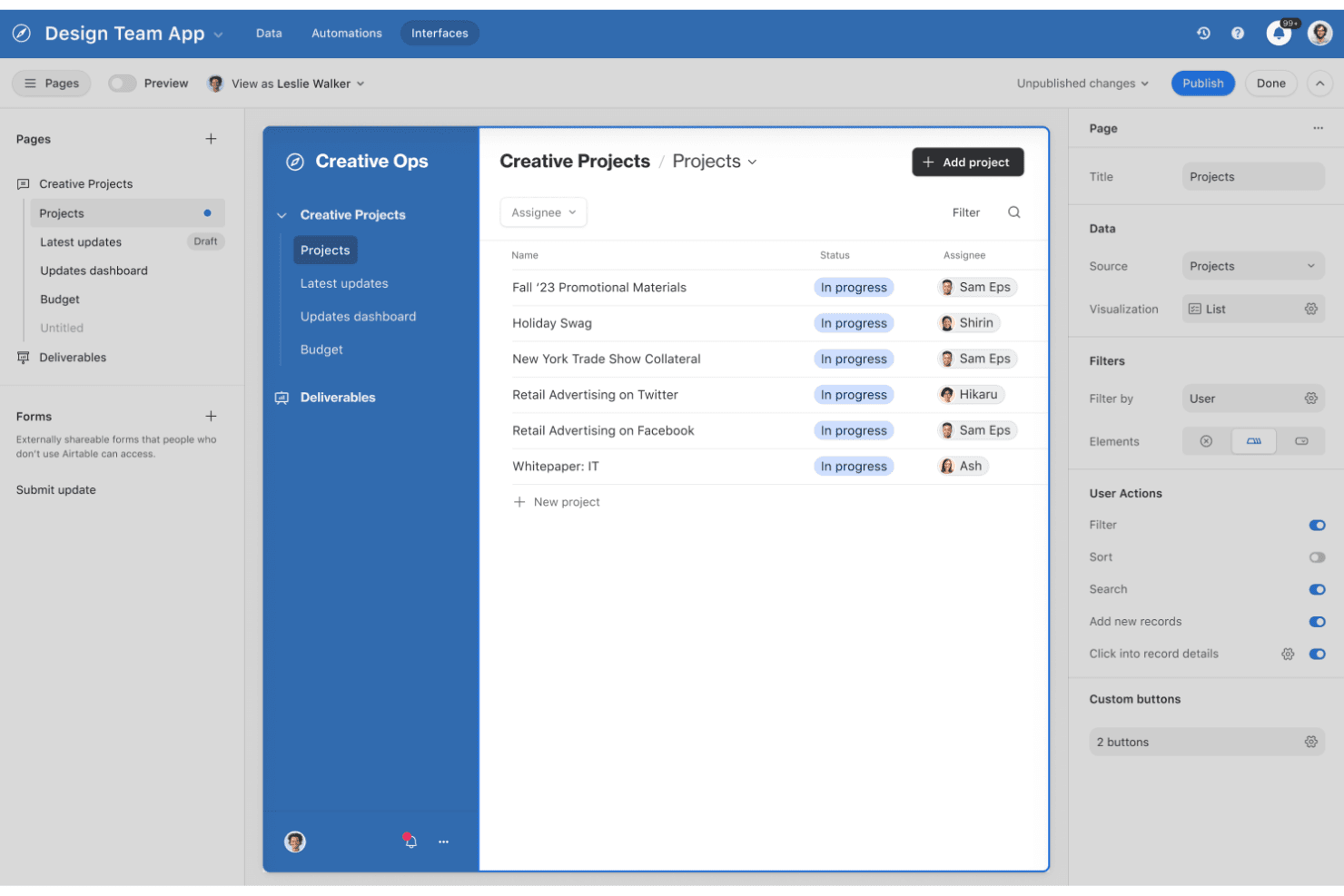
Airtable lets teams manage creative projects in a spreadsheet-like interface that’s customizable, collaborative, and easy to navigate. Airtable is a flexible work management platform for product teams that need to connect customer insights, priorities, delivery plans, and stakeholder updates in a tailored workspace.
Who Is Airtable Best For?
Product operations teams that need flexible, no-code workspaces for connecting roadmap decisions, customer insights, and cross-functional planning.
Why Airtable Is a Good Best Airfocus Alternatives
I picked Airtable because I can build roadmap workflows around linked records, custom views, and Interface Designer dashboards. My team connects customer feedback, product bets, owners, and delivery status in one relational workspace. Automations then route new requests for review, while timeline or kanban views help us compare priorities against planned work.
Airtable Key Features
- Custom forms: Collect structured product feedback and requests through shareable forms.
- Extensions: Add charts, pivot tables, and other tools to analyze product data.
- Permissions: Control access at the workspace, base, table, view, or field level.
- Integrations: Connect tools such as Slack, Google Drive, and Jira to your workspace.
Airtable Integrations
Airtable supports integrations with Slack, Google Drive, and Jira, helping product teams connect roadmap data with collaboration and delivery tools.
Pros and Cons
Pros:
- Custom views support timeline, kanban, and prioritization
- Interface Designer builds stakeholder-ready roadmap dashboards
- Linked records connect feedback, bets, and delivery
Cons:
- Large bases can become difficult to govern
- Roadmap scoring requires bespoke fields and formulas
Learn more about Airtable: Best for linking customer feedback to roadmaps
- Free plan + free demo available
- From $19/user/month (billed annually)
Visit WebsiteCustomer Rating:4.5/5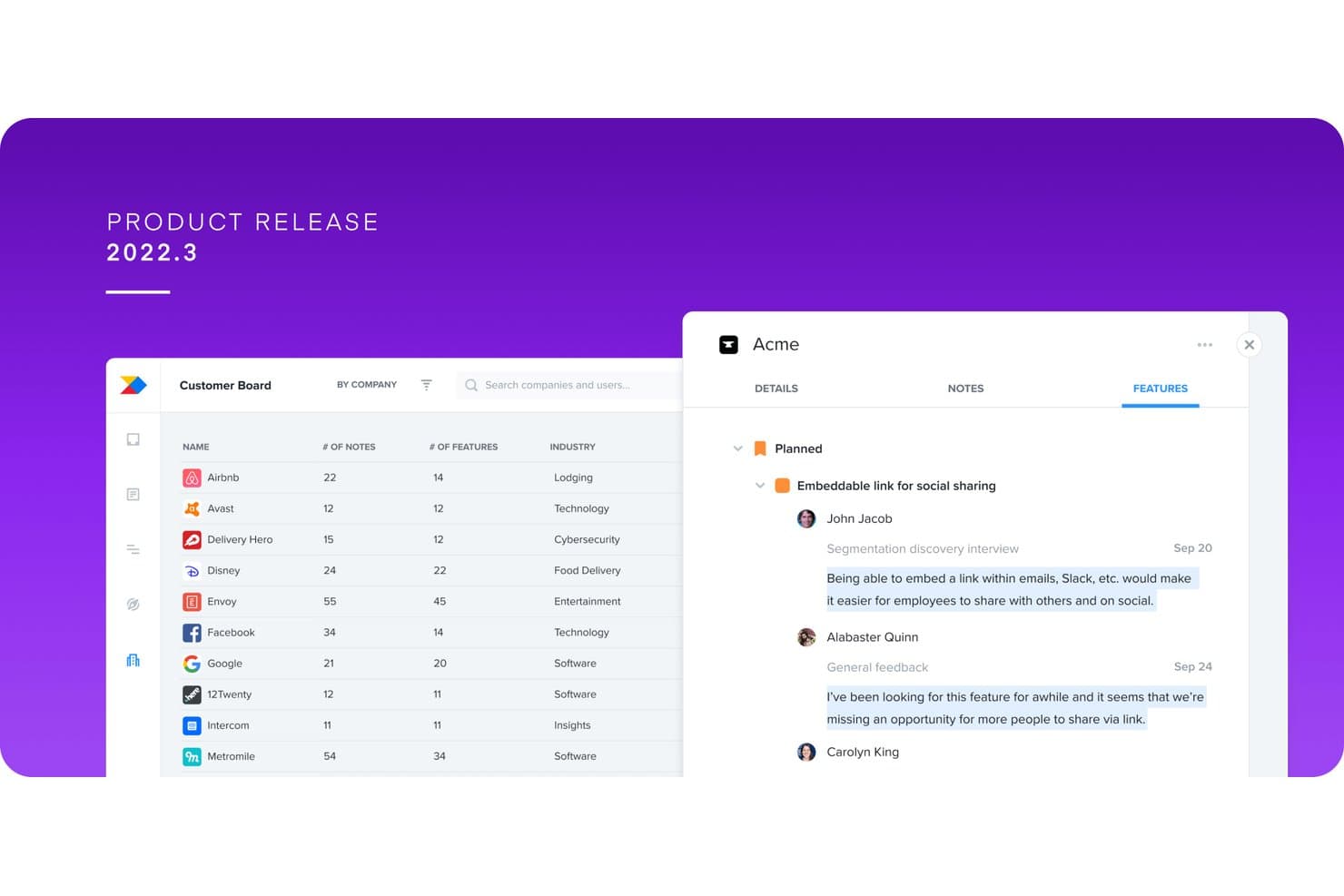
Productboard centralizes customer feedback linked to planned features. Productboard is a product management platform for teams that need to organize customer insights, prioritize product opportunities, and connect strategy with delivery plans.
Who Is Productboard Best For?
Productboard suits product teams that need to turn customer insights into prioritized opportunities and coordinated product decisions.
Why Productboard Is a Good Best Airfocus Alternatives
I picked Productboard because it connects customer feedback directly to product decisions and roadmaps. I use its customer insights and opportunity prioritization features to group recurring requests, identify unmet needs, and link validated opportunities to planned initiatives. This gives my team a clear path from customer evidence to roadmap priorities.
Productboard Key Features
- Product hierarchy: Organize products, components, features, and subfeatures in nested levels.
- Custom fields: Add structured fields for ownership, status, effort, and other product details.
- Timeline views: Display planned work across time-based roadmap views.
- Development integrations: Connect delivery tools such as Jira and Azure DevOps.
Productboard Integrations
Productboard offers 25+ native integrations, including Jira, Azure DevOps, Shortcut, Trello, GitHub, Zendesk, Slack, Intercom, and Salesforce; it also connects with Zapier and provides an API for custom integrations.
Pros and Cons
Pros:
- Supports detailed product hierarchy and prioritization
- Connects discovery evidence to roadmap decisions
- Centralizes customer feedback around product opportunities
Cons:
- Roadmap views can feel rigid for some teams
- Requires ongoing effort to maintain product structure
Learn more about Productboard: Best for stakeholder-ready roadmap sharing
- Free demo available
- Pricing upon request
Visit WebsiteCustomer Rating:4.4/5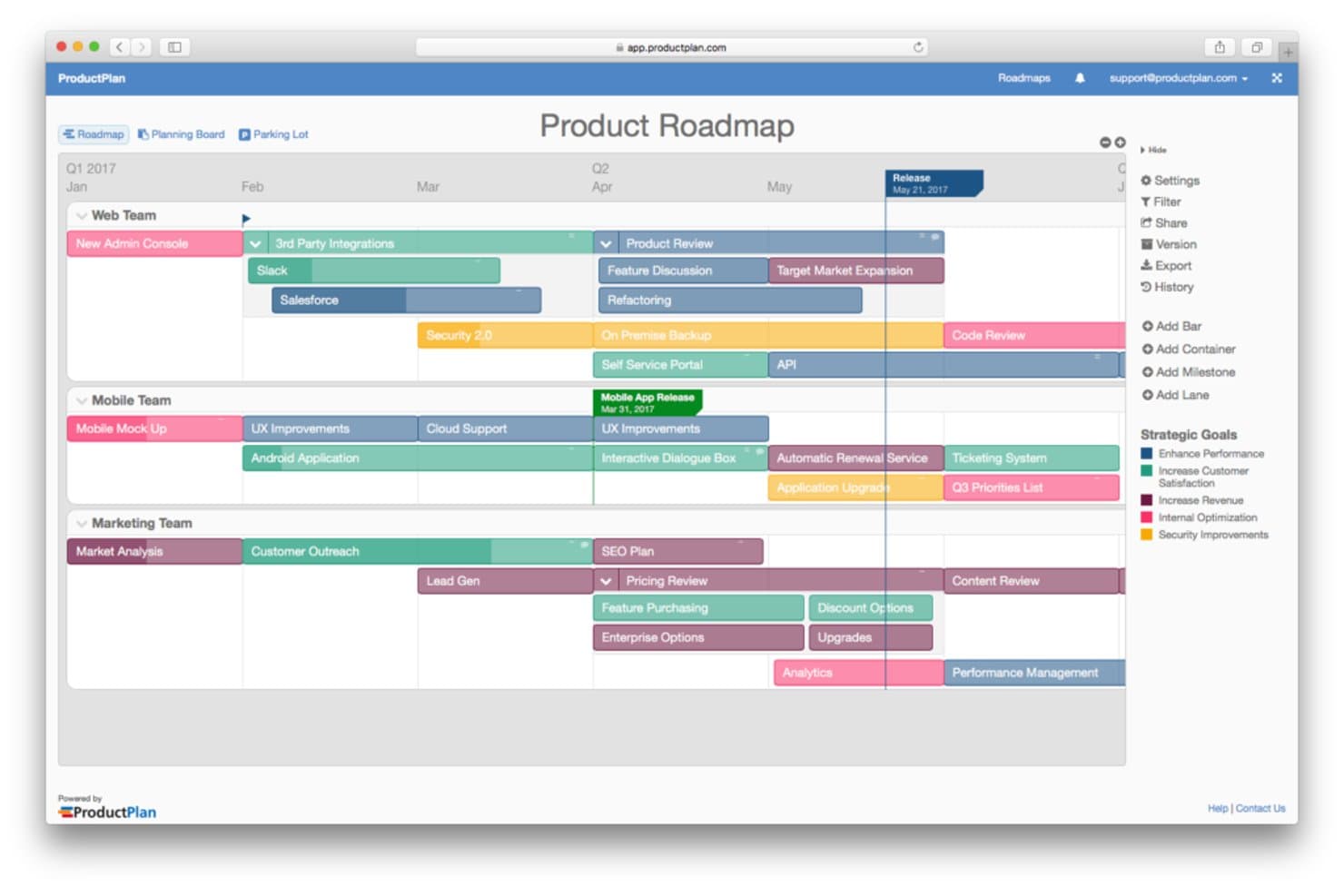
ProductPlan organizes team roadmaps across web, mobile, and marketing lanes. ProductPlan is roadmapping software for product teams that need to connect strategy, priorities, and delivery plans while giving stakeholders a clear view of product direction.
Who Is ProductPlan Best For?
ProductPlan suits product leaders who need to present clear, shareable roadmaps to executives and cross-functional stakeholders.
Why ProductPlan Is a Good Best Airfocus Alternatives
I picked ProductPlan because I can turn product strategy into stakeholder-ready roadmap sharing. I use its visual timelines, portfolio views, and audience-specific roadmap views to present executive priorities without exposing delivery-level detail. Shared roadmaps give leadership and cross-functional partners one clear view of direction.
ProductPlan Key Features
- Jira integration: Import and sync delivery data from Jira.
- Custom fields: Add structured data fields to roadmap items.
- Dependency mapping: Link related initiatives and show dependencies.
- Roadmap permissions: Control who can view or edit roadmap content.
ProductPlan Integrations
ProductPlan integrates with Slack, Azure DevOps, Atlassian Jira, Trello, GitHub, Atlassian Confluence, and Microsoft Teams, with two-way syncing available for selected roadmap and delivery data. It also supports Zapier and provides an API for custom integrations.
Pros and Cons
Pros:
- Dependencies expose cross-team delivery risks
- Portfolio views connect strategy across products
- Audience-specific roadmaps clarify executive priorities
Cons:
- Portfolio views may need manual upkeep
- Prioritization frameworks feel less developed than Airfocus
Learn more about ProductPlan: 4Best for end-to-end product discovery
Aha!
- 30-day free trial + free demo available
- From $59/user/month (billed annually)
Visit WebsiteCustomer Rating:4.4/5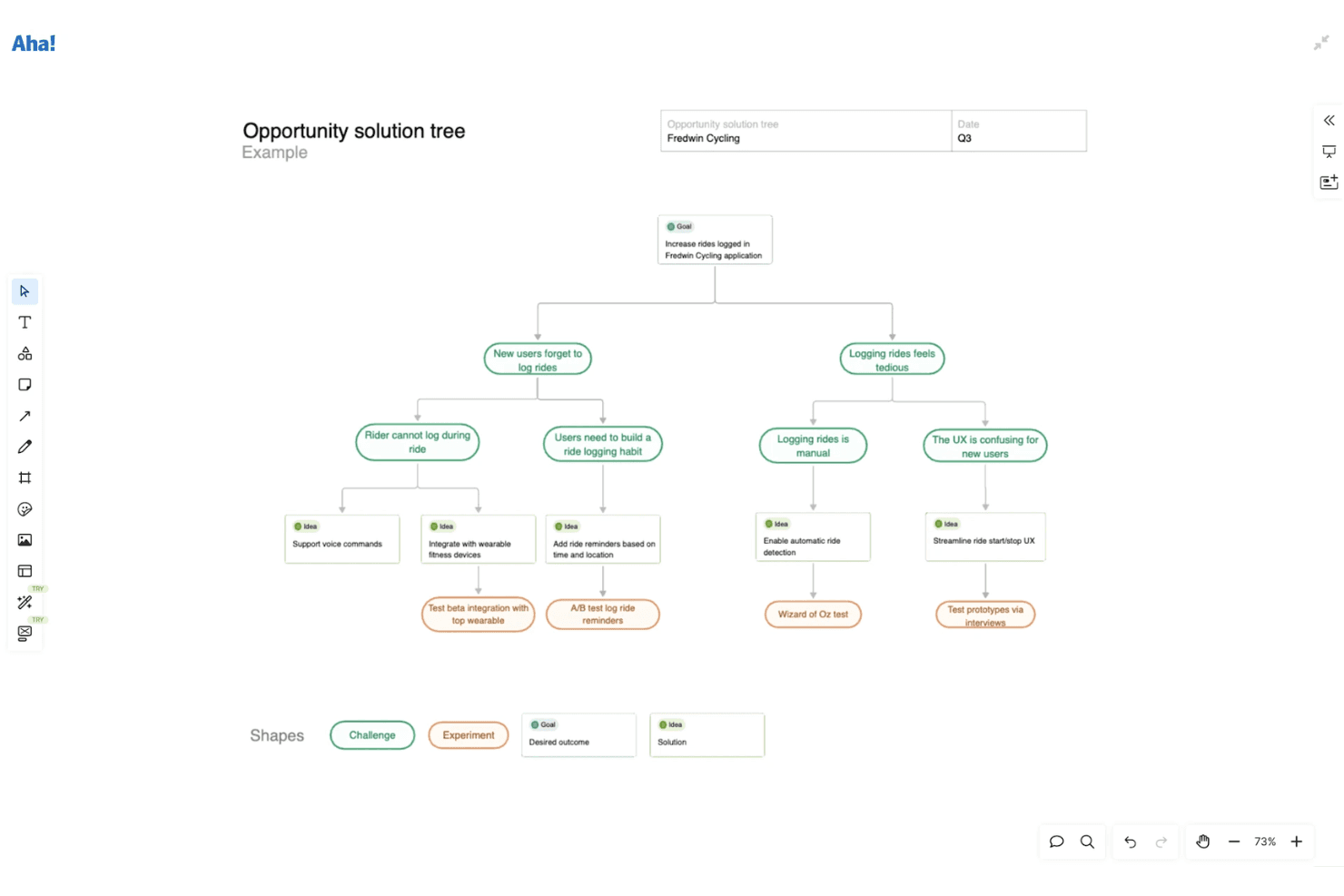
Aha! helps teams map out product opportunities, ideas, and experiments in a visual tree format for better strategic planning. Aha! is product management software for teams that need to connect customer research, product strategy, roadmaps, and delivery while aligning stakeholders around informed decisions.
Who Is Aha! Best For?
Aha! suits product managers and cross-functional teams that need to turn customer insights into prioritized product plans and delivery work.
Why Aha! Is a Good Best Airfocus Alternatives
I picked Aha! because I can connect customer interviews, ideas, and feedback directly to product strategy. Its ideas portals collect requests, while whiteboards help my team map problems before prioritizing features. We then turn validated concepts into linked roadmaps and releases, keeping discovery connected to delivery.
Aha! Key Features
- Capacity planning: Allocate team capacity across initiatives, releases, and features.
- Custom reports: Build reports with configurable filters, charts, and data fields.
- Jira integration: Sync product records with Jira issues and project updates.
- Role-based permissions: Control access to workspaces, records, and administrative settings.
Aha! Integrations
Aha! integrates with Jira to sync product records with Jira issues and project updates.
Pros and Cons
Pros:
- Links ideas, roadmaps, releases, and delivery
- Whiteboards support collaborative problem discovery
- Connects customer research to product strategy
Cons:
- Reporting can feel restrictive for unusual views
- Advanced workflows require substantial initial configuration
Learn more about Aha!: Best for end-to-end idea management
- 7-day free trial + free demo available
- From $24/user/month (billed annually)
Visit WebsiteCustomer Rating:4.2/5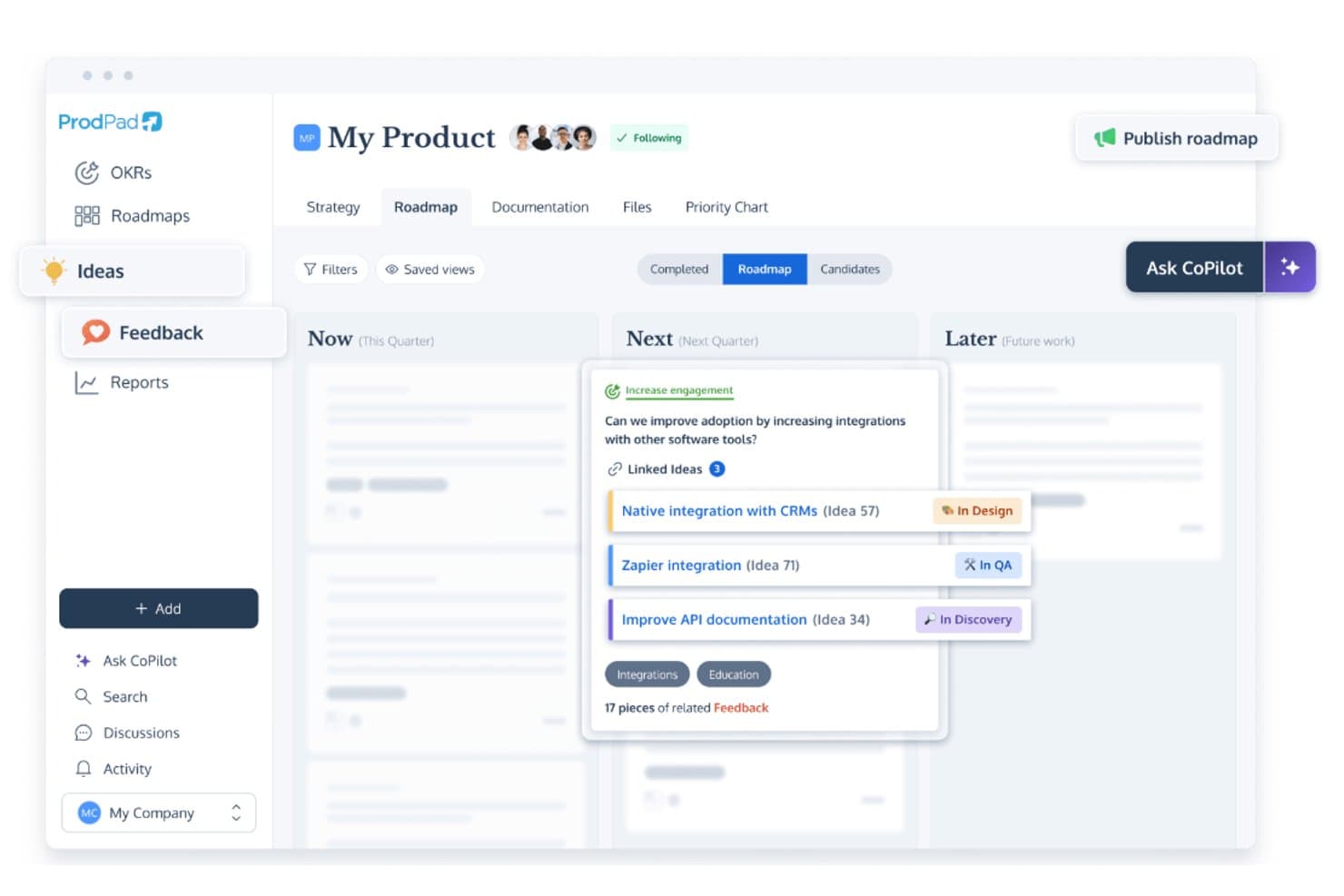
ProdPad links roadmap ideas to feedback and tracks development status. ProdPad is a product management platform for teams that need to connect customer feedback and product ideas with discovery, prioritization, and roadmaps in one workspace.
Who Is ProdPad Best For?
Product managers and product operations teams can use ProdPad to organize idea intake, customer feedback, and product decisions in one workspace.
Why ProdPad Is a Good Best Airfocus Alternatives
I picked ProdPad because it connects customer feedback, product ideas, and discovery work in one workspace. I use its idea management tools to capture requests, develop opportunities, and prioritize decisions before they reach the roadmap. Its feedback portal also helps my team connect recurring customer needs to specific product initiatives.
ProdPad Key Features
- Product canvas**:** Define product vision, goals, personas, and strategic context.
- User story mapping**:** Map user journeys and break them into actionable stories.
- Release planning**:** Group planned work into releases and track delivery status.
- Tool integrations**:** Connect ProdPad with Jira, Azure DevOps, or Trello.
ProdPad Integrations
ProdPad integrates with Jira, Azure DevOps, and Trello, helping teams connect product discovery and roadmap planning with delivery workflows.
Pros and Cons
Pros:
- Maps user journeys into actionable stories
- Captures opportunities before roadmap commitment
- Links customer feedback to product decisions
Cons:
- Inconsistent product updates frustrate reviewers
- Limited visualization for development workflows
Learn more about ProdPad: Best for strategy-to-roadmap depth at scale
- 30-day free trial + free demo available
- From $59/user/month (billed annually)
Visit WebsiteCustomer Rating:4.1/5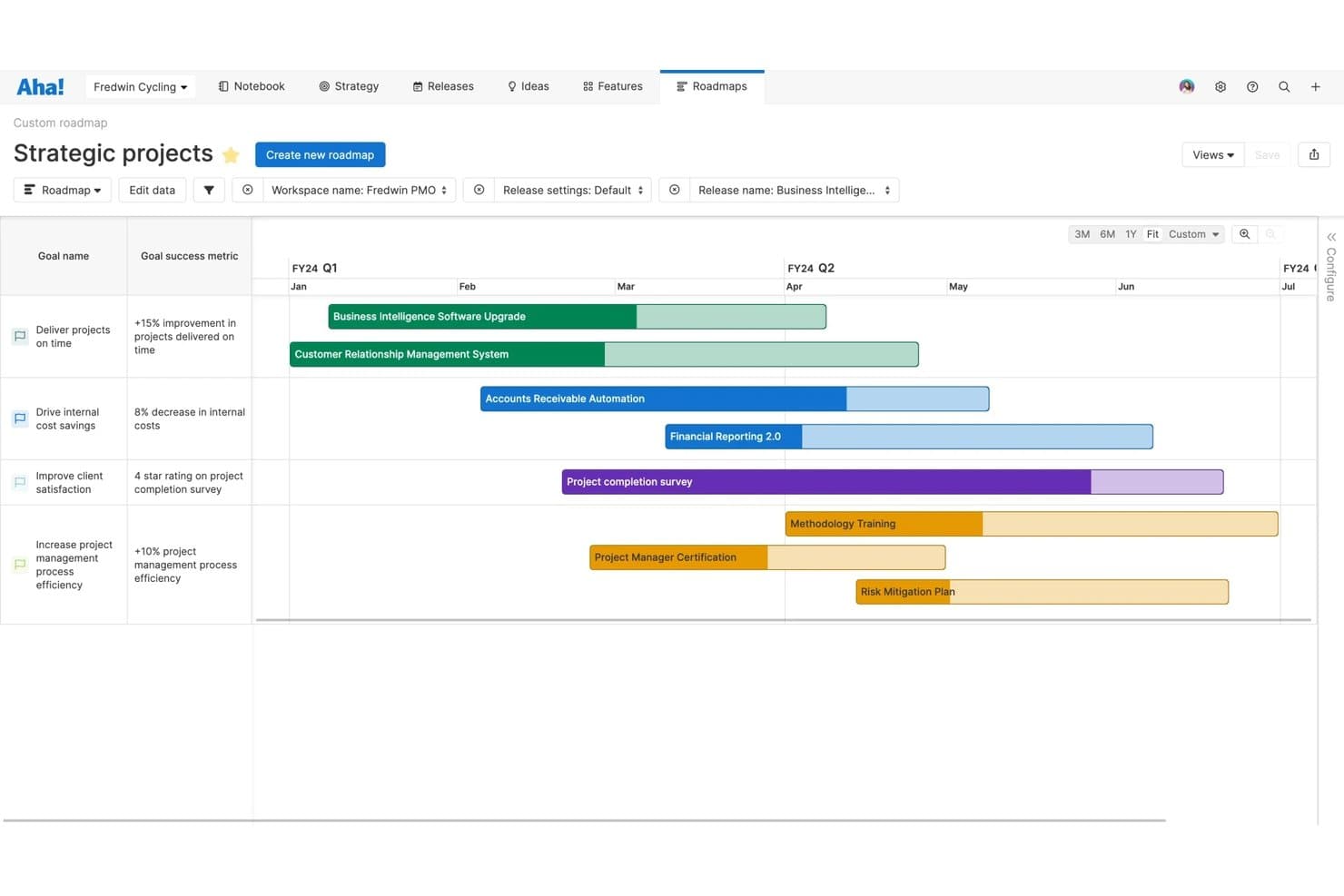
Aha! Roadmaps organizes strategic goals into a visual timeline roadmap. Aha! Roadmaps is product management software for teams that need to connect customer insights, strategic priorities, and delivery plans while keeping product, engineering, and business stakeholders aligned.
Who Is Aha! Roadmaps Best For?
Product leaders at growing and enterprise organizations who need to connect strategic planning with prioritized roadmaps across teams.
Why Aha! Roadmaps Is a Good Best Airfocus Alternatives
I picked Aha! Roadmaps because it connects strategic models, goals, initiatives, releases, and features in one planning hierarchy. Its strategy-to-roadmap depth at scale helps my team trace a portfolio decision to delivery work, while capacity planning and dependency mapping expose tradeoffs before we commit engineering time.
Aha! Roadmaps Key Features
- Idea portals: Collect and organize feedback through customer-facing portals.
- Scorecards: Compare product ideas against configurable criteria and scores.
- Custom fields: Add structured product data to records and reports.
- Reports and dashboards: Build visual reports for product updates.
Aha! Roadmaps Integrations
Aha! Roadmaps offers 30+ direct integrations, including Jira, Azure DevOps, Slack, Salesforce, Zendesk, GitHub, Microsoft Teams, and Google Analytics. It also connects with Zapier and provides an API for custom integrations.
Pros and Cons
Pros:
- Capacity planning exposes delivery tradeoffs early
- Scorecards support transparent prioritization decisions
- Connects strategy, goals, initiatives, and releases
Cons:
- Process depth can overwhelm smaller product teams
- Requires substantial configuration before broad adoption
Learn more about Aha! Roadmaps: Best for stakeholder-facing roadmap publishing
- 14-day free trial available
- From $19/user/month (billed annually)
Visit WebsiteCustomer Rating:4/5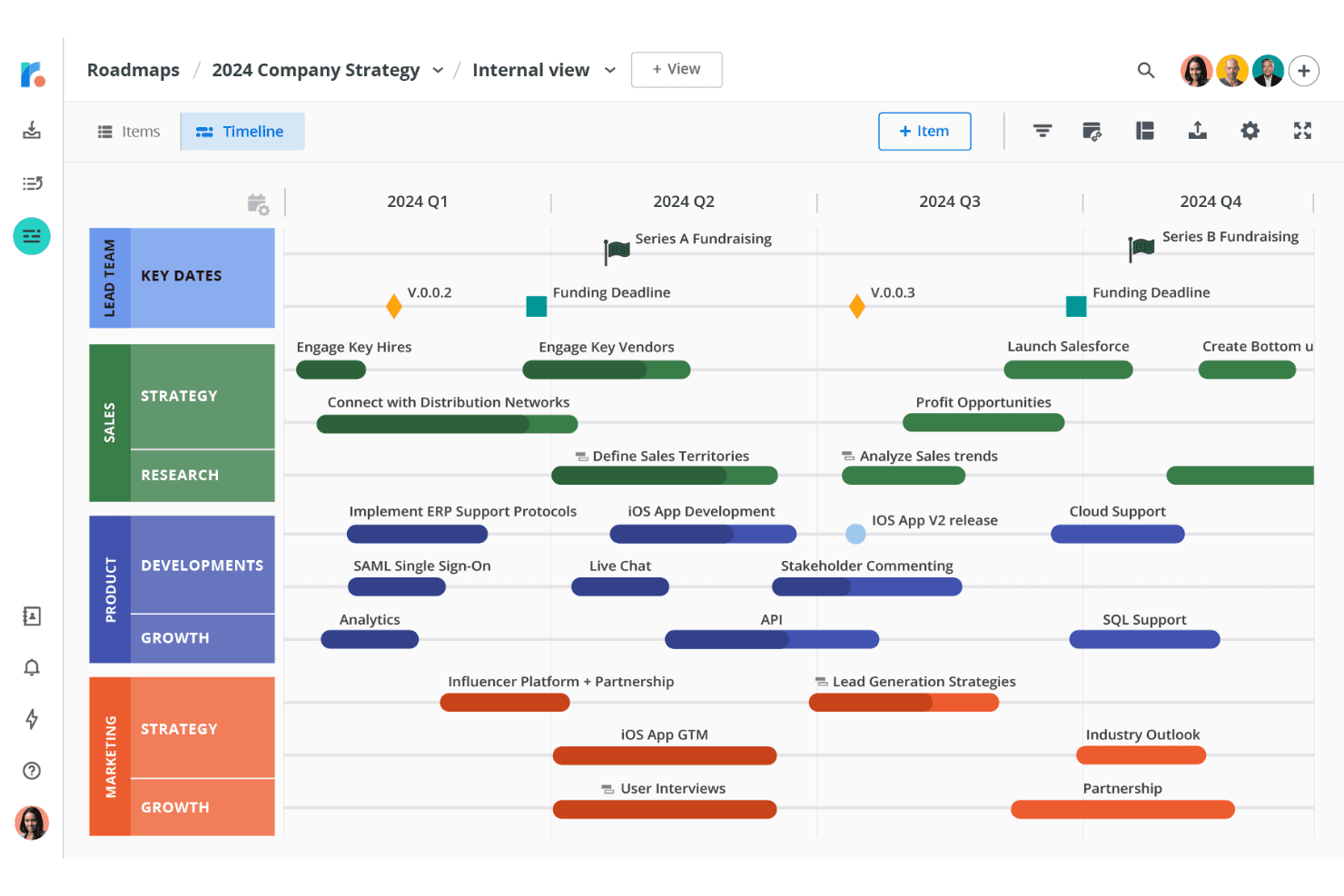
Roadmunk lets product teams plan and visualize cross-functional strategies on a collaborative, timeline-based roadmap. Tempo Roadmapping Software helps product teams turn strategy, customer insights, and delivery plans into clear roadmaps that align executives, engineering, design, and other stakeholders around priorities.
Who Is Tempo Roadmapping Software Best For?
Product managers who need to publish clear, presentation-ready roadmaps for executives, customers, and cross-functional stakeholders.
Why Tempo Roadmapping Software Is a Good Best Airfocus Alternatives
I picked Tempo Roadmapping Software because I can turn strategy, customer insights, and delivery plans into clear, presentation-ready roadmaps. I use it for stakeholder-facing roadmap publishing when executives, engineering, design, and customers need aligned views of priorities. It gives each audience a shared product story without losing delivery context.
Tempo Roadmapping Software Key Features
- Timeline and swimlane views: Switch between visual roadmap formats.
- Dependency mapping: Link initiatives to show delivery relationships.
- Custom fields: Add data fields for products, teams, or initiatives.
- Roadmap filters: Filter views by status, owner, release, or timeframe.
Tempo Roadmapping Software Integrations
Tempo Roadmapping Software integrates with Jira, Azure DevOps, Asana, monday.com, Pivotal Tracker, Shortcut, Trello, GitHub, and GitLab. It also provides a GraphQL API for custom integrations and supports two-way synchronization with Jira and Azure DevOps.
Pros and Cons
Pros:
- Custom scoring frameworks support prioritization
- Shareable links support external stakeholder access
- Multiple views clarify roadmap priorities
Cons:
- Large roadmaps can load slowly
- Baseline management remains manual and cumbersome
Learn more about Tempo Roadmapping Software: 8Best for discovery-to-delivery in one platform
Jira
- Free plan + free trial available
- From $7.91/user/month
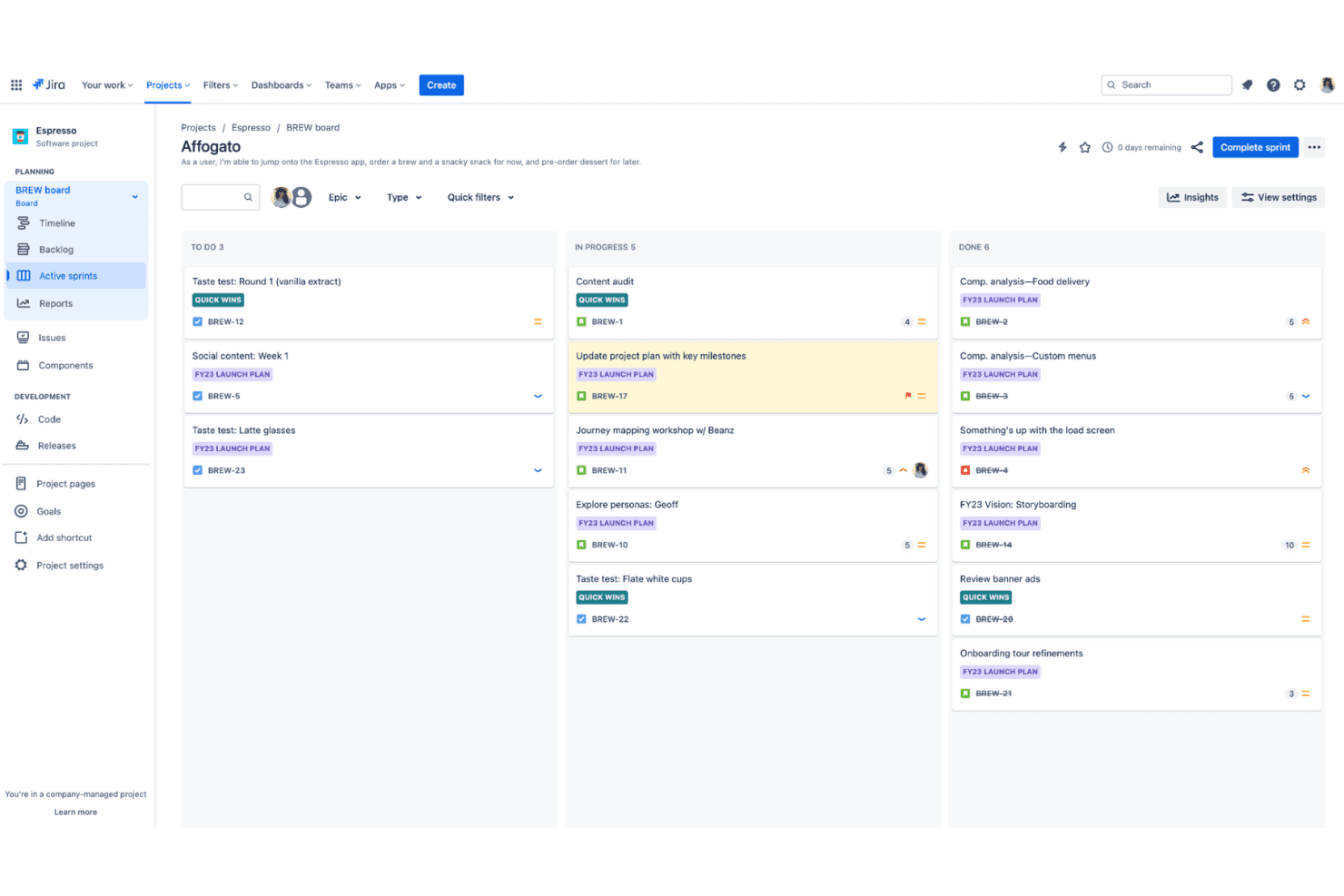
Jira by Atlassian helps development teams manage sprints, backlogs, and active tasks with clarity. Jira is product management software for teams that need to connect customer discovery, product planning, engineering work, and delivery while keeping priorities, backlogs, and cross-functional collaboration aligned.
Who Is Jira Best For?
Jira suits product managers and cross-functional teams that need to connect customer discovery, roadmap planning, software development, and delivery in one workspace.
Why Jira Is a Good Best Airfocus Alternatives
I picked Jira because it connects discovery to delivery in one platform. I use Jira Product Discovery to capture customer insights, prioritize opportunities, and build outcome-focused roadmaps. Teams can then link those decisions to Jira Software issues, sprint work, and releases without losing the original product context.
Jira Key Features
- Custom workflows: Configure statuses, transitions, and approval steps.
- Custom fields: Add structured fields for team-specific product data.
- Dashboards: Build views with charts, filters, and project metrics.
- Automation rules: Trigger actions when defined events or conditions occur.
Jira Integrations
Jira offers 3,000+ integrations through the Atlassian Marketplace, including Slack, Microsoft Teams, GitHub, Bitbucket, Confluence, Trello, Azure DevOps, Jenkins, Figma, and Zoom; it also provides APIs for custom integrations and connects with Zapier.
Pros and Cons
Pros:
- Connects roadmaps with engineering execution
- Supports tailored workflows across product teams
- Links customer insights to delivery work
Cons:
- Roadmap views need more manual upkeep
- Configurations can become administratively heavy
Learn more about Jira: Best for Jira-connected portfolio roadmaps
- 14-day free trial
- Pricing upon request
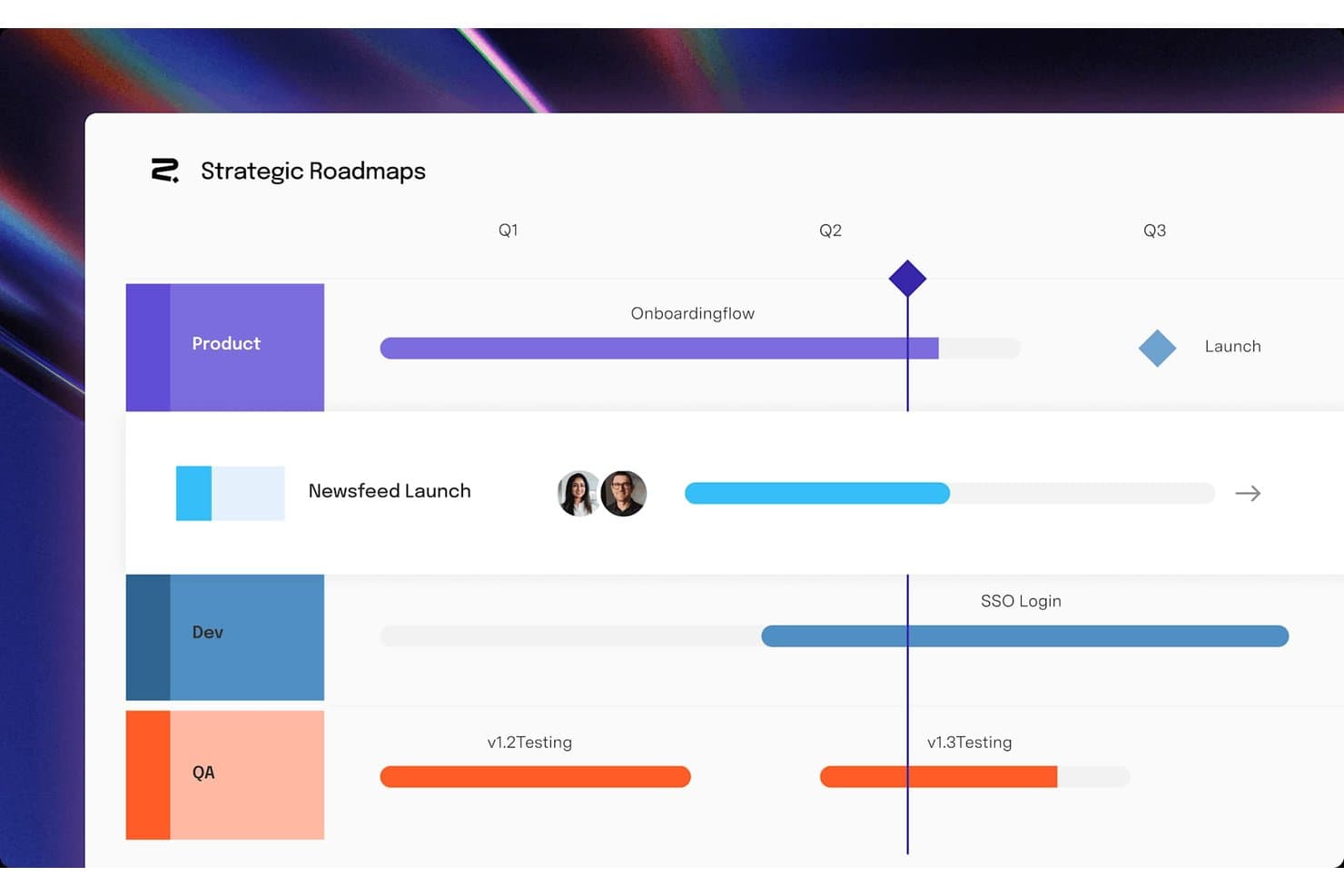
Strategic Roadmaps visualizes product timelines across teams by quarter. Strategic Roadmaps by Tempo is portfolio roadmapping software for product and delivery teams that need to connect long-term planning with Jira work, compare initiatives, and align stakeholders around priorities.
Who Is Strategic Roadmaps Best For?
Product operations and portfolio leaders who need to connect strategic planning with Jira delivery work.
Why Strategic Roadmaps Is a Good Best Airfocus Alternatives
I picked Strategic Roadmaps because I can connect portfolio initiatives directly to Jira delivery work. Its strategic roadmaps help my team compare initiatives, assess priorities, and align stakeholders around which work moves forward. This makes it a strong choice when roadmap decisions need clear links to execution.
Strategic Roadmaps Key Features
- Multiple roadmap views: Switch between timeline, swimlane, and table layouts.
- Dependency tracking: Link dependencies between projects and monitor their status.
- Roadmap templates: Start planning with ready-made templates for common use cases.
- Feedback integration: Collect customer feedback and link it to roadmap items.
Strategic Roadmaps Integrations
Strategic Roadmaps has a native integration with Jira, linking portfolio initiatives to Jira delivery work for connected planning and execution.
Pros and Cons
Pros:
- Customer feedback links to initiatives
- Timeline, swimlane, and table views
- Visual roadmaps simplify stakeholder alignment
Cons:
- Support responsiveness varies by reviewer
- Some users report slower feature development
Learn more about Strategic Roadmaps: Best for Jira-native roadmapping and delivery sync
- Free plan available
- From $10/user/month
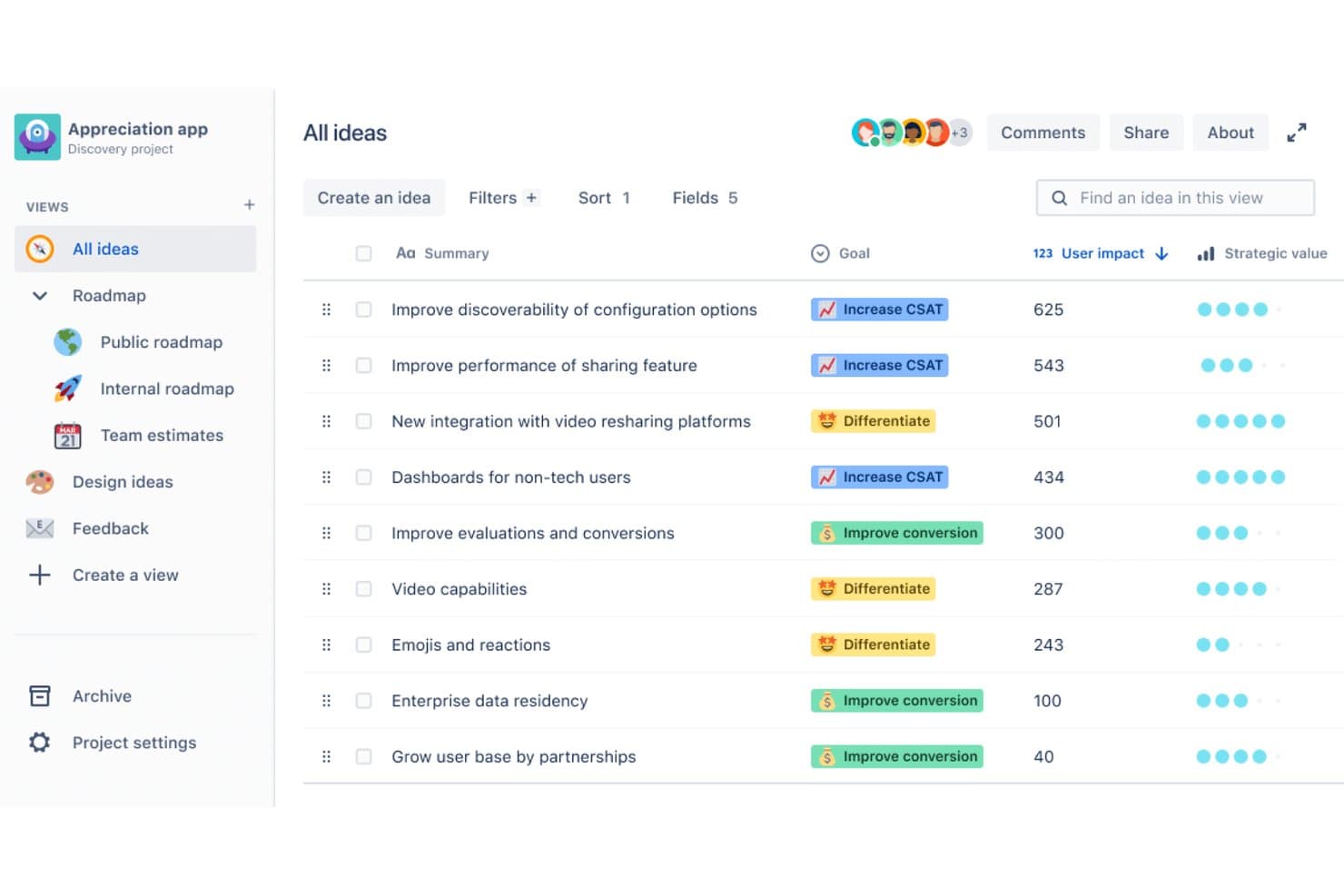
Jira Product Discovery ranks ideas by user impact and strategic value. Jira Product Discovery is a product management workspace for teams that need to turn customer insights into prioritized ideas, align stakeholders around product strategy, and connect planning with Jira delivery.
Who Is Jira Product Discovery Best For?
Product managers and cross-functional teams already using Jira will find Jira Product Discovery useful for connecting ideas, prioritization, roadmaps, and delivery work.
Why Jira Product Discovery Is a Good Best Airfocus Alternatives
I picked Jira Product Discovery because it gives my team a Jira-native roadmapping and delivery sync workflow. We collect customer insights, score ideas with custom fields, and connect prioritized work to Jira issues. That lets us trace a roadmap decision from discovery through engineering delivery without maintaining separate planning records.
Jira Product Discovery Key Features
- Idea forms: Collect structured product requests from stakeholders.
- Custom workflows: Configure statuses and transitions for ideas.
- User permissions: Assign project access by role.
- Project templates: Start with templates for common product workflows.
Jira Product Discovery Integrations
Jira Product Discovery connects with Jira Cloud and Jira Data Center, Slack, Atlassian Goals and Projects, Confluence, Microsoft Teams, Salesforce, and Usersnap through documented integrations. The Jira Data Center connection uses an Atlassian Marketplace app and requires the Premium plan.
Pros and Cons
Pros:
- Stakeholder idea forms centralize product requests
- Custom fields support structured idea scoring
- Connects discovery decisions to delivery work
Cons:
- Portfolio-level reporting remains relatively limited
- Jira-centric workflows constrain non-Jira teams
Learn more about Jira Product Discovery:
Outras alternativas ao Airfocus
Eis algumas alternativas adicionais ao Airfocus que não entraram na minha lista restrita, mas que vale a pena conhecer:
- 11DragonboatBest for product portfolio orchestration
- 12Craft.ioBest for writing detailed feature specs
- 13TargetprocessBest for enterprise portfolio-to-roadmap alignment
- 14MiroBest for whiteboard-native roadmap collaboration
- 15CannyBest for revenue-weighted feedback prioritization
How I Evaluate airfocus Alternatives
I split my evaluation into three parts. First—and most importantly—I check whether a tool can build visual roadmaps and apply weighted prioritization frameworks, since those are the core of what airfocus does. Then I look for standout features like portfolio roadmap rollups and customer feedback portals. Finally, I consider onboarding quality and pricing transparency.
Core Functionality (Table Stakes For This List)
When I'm selecting tools for my list, I score each one on a scale from 0 (does not offer the functionality) to 5 (excels in this area) for each core functionality listed below. I then convert the total into a percentage to help assess each tool's overall fit, with extra weight on any functionalities I’ve deemed essential.
- Roadmapping (Essential): I look for editable visual timelines or swimlanes with flexible grouping, so teams can show priorities and dates to different audiences.
- Prioritization Frameworks (Essential): I check for built-in scoring such as RICE or value versus effort, plus ways to adapt criteria as product strategy changes.
- Feedback Management: I assess whether teams can organize customer requests and link them to roadmap items, making it easier to trace why an initiative is planned.
- Backlog Management: I look for a structured backlog with sorting and prioritization, where teams can move selected items into roadmap planning.
- Delivery Integrations: I consider how roadmap and backlog items connect with tools such as Jira or Azure DevOps, including whether updates sync with delivery work.
- Stakeholder Views: I check whether teams can share tailored roadmap views with customers or executives without exposing internal planning detail.
Once I have a list of tools that meet the criteria, I consider what sets each platform apart.
Differentiating Factors (What Sets Vendors Apart)
Here's how I compare and contrast different vendors:
Standout Features
Portfolio roadmap rollups matter when you're reporting across multiple products or business units. I check whether a tool can aggregate team-level roadmaps into one view a CPO can actually use in a quarterly review. Customer feedback voting portals are equally important. A branded portal where customers submit and upvote requests gives you demand signals tied directly to roadmap items. I also evaluate dependency mapping, since visualizing cross-team blockers on a timeline prevents sequencing conflicts that derail sprints.
Beyond Features
I check how each tool handles onboarding and data migration, since moving roadmaps and backlogs from airfocus mid-quarter can stall a team if import support is weak. Pricing transparency matters too—some vendors charge extra for viewer seats or integrations, which inflates costs once you invite stakeholders beyond the core PM group. I also evaluate SSO and compliance posture, because enterprise procurement teams won't sign off without SOC 2 and SAML support in place.
Por que procurar uma alternativa ao Airfocus?
Embora o Airfocus seja uma boa opção de software de gestão de produtos, existem várias razões pelas quais alguns utilizadores procuram soluções alternativas. Pode estar à procura de uma alternativa ao Airfocus porque…
- Precisa de funcionalidades de elaboração de relatórios mais avançadas
- A sua equipa necessita de melhores opções de integração
- Pretende uma opção mais económica
- Os seus projetos exigem uma maior personalização
- Precisa de suporte para equipas maiores
Se alguma destas situações lhe parece familiar, veio ao sítio certo. A minha lista contém várias opções de software de gestão de produtos mais adequadas para equipas que enfrentam estes desafios com o Airfocus e procuram soluções alternativas.
Principais funcionalidades do Airfocus
Eis algumas das principais funcionalidades do Airfocus, para ajudar a comparar o que as soluções alternativas oferecem:
- Póquer de prioridades: Esta ferramenta de priorização gamificada envolve a sua equipa na tomada de decisões, promovendo o consenso sobre a importância das tarefas.
- Plataforma modular de gestão de produtos: Personalize a sua plataforma de gestão para responder às necessidades específicas da sua equipa, aumentando a flexibilidade.
- Roteiros personalizáveis: Crie roteiros visualmente apelativos com vistas de linha temporal e de gráficos para comunicar claramente a estratégia do produto.
- Estruturas avançadas de priorização: Utilize estas estruturas para ponderar vários fatores e tomar decisões estratégicas fundamentadas.
- Colaboração em tempo real: Mantenha a sua equipa sincronizada com mensagens e atualizações em tempo real, melhorando a colaboração eficaz.
- Vistas interativas de Gantt e Kanban: Gira tarefas e sprints facilmente com estas vistas interativas de quadro.
- Monitorização de dependências: Acompanhe as dependências com precisão para prever e resolver potenciais bloqueios do fluxo de trabalho.
- Sistema abrangente de permissões: Garanta o acesso controlado a informações sensíveis sobre produtos com permissões de utilizador detalhadas.
- Ciclos de feedback integrados: Recolha continuamente as avaliações dos utilizadores e integre-as no desenvolvimento do produto para promover melhorias contínuas.
- Relatórios e análises de impacto: Utilize ferramentas avançadas de análise e elaboração de relatórios para acompanhar eficazmente o progresso e o desempenho.