
Recensione di Framer: Caratteristiche principali, vantaggi, svantaggi e prezzi


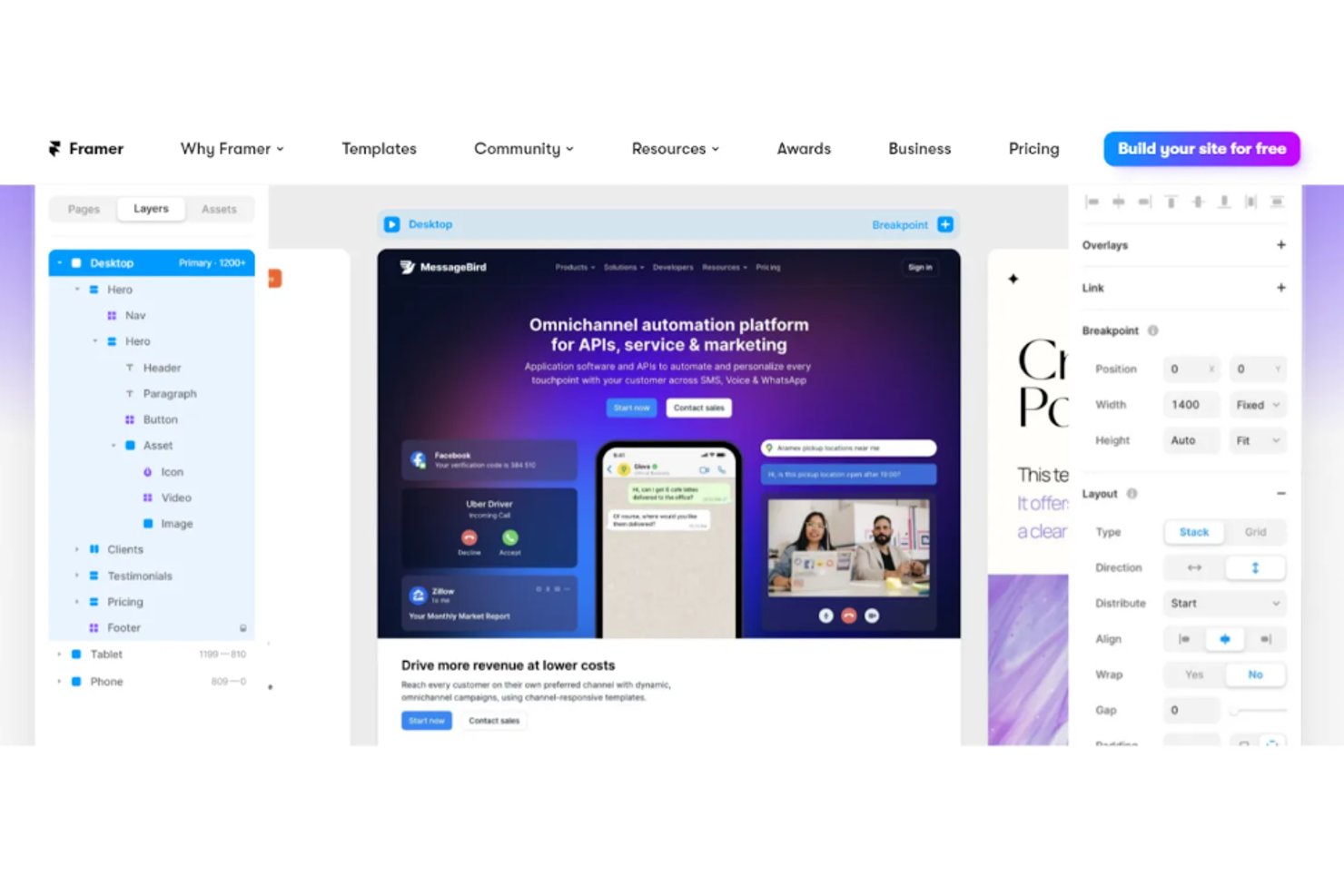
Framer is web design software for product teams and designers who want to turn ideas into interactive prototypes and live sites without heavy coding. I think this is the tool to go with when you need a tool that merges rapid design, collaboration, and robust publishing in one place. Compared to traditional platforms like Adobe XD, Framer stands out for its real-time editing and publishing features, letting you skip handoffs and launch production-ready sites faster.
Framer Evaluation Summary
- From $10/month (billed annually)
- Free plan available
Perché Fidarsi delle Nostre Recensioni Software
Testiamo e recensiamo software per il product management dal 2020. Come product manager sappiamo quanto sia fondamentale e difficile fare la scelta giusta in termini di software. Investiamo in una ricerca approfondita per aiutare il nostro pubblico a prendere decisioni migliori sugli acquisti di software. Abbiamo testato oltre 2.000 strumenti per diversi casi d’uso e scritto più di 1.000 recensioni approfondite.Scopri come assicuriamo la trasparenza & la nostra metodologia di recensione software.
Framer Overview
Framer offers a modern, intuitive interface and real-time collaboration that make it easy for teams to get started and iterate quickly. Its interactive prototyping and responsive design features outperform many alternatives, especially for web-focused projects. Pricing is competitive for small teams, and onboarding is straightforward with strong documentation. However, limited offline access and advanced vector editing may be drawbacks for some.
If you’re judging tools for rapid prototyping, interactive web design, or collaborative workflows, Framer is a top contender—especially for startups or agencies prioritizing speed and flexibility.
pros
-
You can create interactive prototypes with minimal effort.
-
Your team benefits from a user-friendly interface that supports creativity.
-
Framer's real-time collaboration boosts your team's productivity.
cons
-
Some users find the learning curve steep initially.
-
Advanced features might overwhelm smaller teams.
-
You might experience occasional performance lags with complex projects.
-

Zoho Sprints
Visit WebsiteThis rating combines scores from multiple user review sites to reflect overall customer sentiment about the product.4.2 -
Wrike
Visit WebsiteThis rating combines scores from multiple user review sites to reflect overall customer sentiment about the product.4.3 -
monday AI Workspace
Visit WebsiteThis rating combines scores from multiple user review sites to reflect overall customer sentiment about the product.4.6



Come Testiamo e Valutiamo gli Strumenti
Abbiamo passato anni a costruire, perfezionare e migliorare il nostro sistema di test e valutazione del software. Il nostro metodo è stato progettato per cogliere le sfumature della selezione del software e ciò che rende efficace uno strumento, concentrandosi sugli aspetti critici del processo decisionale. Qui sotto puoi vedere esattamente come funzionano i nostri test e la nostra valutazione suddivisa in sette criteri. Questo ci consente di offrire una valutazione imparziale del software sulla base delle funzionalità principali, delle caratteristiche distintive, della facilità d’uso, dell’onboarding, dell’assistenza clienti, delle integrazioni, delle recensioni dei clienti e del rapporto qualità/prezzo.
Funzionalità Principali (25% del punteggio finale)
Il punto di partenza della nostra valutazione sono sempre le funzionalità principali dello strumento. Possiede le funzioni di base che un utente si aspetterebbe di trovare? Alcune di queste sono riservate ai piani tariffari più alti? Ci aspettiamo che uno strumento rispetti almeno le funzionalità di base dei competitors.
Caratteristiche Distintive (25% del punteggio finale)
Successivamente, valutiamo le caratteristiche distintive e non comuni che vanno oltre le funzioni di base normalmente riscontrate in strumenti simili. Un punteggio alto indica funzionalità specializzate o uniche che rendono il prodotto più rapido, efficiente o forniscono un valore aggiunto all’utente. Valutiamo anche la facilità con cui si possono integrare altri strumenti solitamente presenti nella stack tecnologica, ampliando così funzionalità e utilità del software. Gli strumenti che offrono molte integrazioni native, collegamenti di terze parti e accesso API per integrazioni personalizzate ottengono i punteggi migliori.
Facilità d’Uso (10% del punteggio finale)
Consideriamo quanto sia rapido e semplice eseguire le attività definite dalle funzionalità principali tramite lo strumento. Il software con il punteggio più alto è ben progettato, intuitivo da usare, offre app per dispositivi mobili, modelli preimpostati e semplifica anche le attività più complesse.
Onboarding (10% del punteggio finale)
Sappiamo quanto sia importante una rapida adozione da parte del team, quindi valutiamo quanto sia facile imparare ad usare lo strumento con una formazione minima. Valutiamo la velocità con cui un membro del team può configurarsi e iniziare a utilizzare lo strumento senza esperienza. Le soluzioni con punteggio più alto richiedono poco o nessun supporto.
Assistenza Clienti (10% del punteggio finale)
Osserviamo quanto sia facile e veloce ottenere supporto tramite telefono, chat dal vivo o knowledge base. Gli strumenti che offrono supporto in tempo reale ottengono punteggi più alti, mentre i chatbot ricevono i punteggi peggiori.
Recensioni Clienti (10% del punteggio finale)
Oltre ai nostri test e valutazioni, consideriamo il net promoter score di clienti attuali e passati. Valutiamo la probabilità che scelgano nuovamente lo strumento in base alle funzionalità principali. Un software con punteggio elevato riflette un net promoter score alto.
Rapporto Qualità/Prezzo (10% del punteggio finale)
Infine, considerando tutti gli altri criteri, confrontiamo il prezzo medio dei piani base con le funzionalità principali, esaminando il valore degli altri criteri di valutazione. Il software che offre di più, a meno, otterrà un punteggio maggiore.
Core Features
Interactive Prototyping
Framer lets you create clickable and interactive prototypes that mimic real user experiences. This feature is perfect for testing ideas and gathering feedback quickly.
Design Components
You can build reusable design components to maintain consistency across your projects. This helps streamline your design process and saves time.
Real-time Collaboration
Work with your team simultaneously on the same project, making it easy to share ideas and make changes on the fly. This boosts your team's efficiency and creativity.
Responsive Design
Framer's responsive design tools ensure your prototypes look great on any device. Adjust layouts effortlessly to fit different screen sizes.
Animation Tools
You can use Framer's animation tools to add dynamic elements to your designs. Create engaging user experiences with smooth transitions and animations.
Version Control
Keep track of changes with version control, allowing you to revert to previous designs if needed. This feature ensures your work is safe and organized.
Ease of Use
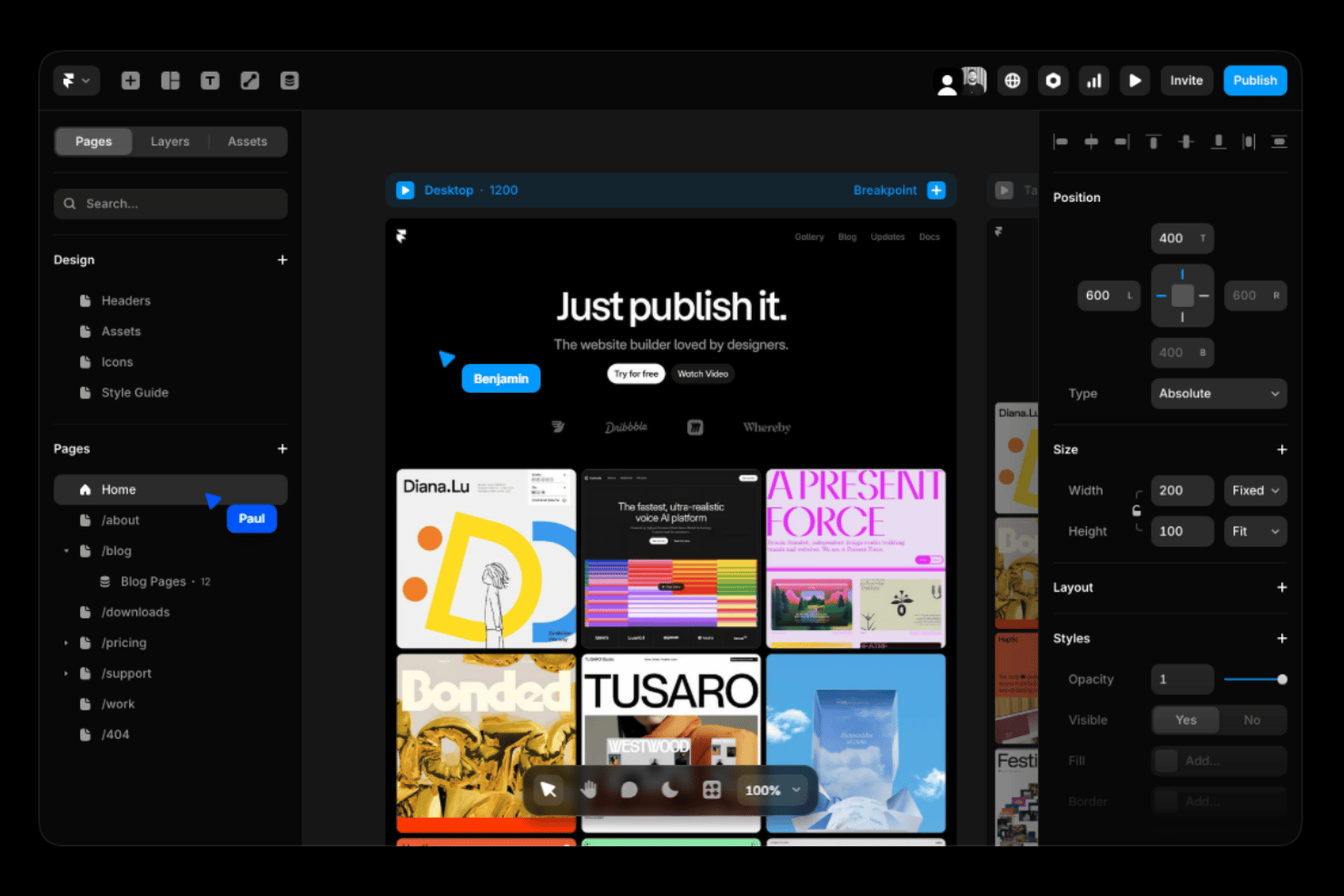
Framer stands out for its intuitive interface and straightforward navigation, making it user-friendly even for those new to UX design software. You’ll find the drag-and-drop functionality and real-time collaboration features especially helpful in simplifying complex tasks. While there’s a learning curve for advanced features, the overall design streamlines your workflow, allowing your team to focus on creativity.
Users appreciate how quickly they can prototype and iterate, thanks to Framer’s efficient design tools.
Integrations
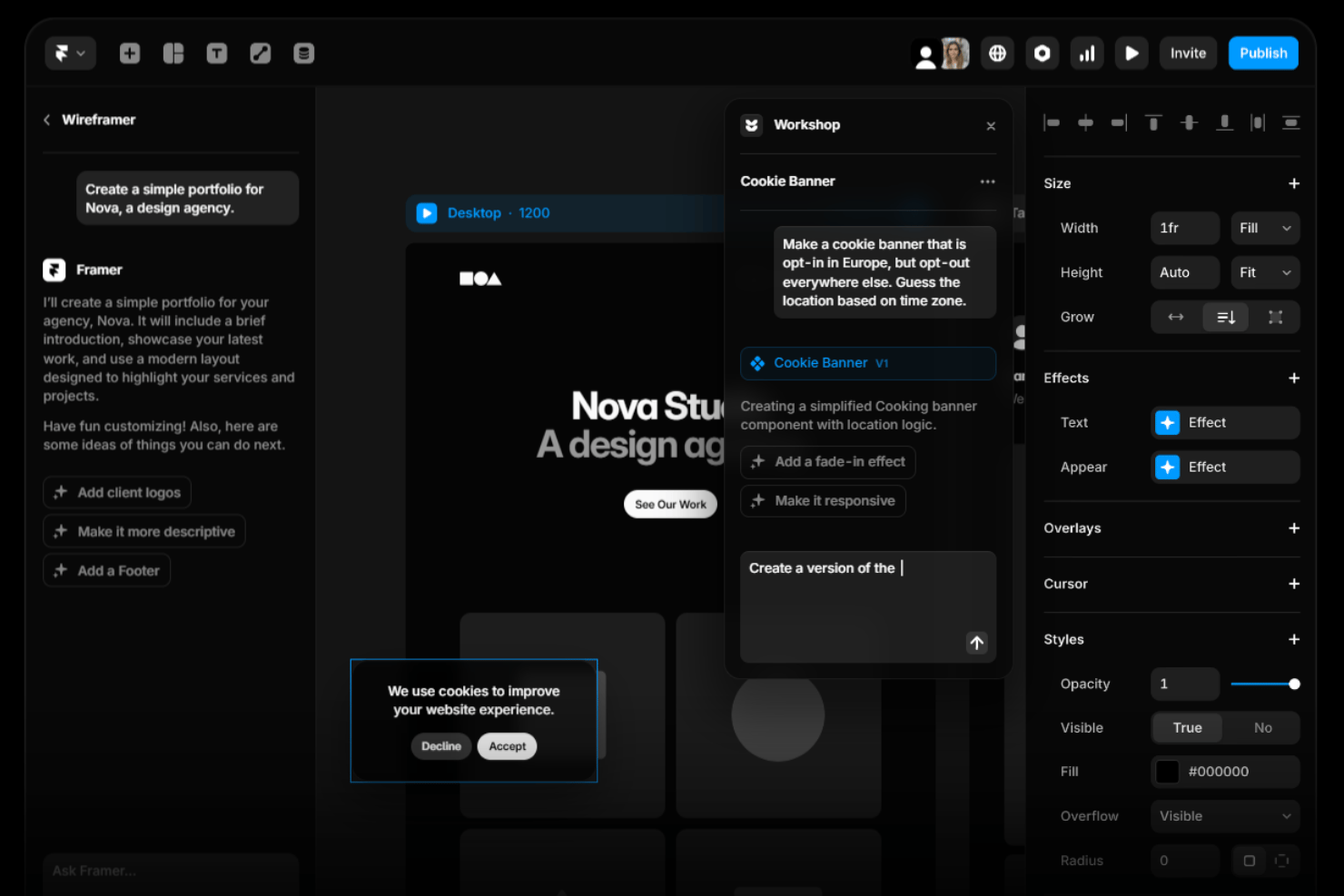
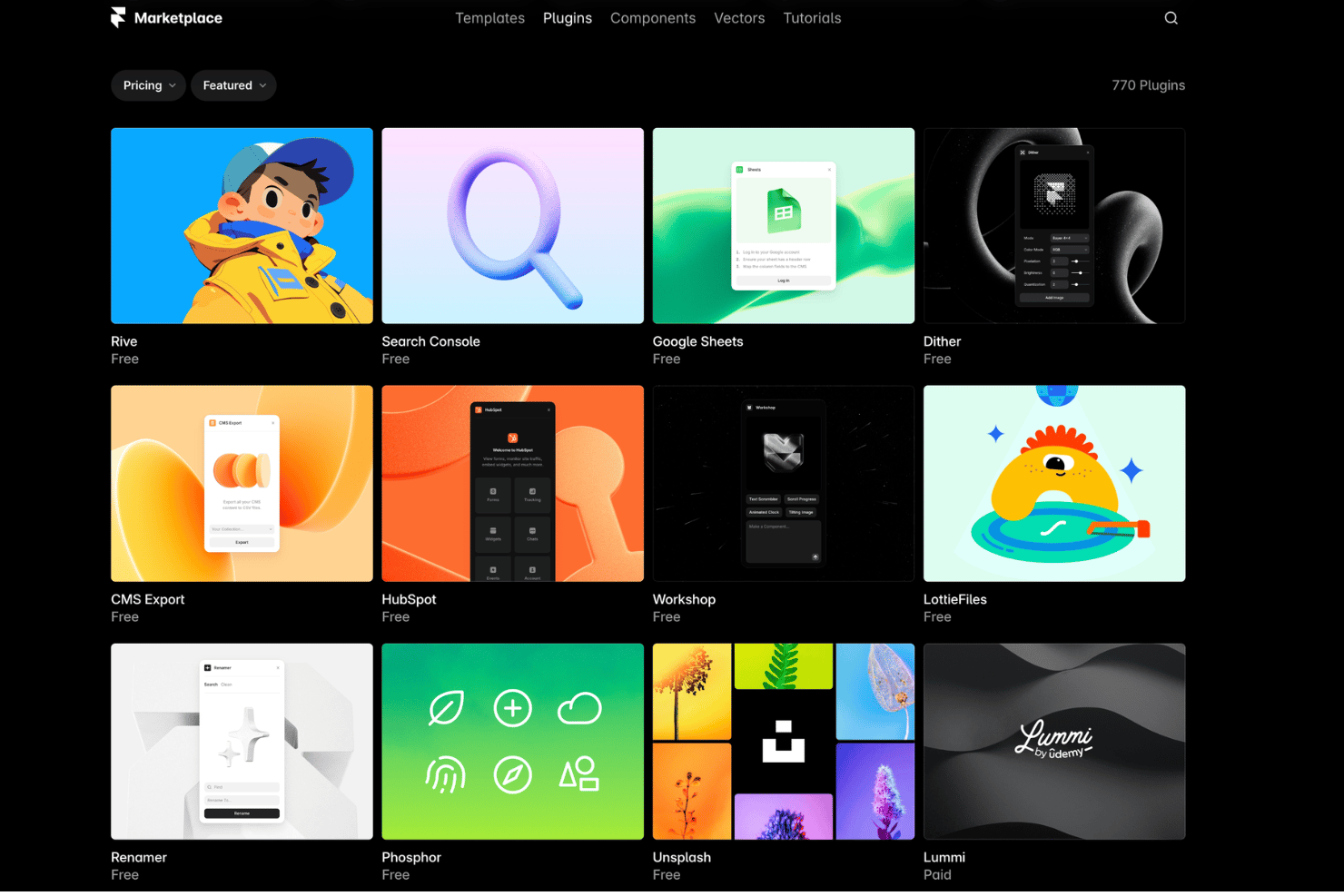
Framer integrates with Unsplash, Google Fonts, YouTube, Vimeo, LottieFiles, Figma, Spline, Google Analytics, Hotjar, and Slack, among others.
Framer also offers an API and supports connections with third-party integration tools for extended functionality.
Framer Specs
- A/B Testing
- API
- Data Export
- Data Import
- External Integrations
- Landing Pages
- Multi-User
- Third-Party Plugins/Add-Ons


