
Framer-arvostelu: tärkeimmät ominaisuudet, hyvät ja huonot puolet sekä hinnoittelu
Framer yhdistää UX-suunnittelun ja verkkosivustojen prototypoinnin yhdeksi alustaksi, joka kattaa interaktiivisen suunnittelun ja yhteistyön lisäksi julkaisemisen, animaatiot ja responsiivisten verkkosivustojen luomisen.

We review tools independently, and commissions help fund our testing. See our transparency policy, our methodology, or suggest a tool.
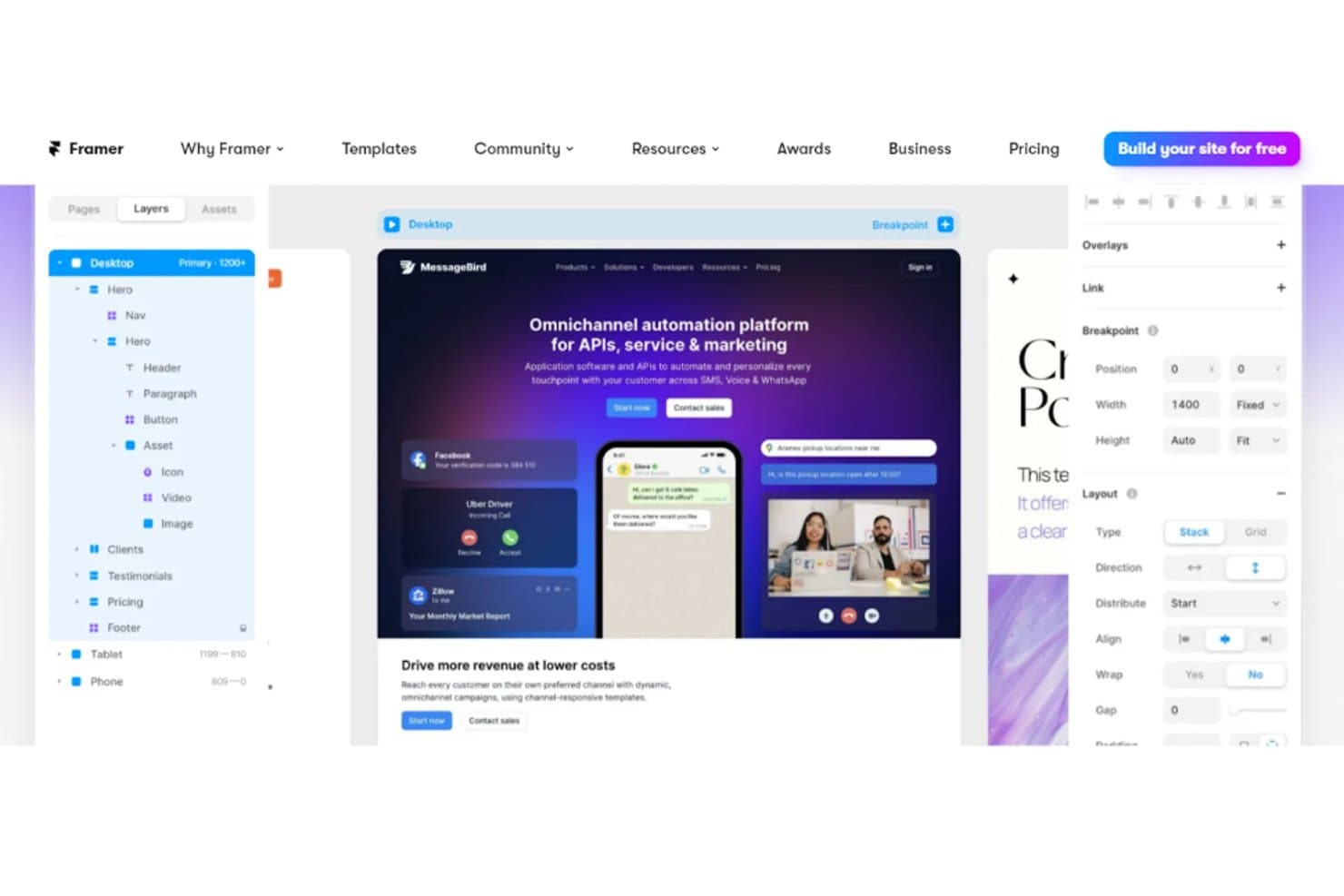
Framer is web design software for product teams and designers who want to turn ideas into interactive prototypes and live sites without heavy coding. I think this is the tool to go with when you need a tool that merges rapid design, collaboration, and robust publishing in one place. Compared to traditional platforms like Adobe XD, Framer stands out for its real-time editing and publishing features, letting you skip handoffs and launch production-ready sites faster.
Framer Evaluation Summary
4.4/5
- From $10/month (billed annually)
- Free plan available
Why Trust Our Software Recommendations
6,700+
Reviews
20
Industry experts
16+
Evaluation factors
14
Years
Our team has been testing and reviewing software since 2012. As product managers ourselves, we know how difficult—and important—it is to choose the right software.
For this guide, we evaluated tools using hands-on testing and independent research, scoring tools using our selection criteria.
Our reviews reflect our human editorial judgment, not a sales pitch.
Expert reviewers:
- Andrew LumbySenior TPM
- Cristiano ValimSenior UI/UX Lead


Framer Overview
Framer offers a modern, intuitive interface and real-time collaboration that make it easy for teams to get started and iterate quickly. Its interactive prototyping and responsive design features outperform many alternatives, especially for web-focused projects. Pricing is competitive for small teams, and onboarding is straightforward with strong documentation. However, limited offline access and advanced vector editing may be drawbacks for some.
If you’re judging tools for rapid prototyping, interactive web design, or collaborative workflows, Framer is a top contender—especially for startups or agencies prioritizing speed and flexibility.
Pros
- You can create interactive prototypes with minimal effort.
- Your team benefits from a user-friendly interface that supports creativity.
- Framer's real-time collaboration boosts your team's productivity.
Cons
- Some users find the learning curve steep initially.
- Advanced features might overwhelm smaller teams.
- You might experience occasional performance lags with complex projects.
Is Framer Right For Your Needs?
Who Would be a Good Fit for Framer?
Framer is perfect for tech startups, digital agencies, and small to medium-sized design teams. If your team values rapid prototyping and interactive design, Framer’s intuitive interface and real-time collaboration features make it an excellent choice.
Product managers and UX/UI designers will appreciate its ability to bring creative ideas to life without technical barriers. Teams that need to iterate quickly and present interactive demos to stakeholders will find Framer especially beneficial.
- Tech StartupsFramer helps your startup quickly prototype and test ideas, allowing faster pivots and innovation.
- Digital AgenciesYour agency can benefit from Framer’s collaborative features for seamless teamwork on client projects.
- Product DesignersFramer’s interactive prototyping lets you create engaging user experiences that stand out.
- Marketing TeamsYour marketing team can use Framer to design interactive landing pages that capture audience attention.
- Freelance DesignersYou can leverage Framer to efficiently create prototypes that impress your clients and win more projects.
- E-commerce CompaniesFramer enables your team to design and test user flows that enhance the online shopping experience.
Who Would be a Bad Fit for Framer?
Framer might not suit large enterprises with complex design workflows or teams needing extensive customization. If your team relies heavily on advanced coding capabilities or requires integration with legacy systems, Framer’s focus on simplicity and rapid prototyping might not meet your needs.
Departments that need a wide range of specialized design tools beyond prototyping could find Framer limiting, as it’s optimized for speed and collaboration rather than extensive feature sets.
- Large EnterprisesFramer may not handle the complex workflows and extensive customization required by large companies.
- Traditional Design TeamsIf your team relies on extensive coding and customization, Framer’s simplicity might feel restrictive.
- Legacy System UsersFramer’s modern approach might not integrate well with older, established systems.
- Advanced DevelopersDevelopers needing in-depth coding tools might find Framer’s focus on design over code limiting.
- Heavy Data AnalystsTeams focusing on data-heavy designs might find Framer’s prototyping capabilities insufficient.
- Specialized IndustriesIndustries requiring niche design tools beyond prototyping may not benefit from Framer’s offerings.
How We Test & Score Tools
We’ve spent years building, refining, and improving our software testing and scoring system. The rubric is designed to capture the nuances of software selection and what makes a tool effective, focusing on critical aspects of the decision-making process.
Below, you can see exactly how our testing and scoring works across seven criteria. It allows us to provide an unbiased evaluation of the software based on core functionality, standout features, ease of use, onboarding, customer support, integrations, customer reviews, and value for money.
Core Functionality (25% of final scoring)
The starting point of our evaluation is always the core functionality of the tool. Does it have the basic features and functions that a user would expect to see? Are any of those core features locked to higher-tiered pricing plans? At its core, we expect a tool to stand up against the baseline capabilities of its competitors.
Standout Features (25% of final scoring)
Next, we evaluate uncommon standout features that go above and beyond the core functionality typically found in tools of its kind. A high score reflects specialized or unique features that make the product faster, more efficient, or offer additional value to the user.
We also evaluate how easy it is to integrate with other tools typically found in the tech stack to expand the functionality and utility of the software. Tools offering plentiful native integrations, 3rd party connections, and API access to build custom integrations score best.
Ease of Use (10% of final scoring)
We consider how quick and easy it is to execute the tasks defined in the core functionality using the tool. High scoring software is well designed, intuitive to use, offers mobile apps, provides templates, and makes relatively complex tasks seem simple.
Onboarding (10% of final scoring)
We know how important rapid team adoption is for a new platform, so we evaluate how easy it is to learn and use a tool with minimal training. We evaluate how quickly a team member can get set up and start using the tool with no experience. High scoring solutions indicate little or no support is required.
Customer Support (10% of final scoring)
We review how quick and easy it is to get unstuck and find help by phone, live chat, or knowledge base. Tools and companies that provide real-time support score best, while chatbots score worst.
Customer Reviews (10% of final scoring)
Beyond our own testing and evaluation, we consider the net promoter score from current and past customers. We review their likelihood, given the option, to choose the tool again for the core functionality. A high scoring software reflects a high net promoter score from current or past customers.
Value for Money (10% of final scoring)
Lastly, in consideration of all the other criteria, we review the average price of entry level plans against the core features and consider the value of the other evaluation criteria. Software that delivers more, for less, will score higher.
Core Features
Interactive Prototyping
Framer lets you create clickable and interactive prototypes that mimic real user experiences. This feature is perfect for testing ideas and gathering feedback quickly.
Design Components
You can build reusable design components to maintain consistency across your projects. This helps streamline your design process and saves time.
Real-time Collaboration
Work with your team simultaneously on the same project, making it easy to share ideas and make changes on the fly. This boosts your team's efficiency and creativity.
Responsive Design
Framer's responsive design tools ensure your prototypes look great on any device. Adjust layouts effortlessly to fit different screen sizes.
Animation Tools
You can use Framer's animation tools to add dynamic elements to your designs. Create engaging user experiences with smooth transitions and animations.
Version Control
Keep track of changes with version control, allowing you to revert to previous designs if needed. This feature ensures your work is safe and organized.
Ease of Use
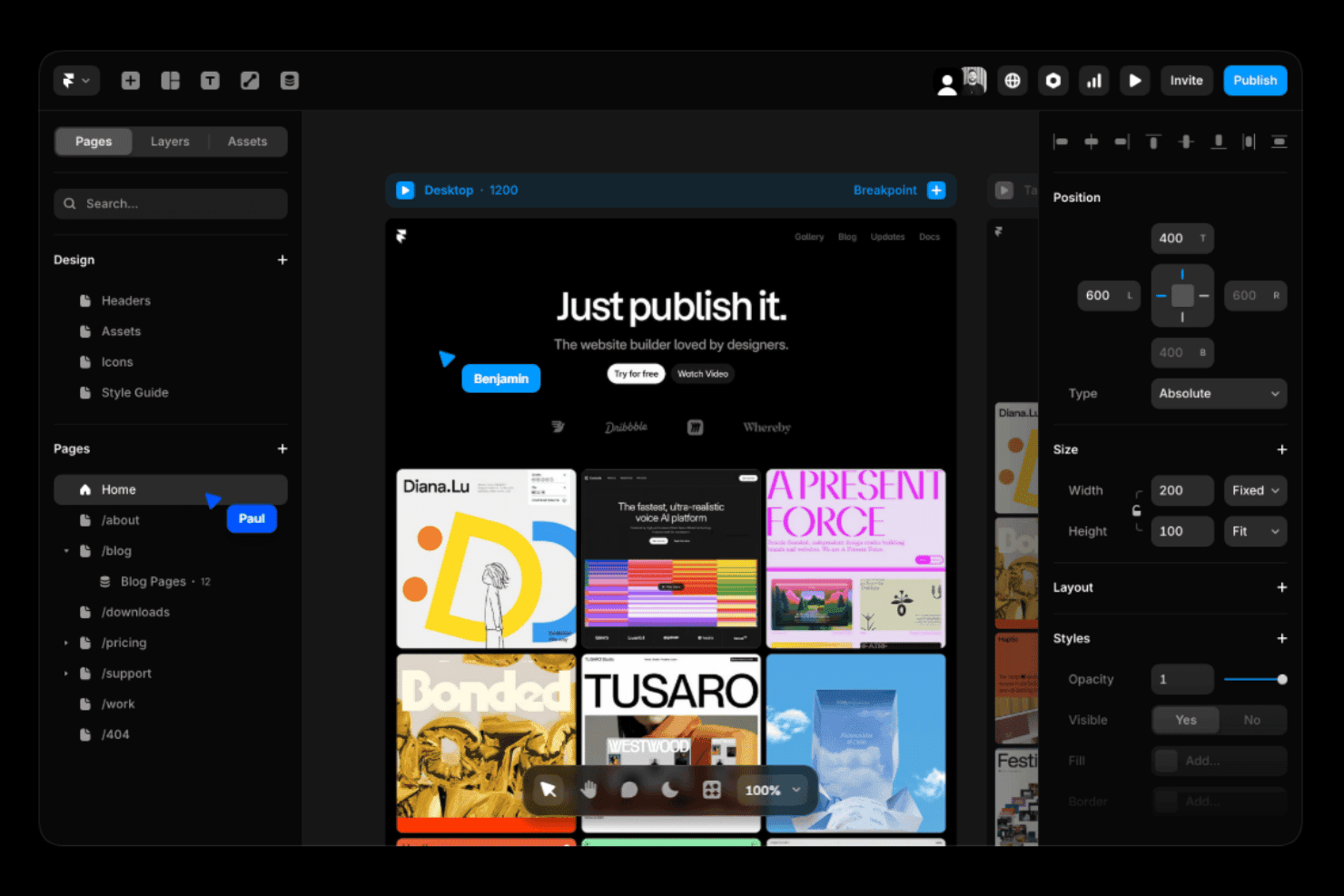
Framer stands out for its intuitive interface and straightforward navigation, making it user-friendly even for those new to UX design software. You’ll find the drag-and-drop functionality and real-time collaboration features especially helpful in simplifying complex tasks. While there’s a learning curve for advanced features, the overall design streamlines your workflow, allowing your team to focus on creativity.
Users appreciate how quickly they can prototype and iterate, thanks to Framer’s efficient design tools.
Integrations
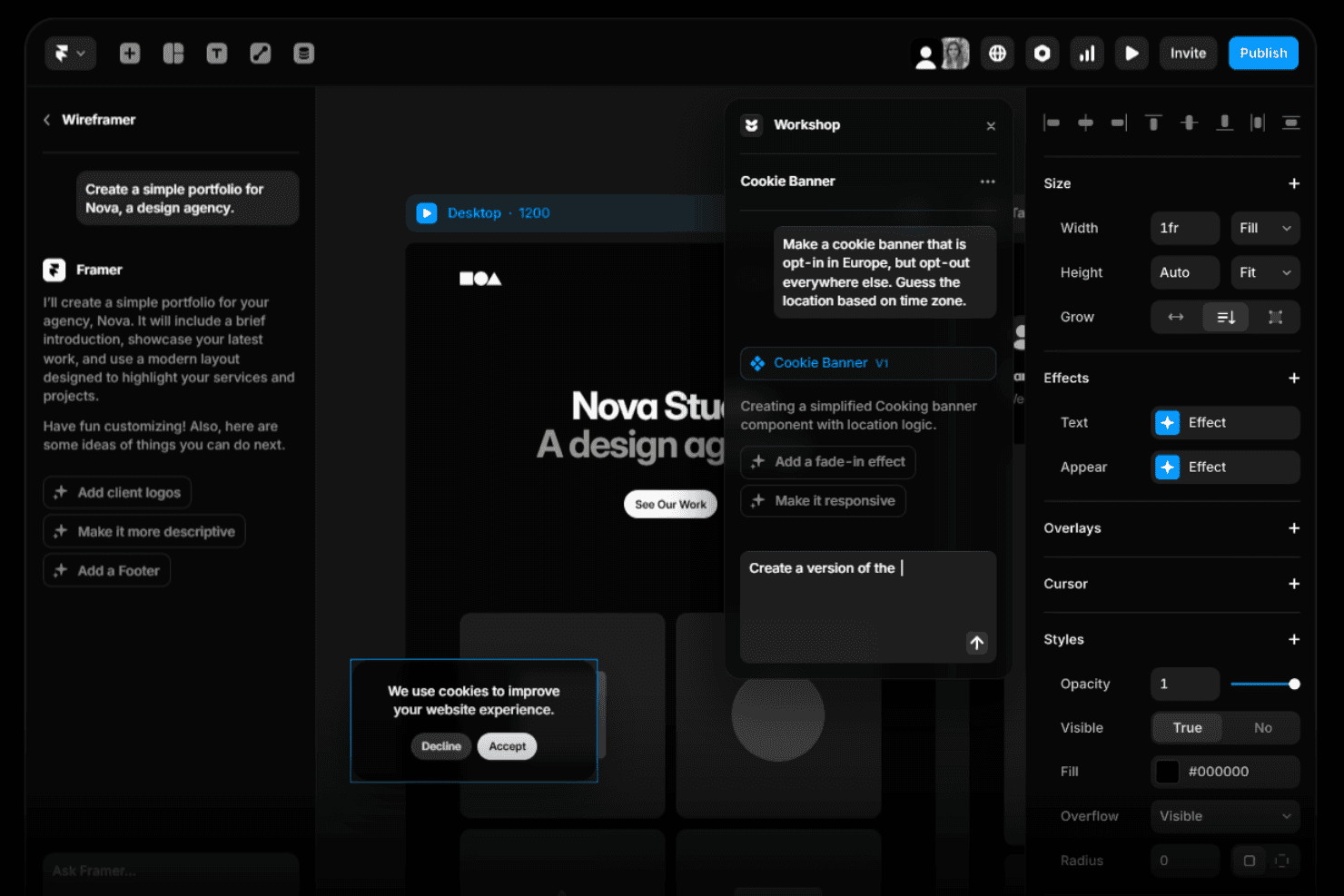
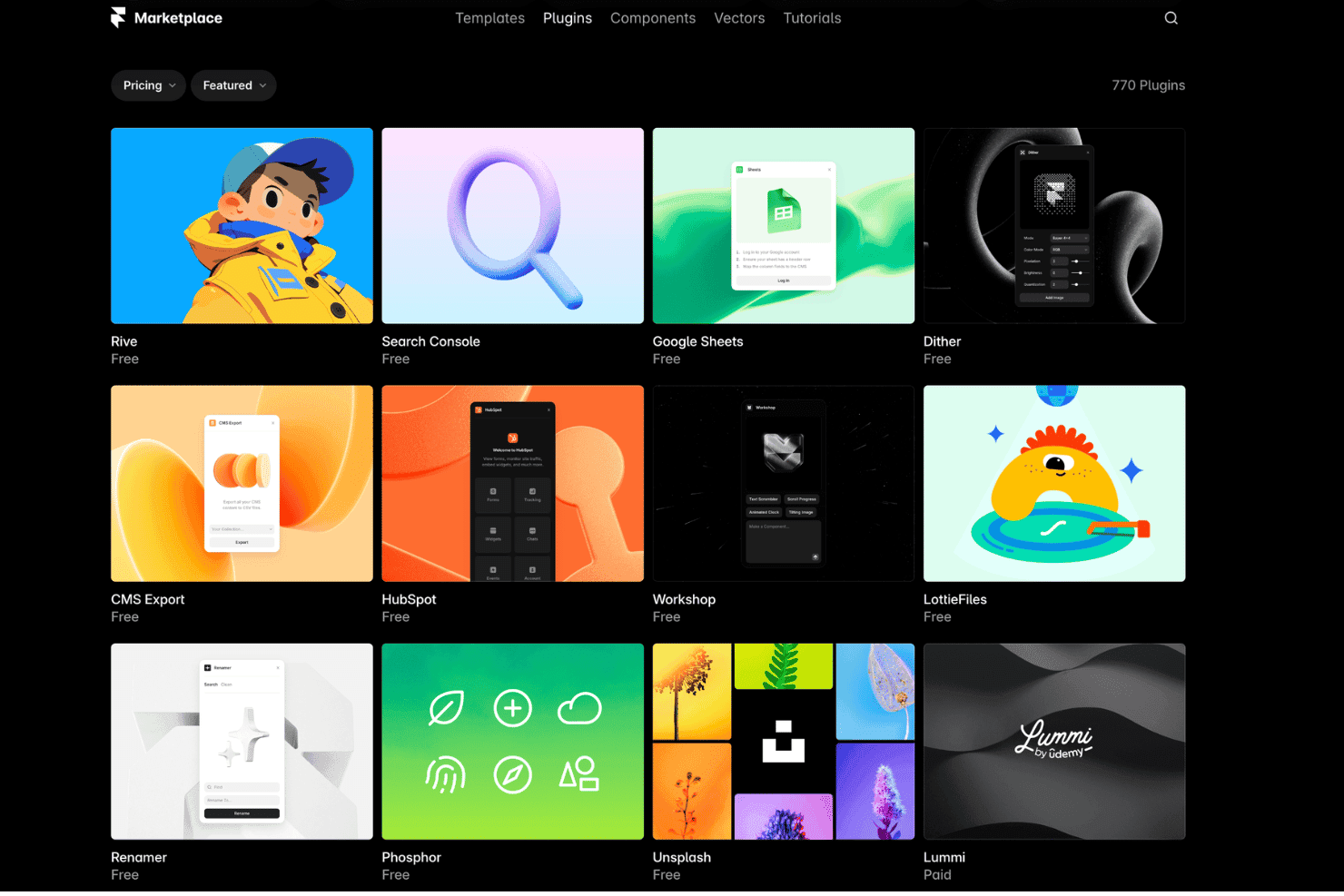
Framer integrates with Unsplash, Google Fonts, YouTube, Vimeo, LottieFiles, Figma, Spline, Google Analytics, Hotjar, and Slack, among others.
Framer also offers an API and supports connections with third-party integration tools for extended functionality.
Framer Specs
- A/B Testing: No
- API: Yes
- Data Export: No
- Data Import: Yes
- External Integrations: Yes
- Landing Pages: Yes
- Multi-User: Yes
- Third-Party Plugins/Add-Ons: Yes


