

Recensione di Similarweb: Pro, Contro, Caratteristiche e Prezzi Spiegati
Similarweb si distingue per le sue solide analisi del traffico web e l’analisi della concorrenza, ma potrebbe non essere adatto ai team che necessitano di approfondite analitiche in-app o di un tracciamento granulare del comportamento degli utenti.

Recensiamo gli strumenti in modo indipendente e le commissioni aiutano a finanziare i nostri test. Consulta la nostra politica sulla trasparenza, la nostra metodologia oppure suggerisci uno strumento.
Similarweb is a product analytics tool for teams that need visibility into competitor traffic, audience behavior, and digital market share. I'd consider it if your focus is market-level competitive intelligence rather than SEO-specific research. If that's your priority, Similarweb gives you a broader view of the competitive landscape than SEMrush does, with stronger benchmarking across industries and channels rather than keyword and backlink data alone.
Similarweb Evaluation Summary
4.5/5
- From $125/month
- Free trial available
Perché fidarsi dei nostri consigli sui software
6,700+
Reviews
20
Industry experts
16+
Evaluation factors
14
Years
Il nostro team testa e recensisce software dal 2012. In quanto product manager noi stessi, sappiamo quanto sia difficile — e importante — scegliere il software giusto.
Per questa guida, abbiamo valutato gli strumenti attraverso test pratici e ricerche indipendenti, assegnando un punteggio agli strumenti in base ai nostri criteri di selezione.
Le nostre recensioni riflettono il nostro giudizio editoriale umano, non un discorso di vendita.
Revisori esperti:
- Andrew LumbySenior TPM
- Cristiano ValimSenior UI/UX Lead


Similarweb Overview
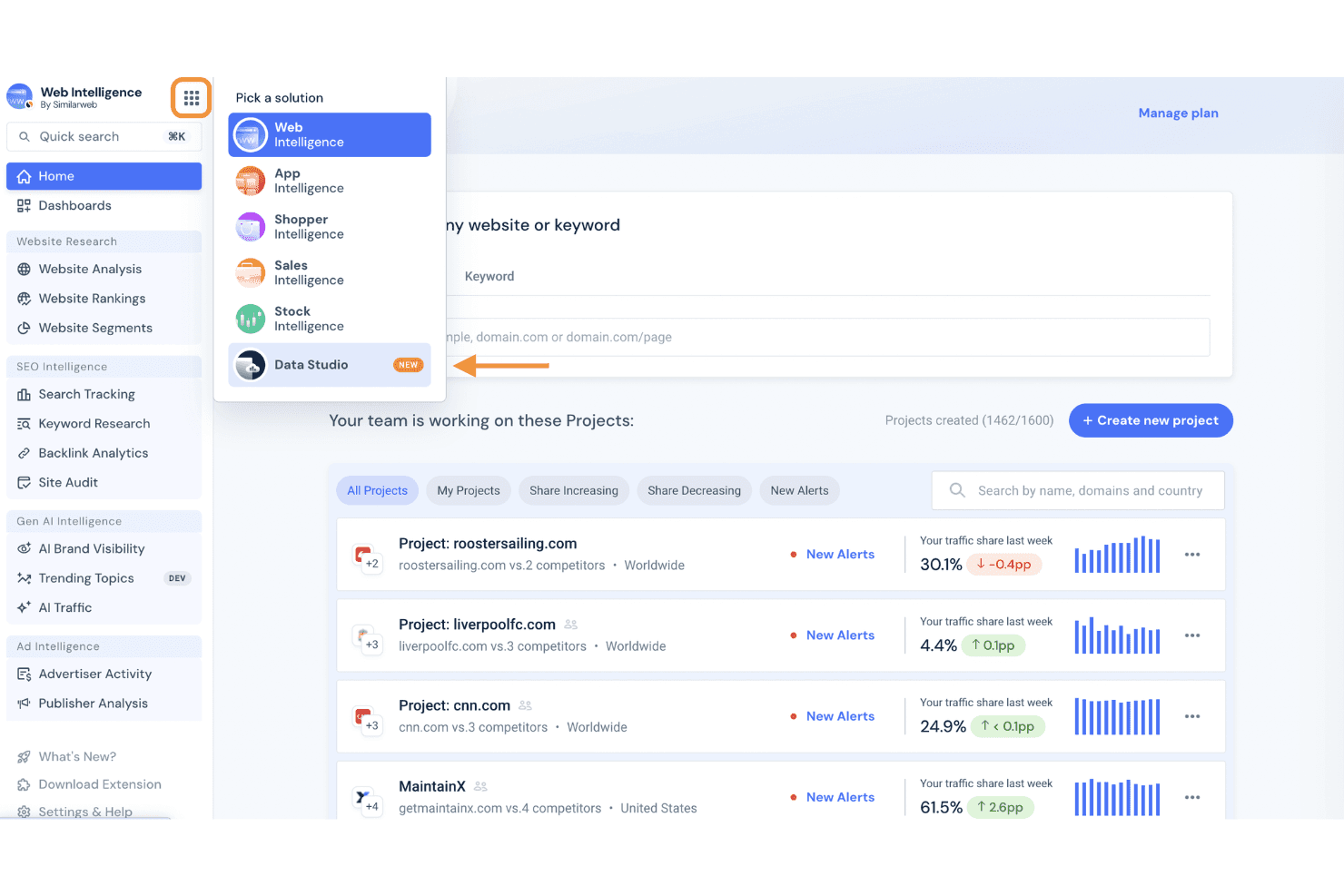
Similarweb offers extensive web and app traffic analytics, making it a strong choice for teams focused on market intelligence and competitor benchmarking. Its interface is intuitive, onboarding is straightforward, and support resources are solid. Pricing can be high for smaller teams, and it lacks the deep in-app event tracking found in some alternatives. Integrations cover most marketing and analytics needs, but may not fit every tech stack. If you’re judging tools for digital market analysis or selecting a platform for competitive research, Similarweb stands out for its breadth of data and ease of use, especially for marketing and growth teams.
Pros
- Delivers detailed competitor and market benchmarking data.
- Offers accurate web and app traffic estimates.
- Provides strong keyword and referral analytics.
Cons
- Lacks granular in-app event and user journey tracking.
- Pricing is high for small or early-stage teams.
- Data sampling can miss niche or low-traffic products.
Is Similarweb Right For Your Needs?
Who Would be a Good Fit for Similarweb?
Similarweb is best suited for organizations that need to benchmark digital performance, analyze competitors, and understand online market trends. Teams in marketing, business development, and strategy roles will find the web and app traffic analytics especially valuable. Its strengths in competitive intelligence and digital research make it a strong choice for industries where online presence and market share are key drivers.
- Digital Marketing AgenciesSimilarweb provides detailed competitor and keyword analytics for campaign planning.
- E-Commerce CompaniesTrack market share, referral sources, and competitor traffic patterns.
- Market Research TeamsAccess broad industry benchmarks, app data, and digital trend data.
- Business DevelopmentIdentify new markets and monitor competitor growth strategies.
- Media and PublishingAnalyze audience sources and content performance across platforms.
- Large EnterprisesLeverage global data coverage for multi-market digital strategy.
Who Would be a Bad Fit for Similarweb?
Similarweb is less effective for teams that need granular, in-app product analytics or those focused on user-level behavior within their own platforms. It’s also not ideal for small businesses with limited budgets or companies in industries where digital presence is not a primary growth driver. If your team needs deep event tracking or user journey mapping, other tools may be a better fit.
- Early-Stage StartupsPricing and data depth may not match limited analytics needs.
- Product Management TeamsLacks in-app event tracking and user journey analysis.
- Customer Success DepartmentsDoes not provide user-level engagement or retention metrics.
- Healthcare ProvidersLimited value for industries with low digital competition.
- Internal IT DepartmentsNot designed for internal system or workflow analytics.
- Niche SaaS VendorsData sampling may miss low-traffic or specialized products.
Come Testiamo e Valutiamo gli Strumenti
Abbiamo passato anni a costruire, perfezionare e migliorare il nostro sistema di test e valutazione del software. Il nostro metodo è stato progettato per cogliere le sfumature della selezione del software e ciò che rende efficace uno strumento, concentrandosi sugli aspetti critici del processo decisionale. Qui sotto puoi vedere esattamente come funzionano i nostri test e la nostra valutazione suddivisa in sette criteri. Questo ci consente di offrire una valutazione imparziale del software sulla base delle funzionalità principali, delle caratteristiche distintive, della facilità d’uso, dell’onboarding, dell’assistenza clienti, delle integrazioni, delle recensioni dei clienti e del rapporto qualità/prezzo.
Funzionalità Principali (25% del punteggio finale)
Il punto di partenza della nostra valutazione sono sempre le funzionalità principali dello strumento. Possiede le funzioni di base che un utente si aspetterebbe di trovare? Alcune di queste sono riservate ai piani tariffari più alti? Ci aspettiamo che uno strumento rispetti almeno le funzionalità di base dei competitors.
Caratteristiche Distintive (25% del punteggio finale)
Successivamente, valutiamo le caratteristiche distintive e non comuni che vanno oltre le funzioni di base normalmente riscontrate in strumenti simili. Un punteggio alto indica funzionalità specializzate o uniche che rendono il prodotto più rapido, efficiente o forniscono un valore aggiunto all’utente. Valutiamo anche la facilità con cui si possono integrare altri strumenti solitamente presenti nella stack tecnologica, ampliando così funzionalità e utilità del software. Gli strumenti che offrono molte integrazioni native, collegamenti di terze parti e accesso API per integrazioni personalizzate ottengono i punteggi migliori.
Facilità d’Uso (10% del punteggio finale)
Consideriamo quanto sia rapido e semplice eseguire le attività definite dalle funzionalità principali tramite lo strumento. Il software con il punteggio più alto è ben progettato, intuitivo da usare, offre app per dispositivi mobili, modelli preimpostati e semplifica anche le attività più complesse.
Onboarding (10% del punteggio finale)
Sappiamo quanto sia importante una rapida adozione da parte del team, quindi valutiamo quanto sia facile imparare ad usare lo strumento con una formazione minima. Valutiamo la velocità con cui un membro del team può configurarsi e iniziare a utilizzare lo strumento senza esperienza. Le soluzioni con punteggio più alto richiedono poco o nessun supporto.
Assistenza Clienti (10% del punteggio finale)
Osserviamo quanto sia facile e veloce ottenere supporto tramite telefono, chat dal vivo o knowledge base. Gli strumenti che offrono supporto in tempo reale ottengono punteggi più alti, mentre i chatbot ricevono i punteggi peggiori.
Recensioni Clienti (10% del punteggio finale)
Oltre ai nostri test e valutazioni, consideriamo il net promoter score di clienti attuali e passati. Valutiamo la probabilità che scelgano nuovamente lo strumento in base alle funzionalità principali. Un software con punteggio elevato riflette un net promoter score alto.
Rapporto Qualità/Prezzo (10% del punteggio finale)
Infine, considerando tutti gli altri criteri, confrontiamo il prezzo medio dei piani base con le funzionalità principali, esaminando il valore degli altri criteri di valutazione. Il software che offre di più, a meno, otterrà un punteggio maggiore.
Core Features
Website Traffic Analysis
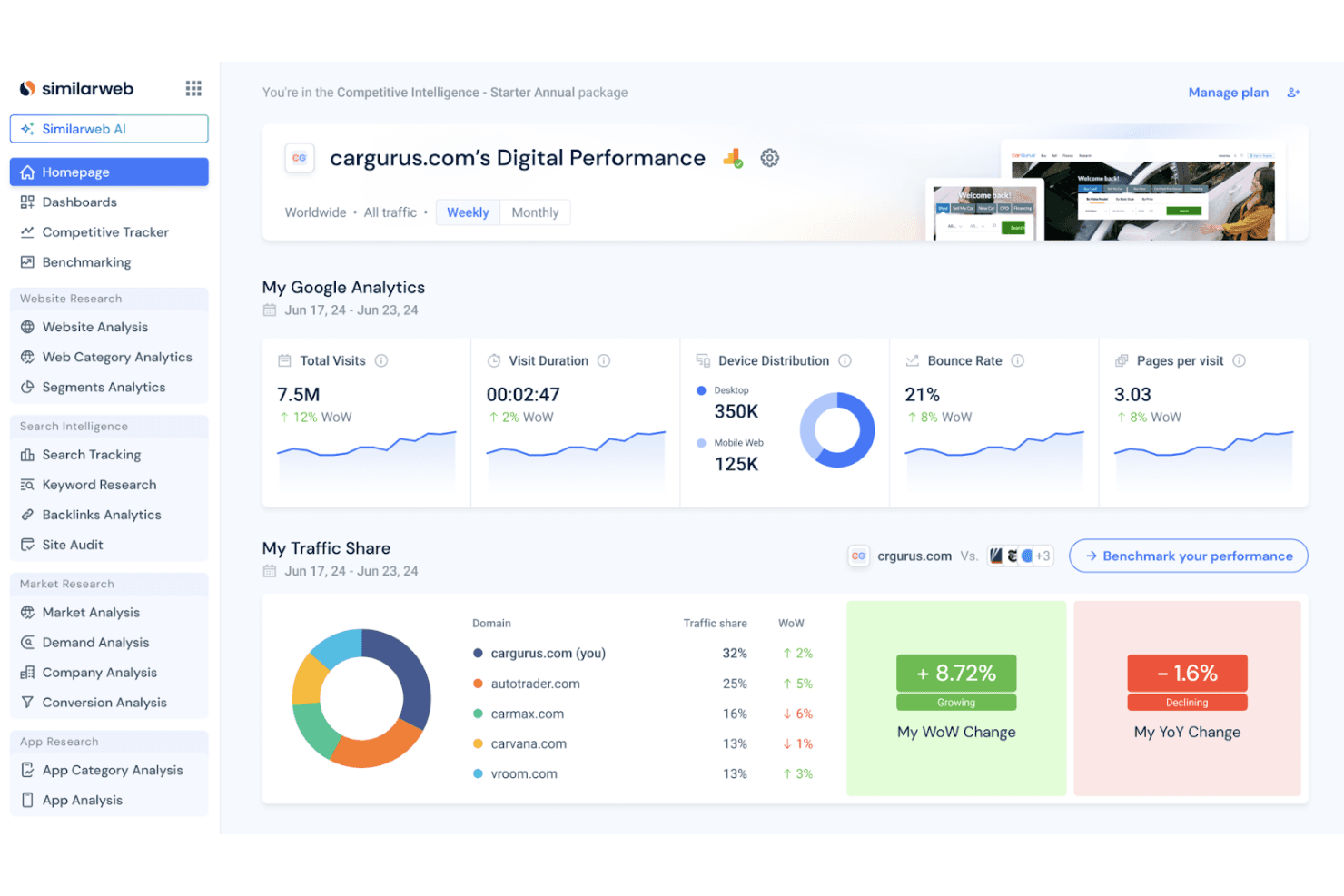
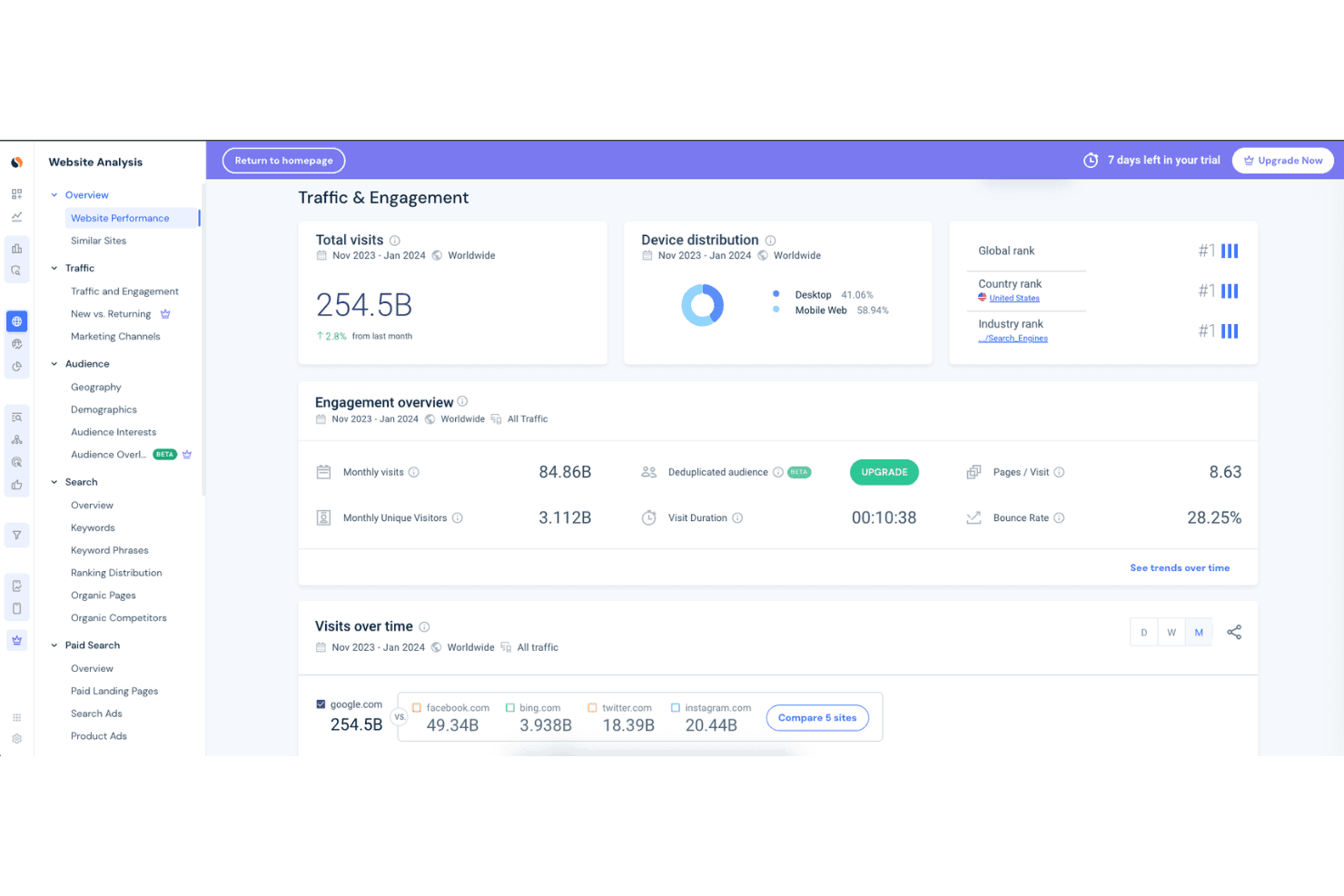
See estimated visits, engagement metrics, and traffic sources for any website. This helps you benchmark performance and spot trends across competitors with in-depth visibility into traffic.
App Analytics
Track downloads, usage, and engagement for mobile apps across markets. Compare your app’s performance to others in your category.
Audience Insights
Understand audience demographics, interests, and geographic distribution. Use this data to refine targeting and content strategies.
Referral and Channel Breakdown
View which channels, search, social, referrals, or direct, drive the most traffic. Identify top partners and optimize acquisition strategies.
Keyword Research and Analysis
Analyze organic and paid keywords driving traffic to any site. Uncover new keyword opportunities and monitor competitor campaigns.
Industry Benchmarking
Access aggregated data to compare your digital presence against industry standards. Identify leaders and emerging trends in your sector using historical data to track performance over time.
Ease of Use
Similarweb is widely recognized for its intuitive dashboard and clear data visualizations, making it accessible even for users new to analytics. Navigation is straightforward, with logical menus and quick access to core reports. Many users highlight the ease of generating competitor comparisons and market overviews without complex setup. While some advanced functionality requires exploration, most teams can quickly extract actionable insights, which sets it apart in terms of user-friendliness among product analytics tools.
Integrations
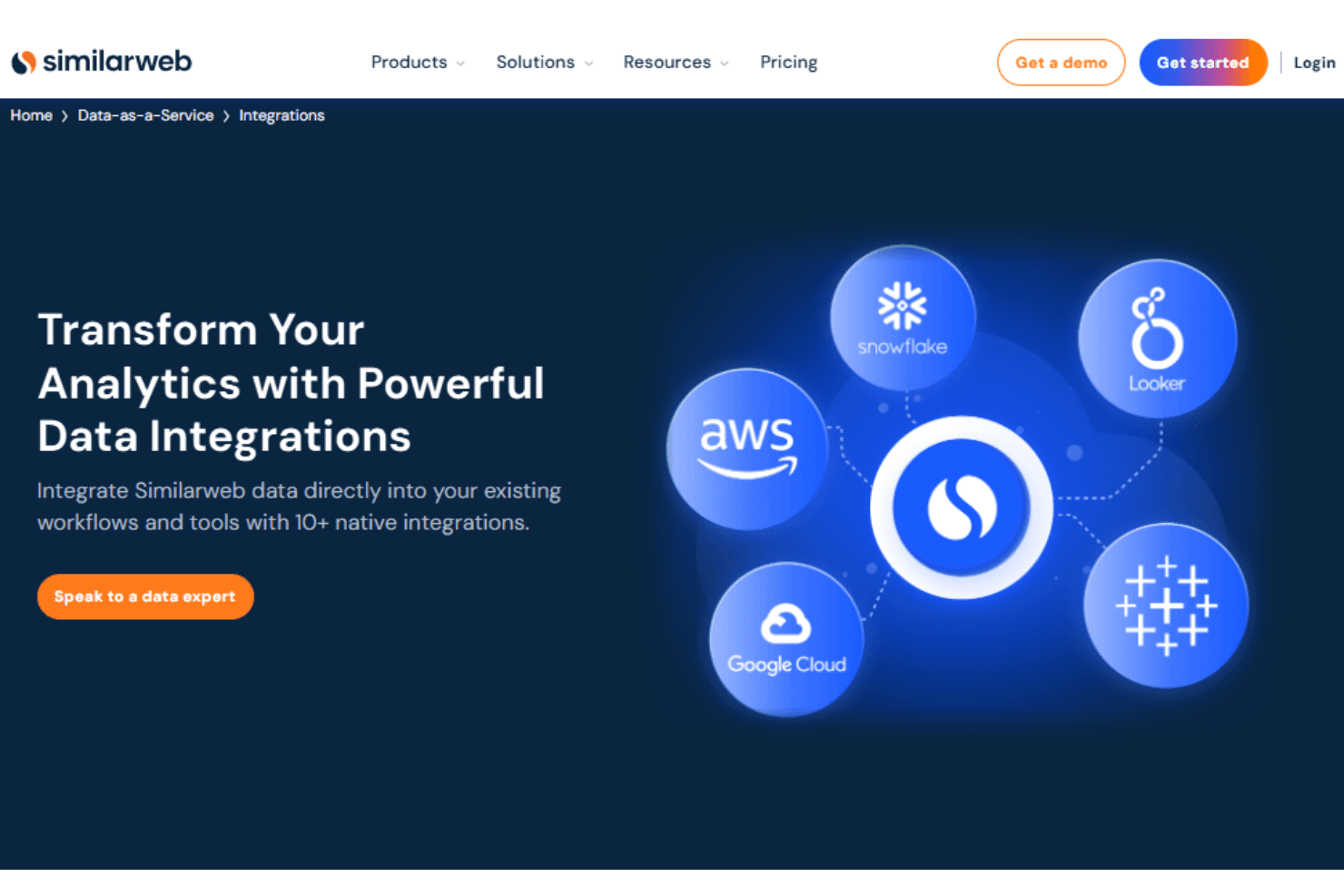
Similarweb integrates with HubSpot and Salesforce, allowing teams to enrich CRM data with digital insights. It also connects with cloud platforms like AWS and BI tools such as Google Looker Studio.
The platform offers APIs and webhook support for custom data access and can integrate with third-party tools to extend workflows.
Similarweb Specs
- A/B Testing: Yes
- Access Management: Yes
- Analytics: Yes
- API: Yes
- Conversion Tracking: Yes
- Custom Reports: Yes
- Customer Management: Yes
- Dashboards: Yes
- Data Export: Yes
- Data Import: Yes
- Data Mining: Yes
- Data Visualization: Yes
- External Integrations: Yes
- Forecasting: Yes
- Inventory Tracking: Yes
- Keyword Tracking: Yes
- Link Tracking: Yes
- Multi-User: Yes
- Notifications: Yes
- Project Management: Yes
- Reports: Yes
- Scenario Planning: Yes
- SEO: Yes
- Supplier Management: Yes
- Visualization: Yes


