

Encontrar la plataforma de investigación adecuada puede ser todo un reto para los responsables de producto. Necesitas herramientas que ofrezcan información útil sin añadir complejidad a tu flujo de trabajo. Puede que estés buscando alternativas a Sprig por muchos motivos. Quizá quieras funciones más específicas o una mejor integración con tus sistemas actuales.
Según mi experiencia, contar con la herramienta adecuada puede determinar la capacidad de tu equipo para recopilar información práctica. Por eso he probado y analizado de forma independiente varias alternativas a Sprig. Cada una tiene fortalezas únicas que podrían adaptarse mejor a tus necesidades.
En este artículo compartiré mis principales recomendaciones y ofreceré una visión imparcial de lo que aporta cada herramienta. Encontrarás una variedad de opciones que ayudarán a tu equipo a tomar decisiones fundamentadas y a mejorar sus esfuerzos de gestión de producto.
¿Qué es Sprig?
Sprig es una herramienta de plataforma de investigación diseñada para recopilar información de los usuarios mediante diversos mecanismos de comentarios. La utilizan habitualmente responsables de producto, investigadores de experiencia de usuario y profesionales de marketing para comprender el comportamiento de los usuarios y mejorar sus experiencias con el producto.
Funciones como las entrevistas en vídeo, las pruebas de conceptos y las encuestas dentro del producto respaldan tus esfuerzos por recopilar datos significativos y tomar decisiones fundamentadas. En general, Sprig ayuda a tu equipo a convertir los comentarios de los usuarios en información práctica que mejora el éxito de tu producto.
Tabla comparativa de alternativas a Sprig
Esta tabla comparativa destaca los detalles de precios de mis principales alternativas a Sprig.
| Tool | Best For | Trial Info | Price | ||
|---|---|---|---|---|---|
| 1 | Ideal para estudios de reclutamiento de paneles moderados por IA | Plan gratuito disponible | Desde $28/mes (facturado anualmente) | Website | |
| 2 | Ideal para obtener información de usuarios en tiempo real | Demo gratuita disponible | Precios bajo solicitud | Website | |
| 3 | Ideal para encuestas dentro de la aplicación | Plan gratuito + demostración gratuita disponible | Desde $19.99/mes (facturado anualmente) | Website | |
| 4 | Ideal para pruebas de usuarios remotas | Demostración gratuita disponible | Precios bajo solicitud | Website | |
| 5 | Ideal para la incorporación y orientación de usuarios | Plan gratuito + prueba gratuita de 30 días + demostración gratuita disponible | Precios bajo solicitud | Website | |
| 6 | Ideal para encuestas y comentarios rápidos | Prueba gratuita de 10 días + plan gratuito + demostración gratuita disponible | Desde $89/mes | Website | |
| 7 | Ideal para la gestión de experiencias en distintas plataformas | Demostración gratuita disponible | Precios bajo solicitud | Website | |
| 8 | La mejor opción para la segmentación avanzada de usuarios en encuestas | Prueba gratuita de 30 días + plan gratuito. + demostración gratuita disponible | Desde $124/mes (facturado anualmente) | Website | |
| 9 | Ideal para la investigación mediante pruebas de árbol y clasificación de tarjetas | Prueba gratuita de 7 días + demostración gratuita disponible | Desde $199/mes (facturado anualmente) | Website | |
| 10 | La mejor opción para entrevistas moderadas por IA | Plan gratuito + demostración gratuita disponible | Precios bajo solicitud | Website |


Por qué confiar en nuestras recomendaciones de software
6,700+
Reviews
20
Industry experts
16+
Evaluation factors
14
Years
Nuestro equipo lleva probando y evaluando software desde 2012. Como gestores de producto, sabemos lo difícil —y lo importante— que es elegir el software adecuado.
Para esta guía, evaluamos las herramientas mediante pruebas prácticas e investigación independiente, puntuando las herramientas según nuestros criterios de selección.
Nuestras reseñas reflejan nuestro criterio editorial humano, no un discurso de ventas.
Revisores expertos:
 Hannah ClarkSenior TPM
- Cristiano ValimSenior UI/UX Lead

Análisis de las mejores alternativas a Sprig
A continuación encontrarás mis resúmenes detallados de las mejores alternativas a Sprig que llegaron a mi lista. Mis análisis ofrecen una visión detallada de las funciones principales, los pros & contras, las integraciones y los casos de uso ideales de cada herramienta para ayudarte a encontrar la más adecuada para ti.
 Ideal para estudios de reclutamiento de paneles moderados por IA
- Plan gratuito disponible
- Desde $28/mes (facturado anualmente)
Visit WebsiteCustomer Rating:4.7/5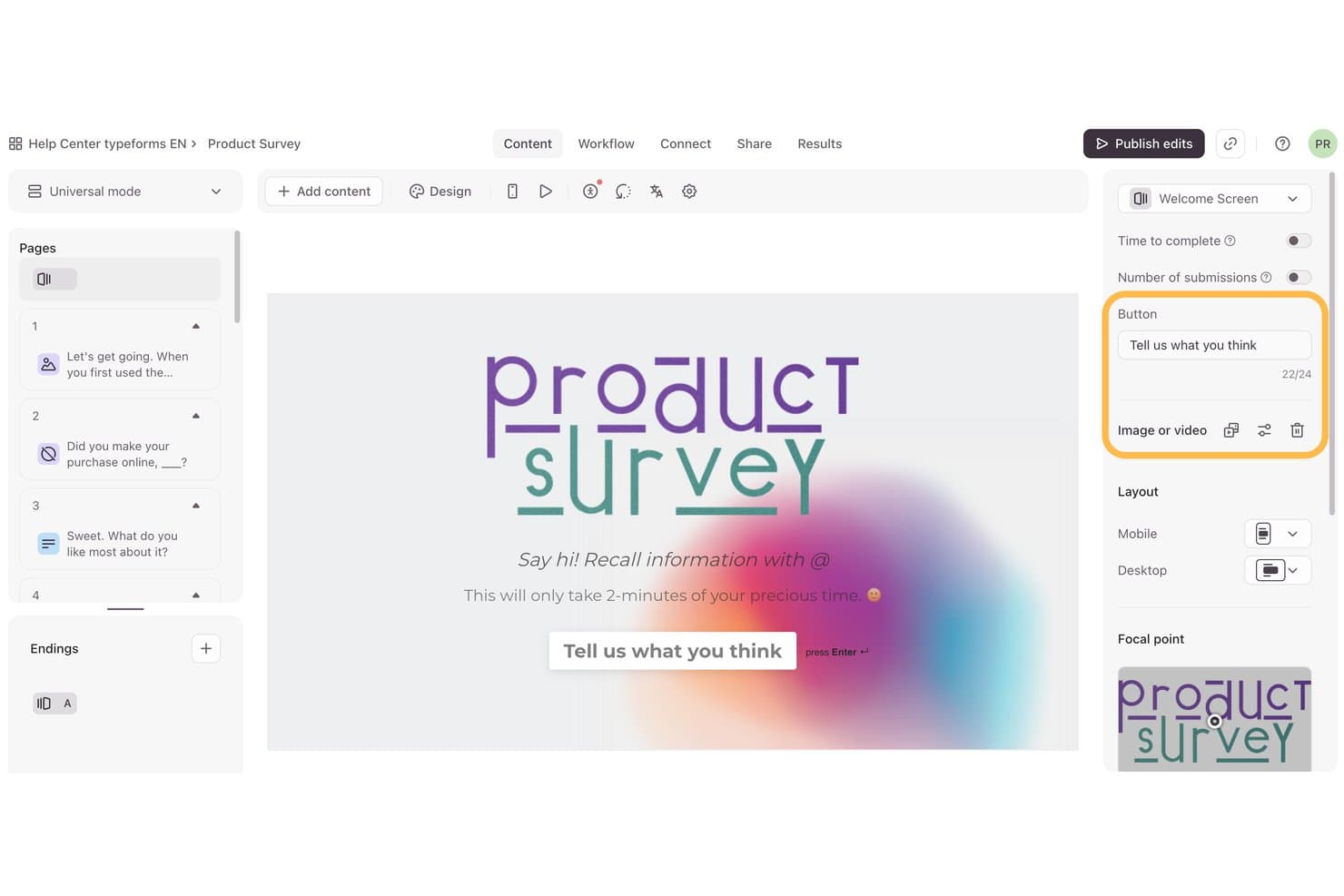
Typeform permite a los usuarios personalizar el texto y el diseño del botón de la pantalla de bienvenida. Typeform es una plataforma de investigación de UX para equipos de producto que necesitan encuestas, formularios y entrevistas atractivos para recopilar comentarios de clientes, validar ideas y reemplazar los flujos de trabajo de investigación rígidos por experiencias más conversacionales.
¿Para quién es mejor Typeform?
Typeform es adecuado para investigadores de UX que necesitan reclutar y seleccionar participantes para estudios de paneles moderados por IA.
Por qué Typeform es una buena alternativa a Sprig
Elegí Typeform porque sus formularios conversacionales me ayudan a seleccionar y reclutar participantes para estudios de reclutamiento de paneles moderados por IA. Utilizo la lógica de ramificación para dirigir a los encuestados que cumplen los requisitos hacia las rutas de investigación pertinentes, mientras que sus preguntas estructuradas recopilan datos demográficos, uso del producto y detalles de elegibilidad antes de seleccionar el panel.
Características principales de Typeform
- Personalización del diseño: Aplica temas, fuentes, colores, imágenes y diseños personalizados.
- Análisis de respuestas: Revisa las tasas de finalización y los datos de respuestas desde un panel de informes.
- Integraciones con aplicaciones: Conecta Typeform con herramientas como Slack, Google Sheets y HubSpot.
- Opciones de inserción: Publica formularios como experiencias integradas, emergentes, en la barra lateral o de página completa.
Integraciones de Typeform
Typeform ofrece integraciones con Slack, Google Sheets, HubSpot y Notion a través de su mercado de aplicaciones, además de API abiertas para integraciones personalizadas. También se conecta con Zapier.
Pros and Cons
Pros:
- La selección conversacional mejora las tasas de finalización de los participantes
- La lógica de ramificación dirige a los participantes de investigación que cumplen los requisitos
- Las inserciones flexibles permiten experiencias de reclutamiento con marca
Cons:
- Capacidades nativas limitadas para el análisis cualitativo
- Los estudios complejos requieren un diseño cuidadoso de las preguntas
Learn more about Typeform: Ideal para obtener información de usuarios en tiempo real
- Demo gratuita disponible
- Precios bajo solicitud
Visit WebsiteCustomer Rating:4.5/5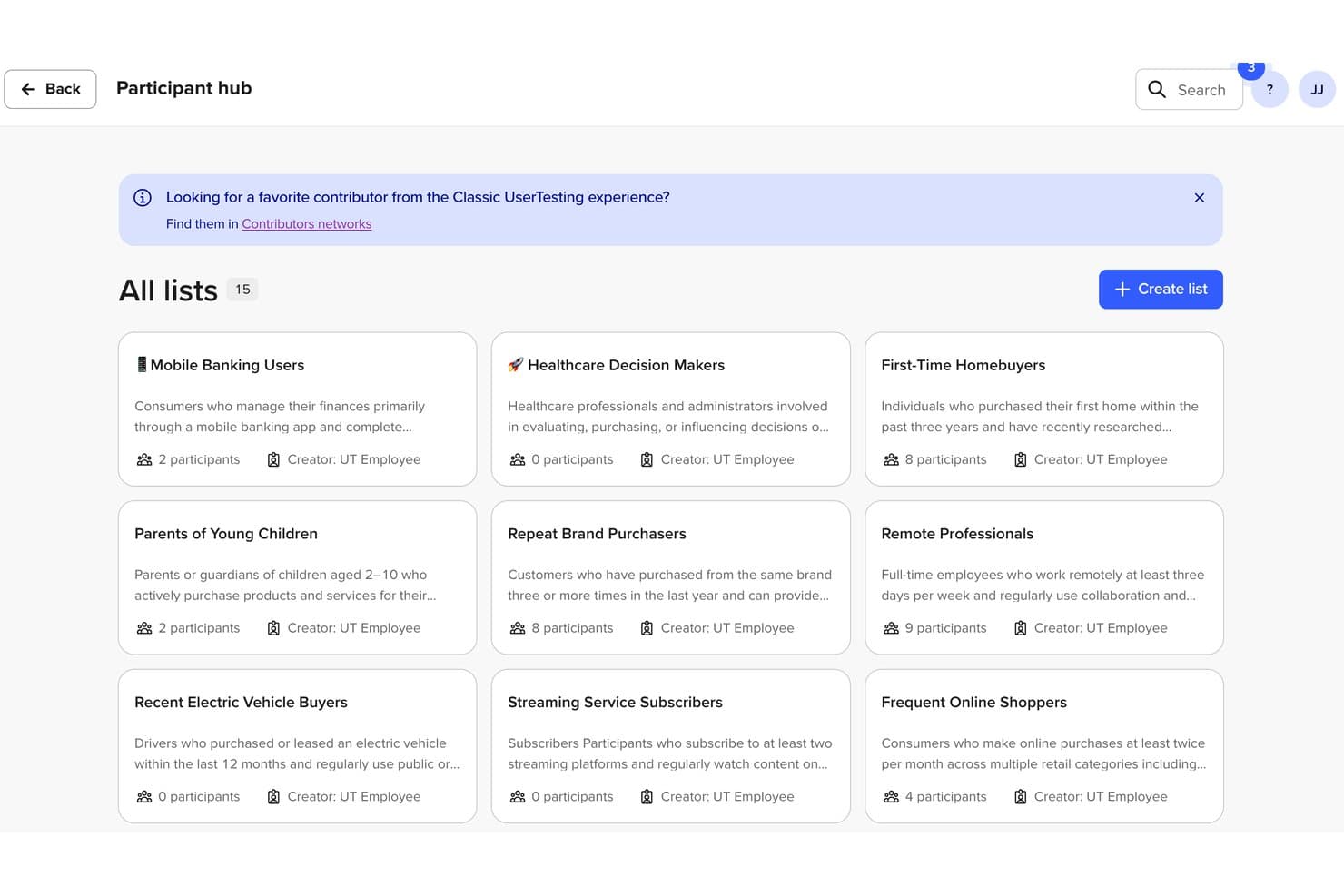
UserTesting organiza a los participantes de la investigación en listas segmentadas para realizar estudios específicos. UserTesting es una plataforma de investigación de usuarios para equipos de producto, diseño y marketing que necesitan comentarios de los participantes para validar conceptos, descubrir problemas de usabilidad y tomar decisiones de producto fundamentadas.
¿Para quién es más adecuado UserTesting?
Equipos de producto, diseño y marketing que necesitan comentarios rápidos de usuarios objetivo durante las fases de descubrimiento, pruebas e iteración.
Por qué UserTesting es una buena alternativa a Sprig
Elegí UserTesting porque es ideal para obtener información de usuarios en tiempo real mediante conversaciones en directo y sesiones moderadas. Utilizo su red de participantes para observar cómo los usuarios completan tareas, hacer preguntas de seguimiento y descubrir obstáculos que las encuestas pueden pasar por alto. Las sesiones grabadas también ayudan a mi equipo a compartir pruebas directas al tomar decisiones de producto.
Características principales de UserTesting
- Segmentación de la audiencia: Filtra a los participantes por datos demográficos, comportamientos y atributos profesionales.
- Preguntas de selección: Selecciona a los participantes según tus criterios de investigación antes de realizar las pruebas.
- Pruebas de prototipos: Prueba diseños de herramientas como Figma, InVision y Adobe XD.
- Tareas de encuesta: Recopila respuestas estructuradas junto con la investigación de usabilidad.
Integraciones de UserTesting
UserTesting ofrece integraciones con Figma, Jira, Jira Product Discovery, Confluence, Miro, FigJam, Slack, Microsoft Teams y Qualtrics. Su API admite integraciones personalizadas y acceso a datos de investigación, incluidos resultados de sesiones, puntuaciones, enlaces a vídeos y transcripciones.
Pros and Cons
Pros:
- Las sesiones en directo permiten hacer preguntas de seguimiento de inmediato
- Los filtros de selección específicos llegan a perfiles concretos de participantes
- Las sesiones de vídeo proporcionan pruebas convincentes de los clientes
Cons:
- La síntesis manual requiere tiempo cuando se realizan muchas sesiones
- La calidad de los comentarios de los participantes puede variar entre estudios
Learn more about UserTesting: Ideal para encuestas dentro de la aplicación
- Plan gratuito + demostración gratuita disponible
- Desde $19.99/mes (facturado anualmente)
Visit WebsiteCustomer Rating:4.6/5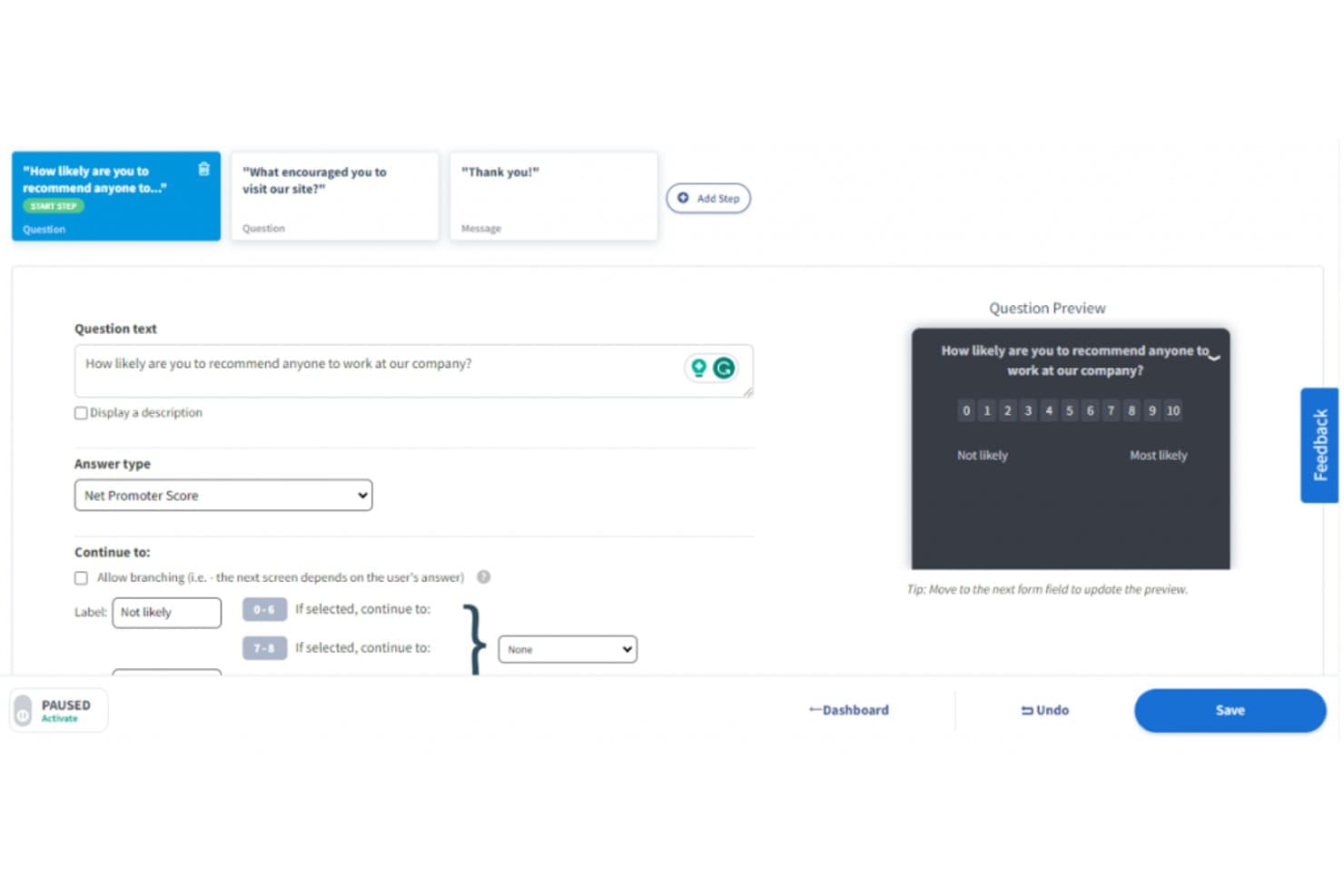
Qualaroo permite a los usuarios crear encuestas NPS con lógica de ramificación. Qualaroo es una plataforma de investigación de UX para equipos de producto y marketing que ayuda a recopilar comentarios de los clientes, comprender el comportamiento de los usuarios e identificar puntos de fricción en las experiencias digitales.
¿Para quién es más adecuado Qualaroo?
Qualaroo es adecuado para equipos de producto y UX que necesitan encuestas específicas dentro de la aplicación para recopilar comentarios en momentos clave del recorrido del usuario.
Por qué Qualaroo es una buena alternativa a Sprig
Elegí Qualaroo porque sus encuestas dentro de la aplicación recopilan comentarios mientras los usuarios interactúan con un producto. Utilizo la segmentación por comportamiento para preguntar sobre páginas, funciones o momentos específicos de salida y, después, aplico una lógica de ramificación para adaptar las preguntas de seguimiento. Su análisis de sentimiento ayuda a mi equipo a identificar patrones de fricción en las respuestas.
Características principales de Qualaroo
- Tipos de preguntas: Crea encuestas con escalas de valoración, preguntas de opción múltiple y respuestas de texto.
- Plantillas de encuestas: Comienza con plantillas prediseñadas para situaciones de investigación y recopilación de comentarios.
- Integraciones con terceros: Conecta los datos de comentarios con herramientas como Slack, HubSpot y Salesforce.
- Informes de respuestas: Revisa las respuestas de las encuestas mediante informes en el panel y exportaciones de datos.
Integraciones de Qualaroo
Qualaroo ofrece integraciones con Slack, HubSpot y Salesforce, lo que ayuda a los equipos a enviar y conectar los comentarios de las encuestas con los flujos de trabajo existentes.
Pros and Cons
Pros:
- Activadores específicos para encuestas dentro de la aplicación
- La lógica de ramificación adapta las preguntas de seguimiento
- El análisis de sentimiento revela temas en las respuestas
Cons:
- Los paneles personalizados carecen de profundidad
- Las exportaciones de datos ofrecen una flexibilidad limitada
Learn more about Qualaroo: Ideal para pruebas de usuarios remotas
- Demostración gratuita disponible
- Precios bajo solicitud
Visit WebsiteCustomer Rating:5/5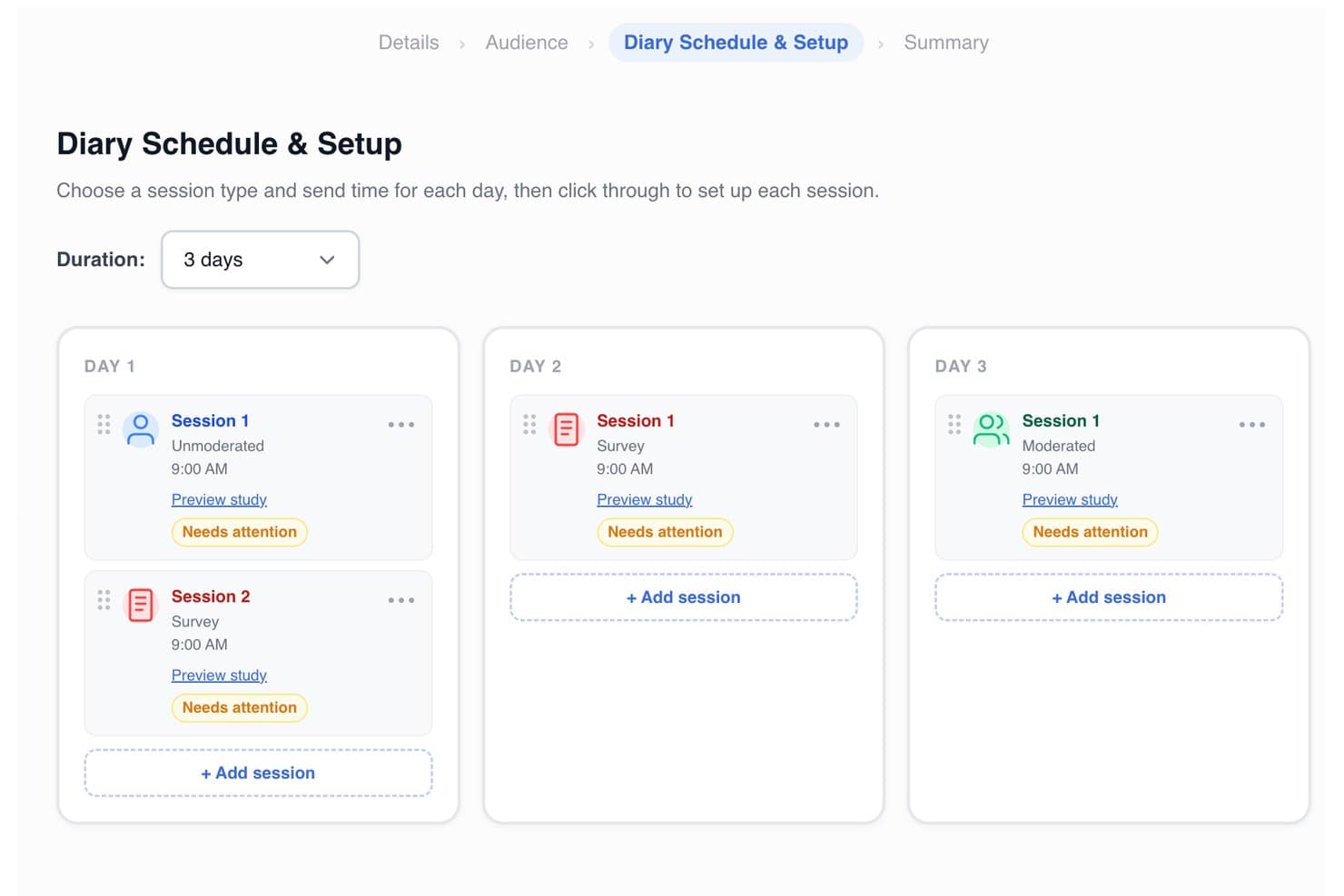
PlaybookUX permite a los usuarios programar sesiones de estudios de diarios de varios días por tipo y hora. PlaybookUX es un software de investigación de usuarios para equipos de producto que necesitan reclutar participantes, realizar estudios moderados o no moderados y convertir los comentarios de los clientes en decisiones de producto más claras.
¿Para quién es más adecuado PlaybookUX?
PlaybookUX es adecuado para equipos de producto e investigadores de UX que necesitan realizar pruebas de usuarios remotas, moderadas o no moderadas, para tomar decisiones sobre el producto.
Por qué PlaybookUX es una buena alternativa a Sprig
Elegí PlaybookUX porque mi equipo puede reclutar participantes y realizar estudios moderados o no moderados en un solo lugar. Usamos sesiones moderadas para explorar problemas de usabilidad y, después, pruebas no moderadas para recopilar comentarios más amplios sobre un flujo del producto. Su enfoque en las pruebas de usuarios remotas facilita relacionar los hallazgos de la investigación con las decisiones sobre el producto.
Funciones clave de PlaybookUX
- Pruebas de prototipos: Evalúa diseños interactivos con participantes.
- Clasificación de tarjetas: Observa cómo los usuarios agrupan y etiquetan el contenido.
- Pruebas de árbol: Comprueba si los usuarios pueden encontrar la información.
- Grabaciones de sesiones: Revisa las interacciones y los comentarios de los participantes.
Integraciones de PlaybookUX
PlaybookUX ofrece una integración nativa con Figma. También está disponible una API con una capa MCP para flujos de trabajo personalizados.
Pros and Cons
Pros:
- Admite estudios moderados y no moderados
- Incluye clasificación de tarjetas y pruebas de árbol
- Recluta participantes para investigaciones remotas
Cons:
- Es menos adecuado para los comentarios dentro del producto
- Sus herramientas de análisis están por detrás de las plataformas de investigación especializadas
Learn more about PlaybookUX: Ideal para la incorporación y orientación de usuarios
- Plan gratuito + prueba gratuita de 30 días + demostración gratuita disponible
- Precios bajo solicitud
Visit WebsiteCustomer Rating:4.4/5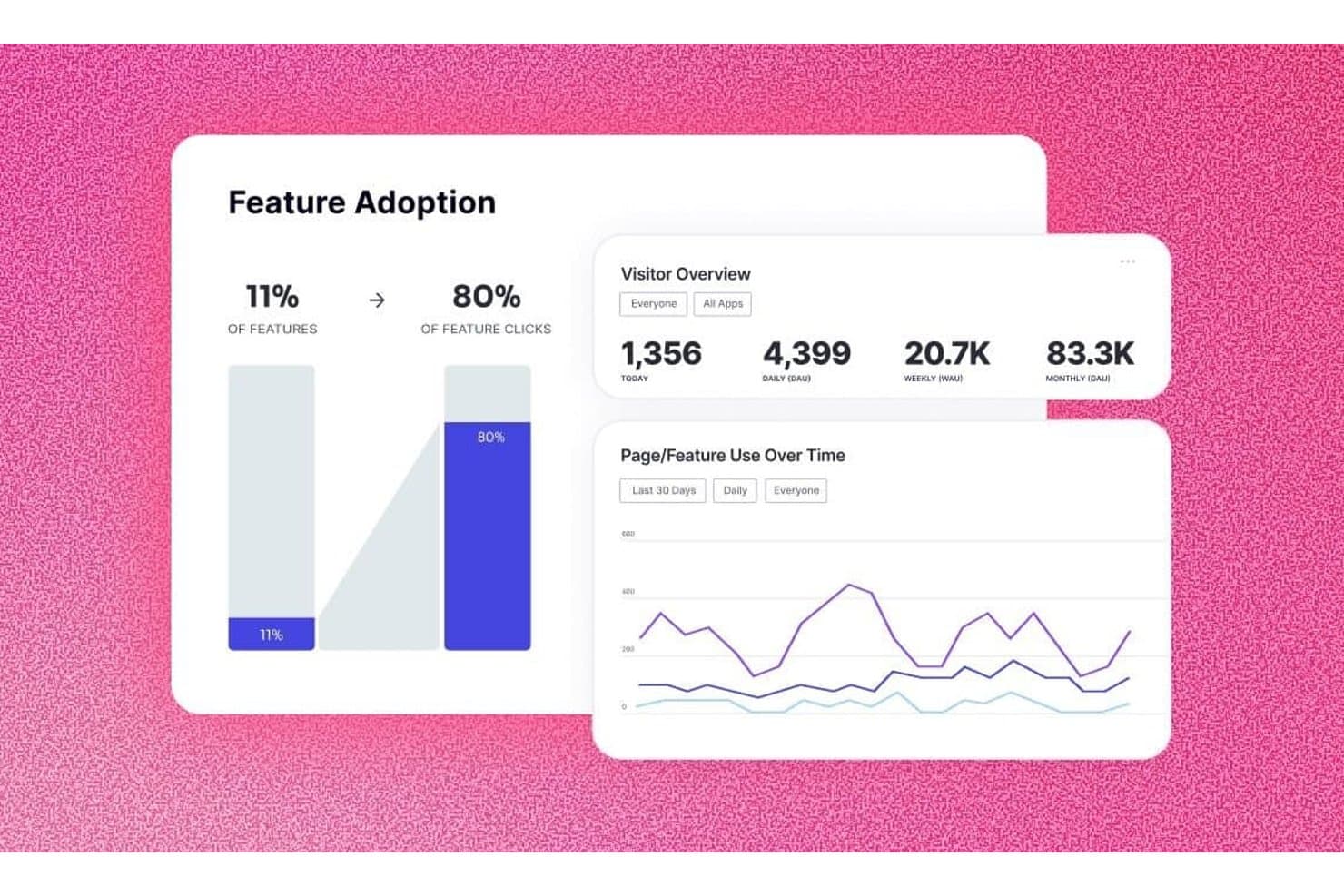
Pendo realiza un seguimiento de las tasas de adopción de funcionalidades y de los análisis de visitantes a lo largo del tiempo. Pendo es una plataforma de experiencia del producto para equipos de producto que combina los comentarios de los usuarios, el análisis del producto y la orientación dentro de la aplicación para identificar las barreras de adopción y mejorar las experiencias digitales.
¿Para quién es más adecuado Pendo?
Pendo es adecuado para equipos de producto y de éxito del cliente que necesitan guiar a los usuarios durante la incorporación y mejorar la adopción de funcionalidades.
Por qué Pendo es una buena alternativa a Sprig
Elegí Pendo porque sus herramientas de incorporación y orientación de usuarios conectan el análisis del producto con los recorridos guiados dentro de la aplicación y los datos sobre la adopción de funcionalidades. Lo uso para identificar dónde abandonan los usuarios y, después, dirigir mensajes emergentes, guías y mensajes contextuales a esas pantallas. Sus herramientas de comentarios también ayudan a validar si los cambios en la incorporación resuelven las barreras de adopción.
Funciones principales de Pendo
- Informes de embudo: Realiza un seguimiento de la conversión a través de pasos definidos del producto.
- Informes de rutas: Visualiza las rutas que siguen los usuarios dentro de tu producto.
- Informes de retención: Compara los usuarios que regresan en distintos periodos seleccionados.
- Hoja de ruta del producto: Planifica, prioriza y comparte el trabajo futuro del producto.
Integraciones de Pendo
Pendo ofrece integraciones nativas con Salesforce, Slack, Segment, Marketo, Jira, HubSpot, Intercom, Drift, Algolia y Confluence. También admite integraciones personalizadas mediante su API y webhooks, además de Zapier.
Pros and Cons
Pros:
- Conecta el análisis con la incorporación dentro de la aplicación
- Admite guías específicas y mensajes contextuales
- Mapea las rutas de los usuarios y las tendencias de retención
Cons:
- La configuración de los informes puede requerir una considerable personalización
- El análisis de comentarios parece menos especializado que el de Sprig
Learn more about Pendo: Ideal para encuestas y comentarios rápidos
- Prueba gratuita de 10 días + plan gratuito + demostración gratuita disponible
- Desde $89/mes
Visit WebsiteCustomer Rating:4.6/5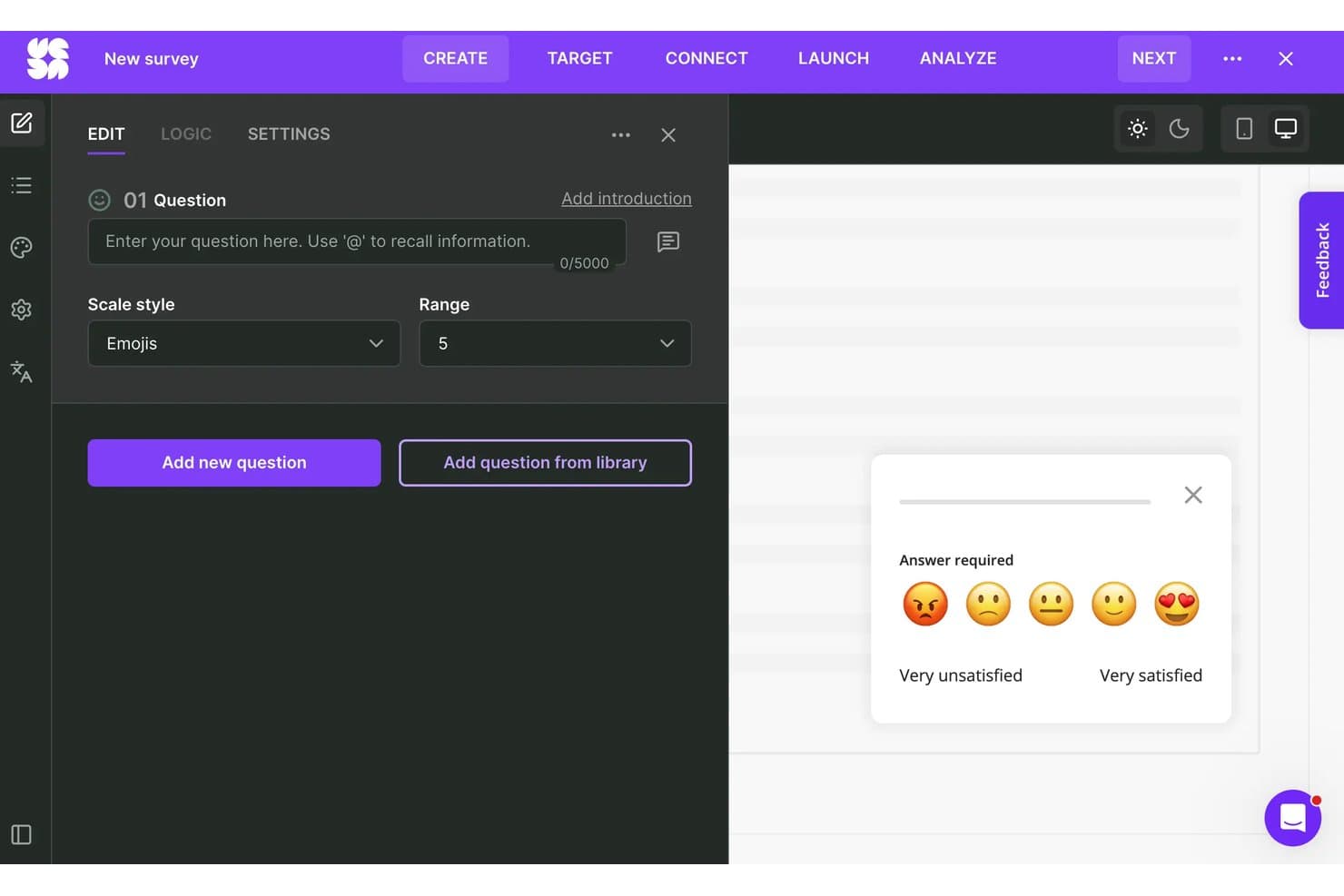
Survicate permite a los usuarios crear visualmente encuestas CSAT con una escala de emojis. Survicate es un software de investigación de usuarios para equipos de producto y experiencia del cliente que ayuda a recopilar información de los clientes, validar ideas e identificar fricciones sin la complejidad de una plataforma de investigación completa al estilo de Sprig.
¿Para quién es más adecuado Survicate?
Survicate es adecuado para equipos de producto y experiencia del cliente que necesitan encuestas rápidas dentro del producto y recopilación de comentarios sin una plataforma de investigación completa.
Por qué Survicate es una buena alternativa a Sprig
Elegí Survicate porque es una de mis opciones principales para realizar encuestas rápidas y recopilar comentarios. Utilizo encuestas específicas dentro del producto, plantillas de NPS y CSAT, y botones de comentarios para captar reacciones después de la incorporación, el uso de funciones o las interacciones con el servicio de asistencia. Sus reglas de audiencia ayudan a mi equipo a formular preguntas relevantes sin interrumpir a todos los usuarios.
Funciones principales de Survicate
- Encuestas en sitios web: Inserta encuestas en páginas web para recopilar comentarios de los visitantes.
- Encuestas por correo electrónico: Envía preguntas de encuesta directamente a través de campañas de correo electrónico.
- Ramificación de encuestas: Muestra preguntas diferentes según cada respuesta.
- Integraciones: Conecta los datos de las encuestas con herramientas como Slack, HubSpot y Google Analytics.
Integraciones de Survicate
Survicate ofrece integraciones con Slack, HubSpot y Google Analytics, lo que ayuda a los equipos de producto a conectar las respuestas de las encuestas con los datos de clientes y sitios web.
Pros and Cons
Pros:
- Validación rápida de hipótesis mediante el lanzamiento de encuestas rápidas
- Las rutas de ramificación adaptan las preguntas a las respuestas
- La categorización automática reduce el análisis de textos abiertos
Cons:
- El diseño del componente ofrece una flexibilidad visual limitada
- Los atributos de los encuestados necesitan un mejor seguimiento
Learn more about Survicate: Ideal para la gestión de experiencias en distintas plataformas
- Demostración gratuita disponible
- Precios bajo solicitud
Visit WebsiteCustomer Rating:4.3/5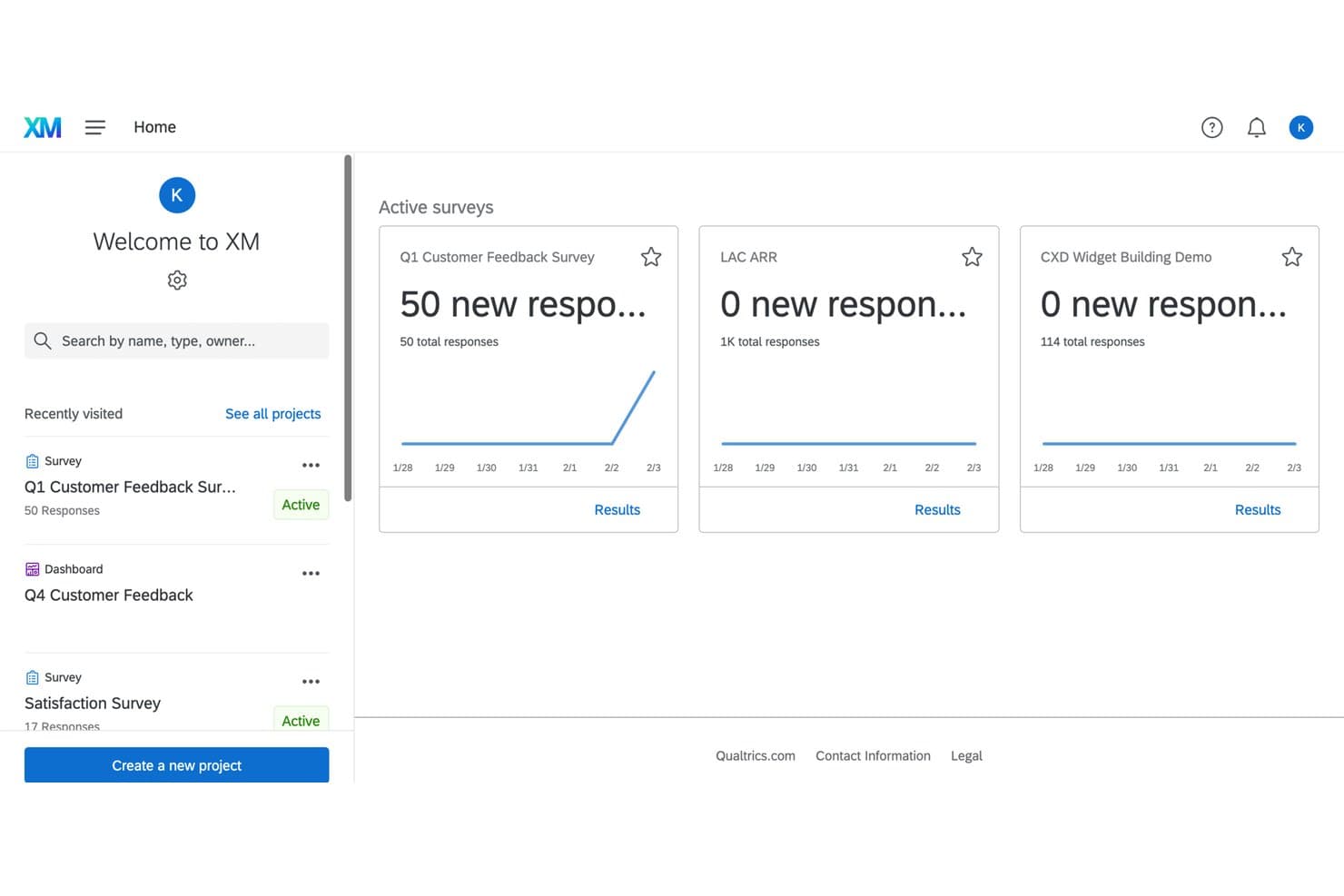
Qualtrics permite a los usuarios supervisar las respuestas activas de las encuestas desde un único panel. Qualtrics es una plataforma empresarial de investigación de experiencias para equipos de producto, marketing y atención al cliente que necesitan recopilar comentarios, analizar las necesidades de los usuarios y mejorar las decisiones a lo largo de recorridos complejos del cliente.
¿Para quién es más adecuado Qualtrics?
Qualtrics es adecuado para equipos empresariales de producto, marketing y atención al cliente que conectan los comentarios entre canales y mejoran las experiencias a lo largo de recorridos complejos del cliente.
Por qué Qualtrics es una buena alternativa a Sprig
Elegí Qualtrics porque sus encuestas multicanal, los comentarios sobre sitios web y aplicaciones y el análisis de texto permiten gestionar experiencias en distintas plataformas. Lo utilizo para conectar los comentarios sobre el producto con los recorridos del cliente, identificar problemas recurrentes entre canales y priorizar mejoras basadas en la investigación.
Características principales de Qualtrics
- Lógica de visualización: Muestra preguntas según las respuestas anteriores de los participantes.
- Gestión de cuotas: Establece límites de respuestas para grupos de participantes seleccionados.
- Análisis conjunto: Mide las preferencias en función de los atributos y las compensaciones del producto.
- Aleatorización de preguntas: Aleatoriza las opciones de respuesta para reducir el sesgo de orden.
Integraciones de Qualtrics
Qualtrics ofrece extensiones propias listas para usar para Salesforce, HubSpot, Jira, Slack, Microsoft Teams, Zendesk, Tableau, Google Sheets y ServiceNow; la disponibilidad varía según la licencia. También proporciona una API con licencia para integraciones personalizadas y se conecta con Zapier.
Pros and Cons
Pros:
- La lógica avanzada de encuestas permite realizar investigaciones detalladas
- Recopila comentarios en la web y en dispositivos móviles
- El análisis conjunto aclara las compensaciones del producto
Cons:
- La configuración empresarial puede requerir asistencia especializada
- Los flujos de trabajo de generación de informes resultan engorrosos para obtener información rápida
Learn more about Qualtrics: La mejor opción para la segmentación avanzada de usuarios en encuestas
- Prueba gratuita de 30 días + plan gratuito. + demostración gratuita disponible
- Desde $124/mes (facturado anualmente)
Visit WebsiteCustomer Rating:5/5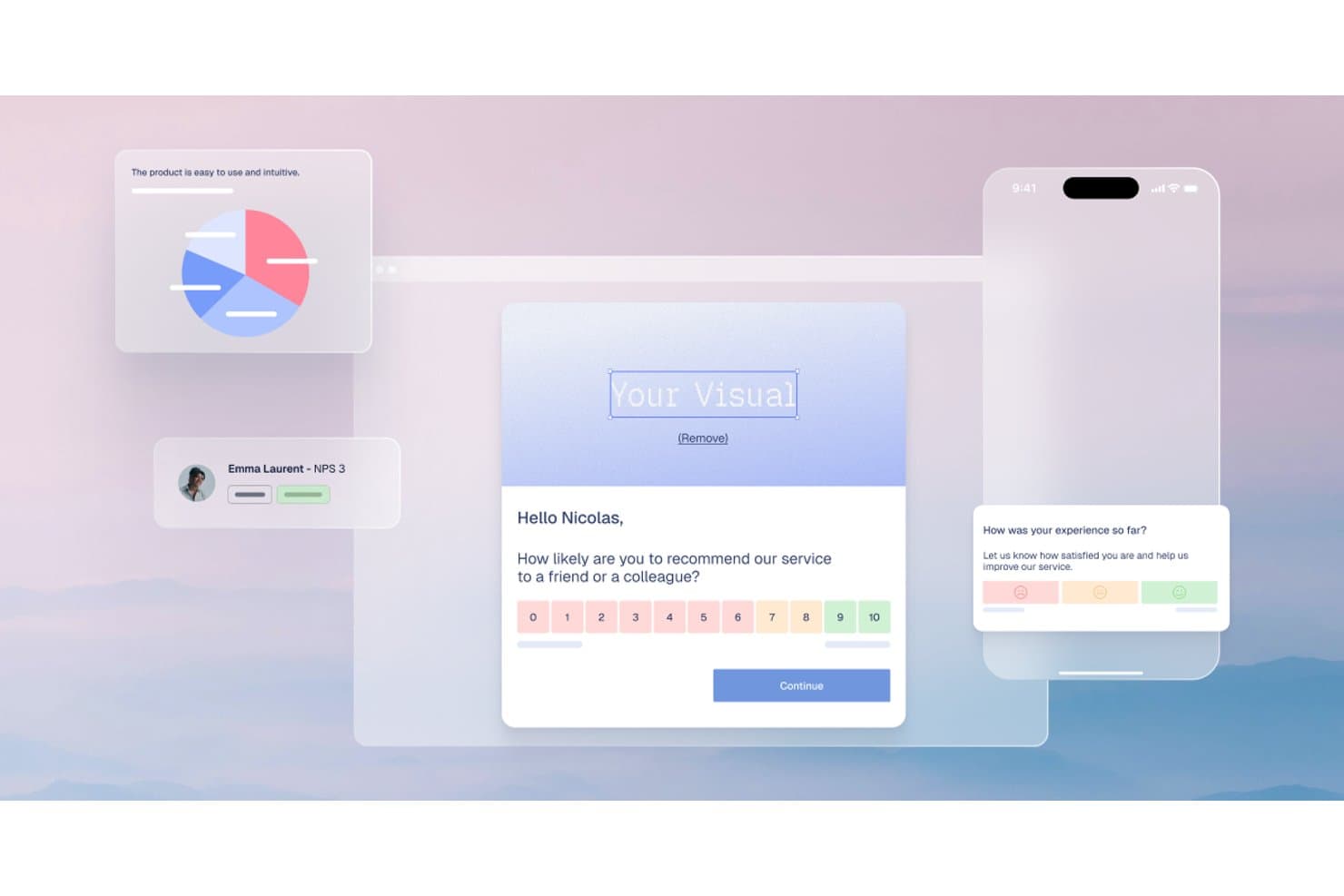
Refiner permite a los usuarios recopilar encuestas NPS y de satisfacción dentro de la aplicación. Refiner es una plataforma de comentarios de clientes y encuestas para equipos de producto que necesitan obtener información específica de determinados segmentos de usuarios para orientar las decisiones sobre el producto y mejorar las experiencias de los usuarios.
¿Para quién es más adecuado Refiner?
Directores de producto y equipos de investigación que necesitan comentarios de segmentos de usuarios específicos, como usuarios nuevos, usuarios avanzados o clientes en riesgo.
Por qué Refiner es una buena alternativa a Sprig
Elegí Refiner porque su segmentación avanzada de usuarios en las encuestas ayuda a mi equipo a llegar a segmentos precisos, como usuarios nuevos, usuarios avanzados o clientes en riesgo. Utilizo atributos de usuario, reglas basadas en eventos y activadores de encuestas dentro de la aplicación para relacionar los comentarios con experiencias específicas del producto.
Características principales de Refiner
- Encuestas NPS: Crea encuestas de puntuación neta del promotor para medir la fidelidad de los clientes.
- Encuestas CSAT: Recopila puntuaciones de satisfacción del cliente después de interacciones clave con los usuarios.
- Plantillas de encuestas: Inicia proyectos de investigación con plantillas prediseñadas de encuestas de comentarios.
- Análisis de respuestas: Revisa las respuestas de las encuestas y los desgloses de puntuaciones en un único panel.
Integraciones de Refiner
Refiner ofrece más de 25 integraciones oficiales, incluidas Amplitude, Mixpanel, Segment, RudderStack, Salesforce, HubSpot, Google Sheets, Slack, Make y Zapier. También proporciona una API REST y webhooks para integraciones personalizadas.
Pros and Cons
Pros:
- Segmenta las encuestas según características y eventos de los usuarios
- Admite análisis segmentados de NPS, CSAT y CES
- Configuración rápida para obtener comentarios segmentados dentro de la aplicación
Cons:
- Más adecuado para comentarios sobre productos SaaS
- Menos adecuado para investigaciones generales amplias
Learn more about Refiner: Ideal para la investigación mediante pruebas de árbol y clasificación de tarjetas
- Prueba gratuita de 7 días + demostración gratuita disponible
- Desde $199/mes (facturado anualmente)
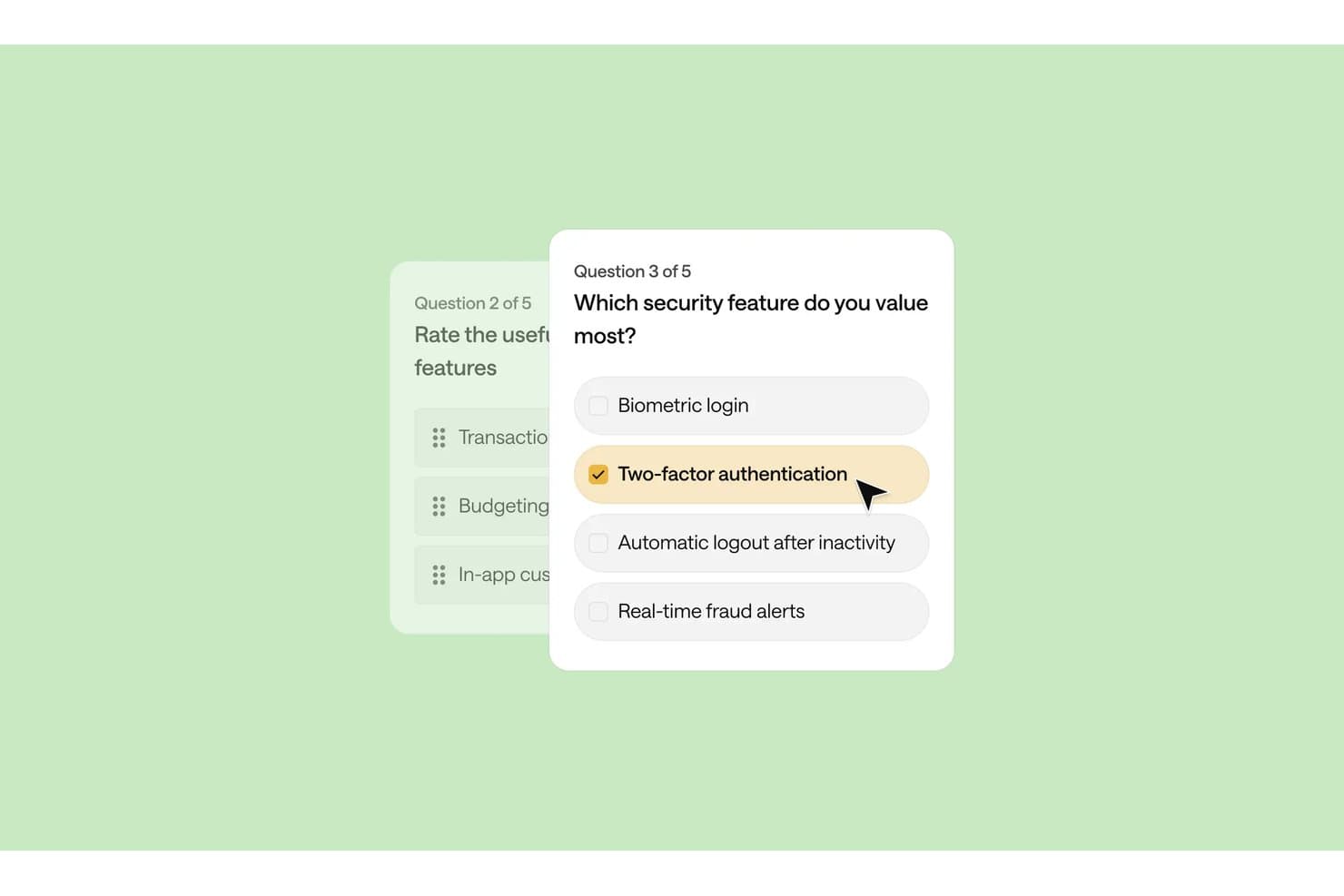
Optimal Workshop permite a los usuarios crear encuestas de varios pasos con opciones de respuesta seleccionables. Optimal Workshop es una plataforma de investigación de usuarios para equipos de producto, UX y contenido que ayuda a validar la arquitectura de la información y detectar problemas de usabilidad antes de que ralenticen la adopción del producto.
¿Para quién es más adecuado Optimal Workshop?
Los gerentes de producto, investigadores de UX y equipos de contenido pueden validar la navegación y las estructuras de contenido antes del lanzamiento con Optimal Workshop.
Por qué Optimal Workshop es una buena alternativa a Sprig
Elegí Optimal Workshop porque se especializa en investigación mediante pruebas de árbol y clasificación de tarjetas. Utilizo Treejack para comprobar si los usuarios pueden encontrar elementos en una navegación propuesta y, después, uso la clasificación de tarjetas para definir categorías a partir de las aportaciones de los participantes. Esto ayuda a mi equipo a validar la arquitectura de la información antes del lanzamiento.
Funciones principales de Optimal Workshop
- Pruebas del primer clic: Utiliza Chalkmark para comprobar dónde hacen clic los participantes en diseños estáticos.
- Preguntas de encuesta: Añade preguntas abiertas y de opción múltiple a los estudios de investigación.
- Análisis cualitativo: Etiqueta y organiza las notas, grabaciones y observaciones de los participantes en Reframer.
- Reclutamiento de participantes: Invita a tus propios participantes o reclútalos a través de la plataforma.
Integraciones de Optimal Workshop
Optimal Workshop documenta integraciones con Figma, User Interviews, Google Meet, Zoom, Microsoft Teams, Google Calendar, Outlook, Slack, Miro y otras herramientas. Los planes empresariales también incluyen una API de solo lectura para conectar datos de investigación con almacenes de datos, plataformas de inteligencia empresarial, paneles, herramientas de análisis y aplicaciones personalizadas.
Pros and Cons
Pros:
- Las pruebas de árbol especializadas validan la facilidad para encontrar elementos en la navegación
- La clasificación de tarjetas revela estructuras de categorías definidas por los usuarios
- Las notas de investigación permiten realizar síntesis cualitativas
Cons:
- Descubrimiento limitado del producto más allá de la arquitectura de la información
- La configuración del estudio requiere una planificación cuidadosa de la investigación
Learn more about Optimal Workshop: 10La mejor opción para entrevistas moderadas por IA
Maze
- Plan gratuito + demostración gratuita disponible
- Precios bajo solicitud
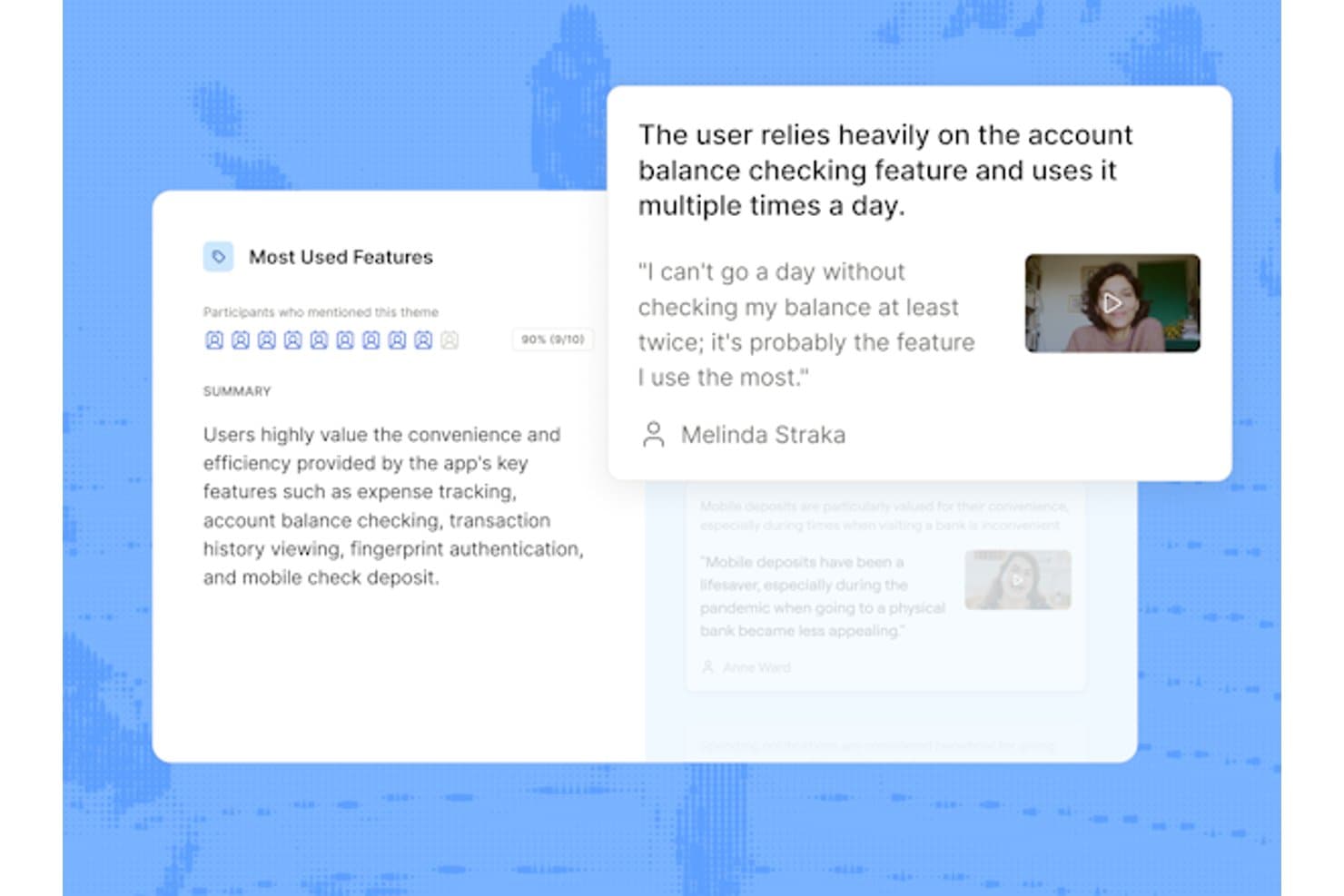
Maze muestra temas de entrevistas de usuarios con citas y clips de vídeo. Maze es una plataforma de investigación de UX para equipos de producto que necesitan probar prototipos, recopilar comentarios de clientes y tomar decisiones de diseño fundamentadas durante las etapas de descubrimiento y desarrollo.
¿Para quién es más adecuado Maze?
Maze es adecuado para equipos de producto, UX e investigación que necesitan entrevistas con clientes moderadas por IA y comentarios cualitativos prácticos.
Por qué Maze es una buena alternativa a Sprig
Elegí Maze porque es la mejor opción para realizar entrevistas moderadas por IA cuando mi equipo necesita comentarios cualitativos sin programar cada sesión en directo. Utilizo su entrevistador de IA para guiar las conversaciones con los clientes y sacar a la luz respuestas sobre prototipos, incorporación o conceptos de funcionalidades. Esto me ayuda a revisar temas recurrentes mientras los participantes explican sus decisiones con sus propias palabras.
Características principales de Maze
- Pruebas de prototipos: Prueba prototipos de Figma, Sketch, Adobe XD e InVision.
- Encuestas: Recopila respuestas estructuradas con preguntas de encuesta personalizables.
- Clasificación de tarjetas: Organiza la arquitectura de la información mediante clasificaciones de tarjetas abiertas, cerradas o híbridas.
- Pruebas de árbol: Evalúa las estructuras de navegación con pruebas de árbol basadas en tareas.
Integraciones de Maze
Maze se integra con Figma, FigJam, Jira, Confluence, Slack, Notion, Miro, Google Calendar, Google Meet, Microsoft Teams y Zoom. Sus integraciones oficiales también incluyen Amplitude, Axure, los calendarios de Microsoft 365 y varias herramientas de creación de prototipos con IA.
Pros and Cons
Pros:
- El moderador de IA profundiza en respuestas abiertas
- Las pruebas de prototipos generan métricas de usabilidad cuantificables
- Compatibilidad con la clasificación de tarjetas y las pruebas de árbol para la arquitectura de la información
Cons:
- Las entrevistas con IA no pueden probar animaciones
- El análisis avanzado todavía requiere revisión manual
Learn more about Maze:
Otras alternativas a Sprig
Aquí tienes algunas alternativas adicionales a Sprig que no llegaron a mi lista, pero que merece la pena conocer:
- 11DscoutLa mejor opción para la investigación mediante estudios longitudinales de diarios
- 12Hotjar (by Contentsquare)Ideal para análisis del comportamiento vinculados a datos de encuestas
- 13SurveyMonkeyIdeal para la contratación de participantes a escala de encuesta
- 14UXtweakIdeal para pruebas de usabilidad móvil sin SDK
- 15
- 16LyssnaIdeal para prototipos respaldados por panel y pruebas de usabilidad
- 17FormbricksIdeal para la distribución de encuestas integradas en la aplicación de código abierto
- 18ScreebIdeal para comentarios dentro de la aplicación vinculados a la repetición de sesiones
- 19IterateIdeal para encuestas de comentarios conectadas a herramientas del ciclo de vida
Cómo evalúo las alternativas a Sprig
Divido mi evaluación en tres partes. Primero —y esto es lo que más peso tiene— compruebo si una herramienta puede activar encuestas dentro de un producto en funcionamiento y capturar sesiones de investigación de usuarios; sin ambas funciones, no es una alternativa real. Después, analizo características destacadas como los comentarios vinculados a reproducciones y el acceso al reclutamiento mediante paneles. Por último, considero la escalabilidad de los precios y la facilidad de implementación.
Funcionalidad básica (requisitos imprescindibles para esta lista)
Cuando selecciono herramientas para mi lista, puntúo cada una en una escala de 0 (no ofrece la funcionalidad) a 5 (sobresale en esta área) para cada funcionalidad básica que se indica a continuación. Después convierto el total en un porcentaje para ayudar a evaluar la adecuación general de cada herramienta, con peso adicional para las funcionalidades que he considerado esenciales.
- Encuestas dentro del producto (esencial): Evalúo los activadores, la segmentación y la distribución móvil o web para recopilar comentarios durante momentos clave del producto.
- Sesiones de investigación (esencial): Busco sesiones de vídeo, audio y basadas en pantalla, moderadas o no moderadas, con herramientas para establecer tareas y reproducir las sesiones.
- Reclutamiento de participantes: Evalúo el acceso a paneles, las preguntas de selección, los segmentos de usuarios y la segmentación para reclutar participantes relevantes para la investigación.
- Análisis de comentarios: Compruebo las herramientas de etiquetado, filtros, análisis de sentimientos, agrupación por temas y síntesis para convertir las respuestas en conclusiones útiles sobre el producto.
- Comentarios multicanal: Considero la compatibilidad con encuestas dentro de la aplicación, por correo electrónico y basadas en enlaces, prototipos y otros puntos de contacto de investigación.
- Integraciones del producto: Busco conexiones con herramientas de análisis, colaboración, hojas de ruta y productos que mantengan accesibles los datos de investigación.
Una vez que tengo una lista de herramientas que cumplen los criterios, considero qué diferencia a cada plataforma.
Factores diferenciadores (lo que distingue a los proveedores)
Así es como comparo y contrasto los distintos proveedores:
Características destacadas
Busco comentarios vinculados a reproducciones porque observar exactamente lo que hizo un usuario antes de enviar una puntuación baja elimina las conjeturas al establecer prioridades. El acceso al reclutamiento mediante paneles es igual de importante: los equipos en las primeras etapas o aquellos que se lanzan en nuevos mercados a menudo no tienen una base de usuarios suficiente para completar un estudio. Herramientas como Maze y UserTesting ofrecen paneles integrados, así que compruebo la profundidad de la segmentación y las opciones de selección. También evalúo las pruebas de prototipos sin código, ya que validar un flujo de Figma con participantes reales antes de escribir código permite ahorrar ciclos completos de desarrollo.
Más allá de las características
Evalúo la rapidez con la que una herramienta transforma las respuestas sin procesar en una decisión sobre la que puedo actuar; la identificación de temas asistida por IA en plataformas como Maze o UserTesting puede ahorrar horas de etiquetado manual después de un estudio no moderado de gran tamaño. El modelo de precios es igual de importante: la facturación basada en MAU sorprende a los equipos de crecimiento cuando el tráfico aumenta, por lo que compruebo si un proveedor ofrece planes basados en respuestas o en usuarios con licencia. También analizo el esfuerzo de implementación, ya que una instalación mediante un único fragmento de código permite a mi equipo publicar su primera encuesta sin esperar a un ciclo de desarrollo de ingeniería.
¿Por qué buscar una alternativa a Sprig?
Aunque Sprig es una buena opción entre las plataformas de investigación, hay varios motivos por los que algunos usuarios buscan soluciones alternativas. Puede que estés buscando una alternativa a Sprig porque…
- Necesitas más opciones de personalización
- Tu equipo necesita herramientas de análisis avanzadas
- El precio de Sprig no se ajusta a tu presupuesto
- Quieres una mejor integración con las herramientas existentes
- Tu organización necesita asistencia internacional
- Buscas una interfaz de usuario más sencilla
Si alguno de estos puntos te resulta familiar, has llegado al lugar adecuado. Mi lista contiene varias opciones de plataformas de investigación más adecuadas para equipos que se enfrentan a estos desafíos con Sprig y buscan soluciones alternativas.
Funciones principales de Sprig
Estas son algunas de las características clave de Sprig, para ayudarte a contrastar y comparar lo que ofrecen las soluciones alternativas:
- Encuestas extensas: Realiza encuestas exhaustivas para recopilar información detallada de los usuarios y comprender mejor sus necesidades y preferencias.
- Información basada en IA: Utiliza la IA para sintetizar los datos en temas prácticos, lo que facilita que tu equipo identifique patrones y tendencias.
- Encuestas dentro del producto: Recopila comentarios durante el uso real del producto para obtener información contextualizada que refleje las experiencias reales de los usuarios.
- Comentarios continuos: Permite recopilar comentarios de forma continua durante todo el recorrido del usuario, para que tu equipo pueda realizar mejoras oportunas.
- Reproducciones de sesiones de usuarios: Analiza sesiones reales de usuarios para identificar puntos de fricción y comportamientos, y mejorar así la experiencia del usuario.
- Mapas de calor: Visualiza la interacción de los usuarios mediante clics y desplazamientos, obteniendo una imagen clara de cómo interactúan con tu producto.