
Recensione di Canva: Pro, Contro, Caratteristiche e Prezzi Spiegati
Canva si distingue per i suoi strumenti di design intuitivi, rendendo accessibile il design professionale a tutti, ma potrebbe risultare limitato per i designer avanzati in cerca di pieno controllo creativo.

Recensiamo gli strumenti in modo indipendente e le commissioni aiutano a finanziare i nostri test. Consulta la nostra politica sulla trasparenza, la nostra metodologia oppure suggerisci uno strumento.
Canva is a design tool for teams that need to create marketing assets, presentations, and branded content without relying on a dedicated designer. I'd lean toward it over Adobe Express when your team needs a broader template library and a drag-and-drop editing experience that non-designers can pick up from day one.
Canva Evaluation Summary
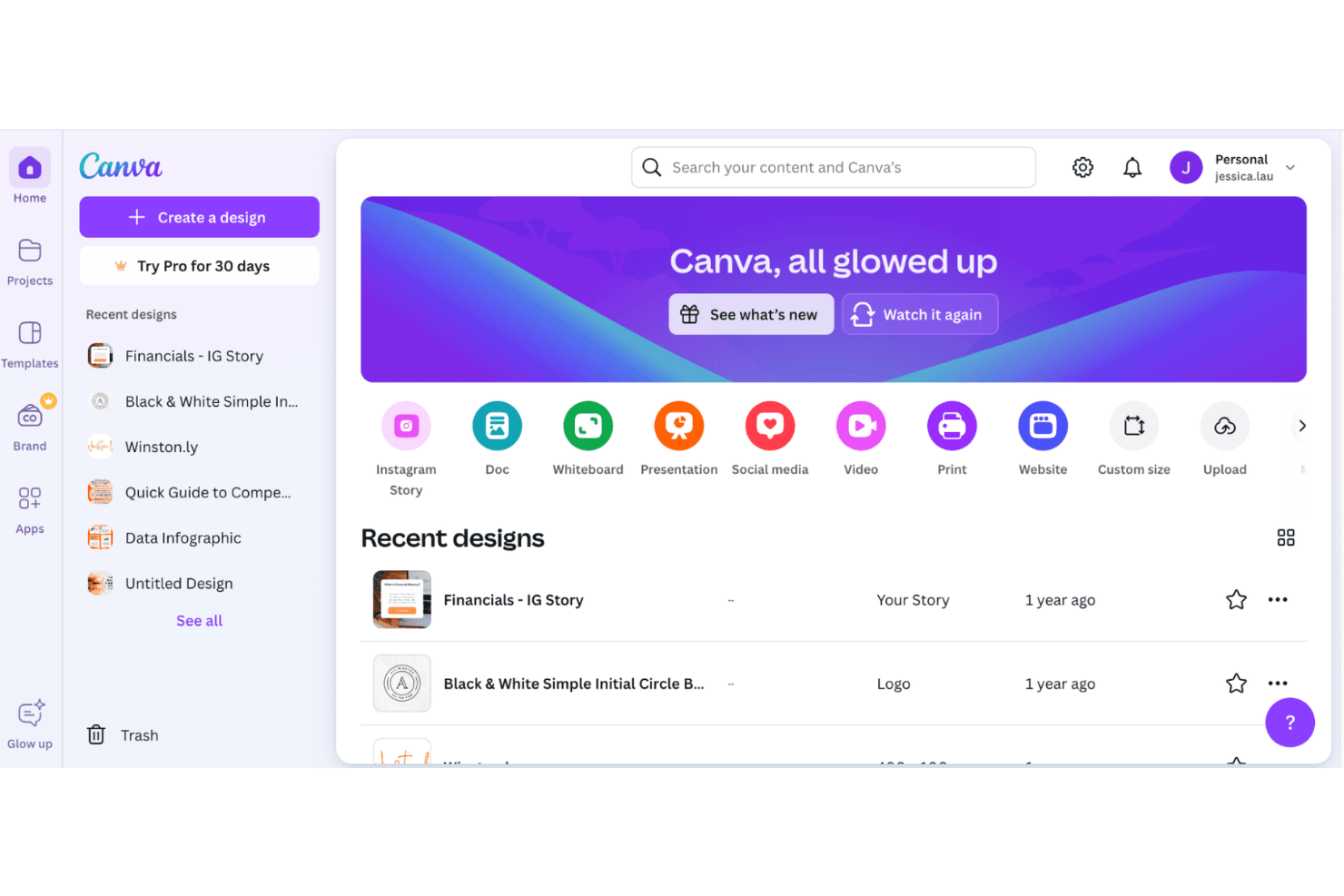
4.7/5
- From $144/user/year (billed annually)
- Free trial + free plan available
Perché fidarsi dei nostri consigli sui software
6,700+
Reviews
20
Industry experts
16+
Evaluation factors
14
Years
Il nostro team testa e recensisce software dal 2012. In quanto product manager noi stessi, sappiamo quanto sia difficile — e importante — scegliere il software giusto.
Per questa guida, abbiamo valutato gli strumenti attraverso test pratici e ricerche indipendenti, assegnando un punteggio agli strumenti in base ai nostri criteri di selezione.
Le nostre recensioni riflettono il nostro giudizio editoriale umano, non un discorso di vendita.
Revisori esperti:
- Andrew LumbySenior TPM
- Cristiano ValimSenior UI/UX Lead


Canva Overview
When judging Canva against other design tools, its intuitive interface, vast template library, and simple onboarding make it a top pick for teams needing quick, polished visuals. Pricing is transparent and accessible, and integrations with cloud storage and productivity apps add flexibility. While it can underperform for advanced design specs or custom workflows, Canva excels for marketing teams, educators, and small businesses seeking collaborative, no-fuss design. If you're selecting a tool for rapid content creation and easy team adoption, Canva is a strong contender — particularly for beginners who might otherwise face a steep learning curve with tools like Adobe Photoshop or Illustrator.
Pros
- Extensive template and asset library for quick projects
- Real-time team collaboration on shared designs
- Built-in AI tools for text, image, and video generation
Cons
- Limited vector editing and advanced design controls
- Output quality can be inconsistent for print projects
- Brand management features lack granular permissions
Is Canva Right For Your Needs?
Who Would be a Good Fit for Canva?
Canva is a strong choice for teams and individuals who need to produce professional-looking visuals quickly without advanced design expertise. Its template-driven approach, collaborative features, and AI-powered tools make it ideal for marketing, education, and small business environments where speed and accessibility matter more than deep customization. Canva's browser-based platform and asset library also support remote teams and non-designers who need to create on-brand visual content at scale — without the learning curve of tools like Adobe Photoshop or Illustrator.
- Social Media ManagersCanva's pre-sized templates and scheduling tools simplify content creation for multiple platforms.
- Small Business OwnersAffordable pricing and easy branding tools help small teams create consistent marketing materials.
- EducatorsEducation-specific templates and classroom collaboration features support lesson planning and student projects.
- Event PlannersDrag-and-drop invitations, flyers, and signage templates speed up event collateral production.
- Nonprofit TeamsFree plans for nonprofits and simple donation campaign templates support outreach efforts.
- Internal CommunicationsReady-made newsletter and announcement templates help HR and comms teams share updates quickly.
Who Would be a Bad Fit for Canva?
Canva may not suit organizations or professionals who require advanced design capabilities, highly specialized workflows, or strict brand governance. Its limitations in vector editing, print output quality, and granular permissions can be a barrier for creative agencies, large enterprises, or technical design teams that need more control and precision.
- Creative AgenciesLacks advanced vector editing and layered design controls for complex client work.
- Large EnterprisesBrand management tools do not offer detailed user permissions or approval workflows.
- Print Production TeamsOutput resolution and color management can be inconsistent for high-end print jobs.
- UX/UI DesignersNo support for prototyping, wireframing, or interactive design elements.
- Engineering DepartmentsLimited technical drawing and diagramming capabilities compared to specialized CAD tools.
- Legal and ComplianceInsufficient audit trails and document control for regulated industries.
Come Testiamo e Valutiamo gli Strumenti
Abbiamo passato anni a costruire, perfezionare e migliorare il nostro sistema di test e valutazione del software. Il nostro metodo è stato progettato per cogliere le sfumature della selezione del software e ciò che rende efficace uno strumento, concentrandosi sugli aspetti critici del processo decisionale. Qui sotto puoi vedere esattamente come funzionano i nostri test e la nostra valutazione suddivisa in sette criteri. Questo ci consente di offrire una valutazione imparziale del software sulla base delle funzionalità principali, delle caratteristiche distintive, della facilità d’uso, dell’onboarding, dell’assistenza clienti, delle integrazioni, delle recensioni dei clienti e del rapporto qualità/prezzo.
Funzionalità Principali (25% del punteggio finale)
Il punto di partenza della nostra valutazione sono sempre le funzionalità principali dello strumento. Possiede le funzioni di base che un utente si aspetterebbe di trovare? Alcune di queste sono riservate ai piani tariffari più alti? Ci aspettiamo che uno strumento rispetti almeno le funzionalità di base dei competitors.
Caratteristiche Distintive (25% del punteggio finale)
Successivamente, valutiamo le caratteristiche distintive e non comuni che vanno oltre le funzioni di base normalmente riscontrate in strumenti simili. Un punteggio alto indica funzionalità specializzate o uniche che rendono il prodotto più rapido, efficiente o forniscono un valore aggiunto all’utente. Valutiamo anche la facilità con cui si possono integrare altri strumenti solitamente presenti nella stack tecnologica, ampliando così funzionalità e utilità del software. Gli strumenti che offrono molte integrazioni native, collegamenti di terze parti e accesso API per integrazioni personalizzate ottengono i punteggi migliori.
Facilità d’Uso (10% del punteggio finale)
Consideriamo quanto sia rapido e semplice eseguire le attività definite dalle funzionalità principali tramite lo strumento. Il software con il punteggio più alto è ben progettato, intuitivo da usare, offre app per dispositivi mobili, modelli preimpostati e semplifica anche le attività più complesse.
Onboarding (10% del punteggio finale)
Sappiamo quanto sia importante una rapida adozione da parte del team, quindi valutiamo quanto sia facile imparare ad usare lo strumento con una formazione minima. Valutiamo la velocità con cui un membro del team può configurarsi e iniziare a utilizzare lo strumento senza esperienza. Le soluzioni con punteggio più alto richiedono poco o nessun supporto.
Assistenza Clienti (10% del punteggio finale)
Osserviamo quanto sia facile e veloce ottenere supporto tramite telefono, chat dal vivo o knowledge base. Gli strumenti che offrono supporto in tempo reale ottengono punteggi più alti, mentre i chatbot ricevono i punteggi peggiori.
Recensioni Clienti (10% del punteggio finale)
Oltre ai nostri test e valutazioni, consideriamo il net promoter score di clienti attuali e passati. Valutiamo la probabilità che scelgano nuovamente lo strumento in base alle funzionalità principali. Un software con punteggio elevato riflette un net promoter score alto.
Rapporto Qualità/Prezzo (10% del punteggio finale)
Infine, considerando tutti gli altri criteri, confrontiamo il prezzo medio dei piani base con le funzionalità principali, esaminando il valore degli altri criteri di valutazione. Il software che offre di più, a meno, otterrà un punteggio maggiore.
Core Features
Template Library
Access thousands of pre-designed templates for social media graphics, presentations, infographics, and print. Users can quickly customize layouts to match their brand or project needs.
Drag-and-Drop Editor
Easily move, resize, and arrange elements on the canvas with intuitive controls. This feature allows beginners and non-designers alike to create polished visuals without technical skills.
Brand Kit
Store logos, fonts, and color palettes for consistent, on-brand designs across all projects. Teams can lock brand assets to maintain visual standards.
AI-Powered Design Tools
Canva AI features include Magic Write for copy, a background remover, a magic eraser, and image generation. These tools speed up content creation and help spark creative ideas.
Collaboration and Commenting
Invite team members to edit, review, and comment on designs in real time. This streamlines feedback and approval processes for distributed teams.
Export and Download Options
Download designs in multiple formats including PNG, JPG, PDF, and MP4 for web, print, or video use. Users can adjust quality settings to suit their output needs.
Ease of Use
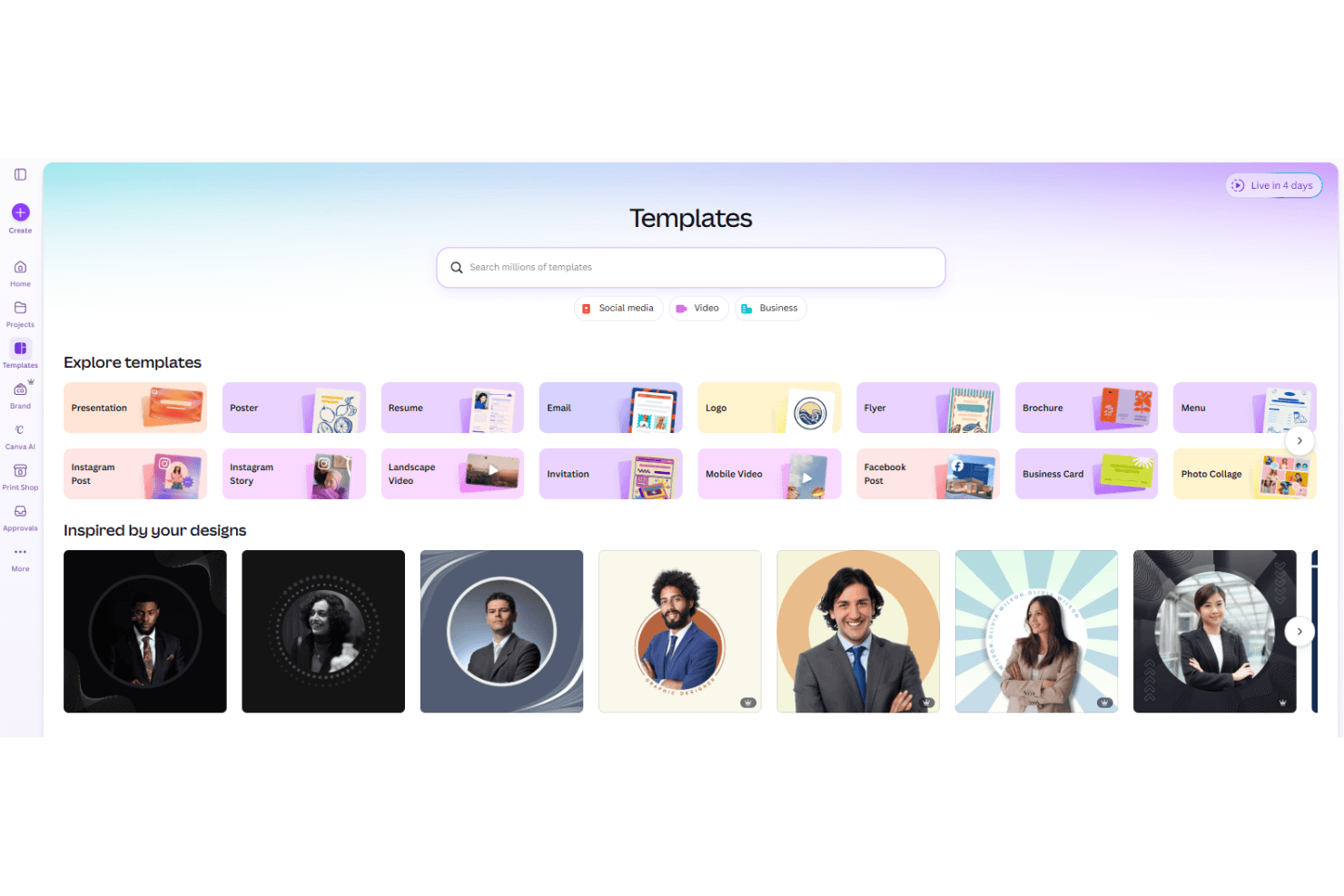
Canva is widely recognized for its approachable interface and minimal onboarding requirements, making it accessible to users with no formal design background. The drag-and-drop editor, clear navigation, and contextual tooltips help users create polished visuals quickly. User reviews consistently highlight how easy it is to start a project, collaborate with others, and access templates — which significantly reduces the learning curve often associated with design software like Adobe Photoshop, Illustrator, or Adobe Express.
Integrations
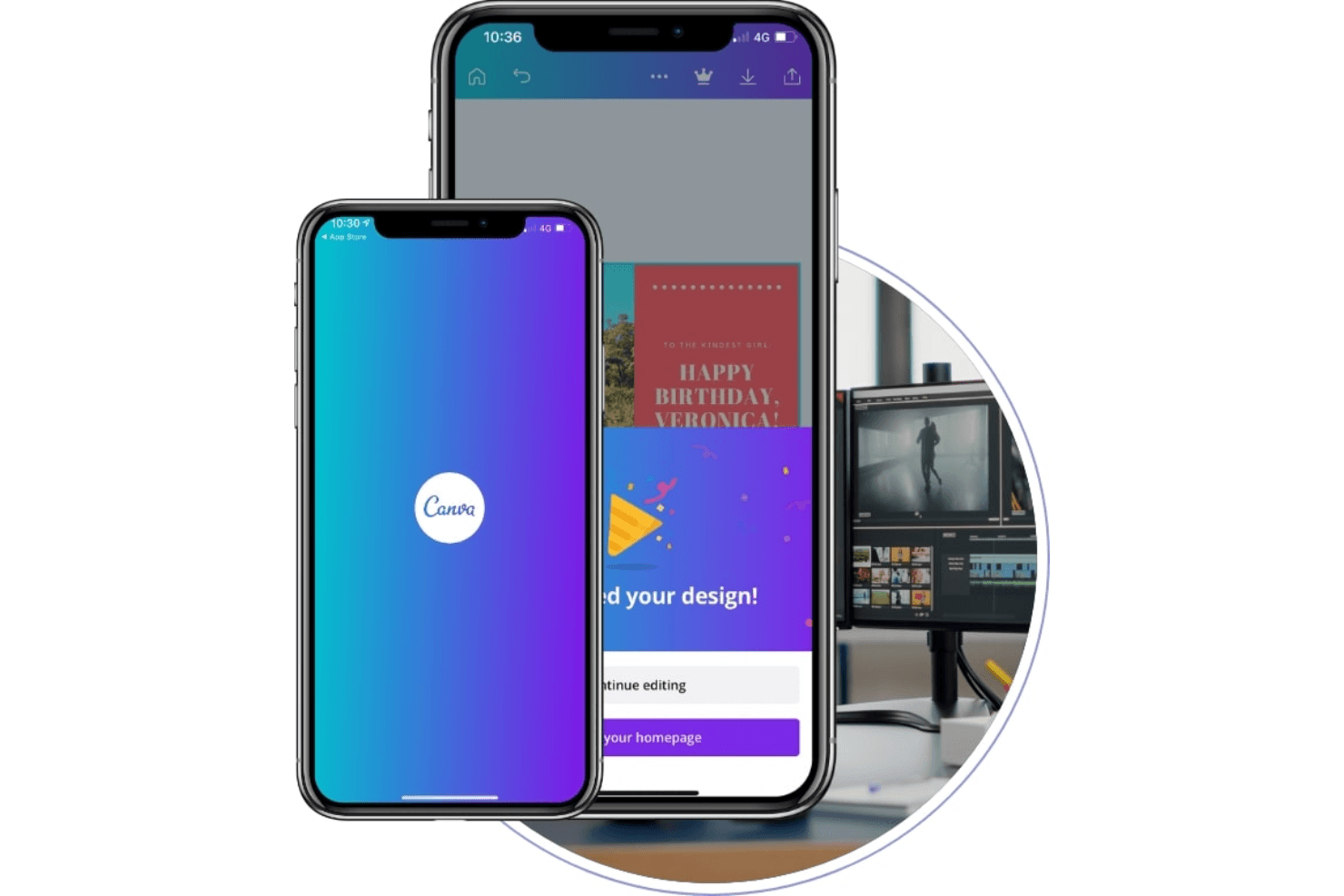
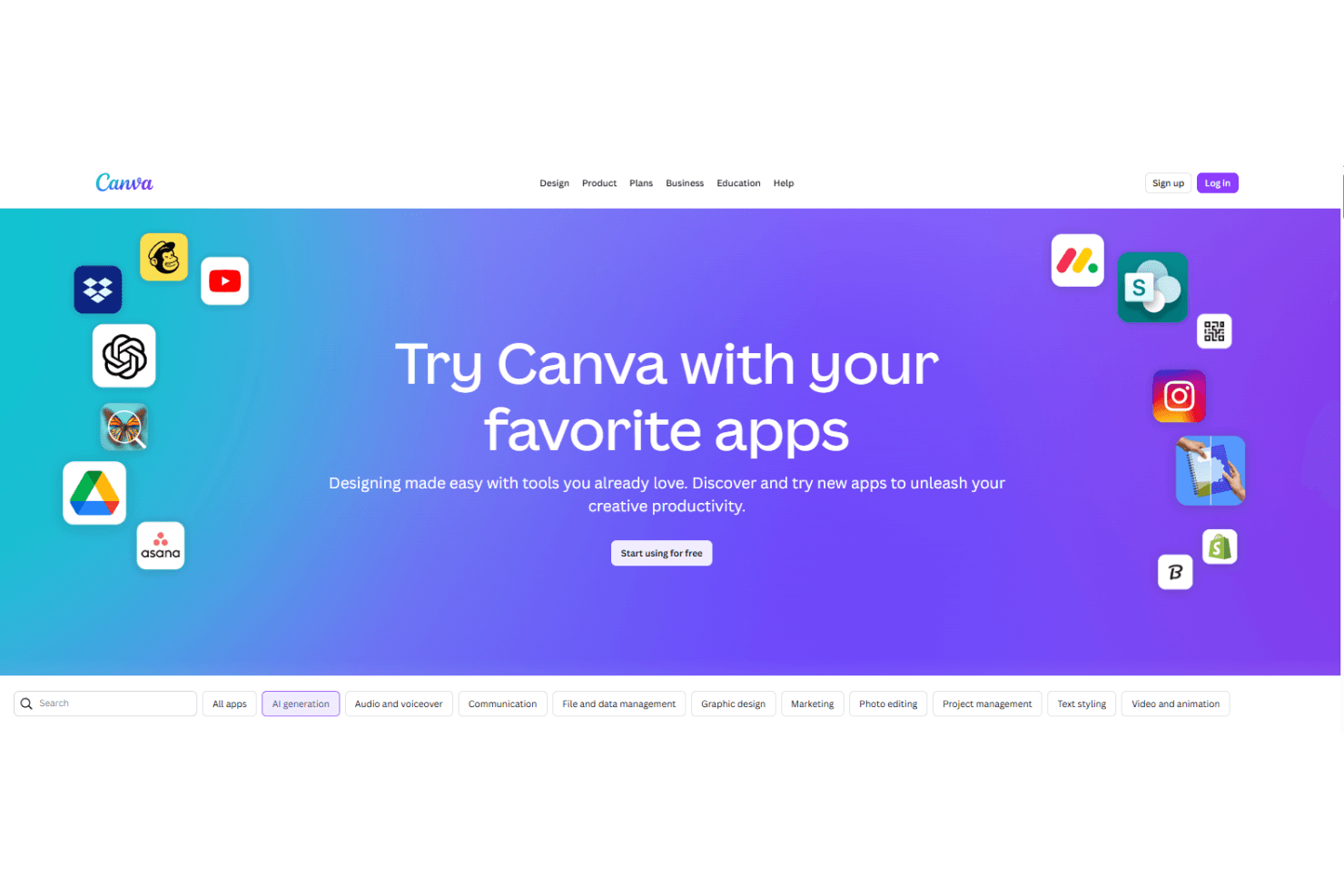
Canva integrates with Asana, Google Workspace, Slack, Microsoft Teams, Meta, Mailchimp, and many more through its Apps Marketplace.
Canva also offers an API and connects with third-party integration tools for expanded automation and workflow options.
Canva Specs
- CAD Tools: Yes
- Data Export: Yes
- Data Import: Yes
- Multi-User: Yes
- Pixel Graphics: Yes
- Third-Party Plugins/Add-Ons: Yes
- Vector File Support: Yes
- Video: Yes


