
10 migliori software gratuiti per lo sviluppo di prodotti recensiti nel 2026

10 I migliori software gratuiti per lo sviluppo dei prodotti: selezione


Con così tante soluzioni diverse per lo sviluppo dei prodotti disponibili, capire quale sia quella giusta per te può essere difficile. Sai di voler gestire le esigenze dei clienti, offrire l’integrazione con gli strumenti per i sondaggi e consentire la raccolta dei feedback degli utenti, ma devi capire quale strumento sia il migliore. Ci penso io! In questo articolo ti aiuterò a rendere semplice la tua scelta condividendo le mie esperienze personali nell’utilizzo di decine di strumenti diversi per lo sviluppo dei prodotti con team e progetti di grandi dimensioni, insieme alla mia selezione dei migliori strumenti gratuiti per lo sviluppo dei prodotti.
Perché Fidarsi delle Nostre Recensioni Software
Testiamo e recensiamo software per il product management dal 2020. Come product manager sappiamo quanto sia fondamentale e difficile fare la scelta giusta in termini di software. Investiamo in una ricerca approfondita per aiutare il nostro pubblico a prendere decisioni migliori sugli acquisti di software. Abbiamo testato oltre 2.000 strumenti per diversi casi d’uso e scritto più di 1.000 recensioni approfondite.Scopri come assicuriamo la trasparenza & la nostra metodologia di recensione software.
Riepilogo dei migliori software gratuiti per lo sviluppo dei prodotti
Sebbene tutti i software per lo sviluppo dei prodotti presenti nella mia lista offrano piani gratuiti, dispongono anche di piani a pagamento nel caso in cui desiderassi effettuare un upgrade. Ecco i costi base per ciascuno degli strumenti inclusi nella mia selezione:
| Tool | Best For | Trial Info | Price | ||
|---|---|---|---|---|---|
| 1 | Il migliore per il controllo di versione e la condivisione del codice | Piano gratuito disponibile | A partire da $4/utente/mese | Website | |
| 2 | Ideale per il design collaborativo delle interfacce | Piano gratuito disponibile | A partire da $16/utente/mese (fatturato annualmente) | Website | |
| 3 | Il migliore per il monitoraggio flessibile dei progetti basato su database | Piano gratuito disponibile | Da $20/utente/mese (fatturato annualmente) | Website | |
| 4 | Ideale per la gestione del codice Git e la collaborazione | Piano gratuito disponibile | Da $3.65/utente/mese (per 5 utenti) | Website | |
| 5 | Ideale per visualizzare il flusso di lavoro dei progetti | Piano gratuito disponibile | A partire da $5/utente/mese (fatturazione annuale) | Website | |
| 6 | Migliore per il monitoraggio delle attività e delle tappe | Piano gratuito + demo gratuita disponibile | A partire da $10.99/utente/mese (fatturato annualmente) | Website | |
| 7 | Il migliore per la gestione del ciclo di vita DevOps | Piano gratuito disponibile | A partire da $29/utente/mese | Website | |
| 8 | Il migliore per il design e la modellazione di prodotti 3D | Prova gratuita di 30 giorni | Da $119 /anno | Website | |
| 9 | Ideale per la gestione dei progetti Agile | Piano gratuito disponibile | Da $7,91/utente/mese | Website | |
| 10 | Ideale per whiteboarding digitale interattivo | Piano gratuito disponibile | Da $8/membro/mese (fatturato annualmente) | Website |

Recensioni dei migliori software gratuiti per lo sviluppo dei prodotti
Di seguito trovi i miei riepiloghi dettagliati dei migliori software gratuiti per lo sviluppo dei prodotti inclusi nella mia selezione. Le mie recensioni offrono un’analisi approfondita delle funzionalità principali, dei pro e dei contro, delle integrazioni e dei casi d’uso ideali di ciascuno strumento, per aiutarti a trovare quello più adatto a te. Sebbene alcuni di questi strumenti offrano una versione completamente gratuita, altri propongono un periodo di prova gratuito. In ciascuna recensione ho aggiunto una nota su ciò che è gratuito.

GitHub
Il migliore per il controllo di versione e la condivisione del codice
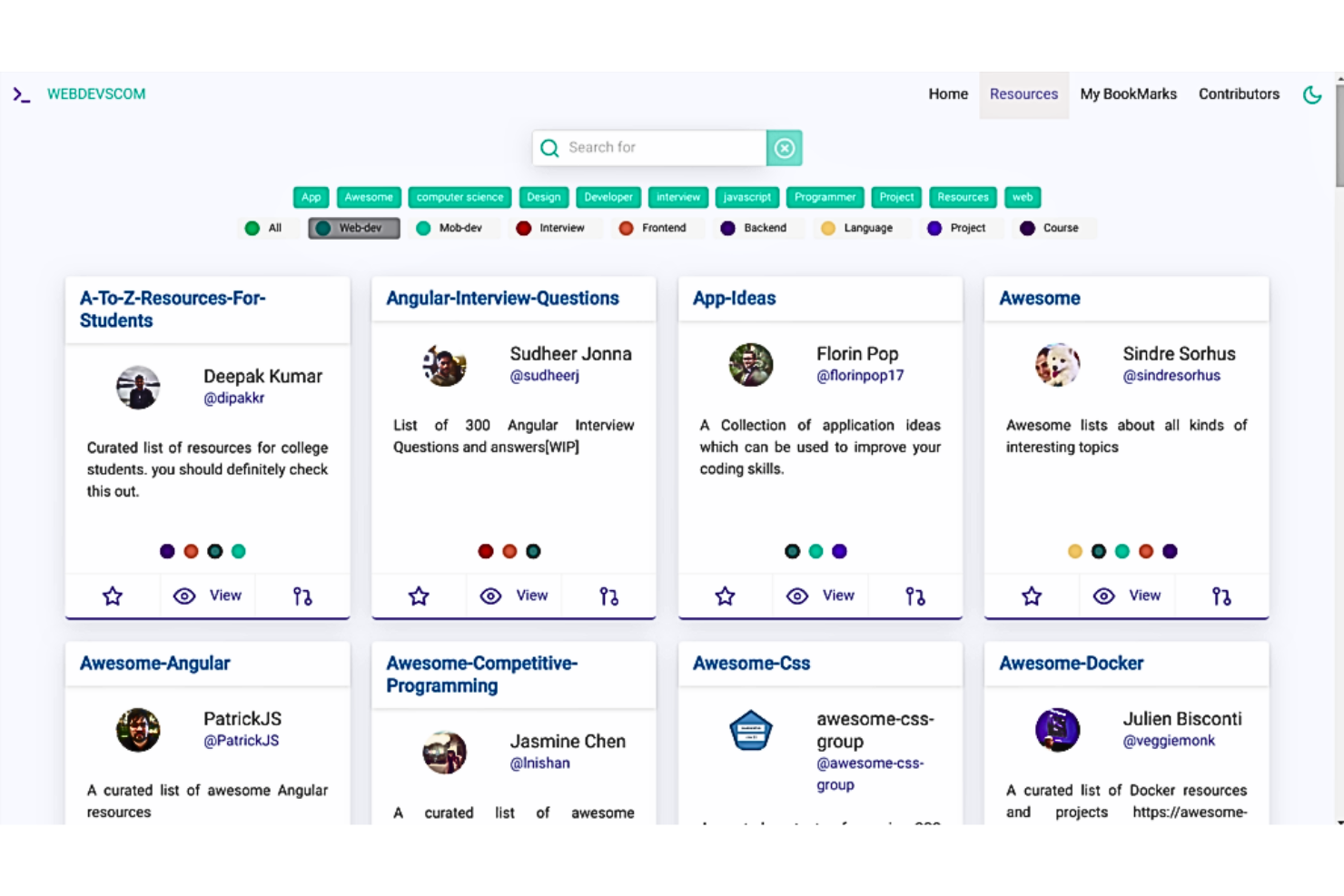
GitHub è una piattaforma online per il controllo di versione che utilizza git, dove gli sviluppatori possono archiviare il proprio codice, collaborare su progetti di programmazione e contribuire a software open source. Essendo uno strumento esplicitamente progettato per l'hosting del codice, GitHub eccelle nell'offrire servizi per il controllo di versione e la condivisione del codice, rendendolo uno strumento imprescindibile per sviluppatori di tutto il mondo.
Perché ho scelto GitHub: Scegliere GitHub per questa lista è stato semplice grazie alla sua ampia diffusione e al robusto set di funzionalità per l'hosting e la collaborazione sul codice. La sua differenziazione risiede nell'ampia comunità di sviluppatori che ospita, rendendolo un'eccellente risorsa per apprendere e contribuire a progetti open source. L'ho scelto come 'Il migliore per il controllo di versione e la condivisione del codice' per la sua integrazione con git per il controllo di versione e per la facilitazione della condivisione e collaborazione nel settore dello sviluppo software.
Cosa ottieni gratuitamente?
GitHub offre un piano gratuito che include repository pubblici e privati illimitati, collaboratori illimitati e 500 MB di spazio di archiviazione per GitHub Packages. La versione gratuita, tuttavia, manca di alcune funzionalità come i branch protetti e GitHub Pages, che sono disponibili nei piani a pagamento.
Caratteristiche principali & Integrazioni
Tra le funzionalità principali di GitHub si trovano i suoi avanzati strumenti di collaborazione come le pull request, i project board e la gestione dettagliata delle issue. Offre un vasto marketplace di integrazioni di terze parti e app, facilitando i flussi di lavoro con strumenti come Slack, Jira, Jenkins e molti altri.
Pros and Cons
Pros:
- Piattaforma ampiamente usata con una grande comunità
- Funzionalità avanzate di collaborazione e condivisione del codice
- Vasto marketplace per integrazioni di terze parti
Cons:
- Funzionalità limitate nel piano gratuito
- Può essere complesso per i principianti
- Le funzionalità avanzate di gestione del team richiedono un piano a pagamento

Figma
Ideale per il design collaborativo delle interfacce
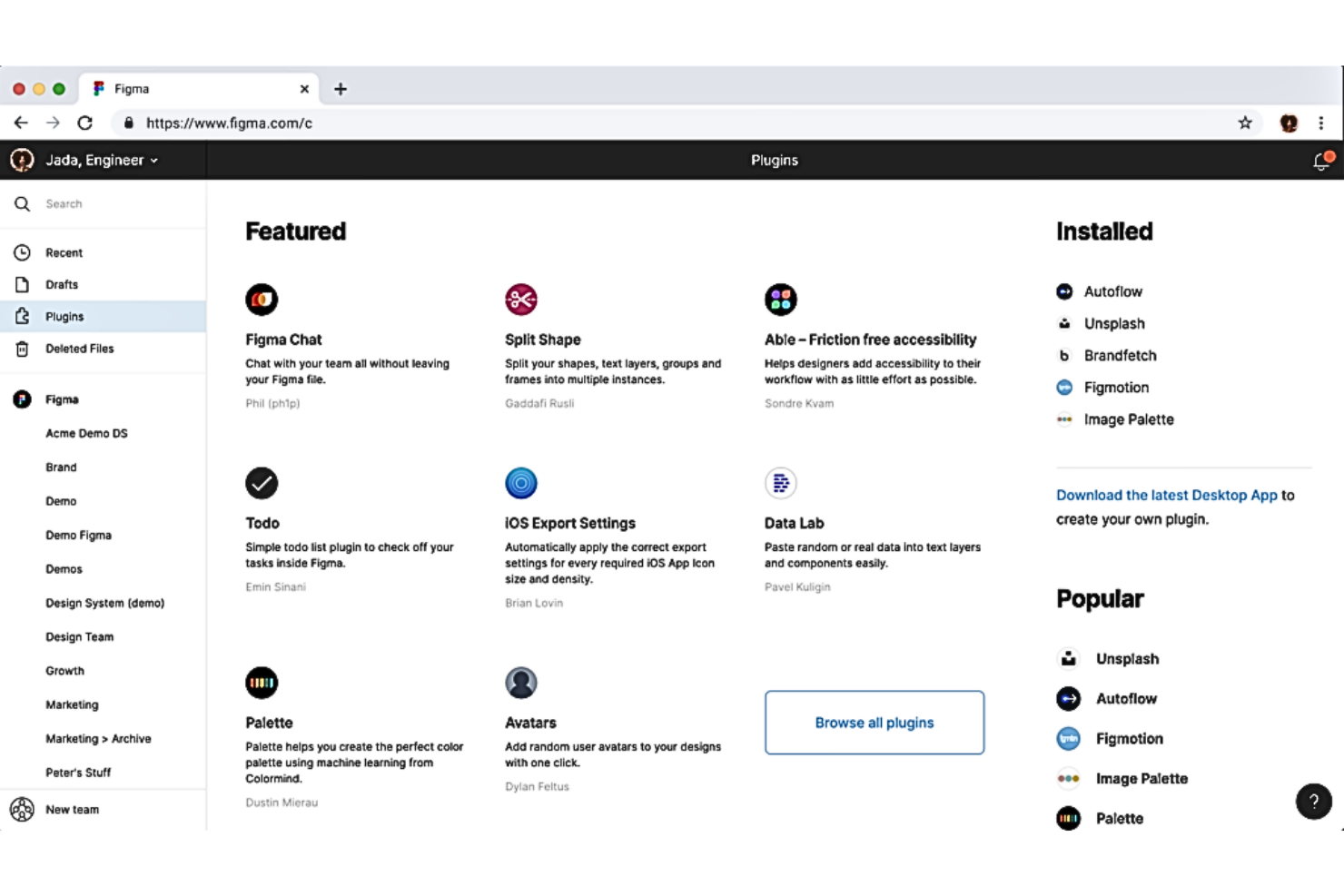
Figma è un editor di grafica vettoriale basato sul web e uno strumento di prototipazione che consente ai team di design di collaborare in tempo reale. Grazie alla sua funzionalità di collaborazione in tempo reale e ai suoi solidi strumenti di design, non sorprende che si distingua per il design collaborativo delle interfacce.
Perché ho scelto Figma: Nella scelta di Figma, sono stato particolarmente attratto dalla sua configurazione basata sul cloud, che permette ai team di design di lavorare su progetti simultaneamente, indipendentemente dalla posizione. Questo livello di collaborazione non è comune tra gli altri strumenti di design di interfacce, il che dà a Figma un vantaggio. A mio avviso, è la capacità di Figma per la collaborazione in tempo reale e le sue funzionalità di design complete che lo rendono la scelta migliore per il design collaborativo delle interfacce.
Cosa ottieni gratuitamente?
Figma offre un piano gratuito che include fino a due editor e tre progetti con spazio di archiviazione cloud illimitato. Inoltre, puoi collaborare con altri in tempo reale. Ci sono alcune limitazioni nel piano gratuito, come un limite al numero di membri del team e la mancanza di funzionalità avanzate di collaborazione.
Funzionalità e integrazioni principali
Tra le funzionalità più utili di Figma ci sono le sue capacità di collaborazione in tempo reale, gli strumenti di modifica vettoriale e la possibilità di creare prototipi di design. Figma offre anche integrazioni notevoli, come Slack per la condivisione facile degli aggiornamenti di design e Zeplin per la consegna e l'implementazione dei progetti.
Pros and Cons
Pros:
- Capacità di collaborazione in tempo reale
- Strumenti completi per design e prototipazione
- Integrazioni utili con altri strumenti di produttività
Cons:
- La curva di apprendimento può essere ripida per i nuovi utenti
- L'interfaccia può risultare affollata di funzionalità
- Costo più elevato rispetto ad altri strumenti di design

Airtable
Il migliore per il monitoraggio flessibile dei progetti basato su database

Airtable è una piattaforma innovativa che unisce la semplicità di un'interfaccia a fogli di calcolo con la potenza di un database. Si distingue come il miglior strumento per il monitoraggio flessibile dei progetti basato su database grazie alla sua struttura adattabile che può soddisfare vari flussi di lavoro e processi.
Perché ho scelto Airtable: Ho selezionato Airtable principalmente per la sua natura versatile. Offre la possibilità di strutturare e organizzare i progetti in modo conforme alle esigenze specifiche di qualsiasi team, il che lo differenzia dagli altri strumenti di monitoraggio dei progetti. Credo che Airtable sia la soluzione migliore per il monitoraggio di progetti basato su database poiché offre una vasta gamma di viste personalizzabili come griglia, calendario, kanban e galleria, rendendo il monitoraggio dei progetti flessibile ed efficiente.
Cosa si ottiene gratuitamente?
Airtable offre un piano gratuito che include basi illimitate, 1.200 record per base, 2 GB di spazio per allegati per base e 2 settimane di cronologia revisioni e snapshot. Tuttavia, il piano gratuito limita l'accesso a funzionalità più avanzate e a capacità di archiviazione superiori.
Funzionalità e integrazioni principali
Le funzionalità principali di Airtable includono tipi di campo avanzati (come testo, numeri, elenchi a discesa e altro), viste personalizzabili e la possibilità di collaborazione in tempo reale. Le sue integrazioni sono inoltre molto estese, includendo strumenti come Slack per la comunicazione, Zapier per l'automazione dei flussi di lavoro e vari servizi popolari come Google Drive, Dropbox ed Evernote per la gestione dei documenti.
Pros and Cons
Pros:
- Altamente flessibile e personalizzabile
- Offre una varietà di viste per il monitoraggio dei progetti
- Opzioni di integrazione forti con altri strumenti
Cons:
- Potrebbe essere eccessivo per esigenze di gestione progetti semplici
- La curva di apprendimento può essere ripida a causa della sua versatilità
- Le funzionalità avanzate sono disponibili solo a pagamento

Ideale per la gestione del codice Git e la collaborazione

Bitbucket è un servizio di hosting di repository di controllo versione basato sul web che aiuta principalmente i team a gestire il codice Git e collaborare. Consente di pianificare, collaborare, testare e distribuire il codice, rendendolo ideale per la gestione del codice Git e la collaborazione.
Perché ho scelto Bitbucket: Nella selezione del miglior strumento per la gestione del codice Git e le collaborazioni, ho dovuto considerare Bitbucket. Bitbucket si distingue per la sua profonda integrazione con gli altri strumenti Atlassian, che favorisce collaborazioni di team più fluide. A mio avviso, le solide funzionalità di gestione del codice Git di Bitbucket, insieme alla sua capacità di migliorare il lavoro di squadra grazie alle integrazioni, lo rendono il migliore per la gestione del codice Git e le collaborazioni.
Cosa si ottiene gratuitamente?
Bitbucket offre un piano gratuito che consente a un massimo di 5 utenti di collaborare su repository privati, con accesso alle integrazioni con Jira e Trello. Ci sono alcune limitazioni nel piano gratuito, come minuti di build e spazio di archiviazione inferiori per pipeline e Git LFS, e nessuna whitelist degli IP.
Funzionalità principali e integrazioni
Le funzionalità degne di nota di Bitbucket includono pull request, branch di codice e commenti inline per consentire una migliore revisione del codice. Offre anche CI/CD integrato con Bitbucket Pipelines. Lo strumento si integra perfettamente con altri prodotti Atlassian come Jira, Confluence e Trello, risultando ideale per i team che già utilizzano la suite Atlassian.
Pros and Cons
Pros:
- Profonda integrazione con gli strumenti Atlassian
- Funzionalità efficaci di gestione del codice Git
- CI/CD integrato con Bitbucket Pipelines
Cons:
- Piano gratuito meno generoso rispetto a quello dei concorrenti
- L'interfaccia utente potrebbe non essere intuitiva come quella di alcuni concorrenti
- Alcune funzionalità avanzate disponibili solo nei piani di livello superiore
Trello
Ideale per visualizzare il flusso di lavoro dei progetti

Trello è un software per la roadmap di prodotto e uno strumento di project management noto per la sua semplicità e la facilità con cui consente di visualizzare i flussi di lavoro. La piattaforma si basa su bacheche, liste e schede, rendendola ideale per gestire e monitorare progetti in modo visivo e intuitivo.
Perché ho scelto Trello: Trello si distingue tra gli strumenti di project management per la sua potente ma semplice rappresentazione visiva del lavoro. Nel momento di selezionare uno strumento che offrisse una chiara panoramica visiva dell’avanzamento dei progetti, Trello è stata la mia prima scelta. Questa semplicità e chiarezza visiva rendono Trello il “Migliore per visualizzare il flusso di lavoro dei progetti.” Permette ai team di vedere a colpo d’occhio a che punto si trova ogni attività o progetto, riducendo la confusione e aumentando la produttività.
Cosa offre gratuitamente?
Trello propone un piano gratuito che include bacheche, schede e liste personali illimitate, e fino a 10 bacheche di team. Questo piano offre inoltre una Power-Up per bacheca e l’autenticazione a due fattori. Tuttavia, funzionalità come checklist avanzate e campi personalizzati sono disponibili solo nei piani premium.
Caratteristiche principali e integrazioni
Le principali funzionalità di Trello includono la semplicità d’uso delle bacheche, liste e schede per la gestione di attività e progetti. La possibilità di assegnare compiti, aggiungere commenti e allegare file direttamente alle schede facilita la collaborazione tra i membri del team. Trello si integra anche con numerose app popolari come Slack, Google Drive e GitHub, permettendo un flusso di lavoro più fluido tra diverse piattaforme.
Pros and Cons
Pros:
- Interfaccia facile da usare e intuitiva
- Rappresentazione visiva del flusso di lavoro
- Integrazioni utili con altri strumenti popolari
Cons:
- Poche funzionalità nel piano gratuito
- Le funzionalità avanzate possono risultare costose
- Non ideale per la gestione di progetti complessi
Asana
Migliore per il monitoraggio delle attività e delle tappe

Asana è una soluzione completa per la gestione dei progetti che pone l'accento sull'organizzazione e sul monitoraggio delle attività. Offre un set di funzionalità robuste che aiutano nella gestione e nel tracciamento delle tappe fondamentali e delle attività di progetto, rendendola ottimale per progetti complessi.
Perché ho scelto Asana: Scegliere Asana è stata una decisione semplice per questa lista, grazie alle sue eccellenti funzionalità per il monitoraggio delle attività e delle tappe. Si distingue tramite un sistema di gestione delle attività solido e una visione dettagliata delle tappe di progetto. Ritengo che Asana sia la 'Migliore per il monitoraggio delle attività e delle tappe' perché offre una panoramica chiara e completa di tutti gli elementi del progetto, incluse attività, sottoattività e obiettivi intermedi, che altri strumenti non offrono allo stesso livello.
Cosa offre gratuitamente?
Il piano gratuito di Asana include funzionalità come attività, progetti e messaggi illimitati per team fino a 15 persone. Pur offrendo dashboard e funzionalità di ricerca di base, le funzionalità avanzate come vista timeline, diagrammi di Gantt, campi personalizzati e integrazioni avanzate sono disponibili solo nei piani premium.
Caratteristiche principali e integrazioni
Le caratteristiche di spicco di Asana sono le gerarchie delle attività, le sottoattività, le dipendenze e il monitoraggio delle tappe fondamentali. Offre inoltre diverse opzioni di visualizzazione del progetto, come la visualizzazione a elenco, a bacheca e a calendario. Per quanto riguarda le integrazioni, Asana si integra bene con strumenti popolari come Slack, Google Drive e Microsoft Teams, facilitando un flusso di lavoro semplificato.
Pros and Cons
Pros:
- Monitoraggio dettagliato di attività e tappe
- Molteplici visualizzazioni di progetto
- Forti integrazioni con altri strumenti
Cons:
- Le funzionalità avanzate richiedono un piano premium
- L'interfaccia può risultare complessa per i nuovi utenti
- La versione gratuita supporta solo fino a 15 membri del team

GitLab
Il migliore per la gestione del ciclo di vita DevOps

GitLab è una piattaforma DevOps che facilita l'intero ciclo di vita dello sviluppo software. Unificando la gestione delle issue, il controllo delle versioni, le revisioni del codice, CI/CD e il monitoraggio in un'unica interfaccia, GitLab offre una soluzione completa per la gestione del ciclo di vita DevOps.
Perché ho scelto GitLab: Nel determinare il miglior strumento per la gestione del ciclo di vita DevOps, GitLab è stata una scelta ovvia. GitLab si distingue per il suo approccio 'tutto in uno' al DevOps, coprendo tutto dalla pianificazione del progetto e la gestione del codice sorgente fino a CI/CD, monitoraggio e sicurezza. Questo lo rende diverso da molte altre piattaforme che richiedono integrazioni multiple per offrire un approccio completo al ciclo di vita. A mio giudizio, GitLab eccelle realmente nella gestione del ciclo di vita DevOps, motivo per cui l'ho definito 'Il migliore per la gestione del ciclo di vita DevOps'.
Cosa offre gratuitamente?
GitLab offre un generoso piano gratuito, che include repository privati illimitati, collaboratori illimitati e funzionalità CI/CD. Tuttavia, questo piano gratuito presenta alcune limitazioni come il supporto a priorità inferiore e la mancanza di regole di approvazione multiple nelle merge request.
Caratteristiche distintive e integrazioni
Le principali funzionalità di GitLab includono integrazione e distribuzione continua (CI/CD) integrata, opzioni di sicurezza come SAST, DAST e scansione delle dipendenze, e un robusto sistema di gestione delle issue. GitLab si integra bene con molti strumenti di terze parti come Jira, Jenkins e Slack per potenziarne ulteriormente le capacità.
Pros and Cons
Pros:
- Soluzione tutto in uno per il ciclo di vita DevOps
- Potenti funzionalità CI/CD e di sicurezza
- Supporta un gran numero di integrazioni di terze parti
Cons:
- L'interfaccia può risultare complessa per i nuovi utenti
- Alcune funzionalità richiedono piani di livello superiore
- Supporto a priorità inferiore nel piano gratuito

SketchUp è una piattaforma di modellazione 3D facile da usare, spesso utilizzata per l'architettura e il design d'interni, l'ingegneria meccanica e la progettazione di videogiochi. Come strumento creato specificamente per la creazione 3D, rende la visualizzazione, la pianificazione e la comunicazione di progetti complessi molto più semplici, in particolare nel contesto del design e della modellazione di prodotti.
Perché ho scelto SketchUp: Nella mia selezione, SketchUp è entrato in lista principalmente per la sua semplicità e funzionalità nella modellazione 3D. Questo strumento si distingue per il suo equilibrio tra usabilità e potenza, offrendo un'interfaccia intuitiva senza rinunciare alla profondità delle sue funzionalità, rendendolo una scelta d'eccellenza. Ritengo che sia 'Il migliore per il design e la modellazione di prodotti 3D' perché si rivolge a una vasta gamma di professionisti del design, consentendo loro di esprimere progetti complessi in modo facile ed efficiente.
Cosa offre gratuitamente?
SketchUp propone una versione gratuita, SketchUp Free, che offre gli strumenti base di modellazione 3D su una piattaforma web. Tuttavia, la versione gratuita ha funzionalità limitate e non include caratteristiche come la possibilità di installare estensioni, l'accesso a 3D Warehouse o gli strumenti di progettazione avanzati disponibili nelle versioni premium.
Funzionalità chiave e integrazioni
Le caratteristiche principali di SketchUp includono un set robusto di strumenti di modellazione 3D, una vasta libreria di modelli preimpostati e la compatibilità con diversi formati di file per l'esportazione. In termini di integrazioni, SketchUp può collegarsi con una serie di strumenti e plugin di terze parti per estendere le sue funzionalità, tra cui strumenti di rendering come V-Ray e Twinmotion e pacchetti CAD come AutoCAD.
Pros and Cons
Pros:
- Interfaccia intuitiva per la progettazione 3D
- Vasta libreria di modelli preimpostati
- Supporto versatile per formati di file
Cons:
- Le funzionalità avanzate richiedono un piano a pagamento
- Funzionalità limitate nella versione gratuita
- Necessita di un buon hardware per progetti complessi

Jira è uno strumento SaaS per la gestione dei progetti estremamente versatile, spesso riconosciuto per le sue capacità nella gestione Agile dei progetti. Il suo sistema strutturato aiuta a tracciare e gestire tutti gli elementi di un progetto, rendendolo una scelta ideale per la gestione dei flussi di lavoro dei team Agile.
Perché ho scelto Jira: Ho selezionato Jira per questa lista grazie alla sua struttura ben definita per la gestione dei progetti Agile. Il software si distingue per la capacità di gestire efficacemente i flussi di lavoro Scrum e Kanban, qualità preziosa per i team che seguono metodologie Agile. L'etichetta 'Ideale per la gestione dei progetti Agile' è appropriata poiché Jira fornisce viste dettagliate dei flussi di lavoro Agile e offre funzionalità robuste che facilitano il tracciamento delle attività e la visualizzazione dei progressi.
Cosa offre gratuitamente?
La versione gratuita di Jira è pensata per piccoli team fino a 10 utenti e include bacheche Scrum e Kanban, prioritizzazione del backlog e reportistica Agile. Tuttavia, mancano funzionalità avanzate come ruoli di progetto, log delle verifiche, user story e permessi utente disponibili nei piani premium.
Caratteristiche distintive & integrazioni
Le caratteristiche distintive di Jira includono le sue bacheche Agile, i flussi di lavoro personalizzabili, la prioritizzazione del backlog e una reportistica approfondita. Permette un'estesa personalizzazione adatta a requisiti specifici di progetto. Per quanto riguarda le integrazioni, Jira si integra bene con altri prodotti Atlassian come Confluence e Bitbucket, oltre che con strumenti come Slack e GitHub.
Pros and Cons
Pros:
- Opzioni di personalizzazione approfondite
- Ampia gamma di integrazioni
- Eccellenti capacità di gestione Agile
Cons:
- Curva di apprendimento più ripida per i nuovi utenti
- Funzionalità avanzate disponibili solo nei piani premium
- Versione gratuita limitata a piccoli team

Miro
Ideale per whiteboarding digitale interattivo

Miro è una piattaforma online di whiteboarding collaborativo, che consente ai team di lavorare insieme in modo visivo e in tempo reale. Si distingue come strumento di whiteboarding digitale interattivo, rendendolo perfetto per sessioni di brainstorming, pianificazione, visualizzazione della strategia di prodotto e molto altro.
Perché ho scelto Miro: Ho scelto Miro per la sua eccezionale flessibilità e natura visiva intuitiva, che si adatta bene alle diverse esigenze di collaborazione dei team. Rispetto ad altri strumenti di whiteboard, la capacità di Miro di coinvolgere i membri del team in uno spazio di lavoro digitale altamente interattivo si distingue. La sua potente gamma di funzionalità lo rende perfettamente adatto al suo ruolo di strumento di whiteboarding digitale interattivo.
Cosa si ottiene gratuitamente?
Il piano gratuito di Miro include membri illimitati nel team, tre bacheche modificabili e funzionalità di base come modelli preimpostati, post-it, strumenti di disegno e integrazioni di base. Tuttavia, le funzionalità avanzate e le bacheche illimitate sono riservate ai piani a pagamento.
Funzionalità principali e integrazioni
Le principali funzionalità di Miro comprendono una tela illimitata, vari modelli, potenti capacità di collaborazione inclusa la videochat e la possibilità di convertire i disegni a mano libera in forme precise. Per quanto riguarda le integrazioni, Miro offre compatibilità con strumenti popolari come Slack, Google Drive, Dropbox, Jira e altri, consentendo un flusso di lavoro più fluido.
Pros and Cons
Pros:
- Fornisce uno spazio di lavoro coinvolgente e interattivo
- Offre una varietà di modelli e strumenti
- Supporta una vasta gamma di integrazioni per aumentare la produttività
Cons:
- La tela illimitata potrebbe risultare eccessiva per alcuni utenti
- Funzionalità come votazione e timer sono disponibili solo nei piani a pagamento
- Alcuni utenti possono trovare una curva di apprendimento a causa dell'interfaccia ricca di funzionalità
New Product Updates from Miro
Miro Adds Japan Data Residency for Enterprise Customers
Miro has introduced Japan data residency for enterprise customers, offering in-region storage for production data, backups, and metadata, plus in-region compute infrastructure. For more information, visit Miro's official site.
Altri software gratuiti per lo sviluppo dei prodotti
Ecco altre opzioni di software per lo sviluppo dei prodotti che offrono anch’esse piani o periodi di prova gratuiti. Sebbene questi strumenti non siano stati inclusi nella mia selezione, vale comunque la pena dare loro un’occhiata:


Come valuto i software gratuiti per lo sviluppo di prodotti
Prima di tutto, definisco cosa significa gratuito. Per i software di sviluppo prodotto, questo implica un piano gratuito per sempre—non solo una prova temporanea—che un fondatore singolo o un piccolo team possa effettivamente usare per gestire roadmap e backlog a lungo termine. Da lì, considero due livelli: la funzionalità di base che uno strumento deve offrire per meritare un posto in questa lista, e i fattori che distinguono le migliori opzioni.
Funzionalità di base (requisiti indispensabili per questa lista)
Oltre ai miei criteri di gratuità, uso anche un sistema di punteggio per selezionare gli strumenti della mia lista. Ecco come funziona:
Classifico ciascuno su una scala da 0 (non offre la funzionalità) a 5 (eccelle in quest’area) per ogni funzionalità di base elencata sotto. Poi, calcolo il punteggio totale dello strumento come percentuale. Ogni strumento deve raggiungere un punteggio totale minimo del 65% per essere considerato nell’inclusione.
- Generosità del piano gratuito: Valuto limiti sugli utenti, cap sui progetti e accesso alle funzionalità—alcuni strumenti danno a un piccolo team spazio di manovra, altri ti restringono all’uso singolo.
- Capacità di roadmapping: Cerco viste a timeline o swimlane dove un product manager può pianificare rilasci trimestrali e condividere un link live della roadmap con leadership o investitori.
- Gestione di backlog & idee: Un backlog strutturato è fondamentale—valuto se puoi taggare, valutare e ordinare le richieste di funzionalità invece di riversare idee in una lista piatta.
- Tracciamento sprint & task: Kanban board e pianificazione degli sprint dovrebbero permettere a un product owner di assegnare storie, monitorare i progressi e rivedere la velocità sulle iterazioni.
- Collaborazione & condivisione: Commenti in tempo reale, @menzioni e spazi di lavoro condivisi sono ciò che valuto—un fondatore deve poter coinvolgere uno sviluppatore o designer senza attriti.
- Integrazioni con dev tools: Controllo la presenza di collegamenti nativi con strumenti come GitHub, Slack e Figma affinché le decisioni di prodotto fluiscano nei flussi di lavoro di ingegneria e design.
Una volta che ho una lista di strumenti che rispettano questi criteri, considero cosa rende unica ogni piattaforma.
Fattori distintivi (cosa differenzia i fornitori)
Ecco come confronto e distinguo i vari fornitori:
Funzionalità distintive
I portali per il feedback dei clienti distinguono alcuni strumenti. Cerco quelli dove gli utenti finali possono inviare e votare richieste di funzionalità che confluiscono direttamente nel backlog, così che un product manager non debba copiare manualmente le idee da email o fogli di calcolo. Anche i flussi di lavoro assistiti dall’intelligenza artificiale sono sempre più rilevanti—gli strumenti che generano user story dal feedback grezzo o redigono una PRD possono risparmiare ore di scrittura ripetitiva. Dashboard di reportistica completano il quadro. I migliori permettono di visualizzare velocità degli sprint e progressi della roadmap in un formato che puoi condividere con gli stakeholder senza necessità di preparazione aggiuntiva.
Oltre le funzionalità
La scalabilità della versione gratuita è molto importante qui. Valuto se i limiti sugli utenti e sui progetti possono supportare un piccolo team di prodotto mentre cresce—oppure se incontrerai un paywall aggiungendo il terzo collaboratore. Un altro fattore che considero è la compatibilità con i diversi casi d’uso. Alcune piattaforme sono realizzate apposta per la gestione prodotto, altre sono strumenti di progetto generici adattati al lavoro del PM, e questa distinzione ha un impatto sulla tenuta dei flussi dal backlog alla roadmap. Guardo anche attentamente alle politiche di esportazione e portabilità dei dati, dal momento che un team autofinanziato ha bisogno di una via d’uscita pulita nel caso cambi strumento in futuro.
Come scegliere un software gratuito per lo sviluppo dei prodotti
Gli elenchi di funzionalità complessi e le strutture tariffarie possono rendere difficile capire che cosa si ottenga realmente da un software gratuito per lo sviluppo dei prodotti. Per aiutarti a mantenere la concentrazione durante il processo di selezione del software, ecco alcuni fattori da tenere presenti:
| Fattore | Cosa considerare |
|---|---|
| Portata dell’offerta gratuita | Esamina cosa è incluso nel piano gratuito. Assicurati che copra le esigenze di base della tua squadra senza costi nascosti. |
| Scalabilità | Considera se il software può crescere insieme alla tua azienda. Verifica se supporta più utenti o progetti con l’espansione delle tue esigenze. |
| Integrazioni | Assicurati che si integri con gli strumenti già utilizzati dalla tua squadra, come Slack o Google Workspace, per evitare di interrompere i flussi di lavoro. |
| Facilità d’uso | Valuta quanto è intuitiva l’interfaccia. La tua squadra dovrebbe poter iniziare a usarla con una formazione minima. |
| Sicurezza | Verifica se il software è conforme agli standard di sicurezza pertinenti al tuo settore, soprattutto se gestisci dati sensibili. |
| Assistenza clienti | Cerca le opzioni di assistenza disponibili nella versione gratuita, come il supporto via chat o email, per aiutare la tua squadra quando si verificano problemi. |
| Personalizzazione | Determina se puoi adattare il software ai tuoi flussi di lavoro specifici, anche nella versione gratuita, per massimizzare la produttività. |
| Opzioni per i feedback | Considera come il software ti consente di raccogliere e utilizzare i feedback degli utenti per migliorare il processo di sviluppo del prodotto. |
Che cos’è il software gratuito per lo sviluppo dei prodotti?
Il software per lo sviluppo dei prodotti è progettato per aiutare le squadre a pianificare, gestire e realizzare le idee di prodotto. Questi strumenti offrono spesso piani gratuiti o periodi di prova, consentendo agli utenti di esplorare le funzionalità di base senza impegno finanziario. In genere, i responsabili di prodotto, i designer e gli sviluppatori utilizzano questi strumenti per migliorare la collaborazione e l’efficienza.
Funzionalità come la pianificazione della tabella di marcia, la gestione delle attività e la raccolta dei feedback aiutano le squadre a rimanere organizzate, stabilire le priorità e raccogliere informazioni essenziali, favorendo un processo di sviluppo più efficace.
Funzionalità
Esaminiamo le funzionalità comunemente presenti nel software per lo sviluppo dei prodotti e quali sono generalmente incluse nei piani gratuiti e a pagamento.
Funzionalità tipiche del software gratuito per lo sviluppo dei prodotti
- Gestione delle attività: Aiuta a organizzare e assegnare le attività ai membri della squadra, consentendo a tutti di rimanere in carreggiata.
- Pianificazione della tabella di marcia: Fornisce una sequenza temporale visiva degli obiettivi del prodotto, supportando la pianificazione strategica.
- Raccolta dei feedback: Consente alle squadre di raccogliere informazioni dagli utenti, che possono guidare i miglioramenti del prodotto.
- Strumenti di collaborazione: Facilitano la comunicazione e il lavoro di squadra, assicurando che tutti siano aggiornati.
- Integrazioni di base: Si collegano ad altri strumenti come Slack o Google Workspace, migliorando il flusso di lavoro.
- Pannelli di controllo personalizzabili: Consentono agli utenti di adattare la propria visualizzazione per accedere rapidamente alle informazioni importanti.
- Gestione dei ruoli degli utenti: Permette di impostare autorizzazioni per controllare l’accesso in base ai ruoli della squadra.
Funzionalità tipiche del software a pagamento per lo sviluppo dei prodotti
- Analisi avanzate: Offrono un’analisi approfondita dei dati per aiutare le squadre a prendere decisioni informate.
- Notifiche automatiche: Mantengono aggiornate le squadre con avvisi automatici sulle modifiche ai progetti.
- Collaborazione in tempo reale: Consente a più utenti di lavorare contemporaneamente sugli stessi documenti.
- Funzionalità di sicurezza avanzate: Forniscono misure di sicurezza aggiuntive per proteggere i dati sensibili.
- Assistenza clienti prioritaria: Offre tempi di risposta più rapidi e assistenza dedicata per i problemi urgenti.
- Spazio di archiviazione illimitato: Consente di gestire grandi quantità di dati, essenziale per le squadre in crescita.
- Opzioni di personalizzazione avanzate: Offrono maggiore flessibilità per adattare il software a flussi di lavoro specifici.
Vantaggi
Implementare un software gratuito per lo sviluppo dei prodotti offre diversi vantaggi alla tua squadra e alla tua azienda. Eccone alcuni di cui potrai usufruire:
- Risparmio sui costi: accedi agli strumenti essenziali senza un impegno finanziario, liberando il budget per altre esigenze.
- Organizzazione migliorata: utilizza la gestione delle attività per mantenere chiari e sotto controllo i progetti e le responsabilità.
- Collaborazione potenziata: gli strumenti di comunicazione integrati garantiscono che il tuo team rimanga connesso e allineato.
- Informazioni preziose: le funzionalità di raccolta dei feedback ti aiutano a comprendere le esigenze degli utenti e a prendere decisioni consapevoli.
- Flessibilità: i pannelli di controllo personalizzabili ti consentono di adattare il tuo spazio di lavoro al tuo flusso di lavoro.
- Scalabilità: inizia con le funzionalità di base ed espandi il software man mano che il tuo team cresce, adattandoti alle esigenze in evoluzione.
- Configurazione rapida: interfacce semplici e integrazioni di base consentono di iniziare facilmente senza una formazione approfondita.
Costi e prezzi
Mi rendo conto che sei arrivato a questo articolo cercando le migliori opzioni di software per lo sviluppo di prodotti disponibili gratuitamente. Tuttavia, poiché i piani gratuiti offrono solo funzionalità limitate, è molto probabile che in futuro dovrai passare a un piano superiore.
La tabella seguente riassume i piani più comuni, i relativi prezzi medi e le funzionalità generalmente incluse nelle soluzioni software per lo sviluppo di prodotti:
Tabella di confronto dei piani per i software di sviluppo di prodotti
| Tipo di piano | Prezzo medio | Funzionalità comuni |
|---|---|---|
| Piano gratuito | $0 | Gestione di base delle attività, pianificazione della roadmap, raccolta dei feedback, strumenti di collaborazione e integrazioni di base. |
| Piano personale | $5-$25/user/month | Tutte le funzionalità gratuite, oltre alla gestione dei ruoli degli utenti, pannelli di controllo personalizzabili e spazio di archiviazione aggiuntivo. |
| Piano aziendale | $30-$75/user/month | Tutte le funzionalità del piano personale, oltre ad analisi avanzate, notifiche automatizzate e funzionalità di sicurezza avanzate. |
| Piano aziendale avanzato | $80-$150/user/month | Tutte le funzionalità del piano aziendale, oltre all'assistenza clienti prioritaria, spazio di archiviazione illimitato e opzioni di personalizzazione avanzate. |
Domande frequenti sui software gratuiti per lo sviluppo di prodotti
Ecco alcune risposte alle domande comuni sui software gratuiti per lo sviluppo di prodotti:
Posso affidarmi a un software gratuito per lo sviluppo di prodotti a lungo termine?
Le versioni gratuite possono essere ottime per startup o piccoli team con esigenze di base. Tuttavia, man mano che il team cresce, potresti aver bisogno delle funzionalità avanzate disponibili nei piani a pagamento. È importante valutare se la versione gratuita soddisfa i tuoi obiettivi a lungo termine.
Quali limitazioni devo aspettarmi da un software gratuito per lo sviluppo di prodotti?
I piani gratuiti spesso dispongono di spazio di archiviazione limitato, un numero ridotto di integrazioni e assistenza di base. Potresti inoltre incontrare restrizioni sul numero di utenti o di progetti. Valuta queste limitazioni in relazione alle esigenze del tuo team per decidere se un piano gratuito è sufficiente.
Quanto è sicuro un software gratuito per lo sviluppo di prodotti?
Il livello di sicurezza può variare da un fornitore all’altro. Cerca software che offrano funzionalità di sicurezza di base, come la crittografia dei dati. Per la gestione di informazioni sensibili, valuta la conformità del fornitore agli standard e alle normative del settore.
Posso passare facilmente da un piano gratuito a uno a pagamento?
La maggior parte dei fornitori offre una procedura di passaggio a un piano superiore semplice. Di solito puoi conservare i dati e le impostazioni esistenti quando passi a un piano a pagamento. Verifica con il fornitore la possibile indisponibilità del servizio o eventuali problemi di migrazione dei dati durante il passaggio a un piano superiore.
Qual è il prossimo passo:
Se stai cercando un software gratuito per lo sviluppo di prodotti, contatta gratuitamente un consulente SoftwareSelect per ricevere consigli.
Compili un modulo e svolgi una breve conversazione durante la quale il consulente approfondirà le tue esigenze specifiche. In seguito riceverai una selezione ristretta di software da valutare. Ti assisterà inoltre durante l'intero processo di acquisto, comprese le trattative sul prezzo.