

10 Migliori Software di Product Intelligence Recensiti nel 2026

10 La miglior shortlist di software di product intelligence


Con così tante soluzioni di product intelligence disponibili, scegliere quella giusta può essere difficile. Sai di voler tracciare il comportamento degli utenti, semplificare la raccolta manuale dei dati, ottenere approfondimenti in modo più efficiente e avere informazioni dettagliate sulla concorrenza che supportano le tue decisioni grazie all’analisi predittiva, ma devi capire quale strumento sia il migliore. Ti aiuto io! In questo articolo ti aiuterò a scegliere facilmente, condividendo le mie esperienze personali nell’utilizzo di decine di strumenti di intelligence diversi con grandi team e prodotti complessi, insieme alle mie scelte del miglior software di product intelligence.
Perché Fidarsi delle Nostre Recensioni Software
Testiamo e recensiamo software per il product management dal 2020. Come product manager sappiamo quanto sia fondamentale e difficile fare la scelta giusta in termini di software. Investiamo in una ricerca approfondita per aiutare il nostro pubblico a prendere decisioni migliori sugli acquisti di software. Abbiamo testato oltre 2.000 strumenti per diversi casi d’uso e scritto più di 1.000 recensioni approfondite.Scopri come assicuriamo la trasparenza & la nostra metodologia di recensione software.
Riepilogo dei migliori software di product intelligence
Questa tabella comparativa riassume i dettagli sui prezzi delle mie principali scelte di software di product intelligence per aiutarti a trovare la soluzione più adatta al tuo budget e alle esigenze della tua azienda.
| Tool | Best For | Trial Info | Price | ||
|---|---|---|---|---|---|
| 1 | Ideale per l'integrazione dei dati dei clienti | Piano gratuito disponibile | A partire da $120/mese | Website | |
| 2 | Ideale per l'analisi dei dati tramite drag-and-drop | Prova gratuita + piano gratuito disponibili | A partire da $15/utente/mese (fatturato annualmente) | Website | |
| 3 | Ideale per feedback video live dai clienti | Demo gratuita disponibile | Prezzo su richiesta | Website | |
| 4 | Ideale per aziende mobile-first | Prova gratuita di 30 giorni + demo gratuita disponibile | Da $75/mese | Website | |
| 5 | Ideale per l’esplorazione e la visualizzazione dei dati | Piano gratuito disponibile | A partire da $9/utente/progetto/mese | Website | |
| 6 | Ideale per il monitoraggio delle interazioni utente in-app | Prova gratuita di 30 giorni + piano gratuito + demo gratuita disponibile | Prezzo su richiesta | Website | |
| 7 | Ideale per catturare e analizzare insight sull'esperienza di prodotto su larga scala con l'AI | Prova gratuita di 14 giorni + piano gratuito disponibile | Da $175/mese (fatturazione annuale) | Website | |
| 8 | Ideale per acquisire automaticamente tutte le interazioni degli utenti | Piano gratuito + prova gratuita + demo gratuita disponibili | Prezzo su richiesta | Website | |
| 9 | Ideale per il tracciamento del percorso cliente e dei funnel | Prova gratuita di 7 giorni + demo gratuita disponibile | Da $99/mese | Website | |
| 10 | Ideale per il monitoraggio delle performance di marketing | Demo gratuita disponibile | Prezzo su richiesta | Website |
Recensioni dei migliori software di product intelligence
Qui sotto trovi i miei sommari dettagliati dei migliori software di product intelligence che sono entrati nella mia shortlist. Le mie recensioni offrono uno sguardo approfondito sulle funzionalità principali, pro e contro, integrazioni e casi d’uso ideali di ogni strumento per aiutarti a trovare la soluzione migliore per te.

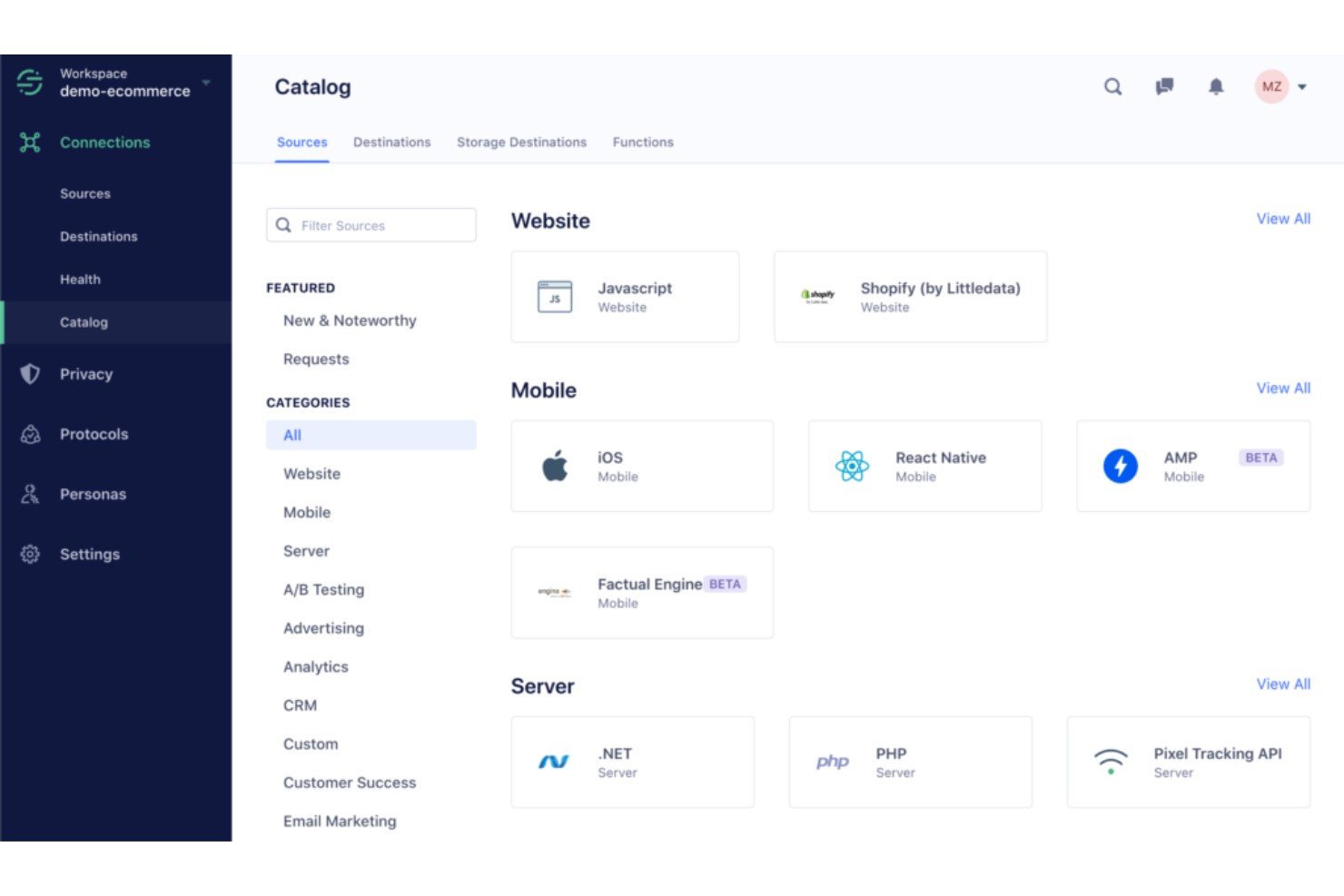
Segment si configura come una potente piattaforma di gestione dei dati dei clienti, con l'obiettivo di fornire dati dei clienti puliti e affidabili agli strumenti che le aziende utilizzano per analisi e crescita. La sua capacità di raccogliere eventi degli utenti da app web e mobile e di offrire un toolkit dati completo lo rende ideale per le aziende che desiderano migliorare l'integrità dei dati e la comprensione del cliente.
Perché ho scelto Segment:
Ho scelto Segment per l'alto livello di competenza nell'unificare i dati dei clienti. La sua capacità di convogliare i dati dei clienti in una vista unica e unificata per molteplici utilizzi, che includono analisi, marketing e sviluppo prodotto, lo distingue dagli altri strumenti. La sua efficiente integrazione dei dati lo rende la scelta migliore per l'integrazione dei dati dei clienti.
Funzionalità e integrazioni principali:
Le principali funzionalità di Segment includono gestione dei dati, prototipazione, risoluzione dell'identità e privacy dei dati, tutte utili a mantenere un ambiente dati pulito e controllato. In quanto a integrazioni, Segment si integra bene con una moltitudine di strumenti, come Google Analytics, Mixpanel e Mailchimp, ampliando così le applicazioni per diverse esigenze aziendali.
Pros and Cons
Pros:
- Offre opzioni robuste di integrazione dati
- Fornisce una vista unica sui dati dei clienti
- Ampia lista di integrazioni con altre piattaforme
Cons:
- Il prezzo potrebbe essere elevato per le piccole imprese
- Potrebbe richiedere competenze tecniche per sfruttare tutte le funzionalità
- Alcuni utenti possono trovare l'interfaccia complessa da navigare

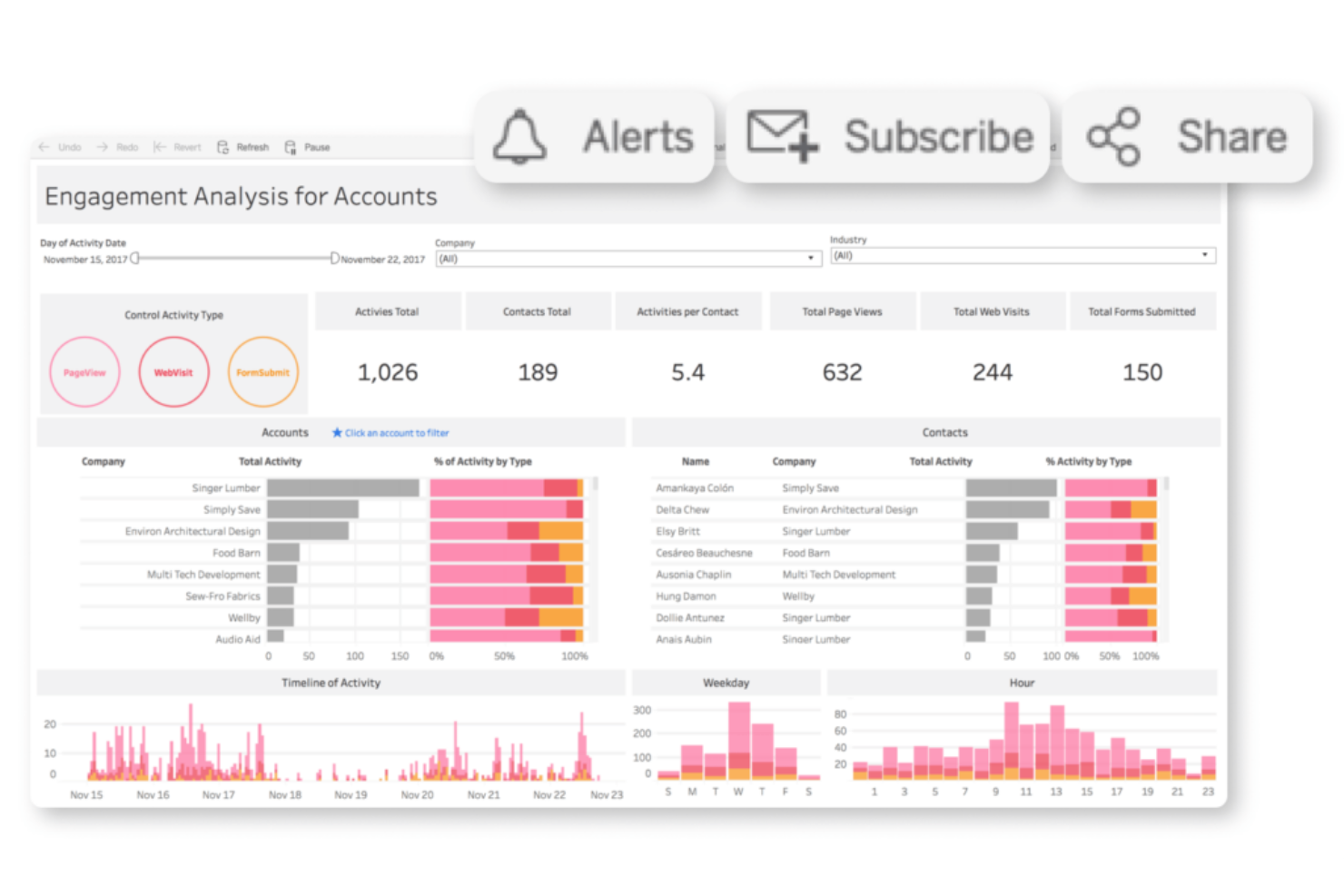
Tableau è uno strumento di visualizzazione dei dati e business intelligence che aiuta gli utenti a trasformare dati grezzi in dashboard comprensibili e interattive. Offre un'interfaccia facile da usare con funzionalità drag-and-drop, rendendolo una scelta ottimale per persone o organizzazioni che preferiscono un'analisi dei dati intuitiva e pratica.
Perché ho scelto Tableau:
Nella mia ricerca di uno strumento efficace per l'analisi dei dati, ho valutato vari concorrenti. Tableau si è distinto come la mia scelta grazie alla sua interfaccia utente semplice che consente anche agli utenti meno tecnici di manipolare facilmente i dati. La sua eccezionale funzione di trascinamento consente agli utenti di creare visualizzazioni rapidamente, rendendolo una soluzione ideale per chi ha bisogno di un'analisi dei dati rapida e senza complicazioni.
Funzionalità principali e integrazioni:
Tableau offre funzionalità robuste, tra cui analisi dei dati in tempo reale, combinazione dei dati e capacità collaborative. Probabilmente la caratteristica più notevole è la sua interfaccia drag-and-drop che facilita la creazione rapida di dashboard e report. In termini di integrazioni, Tableau si collega a un'ampia gamma di fonti di dati, da database come MySQL, Microsoft Teams e Oracle, a servizi cloud come Google Analytics e Salesforce.
Pros and Cons
Pros:
- Funzione drag-and-drop facile da usare
- Ampia gamma di integrazioni con fonti di dati
- Analisi dei dati in tempo reale
Cons:
- Il prezzo può essere elevato per le piccole imprese
- Le operazioni di calcolo complesse possono essere difficili da implementare
- Il supporto clienti potrebbe essere migliorato
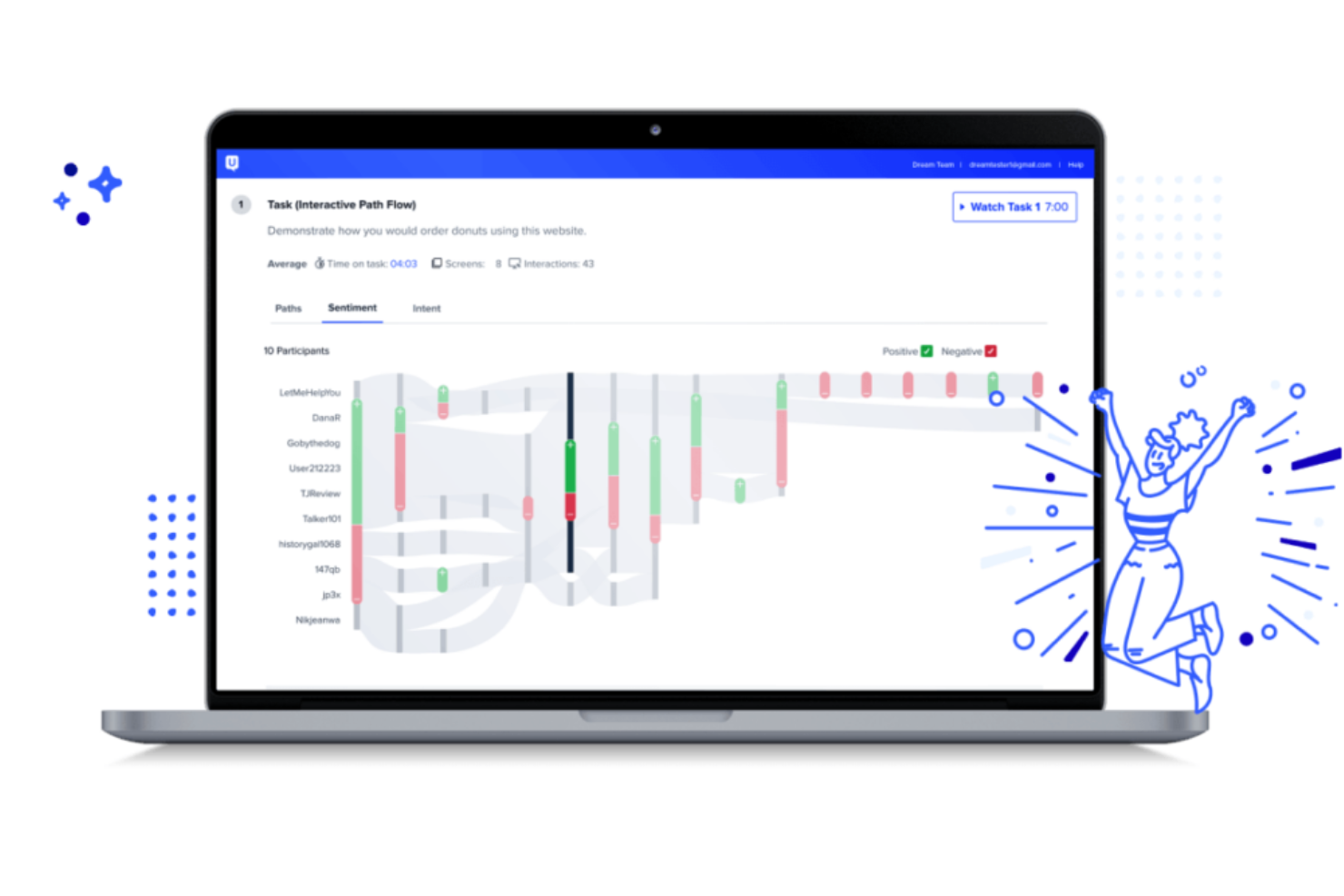
UserTesting è una piattaforma che consente alle aziende di ottenere informazioni in tempo reale sulle esperienze dei propri clienti. Grazie al feedback video dal vivo proveniente da un set diversificato di utenti, offre uno sguardo impareggiabile per comprendere le interazioni e le preferenze dei clienti. Questo la rende la migliore soluzione per raccogliere feedback video live dai clienti, assicurando un legame più profondo tra aziende e utenti.
Perché ho scelto UserTesting:
Quando ho valutato diversi strumenti di feedback, UserTesting si è distinto per la sua attenzione unica al feedback video dal vivo. La possibilità di vedere e sentire gli utenti mentre interagiscono in tempo reale con il tuo prodotto fornisce una grande quantità di dati qualitativi che spesso gli strumenti di feedback tradizionali trascurano. Ho scelto UserTesting come il migliore per il feedback video live dei clienti perché permette alle aziende di immedesimarsi nei clienti in modo dettagliato e adattare le proprie strategie sulla base di queste informazioni.
Funzionalità e integrazioni principali:
Le funzioni principali di UserTesting includono la possibilità di mirare a specifici segmenti demografici, sessioni di feedback video dal vivo e l'opzione di porre domande di approfondimento. Queste funzionalità permettono una comprensione approfondita delle esperienze degli utenti. In termini di integrazioni, UserTesting si può collegare con molte piattaforme popolari come Slack, Jira e Trello, rendendo il flusso di lavoro più efficiente.
Pros and Cons
Pros:
- Fornisce feedback video live per approfondimenti dettagliati
- Permette il targeting demografico per il feedback
- Ampia gamma di integrazioni con piattaforme popolari
Cons:
- Il costo per singolo video può essere elevato per le imprese più piccole
- La piattaforma richiede un certo apprendimento per essere usata efficacemente
- Sarebbero utili più opzioni per i dati quantitativi


CleverTap è uno strumento completo per il coinvolgimento e la fidelizzazione dei clienti che offre una gamma di soluzioni di marketing mobile. Con la sua capacità di analizzare, segmentare e coinvolgere gli utenti su piattaforme mobile e web, si rivela una risorsa preziosa per le aziende con un approccio mobile-first.
Perché ho scelto CleverTap:
CleverTap ha attirato la mia attenzione per le sue solide capacità pensate specificamente per le aziende mobile-first. Ciò che lo distingue è il suo forte accento sull’engagement degli utenti mobili e la capacità di sfruttare i dati sul comportamento degli utenti per un marketing personalizzato. A mio avviso, CleverTap è il migliore per le aziende mobile-first grazie alla sua focalizzazione sull’offerta di esperienze utente significative su dispositivi mobili e sul rafforzamento della fidelizzazione del cliente su piattaforme mobile.
Funzionalità e integrazioni principali:
Le caratteristiche principali di CleverTap includono la segmentazione basata sui comportamenti, analisi in tempo reale, marketing omnicanale e modelli predittivi alimentati da intelligenza artificiale. Ciascuno di questi elementi è fondamentale per creare e implementare strategie di marketing mobile efficaci. In termini di integrazioni, CleverTap collabora con numerose piattaforme leader dei social media come Facebook, Google Ads, LinkedIn, Zapier e Shopify.
Pros and Cons
Pros:
- Strumento specializzato per aziende mobile-first
- Offre un set completo di funzionalità
- Si integra bene con le principali piattaforme
Cons:
- Il prezzo potrebbe non essere accessibile alle piccole imprese
- Curva di apprendimento ripida a causa della moltitudine di funzionalità
- L'assistenza clienti può essere migliorata

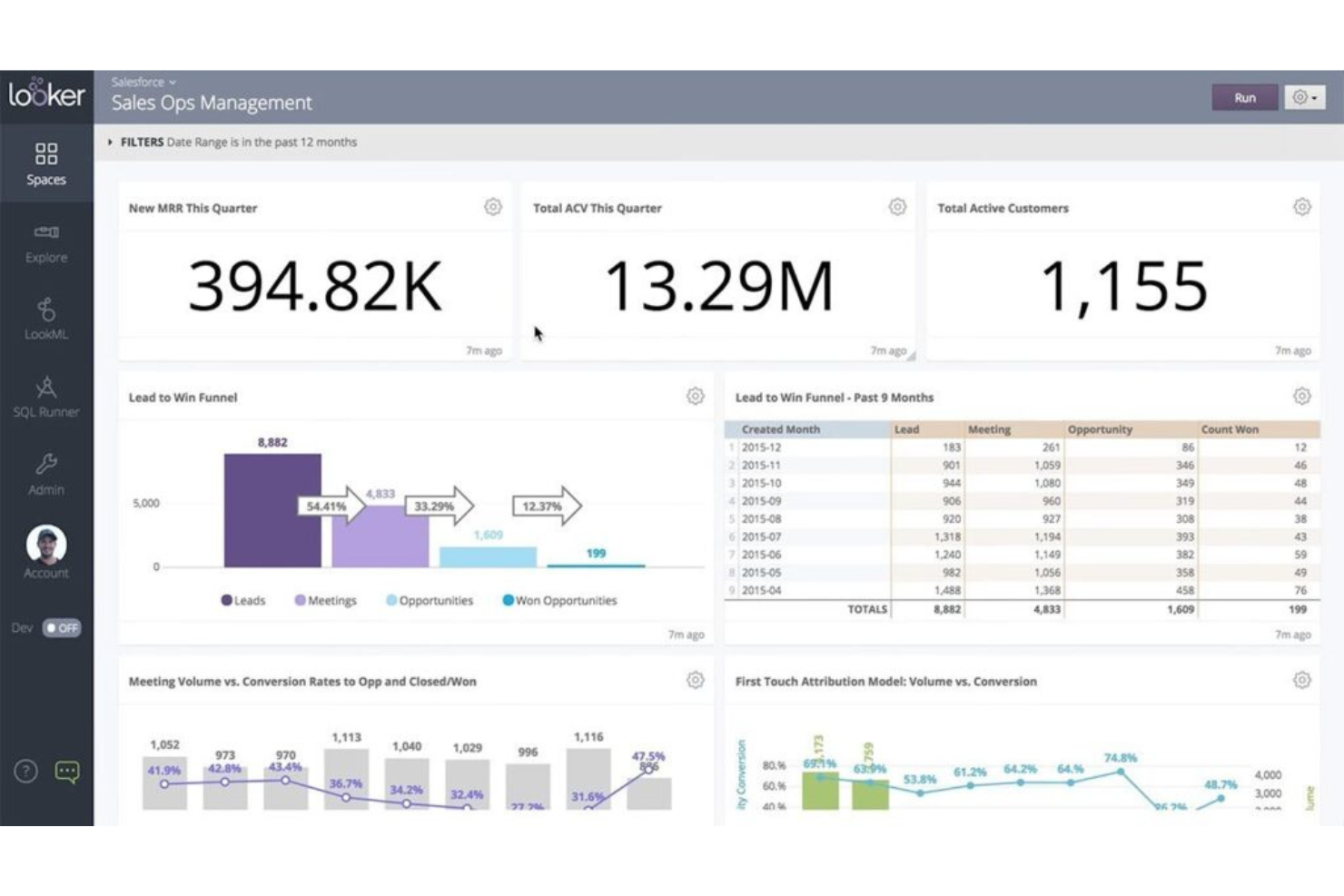
Looker è una piattaforma di dati che permette alle aziende di approfondire i propri dati, offrendo strumenti completi per l’esplorazione e la visualizzazione. Il focus sulla creazione di dashboard interattive e sulle opzioni di personalizzazione avanzate la rende ideale per le organizzazioni che necessitano di una comprensione più approfondita dei propri dati.
Perché ho scelto Looker:
Nella scelta di uno strumento per l’esplorazione e la visualizzazione dei dati, ho dovuto confrontare un’ampia gamma di soluzioni. Ho selezionato Looker per le sue funzionalità avanzate e la sua reputazione nel facilitare decisioni guidate dai dati. Ciò che distingue Looker è la sua potente capacità di esplorazione unita a un’interfaccia intuitiva. Questo lo rende la soluzione ideale per qualsiasi organizzazione che desideri un approccio pratico alla visualizzazione e all’esplorazione dei dati.
Funzionalità salienti e integrazioni:
Le caratteristiche chiave di Looker includono una modellazione dei dati flessibile, che consente personalizzazione e controllo su come i dati vengono esplorati e distribuiti. Inoltre, i potenti strumenti di grafici e visualizzazione di Looker creano dashboard interattive che comunicano efficacemente le intuizioni. In termini di integrazioni, Looker offre connettività con database SQL e i principali fornitori di data warehouse, tra cui Google BigQuery, Amazon Redshift e Snowflake, tra gli altri.
Pros and Cons
Pros:
- Solide capacità di esplorazione e visualizzazione dei dati
- Ampie integrazioni con i principali data warehouse
- Modellazione dei dati altamente personalizzabile
Cons:
- Mancanza di prezzi trasparenti
- Potrebbe risultare complesso per utenti non tecnici
- Può essere costoso per le piccole imprese


Pendo è una piattaforma di esperienza prodotto che consente alle aziende di comprendere le interazioni degli utenti all'interno dell'applicazione. Fornisce approfondimenti fondamentali sul comportamento degli utenti in-app e li sfrutta per offrire un'esperienza utente superiore.
Perché ho scelto Pendo:
Pendo si è distinto nella mia ricerca principalmente grazie alle sue capacità dettagliate di monitoraggio delle interazioni in-app. Ho notato che Pendo eccelle nell'offrire analisi dettagliate su come gli utenti navigano all'interno di un'applicazione. Si distingue dagli altri proprio per la sua attenzione unica nel massimizzare l'esperienza utente, perfettamente allineata con la sua competenza nel tracciare le interazioni in-app.
Funzionalità e integrazioni principali:
Pendo è ricco di funzionalità come la segmentazione degli utenti, che aiuta a mirare gruppi specifici di utenti. Offre funzioni avanzate di feedback e analisi, fornendo una visione olistica dell'esperienza utente. Le capacità di integrazione di Pendo sono molto ampie, supportando l'integrazione con i principali strumenti di CRM e marketing come Salesforce, Marketo e Slack.
Pros and Cons
Pros:
- Monitoraggio in-app esteso
- Funzionalità avanzate di feedback e analisi
- Ampie opzioni di integrazione
Cons:
- I costi possono essere elevati per le piccole imprese
- Curva di apprendimento più ripida rispetto a piattaforme simili
- La personalizzazione dei prezzi può mancare di trasparenza

Sprig
Ideale per catturare e analizzare insight sull'esperienza di prodotto su larga scala con l'AI

Sprig è una piattaforma per l'esperienza del prodotto che offre strumenti come session replay, heatmap, sondaggi, raccolta di feedback e analisi AI per aiutare le aziende a comprendere e ottimizzare l'esperienza degli utenti. Il suo punto di forza risiede negli approfondimenti supportati dall'intelligenza artificiale, che possono trasformare il feedback degli utenti e i dati comportamentali in conoscenze sul prodotto su larga scala.
Ian Gardner, Direttore Vendite e Sviluppo Business presso Sigma Tax Pro, l'ha visto in prima persona:
«Pensavamo che i clienti avessero maggiori difficoltà con le fasi di compilazione, ma il feedback di Sprig ha mostrato che il vero problema era già all'inizio: le persone non sapevano quali documenti o dati servivano fin da subito. Questa intuizione ha cambiato la nostra roadmap verso strumenti di onboarding e preparazione migliori, risparmiando tempo ai clienti e riducendo la frustrazione.»
Perché ho scelto Sprig:
Ho scelto Sprig per la sua suite avanzata di strumenti pensati per catturare e analizzare il comportamento degli utenti, rendendolo un ottimo candidato come software di intelligence di prodotto. Rispetto ad altri strumenti, Sprig si distingue per le sue capacità AI che automatizzano l'analisi dei feedback e dei comportamenti degli utenti, fornendo approfondimenti azionabili in tempo reale. Questo lo rende particolarmente efficace per i team che desiderano individuare e risolvere rapidamente problemi e opportunità di prodotto.
Caratteristiche e integrazioni principali:
Le funzionalità di Sprig consentono agli utenti di catturare e analizzare il comportamento degli utenti, raccogliere feedback continuo e trasformare gli insight in miglioramenti concreti del prodotto. La piattaforma è pensata per aiutare vari team a ottimizzare i propri prodotti, migliorare i tassi di conversione, risolvere punti critici per l'utente e risparmiare tempo e risorse.
Per quanto riguarda le integrazioni, Sprig può essere collegato con Segment, Google Tag Manager, Mixpanel, Amplitude, Optimizely, LaunchDarkly, Figma, Sketch, Adobe XD, Slack, Zapier, Google Sheets, Salesforce, HubSpot, Intercom e Gmail.
Pros and Cons
Pros:
- Generazione automatica di approfondimenti
- Integrazione senza soluzione di continuità con tool di design
- Analisi del sentiment intuitiva
Cons:
- Configurazione complessa per funzionalità avanzate
- Opzioni di personalizzazione limitate
- Elevata dipendenza dalla partecipazione degli utenti

Heap
Ideale per acquisire automaticamente tutte le interazioni degli utenti

Heap è una piattaforma di product analytics che rende i dati sulle interazioni degli utenti e sulle attività immediatamente accessibili e utilizzabili per le aziende. Il suo principale punto di forza è la funzionalità di acquisizione automatica dei dati, che elimina la necessità di configurare manualmente i tracciamenti, riducendo così il rischio di perdere dati o insight preziosi.
Perché ho scelto Heap:
Ho selezionato Heap per la mia lista grazie alla sua capacità di acquisire automaticamente le interazioni degli utenti, che la distingue da molti altri strumenti sul mercato. Mentre la maggior parte degli strumenti richiede una configurazione manuale per monitorare i diversi eventi, Heap cattura tutte le azioni degli utenti fin dall'inizio, rendendolo davvero 'ideale per acquisire automaticamente tutte le interazioni degli utenti'.
Funzionalità principali e integrazioni:
Le caratteristiche chiave di Heap includono la raccolta automatica degli eventi, l'analisi retroattiva e la governance dei dati, offrendo un ambiente ricco, flessibile e sicuro per l'analisi dei dati. Heap si integra facilmente con piattaforme come Salesforce, Optimizely e Google Ads.
Pros and Cons
Pros:
- Acquisizione automatica di tutte le interazioni degli utenti
- Capacità di effettuare analisi retroattiva
- Si integra bene con molte piattaforme comunemente utilizzate
Cons:
- La personalizzazione dei prezzi può mancare di trasparenza per i potenziali clienti
- Può essere costoso per piccole imprese o startup
- Alcuni utenti potrebbero trovare l'interfaccia meno intuitiva rispetto alle piattaforme concorrenti

Ideale per il tracciamento del percorso cliente e dei funnel

Kissmetrics è una piattaforma avanzata di analisi che offre alle aziende una comprensione approfondita del comportamento dei loro clienti. La sua specialità risiede nel tracciamento del percorso del cliente e nell'analisi dei funnel di conversione, rendendolo uno strumento eccezionale per le aziende che vogliono migliorare l'esperienza cliente e i tassi di conversione.
Perché ho scelto Kissmetrics:
Ho scelto Kissmetrics per questa lista grazie alla sua attenzione unica sul percorso del cliente e sul tracciamento dei funnel. Si distingue per la sua capacità di tracciare i singoli clienti attraverso diversi touchpoint, fornendo preziose informazioni sul loro comportamento e sulle loro preferenze. Credo che Kissmetrics spicchi come la migliore opzione per le aziende che desiderano comprendere e migliorare il percorso cliente e i funnel di conversione.
Funzionalità e integrazioni principali:
Kissmetrics offre funzionalità distintive come il tracciamento comportamentale, la segmentazione e l'analisi dei funnel. Permette alle aziende di analizzare il comportamento dei clienti su diversi dispositivi e sessioni, offrendo spunti utili per l'ottimizzazione della conversione. In quanto a integrazioni, si collega con numerose piattaforme come Shopify, WooCommerce e HubSpot, consentendo così il flusso di dati tra diversi strumenti.
Pros and Cons
Pros:
- Eccellente nel tracciare il percorso cliente e i funnel di conversione
- Offre approfondimenti comportamentali preziosi
- Ampia gamma di integrazioni
Cons:
- Prezzo iniziale elevato
- Curva di apprendimento più ripida rispetto ad altre piattaforme
- Potrebbe essere eccessivo per piccole imprese


Adobe Analytics è una piattaforma di analisi completa che offre una profonda comprensione delle interazioni dei clienti con la tua azienda. È particolarmente indicata per monitorare e ottimizzare le prestazioni di marketing, poiché si integra con altri strumenti di marketing e fornisce una moltitudine di dati per analisi approfondite.
Perché ho scelto Adobe Analytics:
Dopo un'attenta comparazione e valutazione di vari strumenti di analisi, ho selezionato Adobe Analytics perché offre funzionalità avanzate di monitoraggio delle performance di marketing. La sua capacità di raccogliere dati da molteplici fonti, unita a segmentazioni dettagliate e analisi in tempo reale, lo distingue dalle altre soluzioni. Pertanto, secondo la mia opinione, Adobe Analytics è la scelta migliore per chi desidera monitorare e ottimizzare le proprie iniziative di marketing.
Caratteristiche e integrazioni principali:
Alcune delle funzionalità chiave di Adobe Analytics includono analisi in tempo reale, scoperta di segmenti, rilevamento di anomalie e analisi dei contributi. Eccelle nell'integrazione di diverse fonti di dati, offrendo una visione unificata del percorso del cliente. Quanto alle integrazioni, Adobe Analytics si abbina perfettamente con altri prodotti della Adobe Experience Cloud come Adobe Target e Adobe Audience Manager.
Pros and Cons
Pros:
- Monitoraggio avanzato delle performance di marketing
- Profonda integrazione con i prodotti Adobe
- Analisi completa del percorso cliente
Cons:
- La struttura dei prezzi non è trasparente
- Può essere complesso per i principianti
- Integrazioni limitate al di fuori dell'ecosistema Adobe
Altri software di product intelligence
Ecco alcune altre soluzioni di product intelligence che non sono entrate nella mia shortlist, ma che vale comunque la pena esplorare:


Come Valuto i Software di Product Intelligence
Divido la mia valutazione in due livelli: le funzionalità principali—come l’analisi dei funnel e la segmentazione delle coorti—che uno strumento deve possedere, e i fattori differenzianti che distinguono le migliori opzioni.
Funzionalità Base (Requisiti Fondamentali per Questa Lista)
Quando seleziono gli strumenti per la mia lista, valuto ciascuno su una scala da 0 (non offre la funzionalità) a 5 (eccelle in quest’area) per ogni funzionalità di base elencata di seguito. Poi, converto il punteggio totale dello strumento in una percentuale. Ogni strumento deve raggiungere un punteggio totale minimo del 65% per essere considerato per l’inclusione.
- Tracciamento degli Eventi Comportamentali: Verifico che lo strumento possa catturare azioni degli utenti come clic su pulsanti, invii di moduli e visualizzazioni di pagine su web e mobile con il minimo sforzo da parte degli ingegneri.
- Analisi di Funnel & Percorsi: Qui valuto funnel multi-step che mostrano dove gli utenti abbandonano—ad esempio, tra l’aggiunta di un articolo al carrello e il completamento dell’acquisto.
- Segmentazione di Coorti & Utenti: Cerco la capacità di raggruppare utenti in base a comportamenti e attributi, come il confronto tra utenti in prova che hanno completato l’onboarding rispetto a quelli che non l’hanno fatto.
- Analisi di Retention & Engagement: Gli strumenti dovrebbero mostrare curve di retention e metriche di fedeltà così da poter rispondere a domande come “gli utenti tornano dopo la prima settimana?”
- Session Replay o Approfondimenti a Livello Utente: Valuto se lo strumento fornisce un contesto qualitativo, come la possibilità di osservare un utente che ha difficoltà con una pagina delle impostazioni, insieme ai dati quantitativi.
- Integrazioni & Data Pipeline: Qui conta la compatibilità con data warehouse come Snowflake o BigQuery e CDP come Segment, oltre alla connettività con strumenti CRM e di marketing.
Una volta che ho una lista di strumenti che soddisfano i criteri, considero cosa differenzia ciascuna piattaforma.
Fattori Differenzianti (Cosa Distingue i Fornitori)
Ecco come confronto e metto a confronto diversi fornitori:
Funzionalità Distintive
Le informazioni supportate dall’IA sono un grande elemento di differenziazione—cerco strumenti che segnalano automaticamente cali inattesi di attivazione o retention senza richiedere un’esplorazione manuale delle dashboard. Anche i test A/B nativi sono un fattore che considero, poiché consentono ai team di prodotto di misurare l’impatto di un nuovo flusso di onboarding o di una pagina dei prezzi direttamente nell’ambiente di analisi. Valuto inoltre l’integrazione con feature flag, che collega gli eventi di rilascio ai dati di utilizzo così da vedere con esattezza come una nuova funzionalità influisce sull’engagement.
Oltre le Funzionalità
Il modello di prezzo è un aspetto molto importante. Il pricing basato sugli eventi può aumentare rapidamente man mano che il prodotto scala, quindi valuto se il modello di un fornitore rimane prevedibile con la crescita della base utenti. L’integrazione con il data warehouse e lo stack dati è altrettanto cruciale—verifico se uno strumento funziona nativamente con il warehouse esistente o richiede una pipeline separata. Considero anche la data governance, in particolare i controlli di accesso basati sui ruoli e le certificazioni di conformità, poiché i dati di prodotto spesso contengono comportamenti sensibili degli utenti a cui avranno accesso team in tutta l’organizzazione.
Come scegliere un software di product intelligence
È facile perdersi tra lunghe liste di funzionalità e strutture di prezzo complesse. Per aiutarti a restare concentrato durante il tuo specifico percorso di selezione software, ecco un elenco dei fattori da considerare:
| Fattore | Cosa considerare |
|---|---|
| Scalabilità | Il software può crescere con il tuo team? Valuta la crescita futura e se lo strumento può gestire un aumento di dati e utenti senza problemi di prestazioni. |
| Integrazioni | Si collega con i tuoi strumenti attuali? Verifica la compatibilità con CRM, analytics e piattaforme di comunicazione per evitare interruzioni nei flussi di lavoro. |
| Personalizzazione | Puoi adattare il software alle tue esigenze? Cerca la possibilità di modificare dashboard, report e flussi di lavoro in base alle preferenze del tuo team. |
| Facilità d’uso | Lo strumento è intuitivo? Valuta la curva di apprendimento e se il tuo team può adattarsi rapidamente senza formazione estesa. |
| Implementazione e onboarding | Quanto è semplice l’installazione? Considera tempo e risorse necessari per il deployment, inclusi formazione e supporto durante il passaggio. |
| Costo | È nel tuo budget? Confronta i piani tariffari, controlla eventuali costi nascosti e valuta il valore delle funzionalità offerte in ogni livello. |
| Sicurezza dei dati | Dati e privacy sono protetti? Cerca crittografia, controllo degli accessi utenti e conformità alle regolamentazioni sulla protezione dei dati pertinenti. |
Cos'è un software di product intelligence?
Il software di product intelligence (PI) è uno strumento che aiuta le aziende a raccogliere e analizzare i dati su come gli utenti interagiscono con i loro prodotti. Questi strumenti sono generalmente utilizzati da product manager, marketer e analisti di dati per prendere decisioni informate e migliorare le offerte di prodotto. Funzionalità come il tracciamento del comportamento degli utenti, l'analisi dei dati e la reportistica aiutano a comprendere le esigenze dei clienti e a potenziare lo sviluppo del prodotto. In generale, questi strumenti offrono preziose informazioni per favorire il successo del prodotto e la soddisfazione del cliente.
Funzionalità
Quando selezioni un software di product intelligence, presta attenzione alle seguenti caratteristiche chiave:
- Tracciamento del comportamento utente: Raccoglie dati su come gli utenti interagiscono con il prodotto per aiutare a identificare le funzionalità più utilizzate e le aree da migliorare.
- Analisi dei dati: Fornisce strumenti per analizzare i dati degli utenti e generare informazioni che guidano le decisioni e le strategie di prodotto.
- Reportistica: Offre report personalizzabili per visualizzare le tendenze dei dati e monitorare le prestazioni del prodotto nel tempo.
- Segmentazione dell'audience: Permette di categorizzare gli utenti in base al comportamento e alle caratteristiche per un'analisi e un marketing mirati.
- Analisi predittiva: Utilizza dati storici per prevedere tendenze future e comportamenti degli utenti, facilitando decisioni proattive.
- Capacità di integrazione: Si connette con altri strumenti e piattaforme per garantire un flusso di dati senza interruzioni e un'analisi completa.
- Dashboard personalizzabili: Consentono di adattare l'interfaccia per mostrare le metriche e le informazioni più rilevanti per il tuo team.
- Elaborazione dati in tempo reale: Fornisce informazioni immediate sulle interazioni degli utenti, consentendo di rispondere più rapidamente a tendenze e problematiche.
- Misure di sicurezza: Garantisce la protezione dei dati tramite crittografia e controlli di accesso, mantenendo sicure le informazioni degli utenti.
- Tour interattivi del prodotto: Guida i nuovi utenti tra le funzionalità, migliorando la fase di onboarding e l'esperienza utente.
Vantaggi
Implementare un software di product intelligence offre diversi vantaggi per il tuo team e la tua azienda. Eccone alcuni a cui puoi guardare con aspettativa:
- Miglior processo decisionale: L'accesso a un'analisi dettagliata dei dati aiuta il team a prendere decisioni informate sul prodotto basandosi sul reale comportamento degli utenti.
- Maggiore comprensione del cliente: Il tracciamento del comportamento degli utenti offre spunti sulle necessità e le preferenze dei clienti, consentendo miglioramenti di prodotto più mirati.
- Aumento dell'efficienza: La reportistica automatizzata fa risparmiare tempo fornendo accesso rapido a metriche e indicatori di performance fondamentali.
- Sviluppo proattivo: L'analisi predittiva consente al tuo team di anticipare le tendenze e pianificare miglioramenti prima che sorgano problemi.
- Marketing più mirato: La segmentazione dell'audience permette strategie di marketing più precise, identificando gruppi di utenti distinti.
- Migliore esperienza utente: I tour interattivi del prodotto e le soluzioni di onboarding migliorano la soddisfazione degli utenti rendendo il prodotto più semplice da imparare e utilizzare.
- Garanzia di sicurezza dei dati: Le misure di sicurezza tutelano i dati degli utenti garantendo la conformità alle normative sulla privacy e costruendo fiducia nei clienti.
Costi e Prezzi
La scelta di un software di product intelligence richiede la comprensione dei diversi modelli e piani tariffari disponibili. I costi variano in base alle funzionalità, alla dimensione del team, agli add-on e altro ancora. La tabella sottostante riassume i piani più comuni, i loro prezzi medi e le caratteristiche tipiche incluse nelle soluzioni di product intelligence:
Tabella di confronto dei piani per il software di Product Intelligence
| Tipo di Piano | Prezzo Medio | Caratteristiche Comuni |
|---|---|---|
| Piano Gratuito | $0 | Analisi di base, tracciamento limitato degli utenti e reportistica di base. |
| Piano Personale | $5-$25/user/month | Analisi avanzata, dashboard personalizzate e supporto via email. |
| Piano Business | $30-$60/user/month | Segmentazione degli utenti, integrazioni e supporto prioritario. |
| Piano Enterprise | $75-$150/user/month | Analisi predittiva, account manager dedicato e funzionalità di sicurezza avanzate. |
Domande frequenti sul software di intelligence di prodotto
Ecco alcune risposte alle domande più comuni sul software di intelligence di prodotto:
Come raccoglie i dati il software di intelligence di prodotto?
Il software di intelligence di prodotto raccoglie dati tramite diversi metodi, tra cui il monitoraggio delle interazioni degli utenti sul tuo sito web o app, l’integrazione con altri strumenti come i CRM e l’importazione di set di dati esistenti. Utilizza cookie, tracciamento degli eventi e connessioni API per reperire le informazioni. È necessario assicurarsi che il software sia conforme alle normative sulla privacy dei dati come il GDPR durante la raccolta dei dati degli utenti.
Il software di intelligence di prodotto può essere utilizzato da più team?
Sì, la maggior parte degli strumenti può supportare contemporaneamente i team di prodotto, marketing e assistenza. Ogni team può utilizzare dashboard diverse per concentrarsi sugli aspetti che gli interessano. I product manager possono concentrarsi sull’utilizzo delle funzionalità, mentre i marketer si focalizzano sulle conversioni. È possibile impostare livelli di accesso personalizzati per evitare confusione.
Come utilizzano i team di prodotto i funnel nel software di intelligence di prodotto?
I funnel ti aiutano a misurare come gli utenti attraversano i flussi chiave come onboarding o checkout. Puoi individuare i punti in cui gli utenti abbandonano e testare modifiche per migliorare quel passaggio. I team di prodotto spesso costruiscono funnel sia per i nuovi utenti che per quelli abituali. È anche possibile suddividerli per segmento o piattaforma.
È necessario un addestramento per utilizzare il software di intelligence di prodotto?
Sì, di solito è necessario un po’ di formazione per utilizzare efficacemente il software di intelligence di prodotto. Sebbene molti strumenti siano facili da usare, per comprendere appieno tutte le funzionalità potrebbero essere necessari tutorial o sessioni di formazione. Cerca software che offrano risorse complete per l’onboarding come video, webinar e documentazione per mettere rapidamente il tuo team al passo.
Cosa succede ora:
Se stai cercando un software di intelligence di prodotto, collegati con un consulente SoftwareSelect per ricevere raccomandazioni gratuite.
Basta compilare un modulo e fare una breve chiacchierata per approfondire le tue esigenze specifiche. Poi riceverai una lista ristretta di software da valutare. Ti supporteranno anche durante tutto il processo di acquisto, comprese le negoziazioni sul prezzo.