
Reseña de Odoo: Ventajas, Desventajas, Funciones y Precios Explicados
Odoo destaca por su enfoque modular y todo en uno, ofreciendo una gestión de productos flexible para negocios en crecimiento, pero puede requerir personalización para adaptarse a necesidades complejas.

Revisamos las herramientas de forma independiente y las comisiones ayudan a financiar nuestras pruebas. Consulta nuestra política de transparencia, nuestra metodología, o sugiere una herramienta.
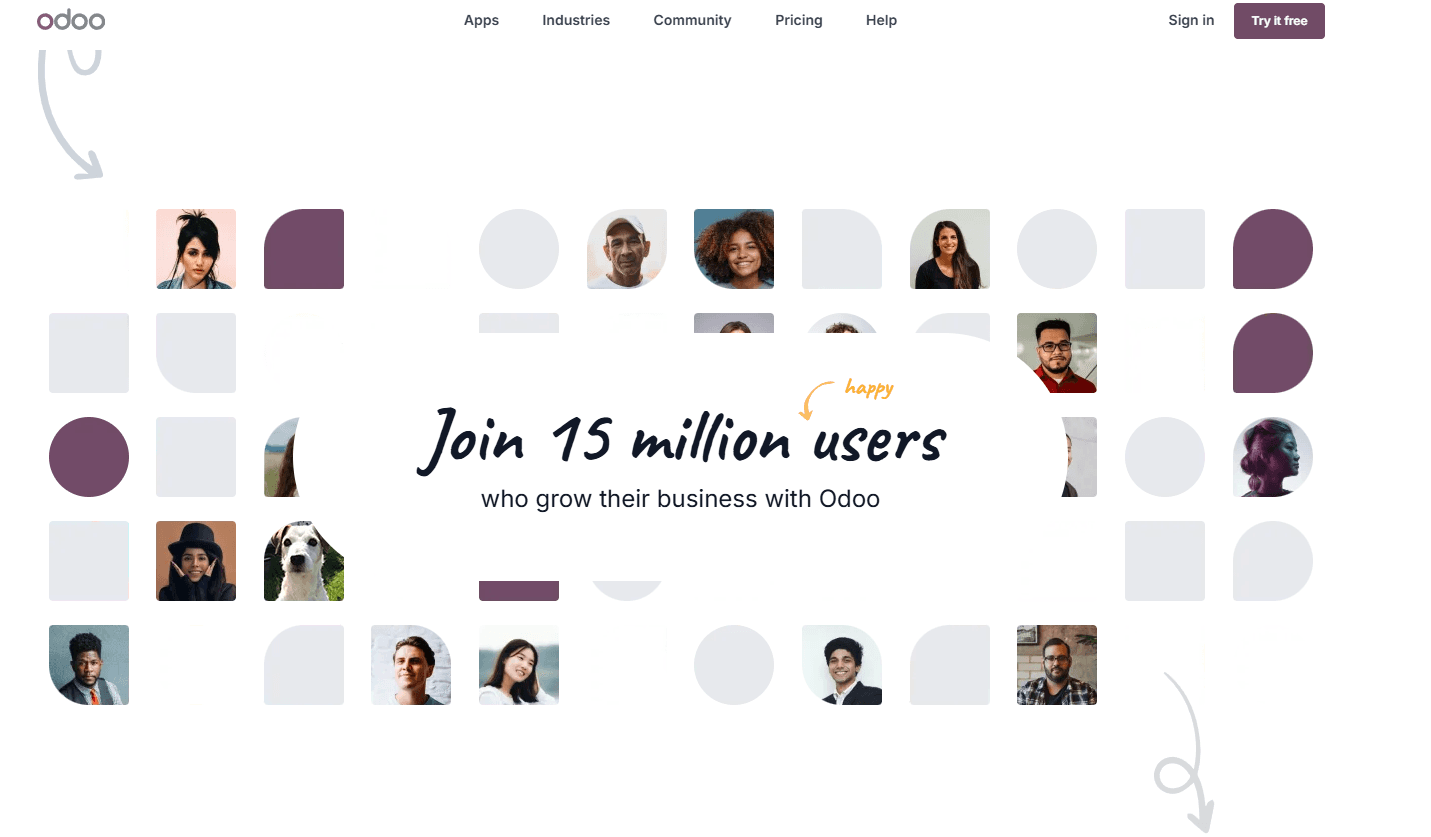
Odoo is a product management tool built into a modular, open-source business suite that also covers CRM, inventory, manufacturing, and accounting. It's worth considering when your team needs product and project tracking that connects directly to the rest of your business operations. If you're weighing it against something like Asana, the key difference is that Odoo keeps everything in one system—so you're not stitching together separate tools just to get visibility across product, sales, and ops.
Odoo Evaluation Summary
4.2/5
- From $8.95/user/month (billed annually)
- Free plan available
Por qué confiar en nuestras recomendaciones de software
6,700+
Reviews
20
Industry experts
16+
Evaluation factors
14
Years
Nuestro equipo lleva probando y evaluando software desde 2012. Como gestores de producto, sabemos lo difícil —y lo importante— que es elegir el software adecuado.
Para esta guía, evaluamos las herramientas mediante pruebas prácticas e investigación independiente, puntuando las herramientas según nuestros criterios de selección.
Nuestras reseñas reflejan nuestro criterio editorial humano, no un discurso de ventas.
Revisores expertos:
 Hannah ClarkSenior TPM
- Cristiano ValimSenior UI/UX Lead

Odoo Overview
When judging Odoo as a product management tool, its modular design and broad feature set offer strong value for teams wanting customizable workflows and robust automation. Pricing is competitive, especially for growing businesses, but onboarding and setup can require more effort than simpler platforms. The interface is modern, though some users may find the learning curve steeper. Odoo excels in environments where flexibility and integration with other business functions matter most, such as companies managing inventory, sales, and projects together. If you’re comparing options, Odoo stands out for adaptability but may underperform for teams seeking instant, out-of-the-box simplicity.
Pros
- Modular apps cover inventory, sales, and project management.
- Open-source code allows deep workflow customization.
- Centralized dashboard unifies multiple business processes.
Cons
- Advanced reporting features are limited without add-ons.
- Performance can lag with large data volumes.
- Support response times are inconsistent for complex issues.
Is Odoo Right For Your Needs?
Who Would be a Good Fit for Odoo?
Odoo is a strong choice for organizations that need modular, customizable workflows and want to connect product management with other business functions like sales, inventory, and finance. Its open-source foundation and broad app ecosystem make it especially appealing for teams that value flexibility and want to tailor their processes. If your business operations has the resources to configure the platform to their needs, then you might want to use Odoo.
- Manufacturing CompaniesOdoo’s inventory, MRP, and project modules support end-to-end production tracking.
- Wholesale DistributorsCentralized order, inventory, and sales management streamline complex supply chains.
- Growing SMBsModular pricing and scalable apps fit evolving business requirements.
- IT DepartmentsCustomizable workflows and open-source code suit technical teams.
- Project-Based AgenciesIntegrated timesheets, tasks, and invoicing simplify client project delivery.
- Retail OperationsUnified POS, inventory, and product catalog management support multi-channel sales.
Who Would be a Bad Fit for Odoo?
Odoo is less suitable for teams that need instant deployment, minimal configuration, or highly specialized product management features out of the box. Companies with limited IT resources or those operating in highly regulated industries may find Odoo’s setup and compliance options lacking. It’s also not ideal for organizations that require advanced analytics or rely on niche integrations unavailable in Odoo’s app store.
- Solo EntrepreneursOdoo’s setup overhead outweighs benefits for single users.
- Regulated HealthcareCompliance features for HIPAA and similar standards are limited.
- Large EnterprisesPerformance and support may not scale for thousands of users.
- Creative StudiosLacks built-in tools for design asset management or creative workflows.
- Financial ServicesAdvanced audit trails and regulatory reporting are not core strengths.
- Non-Technical TeamsConfiguration and maintenance require technical skills not always available.
Cómo Probamos y Puntamos Herramientas
Llevamos años construyendo, refinando y mejorando nuestro sistema de pruebas y puntuación de software. La rúbrica está diseñada para captar los matices de la selección de software y lo que hace que una herramienta sea eficaz, centrándose en aspectos críticos del proceso de decisión. A continuación, puedes ver exactamente cómo funcionan nuestras pruebas y puntuaciones a través de siete criterios. Esto nos permite proporcionar una evaluación imparcial del software según funcionalidad principal, características destacadas, facilidad de uso, implementación, soporte al cliente, integraciones, reseñas de clientes y relación calidad-precio.
Funcionalidad Principal (25% de la puntuación final)
El punto de partida de nuestra evaluación siempre es la funcionalidad principal de la herramienta. ¿Cuenta con las funciones básicas que un usuario espera ver? ¿Alguna de esas funciones centrales está limitada a planes de precios superiores? Esperamos que una herramienta esté a la altura de las capacidades básicas de sus competidores.
Características Destacadas (25% de la puntuación final)
Luego evaluamos características especiales poco comunes que van más allá de la funcionalidad principal que normalmente se encuentra en herramientas similares. Una alta puntuación refleja características especializadas o únicas que hacen que el producto sea más rápido, eficiente u ofrezca valor añadido al usuario. También evaluamos lo fácil que es integrar con otras herramientas habituales en el entorno tecnológico para ampliar la funcionalidad y utilidad del software. Las herramientas que ofrecen integraciones nativas abundantes, conexiones de terceros y acceso por API para crear integraciones personalizadas obtienen la mejor puntuación.
Facilidad de Uso (10% de la puntuación final)
Consideramos lo rápido y sencillo que es llevar a cabo las tareas definidas en la funcionalidad principal usando la herramienta. El software con alta puntuación está bien diseñado, es intuitivo, ofrece apps móviles, tiene plantillas y hace que tareas relativamente complejas parezcan simples.
Implementación (10% de la puntuación final)
Sabemos lo importante que es la adopción rápida del equipo para una nueva plataforma, así que evaluamos la facilidad de aprendizaje y uso de una herramienta con entrenamiento mínimo. Evaluamos cuán rápidamente un miembro del equipo puede configurar y empezar a usar la herramienta sin experiencia previa. Las soluciones con alta puntuación indican que se requiere poco o ningún soporte.
Soporte al Cliente (10% de la puntuación final)
Revisamos lo rápido y sencillo que es desatascarse y encontrar ayuda por teléfono, chat en vivo o base de conocimientos. Los productos y empresas que ofrecen soporte en tiempo real obtienen mejor puntuación, mientras que los chats automáticos obtienen la peor.
Reseñas de Clientes (10% de la puntuación final)
Más allá de nuestras propias pruebas y evaluaciones, consideramos el net promoter score de clientes actuales y pasados. Revisamos su probabilidad, dadas las opciones, de elegir la herramienta de nuevo por su funcionalidad principal. Un software con alta puntuación refleja un alto net promoter score de clientes actuales o anteriores.
Relación Calidad-Precio (10% de la puntuación final)
Por último, teniendo en cuenta todos los demás criterios, revisamos el precio promedio de los planes de nivel de entrada frente a las funcionalidades principales y consideramos el valor de los demás criterios de evaluación. El software que ofrece más por menos, obtendrá una puntuación mayor.
Core Features
Product Catalog Management
Create, organize, and update product listings with variants and attributes. Users can manage pricing, descriptions, and categories from a single dashboard.
Inventory Management
Track stock levels, serial numbers, and product locations in real time. Automated reordering rules help prevent stockouts.
Project and Task Management
Assign tasks, set deadlines, and monitor project progress visually. Kanban boards and Gantt charts support agile workflows.
Product Lifecycle Management
Manage engineering changes, document versions, and approvals for product development. Centralized records keep teams aligned on product updates.
Website Builder
Design and launch professional websites with Odoo’s drag-and-drop builder, allowing you to easily customize pages, add content, and create a polished online presence without coding.
Reporting and Analytics
Generate customizable reports on sales, inventory, and project status. Dashboards provide real-time insights for better decision-making.
Ease of Use
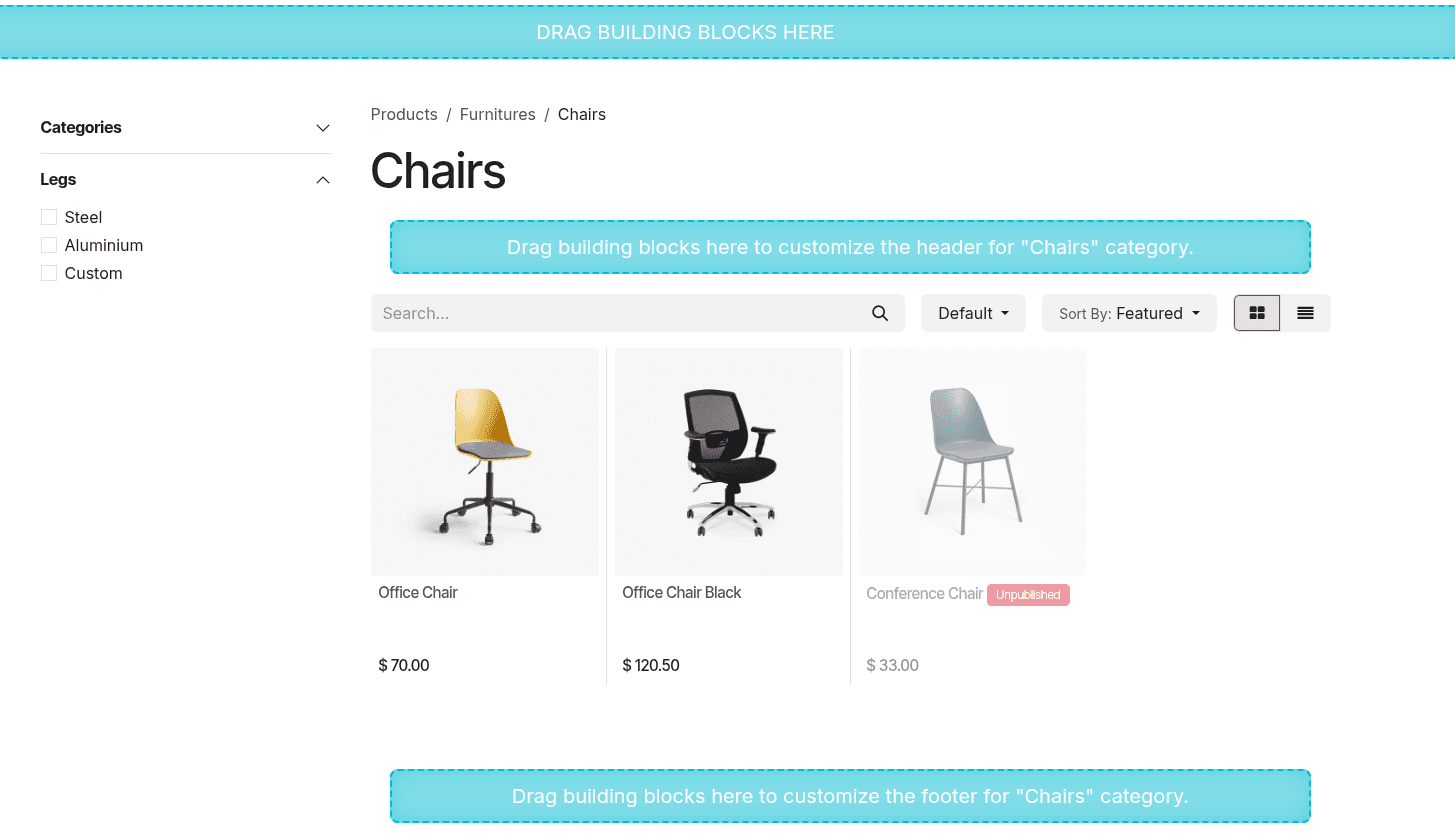
Odoo offers a modern, intuitive interface, but its depth and modularity can make onboarding complex for new users. Many reviewers note that configuring workflows and customizing modules often requires technical knowledge or IT support. While everyday navigation is straightforward and relatively user-friendly once set up, a steep learning curve is definitely a barrier of entry compared to simpler tools. Odoo is best suited for teams willing to invest time in setup to unlock its full flexibility and feature set.
Integrations
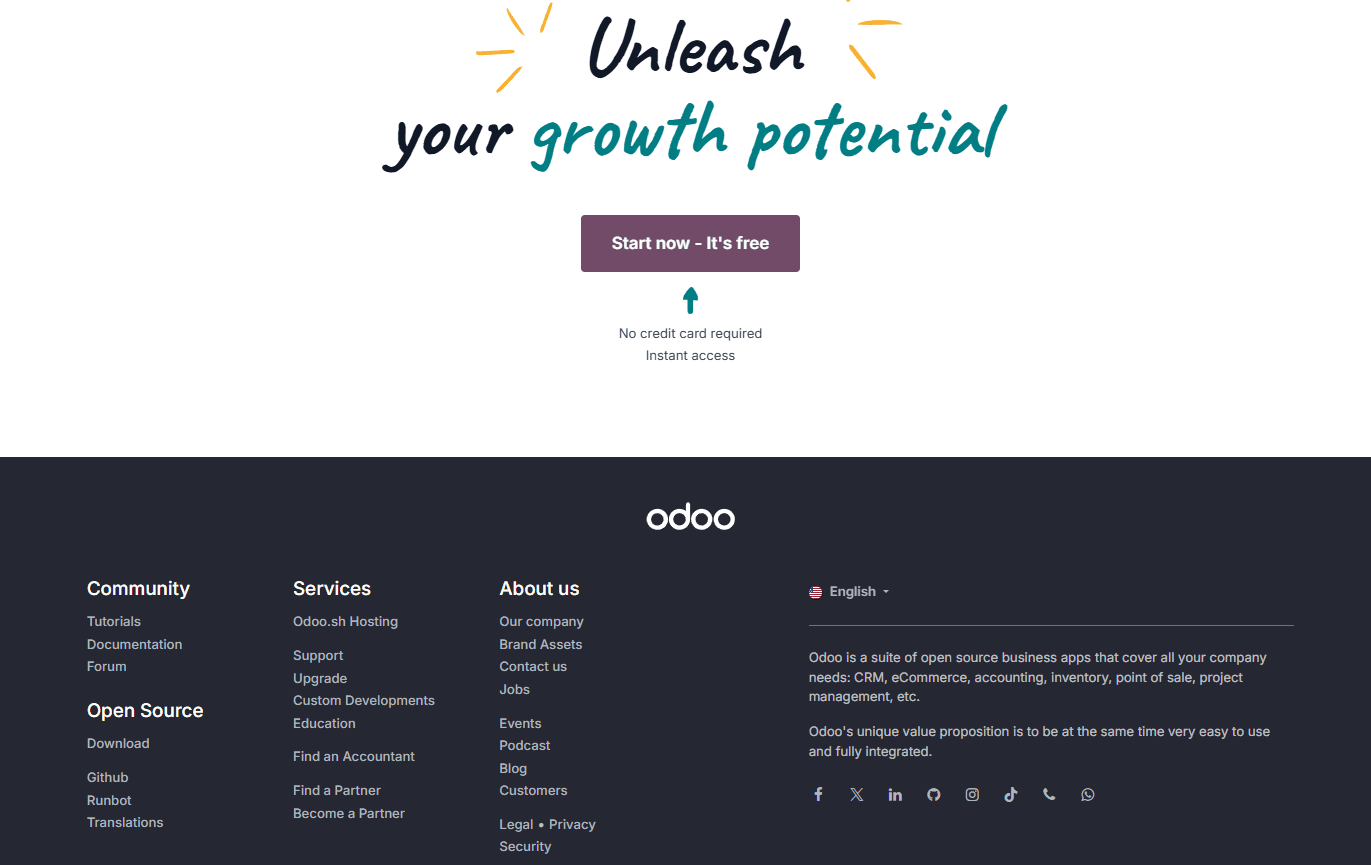
Odoo integrates with Google Drive, Gmail, QuickBooks, Microsoft Azure, Microsoft Outlook, and Unsplash, among others. Though it should be noted that some of these integrations and connectors are paid through their Odoo Apps store.
Odoo also offers a robust API and connects with third-party integration tools for custom workflows.
Odoo Specs
- 360 Degree Feedback: Yes
- API: Yes
- Attendance Tracking: Yes
- Batch Permissions & Access: Yes
- Budgeting: Yes
- Calendar Management: Yes
- Dashboard: Yes
- Data Export: Yes
- Data Import: Yes
- Data Visualization: Yes
- Employee Database: Yes
- Employee Engagement: Yes
- Employee Incentive Management: Yes
- Employee Onboarding: Yes
- Expense Tracking: Yes
- External Integrations: Yes
- Feedback Management: Yes
- Forecasting: Yes
- Multi-Currency: Yes
- Multi-User: Yes
- Notifications: Yes
- Scheduling: Yes
- Timesheets: Yes
- Travel Management: Yes
- Vacation & Absence Calendar: Yes