
10 Migliori Soluzioni Gratuite per la Gestione delle Scadenze Recensite nel 2026

10 Miglior software gratuito per le milestone: la selezione


Gestire progetti può essere una vera sfida, soprattutto quando si devono coordinare più attività e rispettare diverse scadenze. Il tuo team ha bisogno di una direzione chiara, ed è qui che entra in gioco il software gratuito per la gestione delle milestone. Ti permette di organizzare i progetti, monitorare i progressi e assicurarti che nulla venga dimenticato—all senza spendere nulla.
Per mia esperienza, scegliere lo strumento giusto può fare davvero la differenza. Vuoi qualcosa che si adatti alle esigenze del tuo team, sia facile da usare e, soprattutto, sia gratuito. Ho testato e recensito diversi di questi strumenti per aiutarti a trovare la soluzione ideale.
In questo articolo condividerò le mie migliori scelte per software gratuiti di gestione delle milestone, offrendoti tutte le informazioni necessarie per prendere una decisione consapevole.
Perché Fidarti delle Nostre Recensioni sui Software
Testiamo e recensiamo software per la gestione dei prodotti dal 2020. In quanto product manager, sappiamo quanto sia cruciale e difficile prendere la decisione giusta nella scelta di un software. Investiamo molto nella ricerca approfondita per aiutare il nostro pubblico a prendere decisioni migliori di acquisto software.
Abbiamo testato oltre 2.000 strumenti per diversi casi d’uso nella gestione prodotti e scritto più di 1.000 recensioni approfondite. Scopri come garantiamo la trasparenza e dai un’occhiata alla nostra metodologia di recensione dei software.
Table of Contents
Riepilogo dei migliori software gratuiti per le milestone
Anche se tutti i software presenti nella mia lista offrono una versione gratuita, sono disponibili anche piani a pagamento nel caso volessi effettuare un upgrade. Ecco i costi base di ciascuno degli strumenti presenti nella mia selezione
| Tool | Best For | Trial Info | Price | ||
|---|---|---|---|---|---|
| 1 | Best for combining CRM, finance, and project tools | 7-day free trial and free plan available | From $39/month | Website | |
| 2 | Best for custom databases | Free plan available | From $20/user/month (billed annually) | Website | |
| 3 | Best for flexible views | 14-day free trial + free plan available | From $8/user/month (billed annually) | Website | |
| 4 | Best for bug tracking | Free plan + free 30-day trial available | From $35/month (up to 30 users) | Website | |
| 5 | Best for open source collaboration | Free plan available | From $7.25/user/month (billed annually) | Website | |
| 6 | Best for invoicing features | Free plan available | From $11.95/month | Website | |
| 7 | Best for organizing with a flexible structure and tagging features | 14-day money-back guarantee | From $6/user/month (billed annually) | Website | |
| 8 | Best for managing tasks with built-in time tracking | Free plan available + 7-day free trial | From $3/user/month (billed annually) | Website | |
| 9 | Best for Agile teams | Free plan available | From $7.91/user/month | Website | |
| 10 | Best for beginner-friendly Agile features | Free plan available | From €5/month | Website |
Recensioni dei migliori software gratuiti per milestone
Qui di seguito trovi le mie recensioni dettagliate dei migliori software gratuiti per la gestione delle milestone che hanno superato la selezione. Le mie recensioni offrono una panoramica dettagliata delle funzionalità chiave, pro e contro, integrazioni e casi d’uso ideali per aiutarti a scegliere quello giusto per te. Alcuni di questi software offrono una versione completamente gratuita, altri invece una prova gratuita. In ogni recensione ho indicato cosa è disponibile gratuitamente.

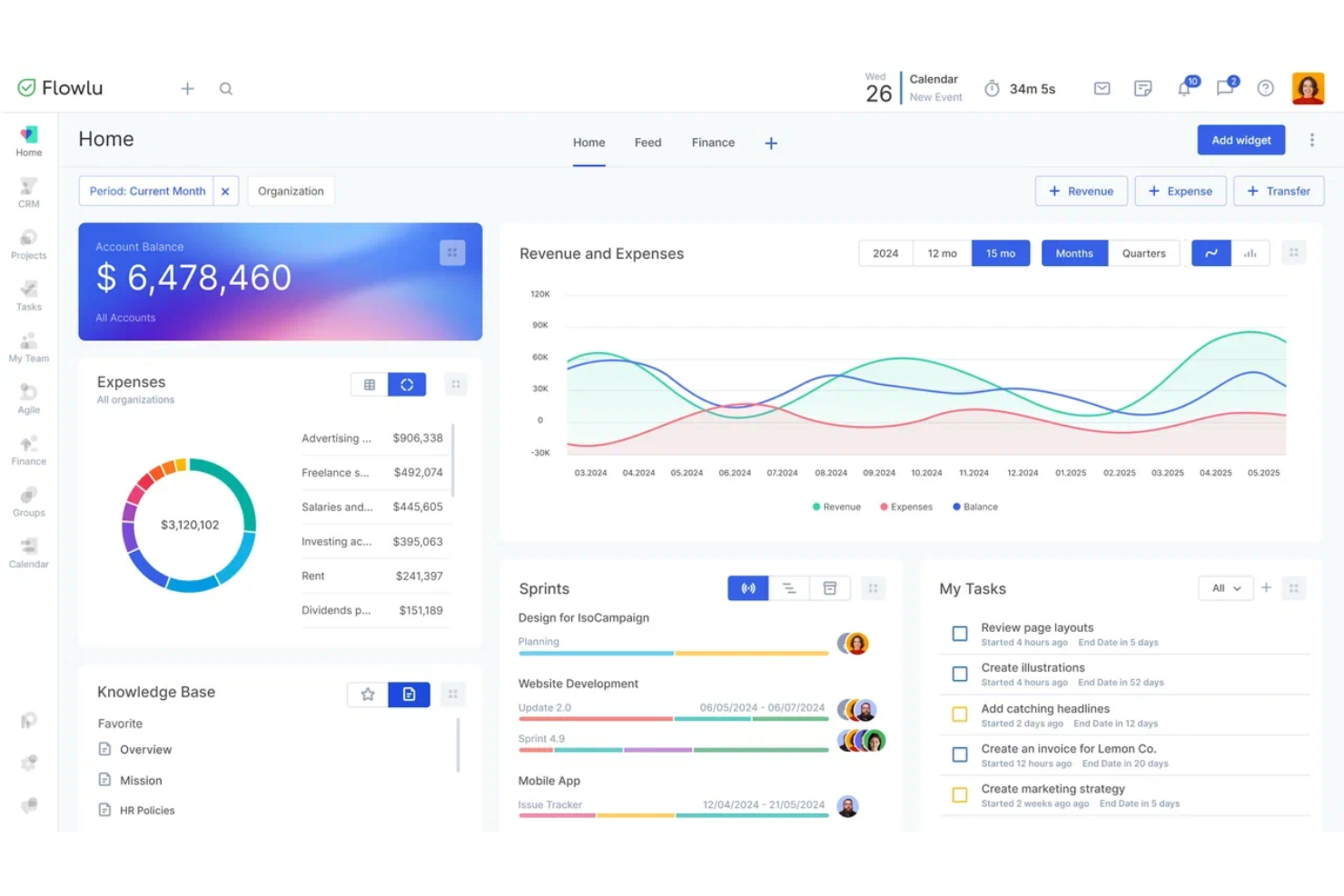
Flowlu is an all-in-one business management software designed for small to medium-sized businesses. It offers project management, CRM, invoicing, and collaboration tools to enhance business productivity.
Why I picked Flowlu: The free plan supports up to two users, making it accessible for small teams. It includes project management features, allowing you to create and track tasks easily. CRM functionalities let you manage customer relationships directly within the platform. Additionally, the invoicing feature helps you manage and send invoices without needing separate software.
Standout features & integrations:
Features include a knowledge base that lets your team store and share important information easily. The mind mapping tool helps you visualize ideas and projects, enhancing planning and collaboration. Budget management features assist you in tracking project finances effectively.
Integrations include Google Drive, Dropbox, Slack, Zapier, QuickBooks, Xero, Trello, Asana, Microsoft Teams, and HubSpot.
What's free?
Flowlu offers a free-forever plan for up to two users, with limitations on the number of projects and storage capacity.
Pros and Cons
Pros:
- CRM functionalities included
- Includes invoicing features
- All-in-one business management
Cons:
- Few advanced CRM features
- Basic budgeting features

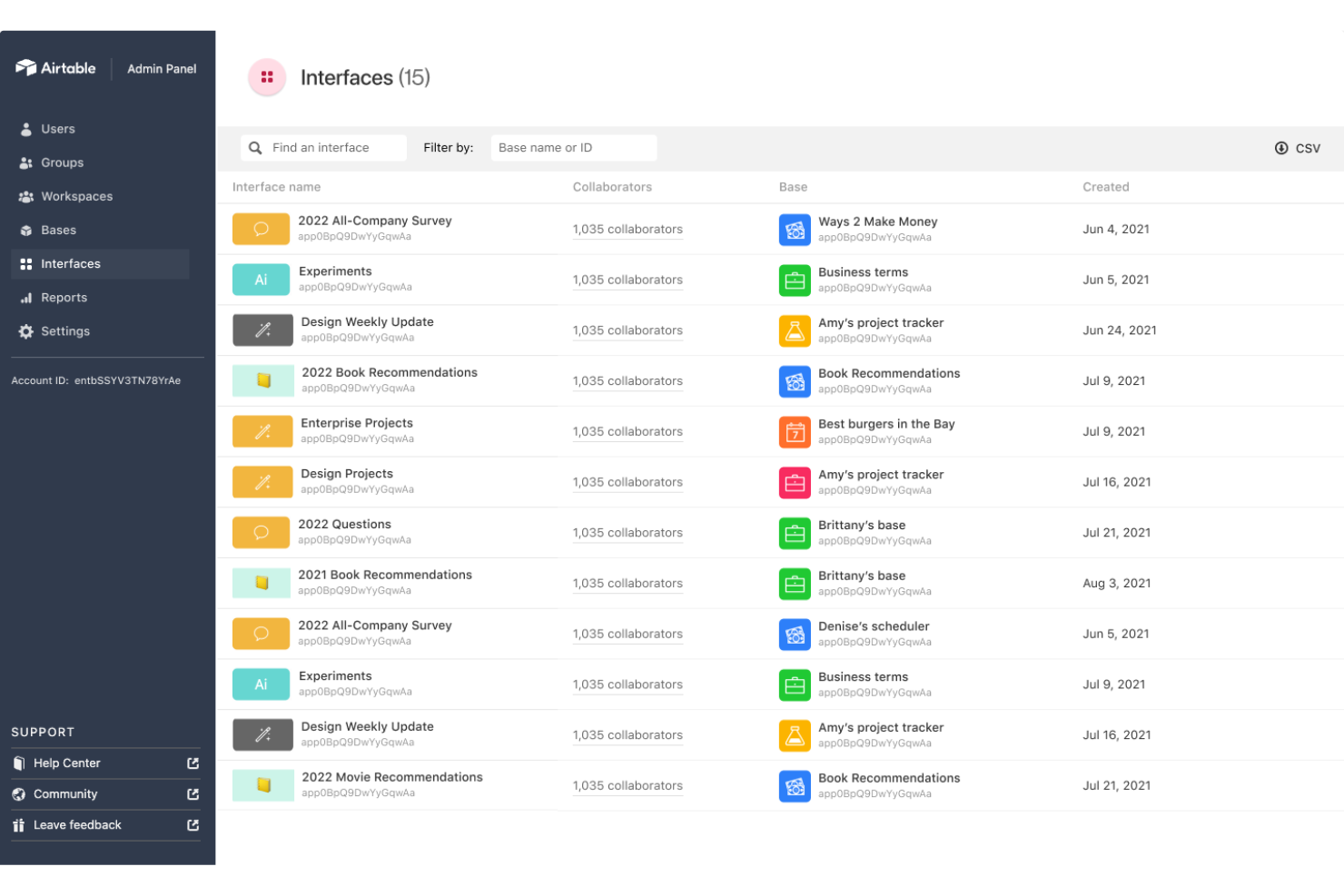
Airtable is a cloud-based collaboration platform that combines the simplicity of a spreadsheet with the functionality of a database. It's popular among teams of all sizes for managing projects, tracking inventory, planning events, and more.
Why I picked Airtable: The free plan allows unlimited bases, making it ideal for teams needing custom databases. You can create and customize fields to fit your specific project needs. The drag-and-drop interface is intuitive, allowing you to organize and visualize information effortlessly. Airtable's free version also includes rich field types, offering flexibility for various data inputs.
Standout features & integrations:
Features include a grid view that lets you manage and organize data like a spreadsheet. The calendar view helps you track deadlines and schedules, ensuring you never miss important dates. Airtable also offers a gallery view, which is perfect for displaying visual content in an organized manner.
Integrations include Slack, Google Drive, Dropbox, Zapier, MailChimp, Outlook, Salesforce, Trello, Asana, and Evernote.
What's free?
Airtable offers a free-forever plan with unlimited bases, but limits the number of records per base and attachment storage.
Pros and Cons
Pros:
- Supports visual content organization
- Intuitive drag-and-drop interface
- Unlimited custom databases
Cons:
- Attachment storage restrictions
- Limited records per base
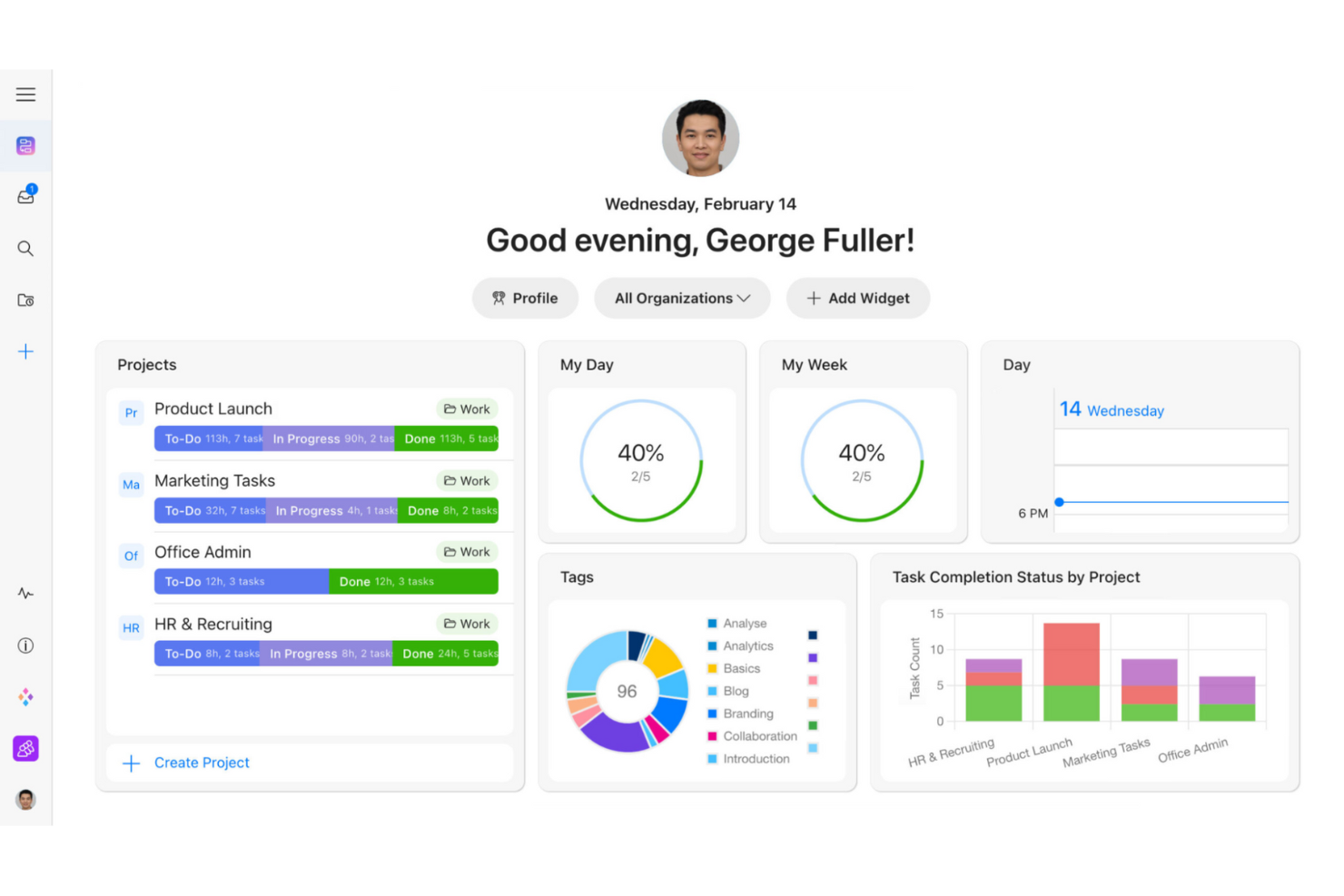
Zenkit is a project management and collaboration tool that serves teams looking for customizable workflows and data organization. It's ideal for businesses that need to manage tasks, projects, and information across various departments.
Why I picked Zenkit: The free version offers multiple view options, including Kanban, list, and calendar views, providing flexibility for different project needs. You can switch between views easily, allowing your team to work in the format that suits them best. The tool supports unlimited collections, which means you can organize projects and tasks without restrictions. Zenkit's free plan also includes basic task management features for small teams.
Standout features & integrations:
Features include a mind mapping tool that helps visualize ideas and projects, enhancing creativity and planning. The activity tracking feature allows you to monitor project progress and team activities in real-time. Zenkit also offers a hierarchical view, which helps in structuring tasks and projects in a clear, organized manner.
Integrations include Google Drive, Dropbox, Slack, Trello, Microsoft Teams, GitHub, Zapier, Asana, Evernote, and Wunderlist.
What's free?
Zenkit offers a free-forever plan with unlimited collections, but limits the number of users and some advanced features.
Pros and Cons
Pros:
- Includes mind mapping tool
- Unlimited collections
- Multiple view options
Cons:
- Few customization options
- Learning curve for new users
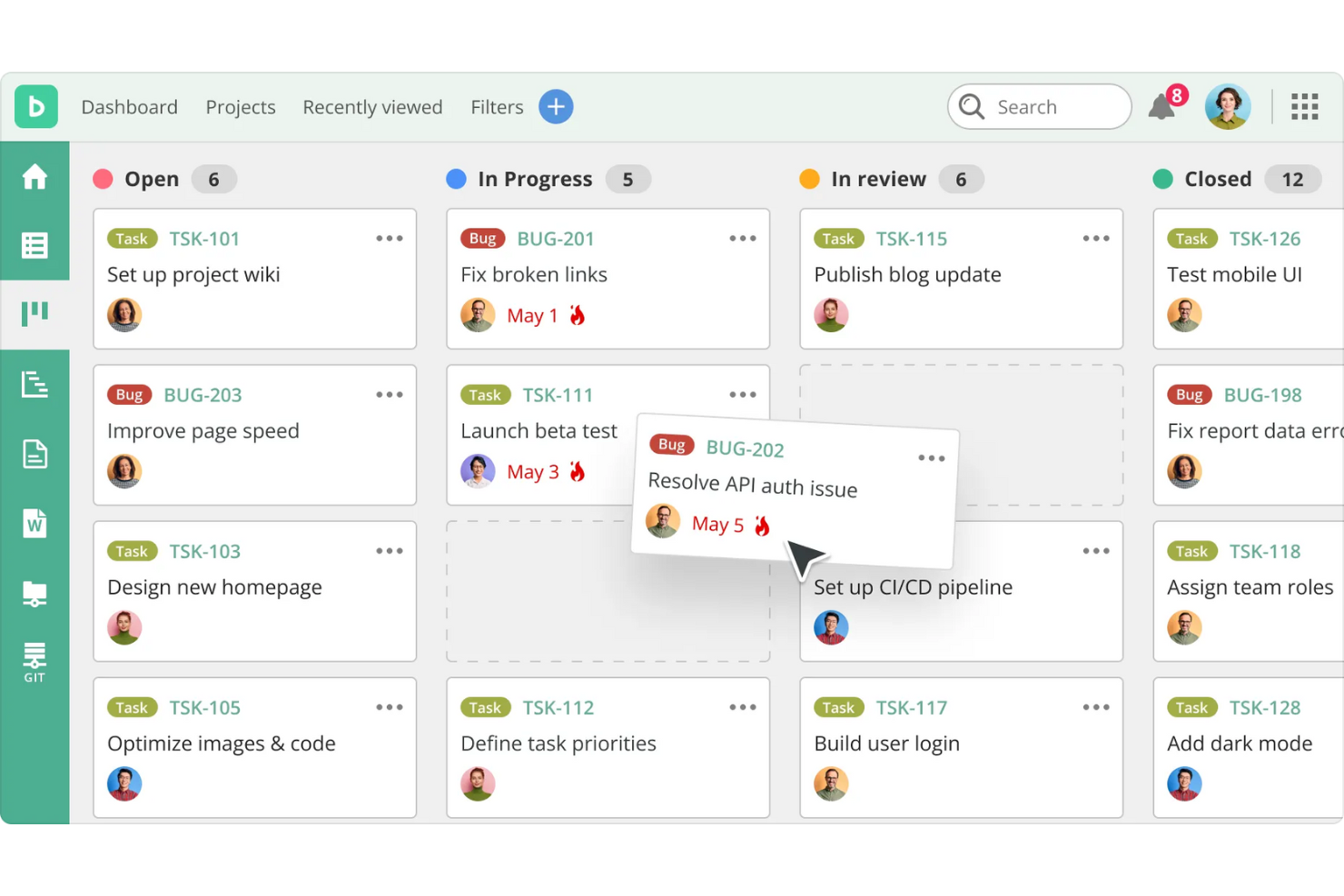
Backlog is a project management and collaboration tool designed for developers and project teams. It helps manage tasks, track bugs, and ensure smooth project execution.
Why I picked Backlog: The free plan supports up to 10 users, making it accessible for small teams. Bug tracking is a core feature, allowing you to manage and resolve issues efficiently. You can create and organize tasks within projects, ensuring everyone stays on the same page. The software also includes Gantt charts for visual project planning.
Standout features & integrations:
Features include task management that lets you create, assign, and prioritize tasks easily. The Gantt chart feature provides a visual timeline of your projects, helping you track progress. Milestone management keeps your team aligned on project goals and deadlines.
Integrations include Typetalk, Cacoo, GitHub, Jenkins, Redmine, Slack, Zapier, Microsoft Teams, Google Drive, and Dropbox.
What's free?
Backlog offers a free-forever plan for up to 10 users, but it limits you to one project and lacks some advanced features available in paid plans.
Pros and Cons
Pros:
- Visual Gantt charts
- Supports up to 10 users
- Easy bug tracking for developers
Cons:
- No advanced reporting features
- Limited to one project


OpenProject is a project management software designed for teams who value open-source solutions. It serves a broad user base, from small teams to large enterprises, providing tools for planning, tracking, and collaboration.
Why I picked OpenProject: The free version is suitable for teams looking for open-source project management tools. It offers features like task management, project timelines, and basic reporting, which are essential for team collaboration. You can customize workflows to fit your project's needs, enhancing how your team manages tasks. OpenProject's community edition is available for free, making it an accessible option for those wanting a cost-effective solution.
Standout features & integrations:
Features include Gantt charts that help visualize project timelines and dependencies. The time tracking feature allows you to monitor how time is spent on different tasks and projects. OpenProject also offers a wiki feature, which lets your team document and share important project information.
Integrations include GitHub, Jenkins, Slack, Redmine, Excel, CSV, REST API, LDAP, SAML, and OpenID Connect.
What's free?
OpenProject offers a free-forever community edition, with some limitations on advanced features and integrations.
Pros and Cons
Pros:
- Gantt chart visualization
- Customizable workflows
- Ideal for open-source enthusiasts
Cons:
- Limited customization options
- Requires technical setup knowledge
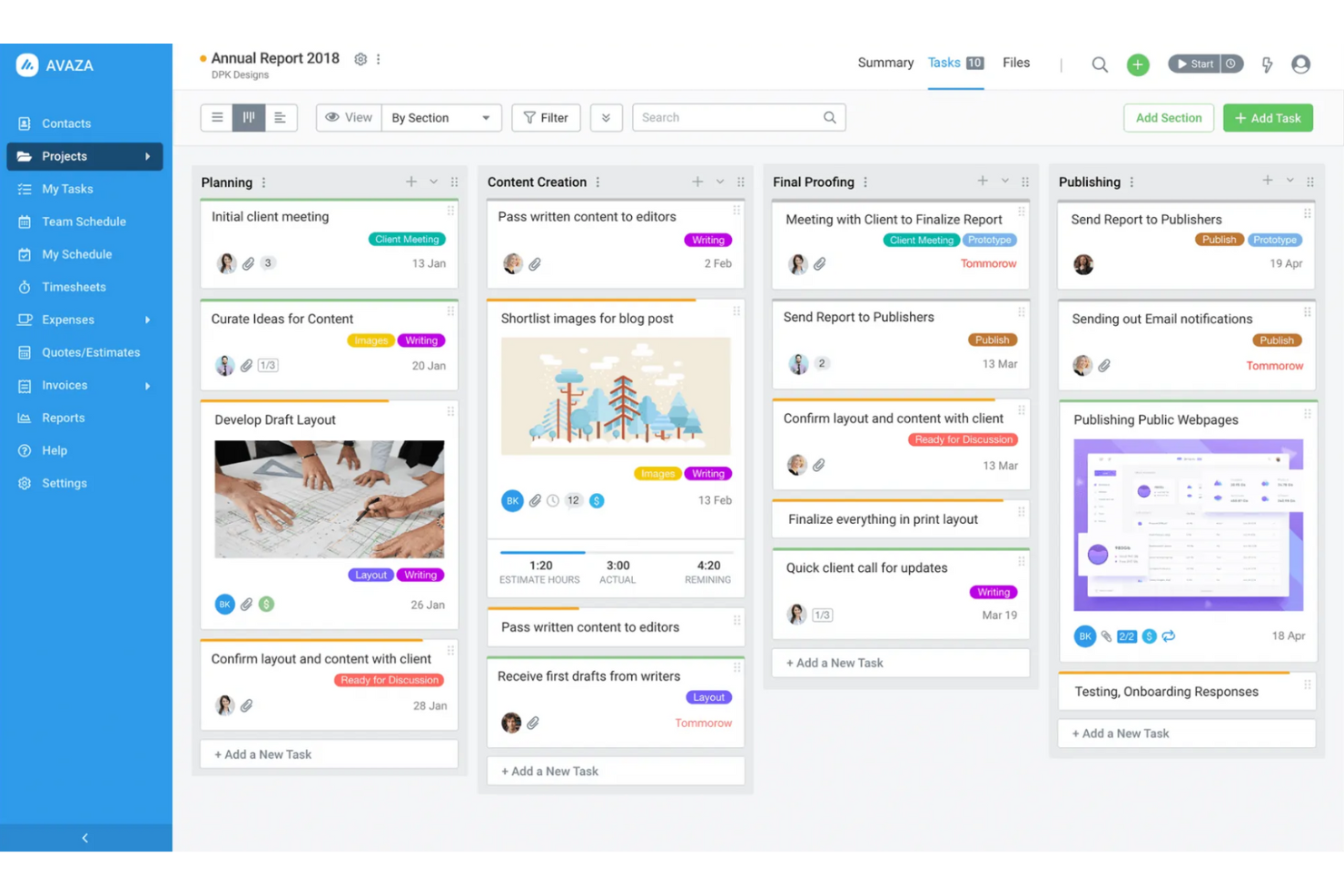
Avaza is a business management software that caters to freelancers and small to medium-sized businesses. It offers project management, time tracking, and invoicing to streamline business operations.
Why I picked Avaza: The free plan supports one user and five projects, which is perfect for freelancers or small teams. It includes invoicing features, allowing you to create and send invoices easily. Time tracking is part of the free offering, helping you manage your billable hours efficiently. The tool also provides basic project management features to keep your tasks organized.
Standout features & integrations:
Features include expense tracking, which helps you manage and record project expenses. The task collaboration feature enables your team to communicate and share updates within tasks. Avaza also offers a resource scheduling feature, which helps in planning and allocating resources effectively.
Integrations include Xero, QuickBooks, Slack, Google Calendar, Dropbox, Zapier, MailChimp, PayPal, Stripe, and Square.
What's free?
Avaza offers a free-forever plan for one user with access to five projects and basic invoicing features.
Pros and Cons
Pros:
- Expense tracking available
- Includes time tracking
- Ideal for freelancers and small teams
Cons:
- Limited storage capacity
- Only five projects allowed

Infinity
Best for organizing with a flexible structure and tagging features
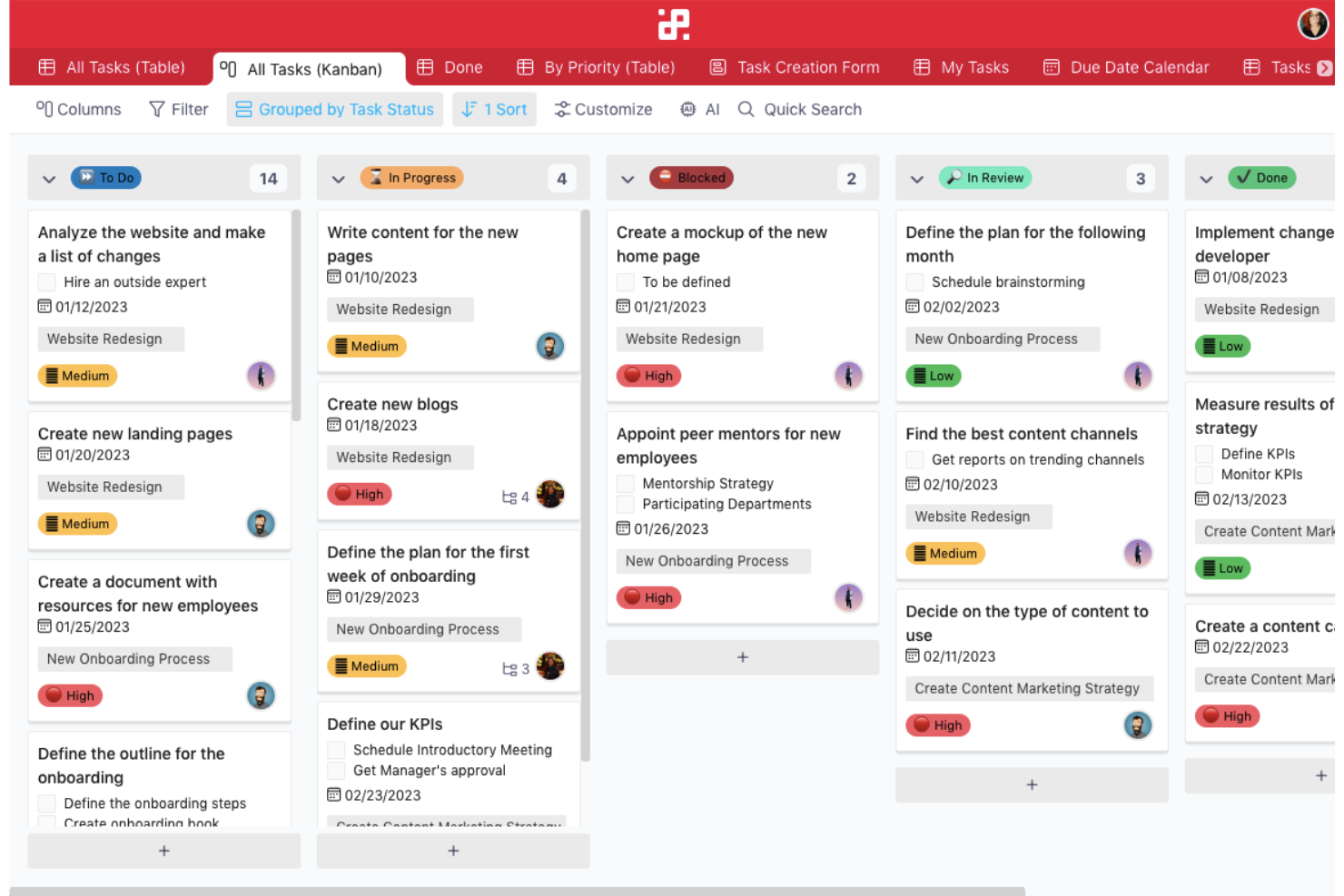
Infinity is a flexible project management tool designed for teams that need to organize and manage multiple projects and tasks. It caters to businesses of all sizes, providing a platform for task management and collaboration.
Why I picked Infinity: The free plan allows unlimited tasks, making it ideal for teams looking to manage extensive projects without limitations. You can customize your workspace with various views like list, table, and calendar, giving your team the flexibility to choose how they work. The tool also supports custom attributes, so you can tailor tasks to fit your project needs. Infinity's free version includes essential collaboration features to keep your team connected.
Standout features & integrations:
Features include a nested folder structure that helps you organize projects and tasks hierarchically. The priority setting feature lets you mark tasks based on urgency and importance. Infinity also offers customizable templates, which make setting up new projects quick and easy.
Integrations include Trello, Asana, Slack, Google Drive, Dropbox, Zapier, Microsoft Teams, Jira, GitHub, and Outlook.
What's free?
Infinity offers a free-forever plan with unlimited tasks, but limits the number of users and some advanced features.
Pros and Cons
Pros:
- Supports custom attributes
- Customizable workspace views
- Allows unlimited tasks
Cons:
- Advanced features restricted
- Limited number of users

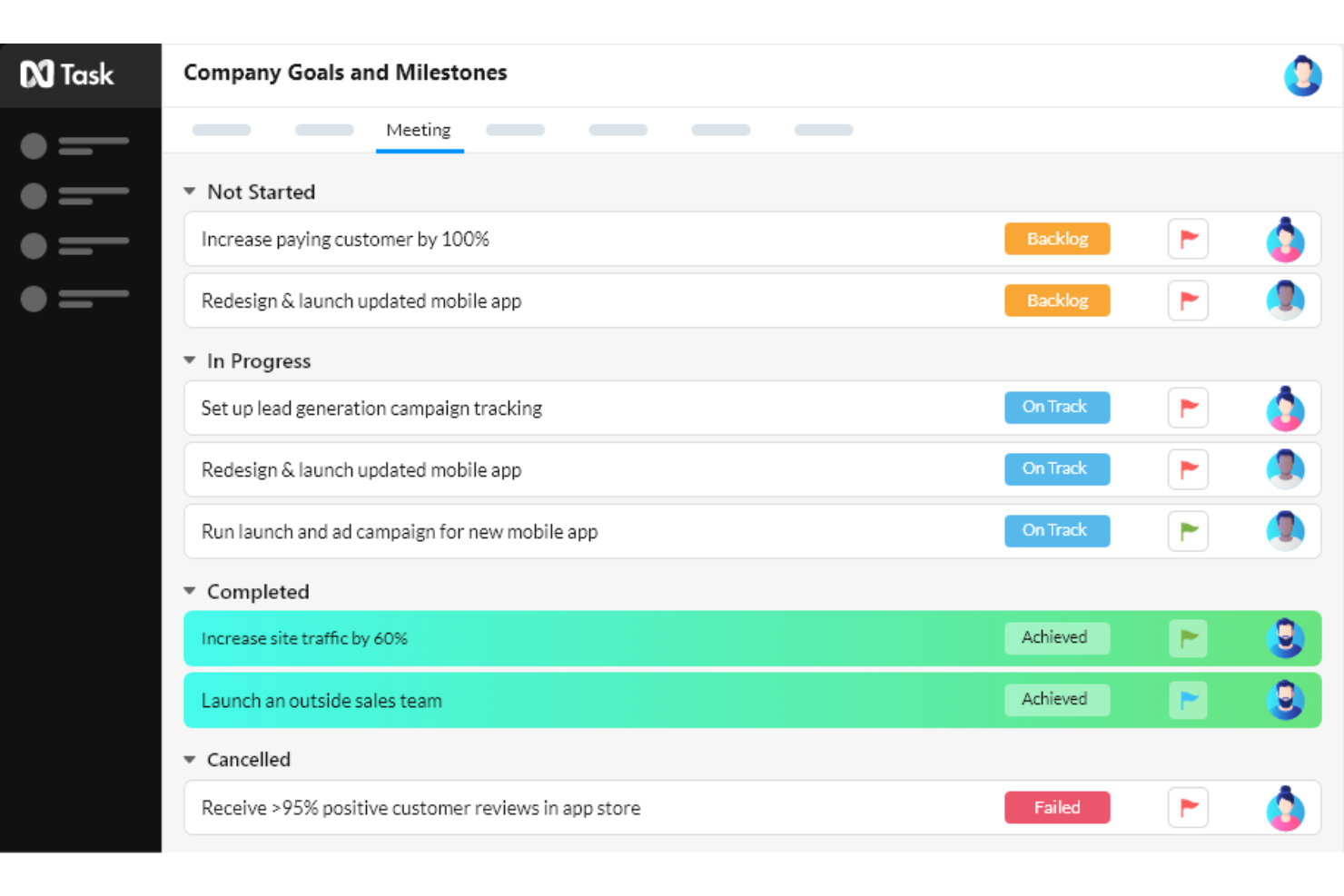
nTask is a project management platform designed for teams and individuals to organize tasks, projects, and workflows. It is ideal for businesses looking to manage tasks efficiently and enhance team collaboration.
Why I picked nTask: The free version allows up to five users, making it suitable for small teams. It offers task management features that let you create, assign, and track tasks effortlessly. The tool includes meeting management, helping your team stay aligned with scheduled discussions and agendas. nTask's free plan also provides time tracking, so you can monitor how time is spent on various tasks.
Standout features & integrations:
Features include a risk management module that helps identify and mitigate project risks effectively. The issue tracking feature allows you to log and resolve project-related issues promptly. nTask also provides a project planning tool that helps in outlining project timelines and milestones.
Integrations include Slack, Google Calendar, Outlook, Zoom, Microsoft Teams, Zapier, Trello, Asana, Dropbox, and Google Drive.
What's free?
nTask offers a free-forever plan for up to five users, with limitations on storage and some advanced features.
Pros and Cons
Pros:
- Provides time tracking
- Includes meeting management
- Suitable for small teams
Cons:
- Basic project planning tools
- Limited storage capacity
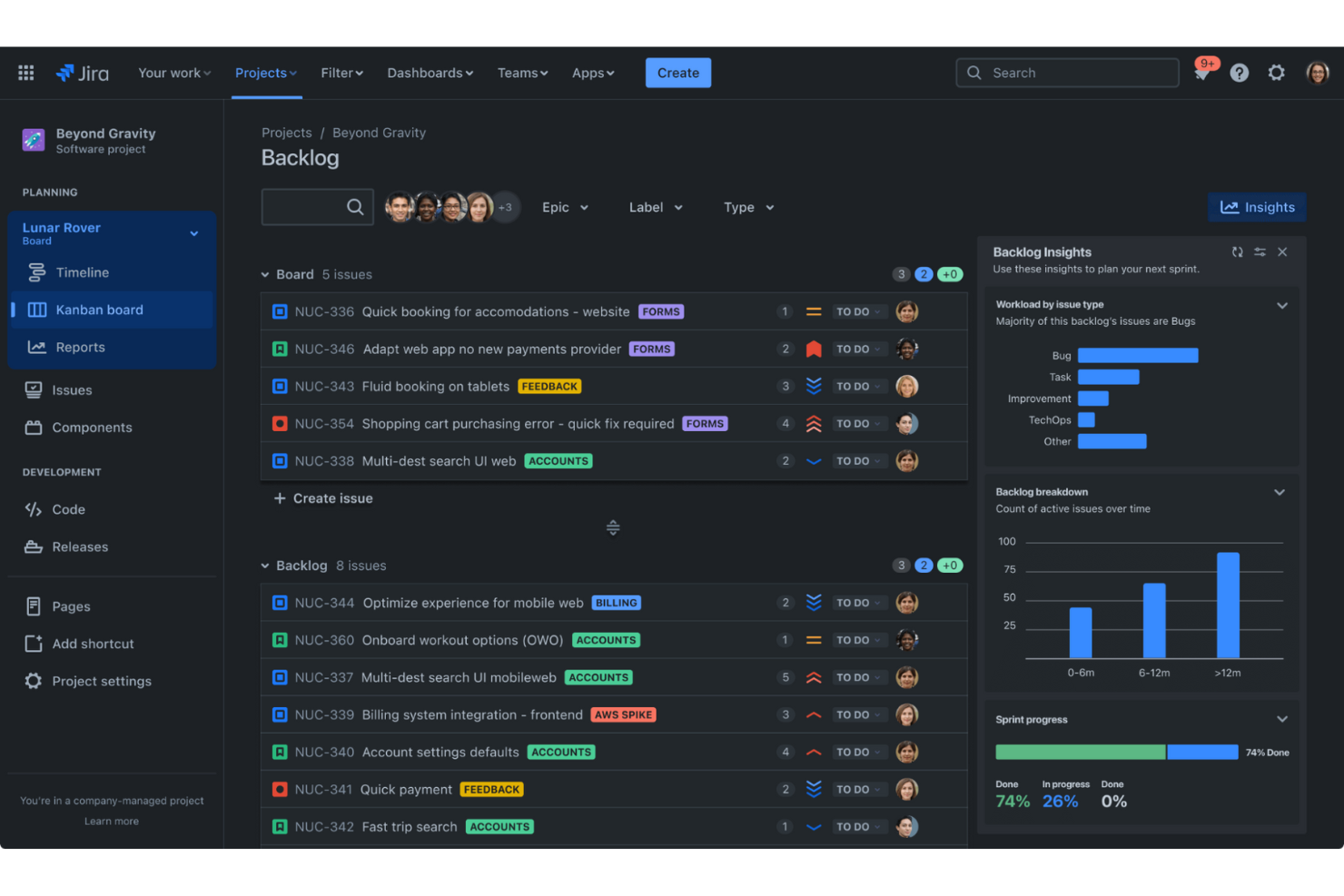
Jira is a project management tool tailored for Agile software development teams. It offers a range of features for tracking issues, managing projects, and planning sprints.
Why I picked Jira: The free plan accommodates up to 10 users, making it suitable for small Agile teams. Kanban and Scrum boards are included, allowing you to manage workflows effectively. The tool also provides customizable workflows to fit your team's processes. With backlog management, your team can prioritize tasks and keep projects on track.
Standout features & integrations:
Features include advanced reporting tools that give your team insights into project progress and performance. The roadmap feature helps you plan and communicate project timelines. Customizable dashboards let you tailor the interface to your team's specific needs.
Integrations include Slack, Microsoft Teams, GitHub, Bitbucket, Confluence, Trello, Google Drive, Dropbox, Outlook, and Zoom.
What's free?
Jira offers a free-forever plan for up to 10 users, with limited storage and some restrictions on advanced features.
Pros and Cons
Pros:
- Roadmap feature available
- Advanced reporting tools
- Backlog management included
Cons:
- Requires setup knowledge
- Limited to 10 users

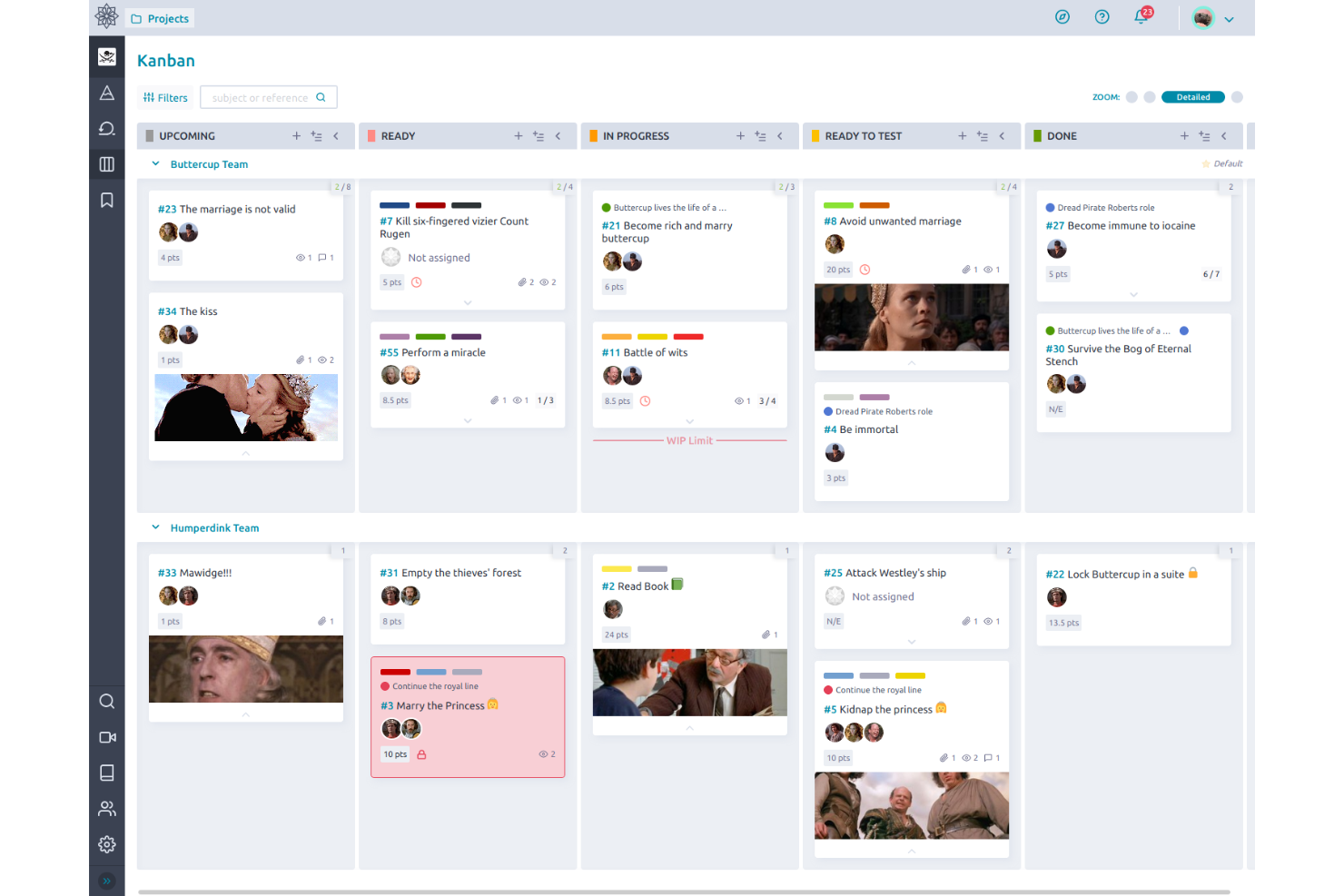
Taiga is a project management tool tailored for Agile teams, especially those working on open-source projects. It provides a platform for managing tasks, sprints, and backlogs, making it suitable for developers and project managers.
Why I picked Taiga: The free version supports up to three members, making it ideal for small open-source teams. It includes Kanban and Scrum boards, allowing you to manage workflows effectively. The tool also provides backlog management, helping your team prioritize tasks and stay organized. Taiga's free plan includes essential Agile tools without any cost.
Standout features & integrations:
Features include an intuitive backlog management system that helps prioritize and manage tasks efficiently. The sprint planning feature aids in organizing and scheduling sprints for Agile teams. Taiga also offers a customizable Kanban board, which lets you adapt workflows to your team's specific needs.
Integrations include GitHub, GitLab, Bitbucket, Slack, Zapier, Jira, Trello, Dropbox, Google Drive, and Asana.
What's free?
Taiga offers a free-forever plan for up to three members, with limited access to premium features and integrations.
Pros and Cons
Pros:
- Includes backlog management
- Supports Agile methodologies
- Ideal for open-source projects
Cons:
- Limited customization options
- Learning curve for new users
Altri software gratuiti per la gestione delle milestone
Ecco alcune altre opzioni di software per le milestone che offrono piani o periodi di prova gratuiti. Sebbene questi strumenti non siano entrati nella mia selezione principale, meritano comunque di essere considerati:
- Zoho Projects
For small teams
- Asana
For cross-functional team workflows with task dependencies
- Basecamp
For communication and built-in scheduling
- monday AI Work Platform
For project templates
- MeisterTask
For Kanban boards
- Productboard
For product roadmaps
- Quire
For nested task lists
- Kintone
For custom workflows
- ClickUp
For customizable task views and high-volume project tracking
- Trello
For visual boards


How I Evaluate Free Milestone Software
I split my evaluation into two layers: the baseline a tool must meet—like a real free plan, milestone tracking, and a timeline view—and the differentiators that separate one tool from another.
Core Functionality (Table Stakes For This List)
When I'm selecting tools for my list, I rank each one on a scale from 0 (does not offer the functionality) to 5 (excels in this area) for each core functionality listed below. Then, I calculate the tool's total score into a percentage. Each tool needs to achieve a minimum total score of 65% to be considered for inclusion.
- Milestone Creation & Tracking: I check whether you can define milestones with owners, due dates, and statuses—like flagging a beta launch target separately from everyday sprint tasks.
- Genuine Free Plan: The tool needs a real free tier that includes milestone features, not a 14-day trial that locks you out right when your roadmap starts taking shape.
- Timeline or Roadmap Visualization: I look for Gantt charts, timeline views, or visual roadmaps where milestones appear in sequence so you can spot scheduling conflicts at a glance.
- Dependency & Task Linking: Milestones should connect to underlying tasks or epics. For example, linking a "v2.0 release" milestone to its feature tasks so progress rolls up automatically.
- Progress & Status Reporting: I evaluate how each tool surfaces milestone health—whether that's auto-calculated percentages, dashboard widgets, or status indicators you can share with leadership.
- Team Collaboration: Product work is cross-functional, so I look for comments, @mentions, assignments, and notifications that keep engineers, designers, and PMs aligned on shared milestones.
Once I have a list of tools that meet this criteria, I consider what sets each platform apart.
Differentiating Factors (What Sets Vendors Apart)
Here's how I compare and contrast different vendors:
Standout Features
Stakeholder sharing links are a big differentiator—I look for tools that let you generate a read-only roadmap view so execs and partners can check milestone status without needing a paid seat. Native sync with dev tools like Jira or GitHub matters too, since engineering progress flows into your milestones automatically instead of requiring manual updates. I also evaluate whether a tool supports OKR or goal alignment, which helps PMs tie delivery milestones back to strategic outcomes during planning and review cycles.
Beyond Features
Free plan generosity is one of the first things I evaluate—some tools cap users or lock timeline views behind paid tiers, which defeats the purpose when your product squad needs full access. I also consider the upgrade path, since a tool that forces a painful migration when you outgrow the free plan creates more problems than it solves. Onboarding resources matter here too. Free users rarely get sales-led support, so I check for template libraries, in-app guides, and community forums that help a new PM reach their first milestone quickly.
Come scegliere un software gratuito per le milestone
Lunghe liste di funzionalità e strutture di prezzo complesse possono rendere difficile capire esattamente cosa offre un software gratuito per la gestione delle milestone. Per aiutarti nella valutazione e nella scelta, ecco alcuni fattori da considerare:
| Fattore | Cosa Considerare |
| Portata dell’Offerta Gratuita | Verifica quali funzionalità sono incluse nella versione gratuita. Alcuni strumenti possono limitare i progetti, gli utenti o lo spazio di archiviazione. |
| Scalabilità | Cerca un software che possa crescere insieme al tuo team. Assicurati che offra upgrade facili ai piani a pagamento se necessario. |
| Integrazioni | Assicurati che il software si integri con gli strumenti che già utilizzi, come Slack, Google Drive o Trello. |
| Semplicità d’Uso | Valuta l’interfaccia utente. Un design semplice e intuitivo può farti risparmiare tempo e ridurre la frustrazione. |
| Assistenza Clienti | Considera le opzioni di supporto disponibili. L’accesso al supporto via chat o email può essere cruciale per la risoluzione dei problemi. |
| Personalizzazione | Verifica se puoi adattare i flussi di lavoro alle esigenze del tuo team. Campi e dashboard personalizzati possono essere utili. |
| Accesso Mobile | Se il tuo team lavora in mobilità, assicurati che il software disponga di un’app mobile con funzionalità complete. |
| Sicurezza dei dati | Verifica le misure di protezione dei dati del software, specialmente se gestisci informazioni sensibili sui progetti. |
Cos’è un Software per la Gestione delle Scadenze Gratuito?
Il software per la gestione delle scadenze è uno strumento utilizzato per pianificare, monitorare e gestire le pietre miliari e le scadenze di un progetto. Questi prodotti spesso offrono versioni gratuite o di prova, dando agli utenti accesso alle funzionalità base ma con limiti su progetti o utenti. Professionisti come project manager, team leader e freelance usano comunemente questi strumenti per mantenere i progetti in linea e migliorare la collaborazione del team. La gestione delle attività, il monitoraggio delle tempistiche e le funzionalità di collaborazione aiutano i team a rimanere organizzati, rispettare le scadenze e comunicare in modo efficace.
Caratteristiche del Software per la Gestione delle Scadenze Gratuito
Vediamo le funzionalità comunemente presenti nei software di gestione delle scadenze, e quali di queste sono di solito incluse nei piani gratuiti rispetto a quelli a pagamento.
Funzionalità Tipicamente Gratuite del Software per le Scadenze
- Gestione delle attività: Ti permette di creare, assegnare e monitorare le attività, mantenendo il tuo team organizzato e puntuale.
- Monitoraggio delle tempistiche: Ti aiuta a tenere sotto controllo l’andamento del progetto e a garantire il rispetto delle scadenze.
- Strumenti di collaborazione: Facilita la comunicazione e la condivisione delle informazioni all’interno del team.
- Reportistica di base: Fornisce panoramiche sullo stato del progetto e sulle prestazioni del team.
- Bacheche Kanban: Offre un modo visuale per gestire flussi di lavoro e attività, facilitando la visione dell’avanzamento del progetto.
- Monitoraggio del tempo: Permette di controllare quanto tempo viene dedicato alle varie attività, aiutando nella gestione delle risorse.
- Viste personalizzabili: Consente di passare tra diverse visualizzazioni come elenco o calendario, offrendo flessibilità su come visualizzare i dati del progetto.
- Accesso mobile: Permette al tuo team di accedere alle informazioni del progetto ovunque si trovi, garantendo continuità e flessibilità.
Funzionalità Tipicamente a Pagamento del Software per le Scadenze
- Reportistica avanzata: Offre approfondimenti e analisi dettagliate sulle prestazioni del progetto e sulla produttività del team.
- Capacità di integrazione: Si collega con altri strumenti e piattaforme per semplificare i flussi di lavoro e la condivisione di dati.
- Gestione delle risorse: Aiuta a pianificare e allocare le risorse in modo efficiente tra i vari progetti.
- Funzionalità di automazione: Automatizza le attività ripetitive, risparmiando tempo e riducendo il lavoro manuale.
- Flussi di lavoro personalizzati: Ti permette di adattare i flussi di lavoro ai processi e alle necessità specifiche del tuo team.
- Impostazione delle priorità: Consente di contrassegnare le attività in base a urgenza e importanza, aiutando i team a concentrarsi su quelle più critiche.
- Sicurezza avanzata: Fornisce misure aggiuntive di protezione dei dati, garantendo la sicurezza delle informazioni sensibili del progetto.
- Progetti illimitati: Rimuove le restrizioni sul numero di progetti gestibili, permettendo una maggiore scalabilità.
Vantaggi del Software Gratuito per la Gestione delle Scadenze
L’implementazione di software gratuito per la gestione delle scadenze offre diversi vantaggi al tuo team e alla tua azienda. Eccone alcuni a cui puoi guardare con interesse:
- Risparmio sui costi: I piani gratuiti ti permettono di gestire i progetti senza costi aggiuntivi, rendendoli adatti ai piccoli team con un budget limitato.
- Organizzazione migliorata: Funzionalità come la gestione delle attività e il monitoraggio della timeline aiutano a mantenere i progetti organizzati e sotto controllo.
- Collaborazione potenziata: Gli strumenti di collaborazione favoriscono una comunicazione e un lavoro di squadra migliori, assicurando che tutti siano aggiornati.
- Flessibilità: Le viste personalizzabili e l’accesso da mobile ti permettono di adattare il software al tuo flusso di lavoro e di accedervi ovunque tu sia.
- Gestione del tempo: Le funzionalità di monitoraggio del tempo aiutano a tenere traccia delle ore dedicate alle attività, migliorando l’allocazione delle risorse.
- Gestione visiva: Le bacheche Kanban offrono un modo visivo per gestire attività e flussi di lavoro, facilitando la visualizzazione dei progressi a colpo d’occhio.
- Accessibilità: Le soluzioni software gratuite rendono gli strumenti di project management accessibili a team di qualsiasi dimensione, a prescindere dai vincoli di budget.
Costi e prezzi dei software gratuiti per la gestione delle milestone
So che sei arrivato a questo articolo cercando le migliori opzioni di software per milestone disponibili gratuitamente. Tuttavia, poiché i piani gratuiti offrono solo funzionalità limitate, è molto probabile che in futuro avrai bisogno di passare a una versione superiore.
La tabella seguente riepiloga i piani più comuni, i loro prezzi medi e le caratteristiche tipiche incluse nelle soluzioni software per la gestione delle milestone:
Tabella di confronto dei piani per il software di gestione delle milestone
| Tipo di piano | Prezzo medio | Caratteristiche comuni |
| Piano gratuito | $0 | Gestione delle attività, monitoraggio delle timeline, strumenti di collaborazione e reportistica di base. |
| Piano personale | $5-$15/user/ mese | Reportistica avanzata, viste personalizzate, impostazione delle priorità e monitoraggio del tempo. |
| Piano business | $20-$40/ user/mese | Capacità di integrazione, flussi di lavoro personalizzati, gestione delle risorse e automazione. |
| Piano enterprise | $50-$100/ user/mese | Sicurezza avanzata, progetti illimitati, supporto dedicato e analitica avanzata. |
Domande frequenti sul software milestone gratuito
Ecco alcune risposte alle domande più comuni sul software milestone gratuito:
Quali limitazioni dovrei aspettarmi dal software milestone gratuito?
Il software milestone gratuito spesso presenta limitazioni come un numero ridotto di progetti, un limite di utenti e uno spazio di archiviazione ristretto. Potresti anche scoprire che alcune funzionalità, come i report avanzati o le integrazioni, sono disponibili solo nelle versioni a pagamento. È importante valutare se queste limitazioni incidono sulle esigenze del tuo progetto.
Il software milestone gratuito può integrarsi con altri strumenti?
Sì, molte soluzioni gratuite di software milestone offrono integrazioni basilari con strumenti popolari come Slack, Google Drive e Trello. Tuttavia, la gamma di integrazioni potrebbe essere limitata rispetto ai piani a pagamento. Controlla se la versione gratuita si integra con gli strumenti già utilizzati dal tuo team.
Quanto è sicuro il software milestone gratuito?
Le funzionalità di sicurezza nei software milestone gratuiti possono variare. Anche se sono generalmente presenti alcune misure di sicurezza di base, opzioni più avanzate come la crittografia dei dati migliorata o certificazioni di conformità potrebbero essere disponibili solo nei piani a pagamento. Verifica sempre le caratteristiche di sicurezza del software che scegli.
Come posso fare in modo che il mio team si adatti al nuovo software milestone gratuito?
Per facilitare l’adattamento del team, scegli un software milestone gratuito che offra risorse formative come tutorial, webinar o una knowledge base. Alcune piattaforme mettono anche a disposizione tour interattivi o guide all’onboarding. Queste risorse possono agevolare la transizione e aiutare il team a sfruttare al meglio il software.
Esistono costi nascosti con il software milestone gratuito?
Anche se il software in sé è gratuito, potrebbero esserci costi nascosti legati a funzionalità aggiuntive o a necessari upgrade per maggiore funzionalità. Considera anche i possibili costi per la formazione o per l’adattamento dei processi esistenti al software. Consulta sempre i dettagli sui prezzi e i termini di servizio.
Come scelgo il software milestone gratuito più adatto per il mio team?
Considera le esigenze specifiche del tuo team, come il numero di utenti, le funzionalità richieste e le necessità di integrazione. Valuta l’usabilità e le opzioni di supporto disponibili per la versione gratuita. Prova, se possibile, diverse opzioni per identificare quale software si adatta meglio al tuo flusso di lavoro e ai tuoi requisiti.
Cosa succede ora?
Non dimenticare di iscriverti alla nostra newsletter per altre risorse e guide sul product management, oltre a podcast, interviste e altri approfondimenti dai leader e dagli esperti del settore.