
Reseña de Trello: Ventajas, Desventajas, Características y Precios Explicados
Trello destaca por su simplicidad visual y flexibilidad, lo que lo hace ideal para equipos que buscan una herramienta de gestión de proyectos intuitiva.

Revisamos las herramientas de forma independiente y las comisiones ayudan a financiar nuestras pruebas. Consulta nuestra política de transparencia, nuestra metodología, o sugiere una herramienta.
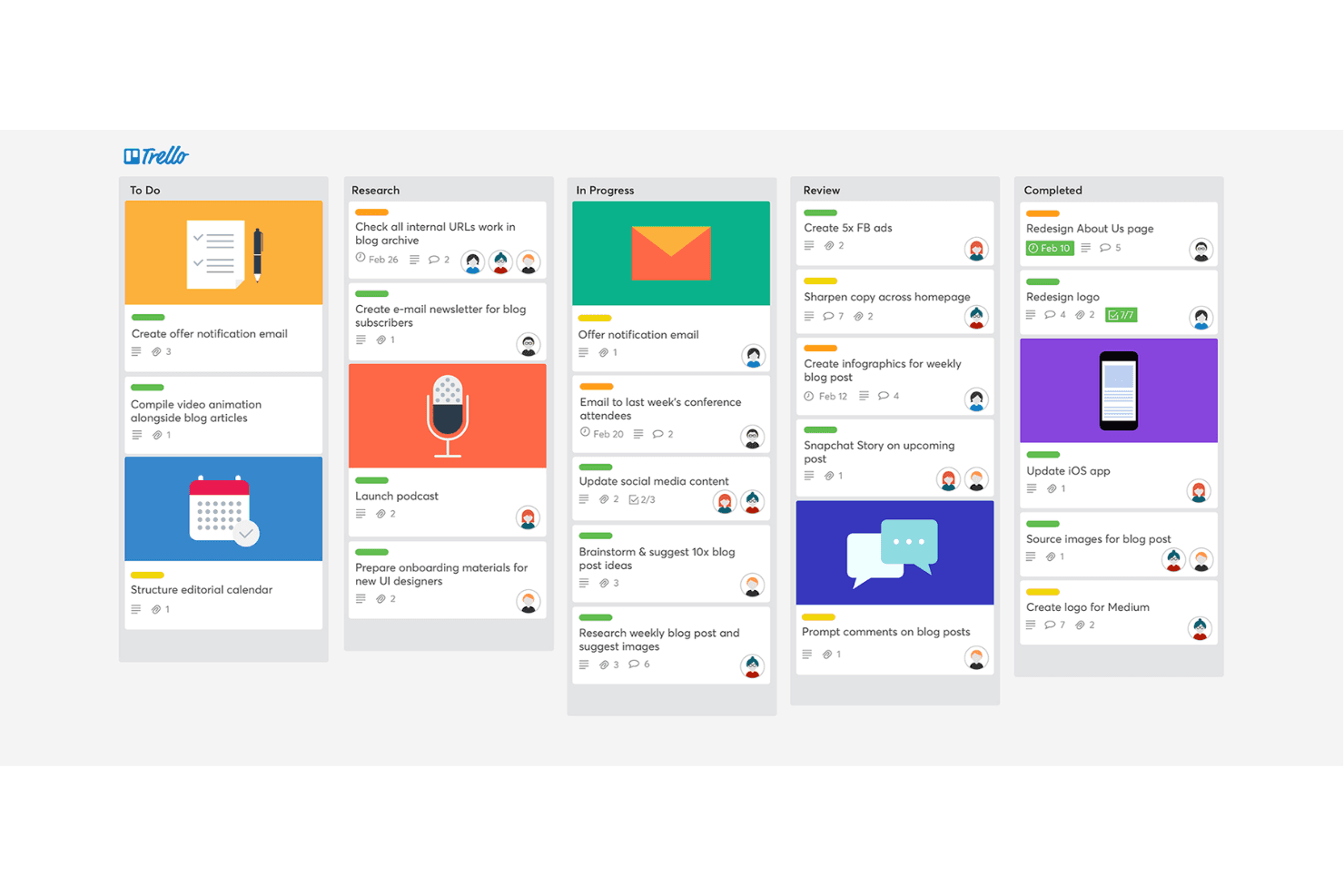
Trello is a simple yet flexible project management platform built around the visual workflows of kanban tools. I'd look at Trello when you want an easy way for your team to organize tasks, keep track of work-in-progress, and see progress at a glance—without a steep learning curve. Compared with Asana, Trello gives you a faster setup and a more intuitive drag-and-drop board that makes it easier to get your team collaborating right away.
Trello Evaluation Summary
4.5/5
- From $5/user/month (billed annually)
- 14-day free trial
Por qué confiar en nuestras recomendaciones de software
6,700+
Reviews
20
Industry experts
16+
Evaluation factors
14
Years
Nuestro equipo lleva probando y evaluando software desde 2012. Como gestores de producto, sabemos lo difícil —y lo importante— que es elegir el software adecuado.
Para esta guía, evaluamos las herramientas mediante pruebas prácticas e investigación independiente, puntuando las herramientas según nuestros criterios de selección.
Nuestras reseñas reflejan nuestro criterio editorial humano, no un discurso de ventas.
Revisores expertos:
 Hannah ClarkSenior TPM
- Cristiano ValimSenior UI/UX Lead

Trello Overview
When judging Trello as a kanban board tool, its drag-and-drop interface, and easy onboarding set it apart for teams new to project management. Trello’s pricing is accessible, and its integration options cover most common SaaS tools. However, it underperforms for users needing advanced reporting or complex workflow automation. If you’re selecting a tool for straightforward task tracking functionalities, collaborative planning, or project management, Trello is a top contender. For example, marketing teams and small product squads often find its simplicity and flexibility ideal, while larger organizations may need more depth.
Pros
- Kanban-based workflow makes project status visually clear.
- Power-Ups add automation and advanced features to boards.
- Mobile app syncs reliably with web and desktop versions.
Cons
- No built-in time tracking or workload management tools.
- Board limits and automation caps on free and lower tiers.
- Limited reporting and analytics for tracking project performance.
Is Trello Right For Your Needs?
Who Would be a Good Fit for Trello?
Trello is a strong choice for teams and organizations that value visual project tracking, need flexible workflows, and want a tool that’s easy to adopt. Its kanban-style boards, card system, and Power-Ups make it especially useful for creative, collaborative, and fast-moving environments. Trello works best for groups that don’t require deep analytics or complex process automation but need to organize tasks, share updates, and keep everyone aligned.
- Marketing TeamsTrello’s visual boards help manage campaigns, content calendars, and creative assets.
- Small StartupsStartups benefit from Trello’s low cost and quick setup for project tracking.
- FreelancersFreelancers use Trello to organize client projects and deadlines in one place.
- Education DepartmentsTeachers and administrators track assignments, lesson plans, and events easily.
- Product DesignDesign teams use cards to manage feedback, iterations, and design assets.
- Nonprofit OrganizationsNonprofits coordinate volunteers, events, and fundraising tasks with simple boards.
Who Would be a Bad Fit for Trello?
Trello is less effective for organizations that need advanced reporting, strict process controls, or highly specialized project management features. Teams with complex workflows, regulatory requirements, or large-scale resource planning may find Trello’s feature set limiting. If your work depends on granular analytics, built-in time tracking, or enterprise-level automation, Trello may not meet your needs.
- Enterprise ITIT departments need advanced workflow automation and audit trails not found in Trello.
- Large EnterprisesLarge companies often require resource management and reporting beyond Trello’s scope.
- Finance TeamsFinance teams need granular permissions and compliance features Trello lacks.
- Manufacturing OperationsManufacturing requires Gantt charts and capacity planning not available in Trello.
- Legal DepartmentsLegal teams need document management and approval workflows Trello doesn’t offer.
- Healthcare ProvidersHealthcare organizations require HIPAA compliance and secure data handling not supported by Trello.
Cómo Probamos y Puntamos Herramientas
Llevamos años construyendo, refinando y mejorando nuestro sistema de pruebas y puntuación de software. La rúbrica está diseñada para captar los matices de la selección de software y lo que hace que una herramienta sea eficaz, centrándose en aspectos críticos del proceso de decisión. A continuación, puedes ver exactamente cómo funcionan nuestras pruebas y puntuaciones a través de siete criterios. Esto nos permite proporcionar una evaluación imparcial del software según funcionalidad principal, características destacadas, facilidad de uso, implementación, soporte al cliente, integraciones, reseñas de clientes y relación calidad-precio.
Funcionalidad Principal (25% de la puntuación final)
El punto de partida de nuestra evaluación siempre es la funcionalidad principal de la herramienta. ¿Cuenta con las funciones básicas que un usuario espera ver? ¿Alguna de esas funciones centrales está limitada a planes de precios superiores? Esperamos que una herramienta esté a la altura de las capacidades básicas de sus competidores.
Características Destacadas (25% de la puntuación final)
Luego evaluamos características especiales poco comunes que van más allá de la funcionalidad principal que normalmente se encuentra en herramientas similares. Una alta puntuación refleja características especializadas o únicas que hacen que el producto sea más rápido, eficiente u ofrezca valor añadido al usuario. También evaluamos lo fácil que es integrar con otras herramientas habituales en el entorno tecnológico para ampliar la funcionalidad y utilidad del software. Las herramientas que ofrecen integraciones nativas abundantes, conexiones de terceros y acceso por API para crear integraciones personalizadas obtienen la mejor puntuación.
Facilidad de Uso (10% de la puntuación final)
Consideramos lo rápido y sencillo que es llevar a cabo las tareas definidas en la funcionalidad principal usando la herramienta. El software con alta puntuación está bien diseñado, es intuitivo, ofrece apps móviles, tiene plantillas y hace que tareas relativamente complejas parezcan simples.
Implementación (10% de la puntuación final)
Sabemos lo importante que es la adopción rápida del equipo para una nueva plataforma, así que evaluamos la facilidad de aprendizaje y uso de una herramienta con entrenamiento mínimo. Evaluamos cuán rápidamente un miembro del equipo puede configurar y empezar a usar la herramienta sin experiencia previa. Las soluciones con alta puntuación indican que se requiere poco o ningún soporte.
Soporte al Cliente (10% de la puntuación final)
Revisamos lo rápido y sencillo que es desatascarse y encontrar ayuda por teléfono, chat en vivo o base de conocimientos. Los productos y empresas que ofrecen soporte en tiempo real obtienen mejor puntuación, mientras que los chats automáticos obtienen la peor.
Reseñas de Clientes (10% de la puntuación final)
Más allá de nuestras propias pruebas y evaluaciones, consideramos el net promoter score de clientes actuales y pasados. Revisamos su probabilidad, dadas las opciones, de elegir la herramienta de nuevo por su funcionalidad principal. Un software con alta puntuación refleja un alto net promoter score de clientes actuales o anteriores.
Relación Calidad-Precio (10% de la puntuación final)
Por último, teniendo en cuenta todos los demás criterios, revisamos el precio promedio de los planes de nivel de entrada frente a las funcionalidades principales y consideramos el valor de los demás criterios de evaluación. El software que ofrece más por menos, obtendrá una puntuación mayor.
Core Features
Kanban Boards
Organize projects visually with drag-and-drop cards on customizable boards. Each board represents a workflow, making task progress easy to track.
Cards and Lists
Break down projects into lists and cards for granular task management. Add checklists, attachments, and comments directly to each card.
Power-Ups
Enhance boards with add-ons for automation, calendar views, voting, and more. Power-Ups let you tailor Trello to specific project needs.
Butler Automation
Automate repetitive actions like moving cards or sending reminders with rule-based triggers. Butler helps reduce manual work and keeps boards updated.
Templates Library
Start quickly with pre-built templates for marketing, product launches, and team planning. Templates save setup time and provide proven workflows.
Mobile App
Access and update boards from iOS and Android devices. The app syncs in real time, so teams stay connected on the go.
Ease of Use
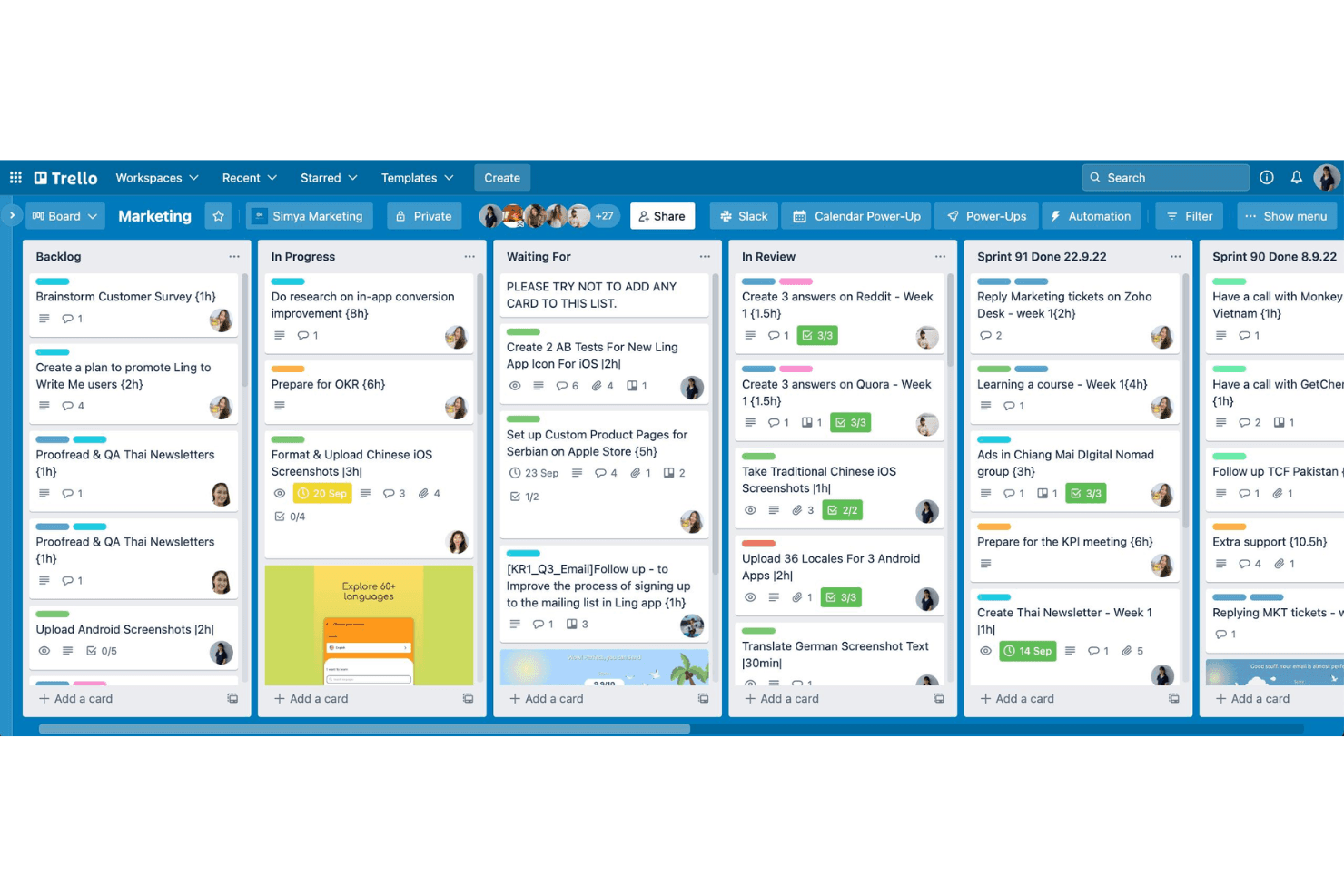
Trello is widely recognized for its intuitive, drag-and-drop interface and minimal setup requirements, making it accessible even for first-time users. The visual layout of boards and cards allows teams to organize work quickly without training. Users often highlight how easy it is to customize workflows and onboard new team members. While it may lack advanced features, Trello’s straightforward design keeps project management simple and approachable for most teams.
Integrations
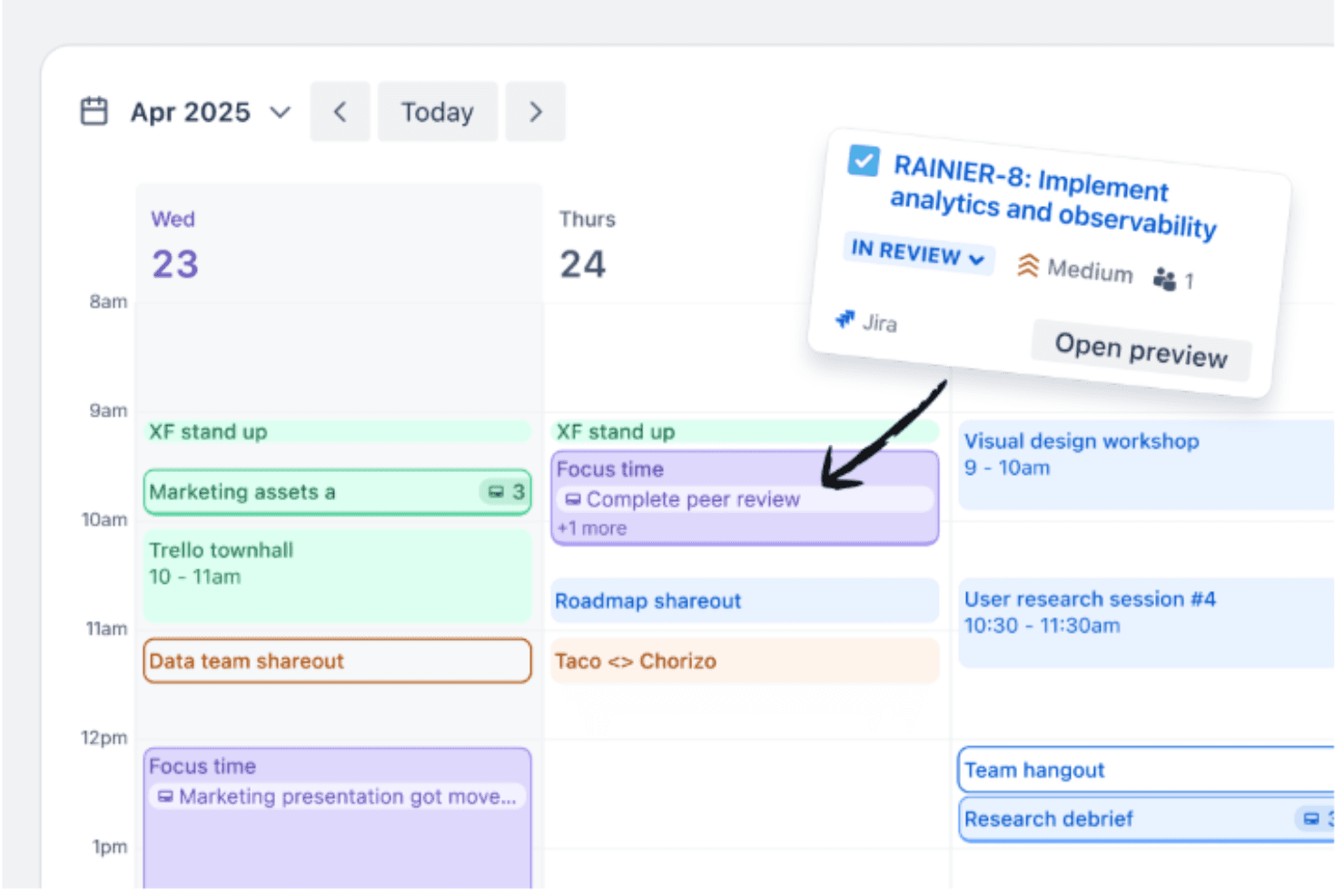
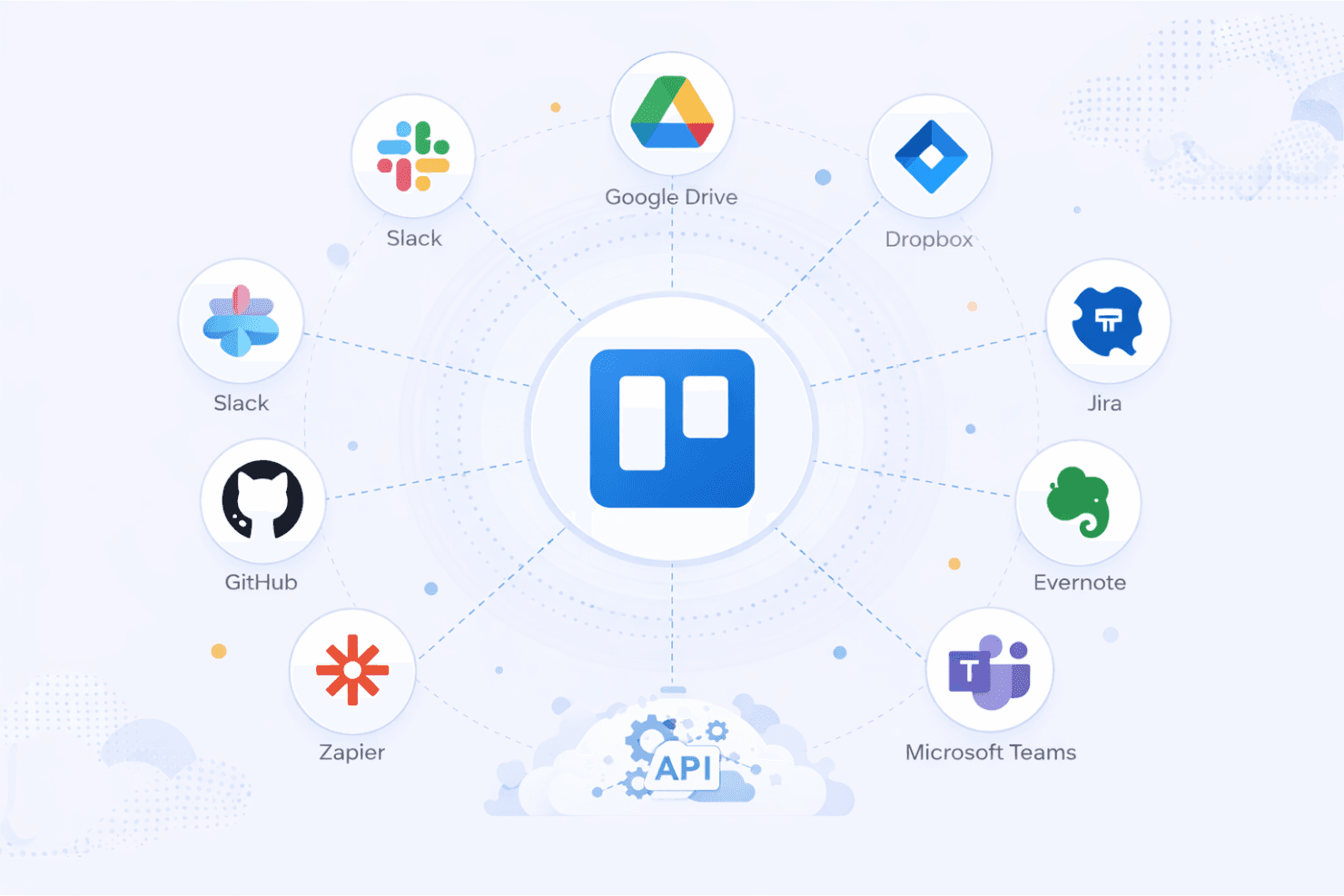
Trello integrates with Slack, Google Drive, Dropbox, Jira, Microsoft Teams, Evernote, Salesforce, GitHub, Zapier, and Confluence, among others.
Trello also offers a public API and connects with third-party integration tools for expanded automation and connectivity.
Trello Specs
- API: Yes
- Batch Permissions & Access: No
- Budgeting: Yes
- Calendar Management: Yes
- Collaboration Support: No
- Contact Management: No
- Contact Sharing: No
- Customer Management: No
- Dashboard: Yes
- Dashboards: Yes
- Data Export: Yes
- Data Import: Yes
- Data Visualization: Yes
- Dependency Tracking: Yes
- Document Sharing: Yes
- Expense Tracking: No
- External Integrations: Yes
- File Sharing: Yes
- Gantt Charts: Yes
- Kanban Boards: Yes
- Multi-User: Yes
- Notifications: Yes
- Project Management: Yes
- Resource Management: No
- Scheduling: Yes
- Task Scheduling/Tracking: Yes
- Third-Party Plugins/Add-Ons: Yes
- Time Management: Yes
- Travel Management: No
- Workflow Management: Yes


