
10 Mejores Software de Hitos Gratuitos Revisados en 2026

10 Mejor Lista de Software de Hitos Gratis


Gestionar proyectos puede ser un dolor de cabeza, especialmente cuando supervisas múltiples tareas y plazos. Tu equipo necesita un camino claro, y ahí es donde el software de hitos gratuito entra en juego. Te ayuda a organizar proyectos, seguir el progreso y asegurarte de que nada se escape de tu control, todo sin gastar ni un centavo.
En mi experiencia, elegir la herramienta adecuada puede marcar una gran diferencia. Quieres algo que se adapte a las necesidades de tu equipo, que sea fácil de usar y, lo más importante, que sea gratuito. He probado y analizado varias de estas soluciones para ayudarte a encontrar la mejor opción.
En este artículo compartiré mis principales recomendaciones de software de hitos gratis, dándote los detalles que necesitas para tomar una decisión informada.
Por qué confiar en nuestras opiniones sobre software
Llevamos probando y analizando software de gestión de productos desde 2020. Como gerentes de producto, sabemos lo crucial y difícil que es tomar la decisión correcta al seleccionar software. Invertimos en una investigación profunda para ayudar a nuestra audiencia a tomar mejores decisiones de compra de software.
Hemos probado más de 2.000 herramientas para diferentes casos de uso de gestión de productos y escrito más de 1.000 reseñas de software detalladas. Descubre cómo mantenemos la transparencia y revisa nuestra metodología de revisión de software.
Table of Contents
Resumen del Mejor Software de Hitos Gratis
Si bien todos los programas de hitos en mi lista tienen opciones gratuitas, también incluyen planes de pago si deseas actualizar. Aquí tienes los costos base de cada una de las herramientas incluidas en mi lista:
| Tool | Best For | Trial Info | Price | ||
|---|---|---|---|---|---|
| 1 | Best for combining CRM, finance, and project tools | 7-day free trial and free plan available | From $39/month | Website | |
| 2 | Best for custom databases | Free plan available | From $20/user/month (billed annually) | Website | |
| 3 | Best for flexible views | 14-day free trial + free plan available | From $8/user/month (billed annually) | Website | |
| 4 | Best for bug tracking | Free plan + free 30-day trial available | From $35/month (up to 30 users) | Website | |
| 5 | Best for open source collaboration | Free plan available | From $7.25/user/month (billed annually) | Website | |
| 6 | Best for invoicing features | Free plan available | From $11.95/month | Website | |
| 7 | Best for organizing with a flexible structure and tagging features | 14-day money-back guarantee | From $6/user/month (billed annually) | Website | |
| 8 | Best for managing tasks with built-in time tracking | Free plan available + 7-day free trial | From $3/user/month (billed annually) | Website | |
| 9 | Best for Agile teams | Free plan available | From $7.91/user/month | Website | |
| 10 | Best for beginner-friendly Agile features | Free plan available | From €5/month | Website |
Reseñas del Mejor Software de Hitos Gratis
A continuación encontrarás mis resúmenes detallados de los mejores programas de hitos gratis que llegaron a mi lista. Mis reseñas ofrecen un análisis exhaustivo de las funciones clave, ventajas y desventajas, integraciones y casos de uso ideales de cada herramienta para ayudarte a encontrar la mejor para ti. Mientras que algunas de estas herramientas ofrecen una versión totalmente gratuita, otras ofrecen un periodo de prueba gratis. He añadido una nota sobre qué es gratuito en cada una de mis reseñas.

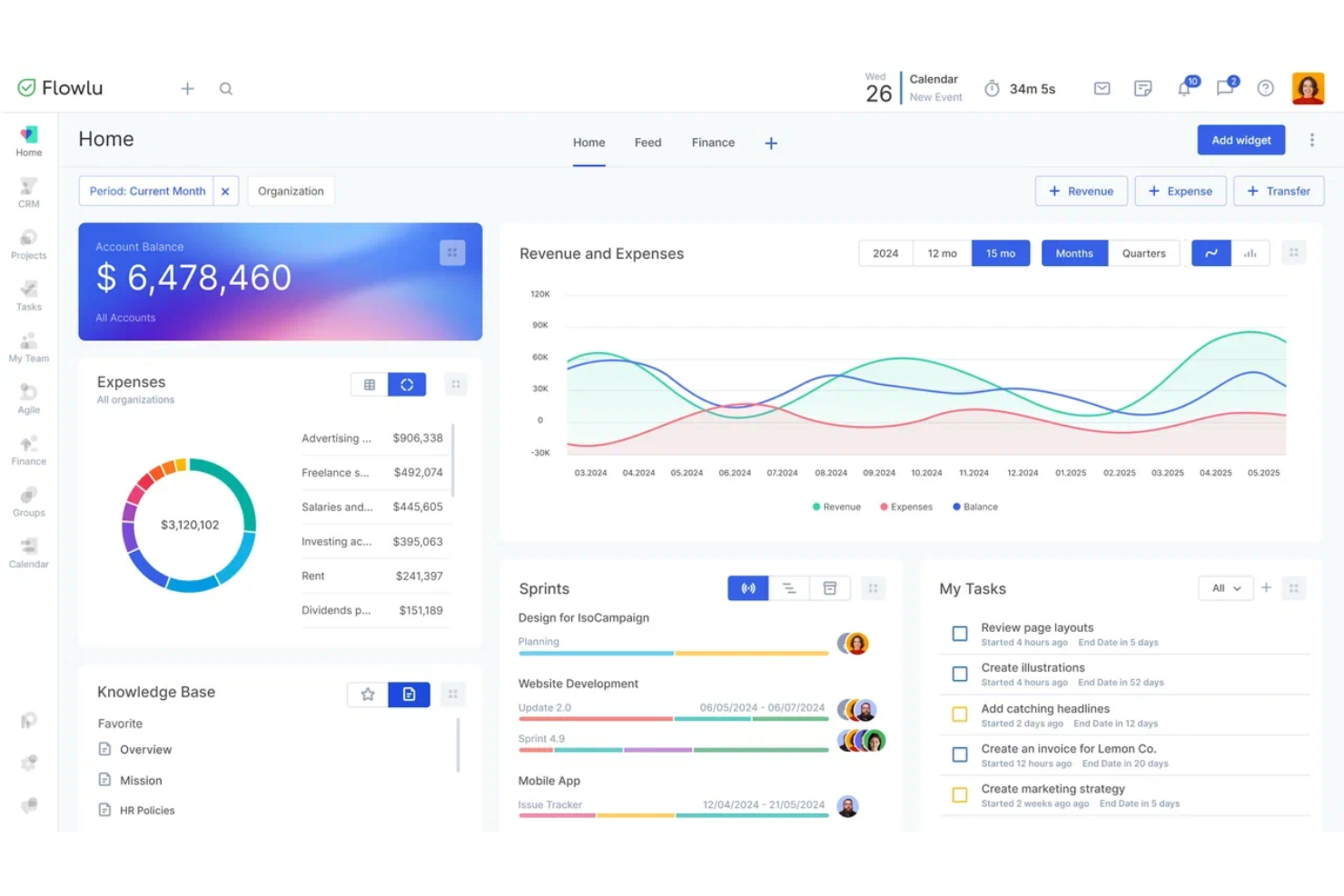
Flowlu is an all-in-one business management software designed for small to medium-sized businesses. It offers project management, CRM, invoicing, and collaboration tools to enhance business productivity.
Why I picked Flowlu: The free plan supports up to two users, making it accessible for small teams. It includes project management features, allowing you to create and track tasks easily. CRM functionalities let you manage customer relationships directly within the platform. Additionally, the invoicing feature helps you manage and send invoices without needing separate software.
Standout features & integrations:
Features include a knowledge base that lets your team store and share important information easily. The mind mapping tool helps you visualize ideas and projects, enhancing planning and collaboration. Budget management features assist you in tracking project finances effectively.
Integrations include Google Drive, Dropbox, Slack, Zapier, QuickBooks, Xero, Trello, Asana, Microsoft Teams, and HubSpot.
What's free?
Flowlu offers a free-forever plan for up to two users, with limitations on the number of projects and storage capacity.
Pros and Cons
Pros:
- CRM functionalities included
- Includes invoicing features
- All-in-one business management
Cons:
- Few advanced CRM features
- Basic budgeting features

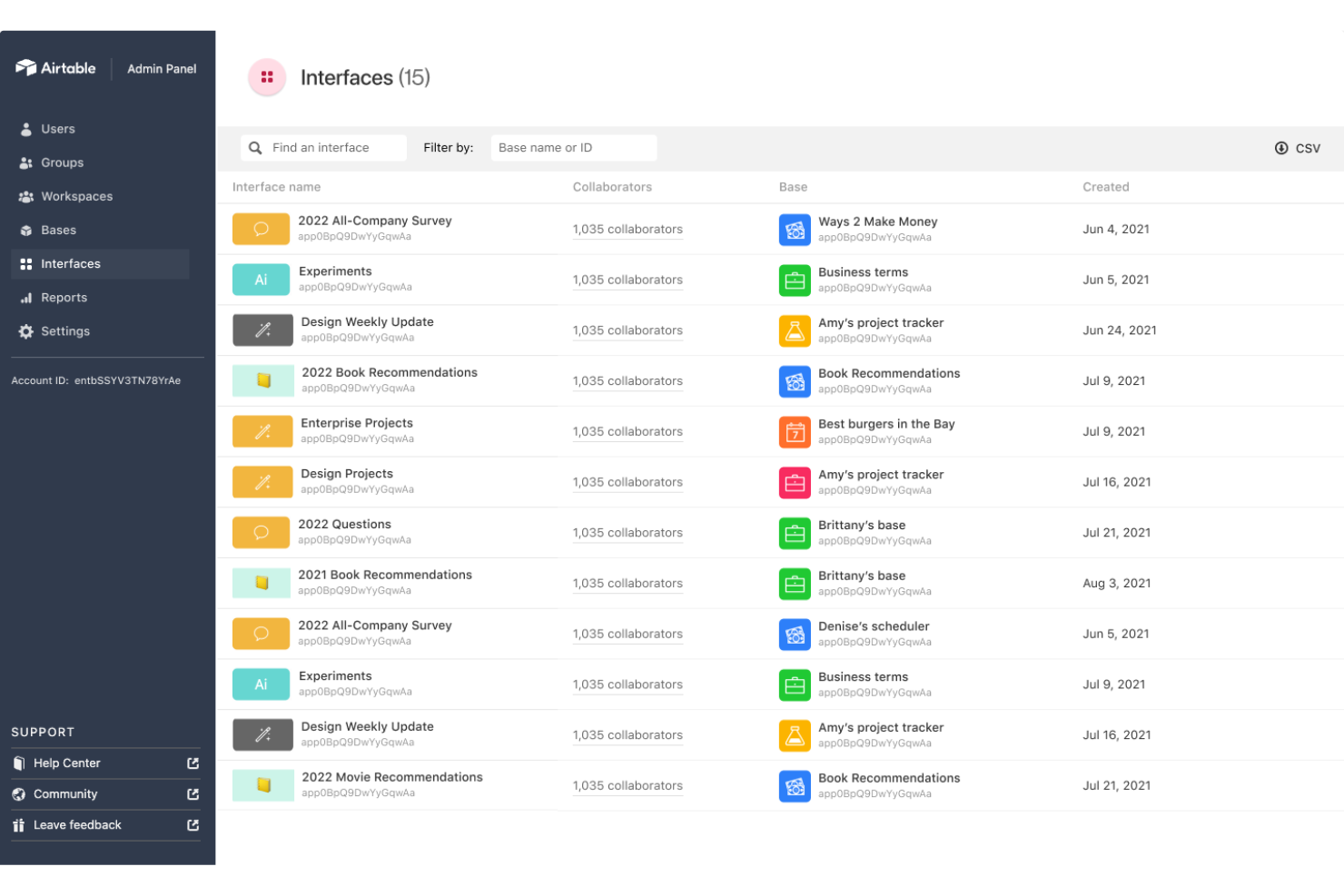
Airtable is a cloud-based collaboration platform that combines the simplicity of a spreadsheet with the functionality of a database. It's popular among teams of all sizes for managing projects, tracking inventory, planning events, and more.
Why I picked Airtable: The free plan allows unlimited bases, making it ideal for teams needing custom databases. You can create and customize fields to fit your specific project needs. The drag-and-drop interface is intuitive, allowing you to organize and visualize information effortlessly. Airtable's free version also includes rich field types, offering flexibility for various data inputs.
Standout features & integrations:
Features include a grid view that lets you manage and organize data like a spreadsheet. The calendar view helps you track deadlines and schedules, ensuring you never miss important dates. Airtable also offers a gallery view, which is perfect for displaying visual content in an organized manner.
Integrations include Slack, Google Drive, Dropbox, Zapier, MailChimp, Outlook, Salesforce, Trello, Asana, and Evernote.
What's free?
Airtable offers a free-forever plan with unlimited bases, but limits the number of records per base and attachment storage.
Pros and Cons
Pros:
- Supports visual content organization
- Intuitive drag-and-drop interface
- Unlimited custom databases
Cons:
- Attachment storage restrictions
- Limited records per base
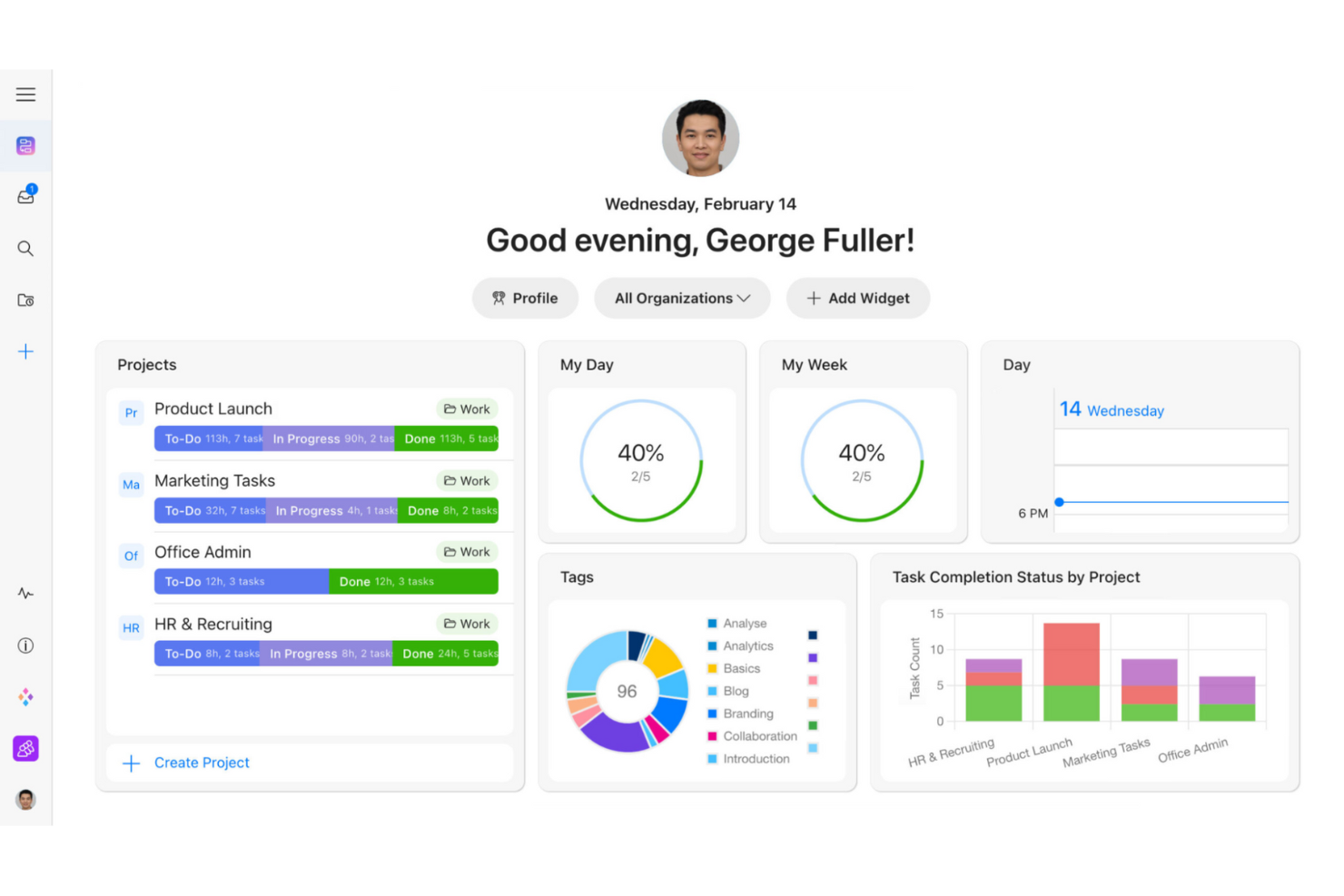
Zenkit is a project management and collaboration tool that serves teams looking for customizable workflows and data organization. It's ideal for businesses that need to manage tasks, projects, and information across various departments.
Why I picked Zenkit: The free version offers multiple view options, including Kanban, list, and calendar views, providing flexibility for different project needs. You can switch between views easily, allowing your team to work in the format that suits them best. The tool supports unlimited collections, which means you can organize projects and tasks without restrictions. Zenkit's free plan also includes basic task management features for small teams.
Standout features & integrations:
Features include a mind mapping tool that helps visualize ideas and projects, enhancing creativity and planning. The activity tracking feature allows you to monitor project progress and team activities in real-time. Zenkit also offers a hierarchical view, which helps in structuring tasks and projects in a clear, organized manner.
Integrations include Google Drive, Dropbox, Slack, Trello, Microsoft Teams, GitHub, Zapier, Asana, Evernote, and Wunderlist.
What's free?
Zenkit offers a free-forever plan with unlimited collections, but limits the number of users and some advanced features.
Pros and Cons
Pros:
- Includes mind mapping tool
- Unlimited collections
- Multiple view options
Cons:
- Few customization options
- Learning curve for new users
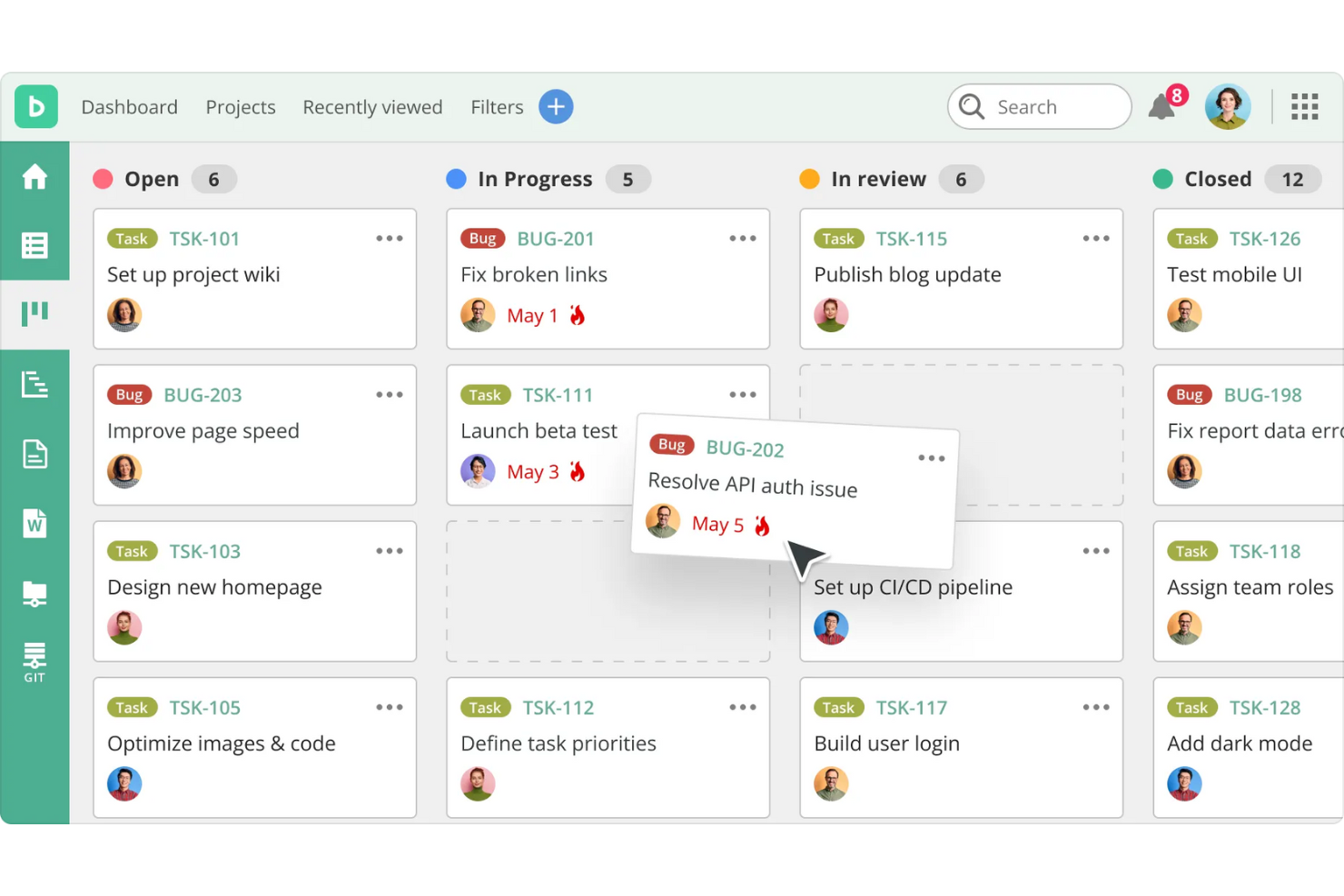
Backlog is a project management and collaboration tool designed for developers and project teams. It helps manage tasks, track bugs, and ensure smooth project execution.
Why I picked Backlog: The free plan supports up to 10 users, making it accessible for small teams. Bug tracking is a core feature, allowing you to manage and resolve issues efficiently. You can create and organize tasks within projects, ensuring everyone stays on the same page. The software also includes Gantt charts for visual project planning.
Standout features & integrations:
Features include task management that lets you create, assign, and prioritize tasks easily. The Gantt chart feature provides a visual timeline of your projects, helping you track progress. Milestone management keeps your team aligned on project goals and deadlines.
Integrations include Typetalk, Cacoo, GitHub, Jenkins, Redmine, Slack, Zapier, Microsoft Teams, Google Drive, and Dropbox.
What's free?
Backlog offers a free-forever plan for up to 10 users, but it limits you to one project and lacks some advanced features available in paid plans.
Pros and Cons
Pros:
- Visual Gantt charts
- Supports up to 10 users
- Easy bug tracking for developers
Cons:
- No advanced reporting features
- Limited to one project


OpenProject is a project management software designed for teams who value open-source solutions. It serves a broad user base, from small teams to large enterprises, providing tools for planning, tracking, and collaboration.
Why I picked OpenProject: The free version is suitable for teams looking for open-source project management tools. It offers features like task management, project timelines, and basic reporting, which are essential for team collaboration. You can customize workflows to fit your project's needs, enhancing how your team manages tasks. OpenProject's community edition is available for free, making it an accessible option for those wanting a cost-effective solution.
Standout features & integrations:
Features include Gantt charts that help visualize project timelines and dependencies. The time tracking feature allows you to monitor how time is spent on different tasks and projects. OpenProject also offers a wiki feature, which lets your team document and share important project information.
Integrations include GitHub, Jenkins, Slack, Redmine, Excel, CSV, REST API, LDAP, SAML, and OpenID Connect.
What's free?
OpenProject offers a free-forever community edition, with some limitations on advanced features and integrations.
Pros and Cons
Pros:
- Gantt chart visualization
- Customizable workflows
- Ideal for open-source enthusiasts
Cons:
- Limited customization options
- Requires technical setup knowledge
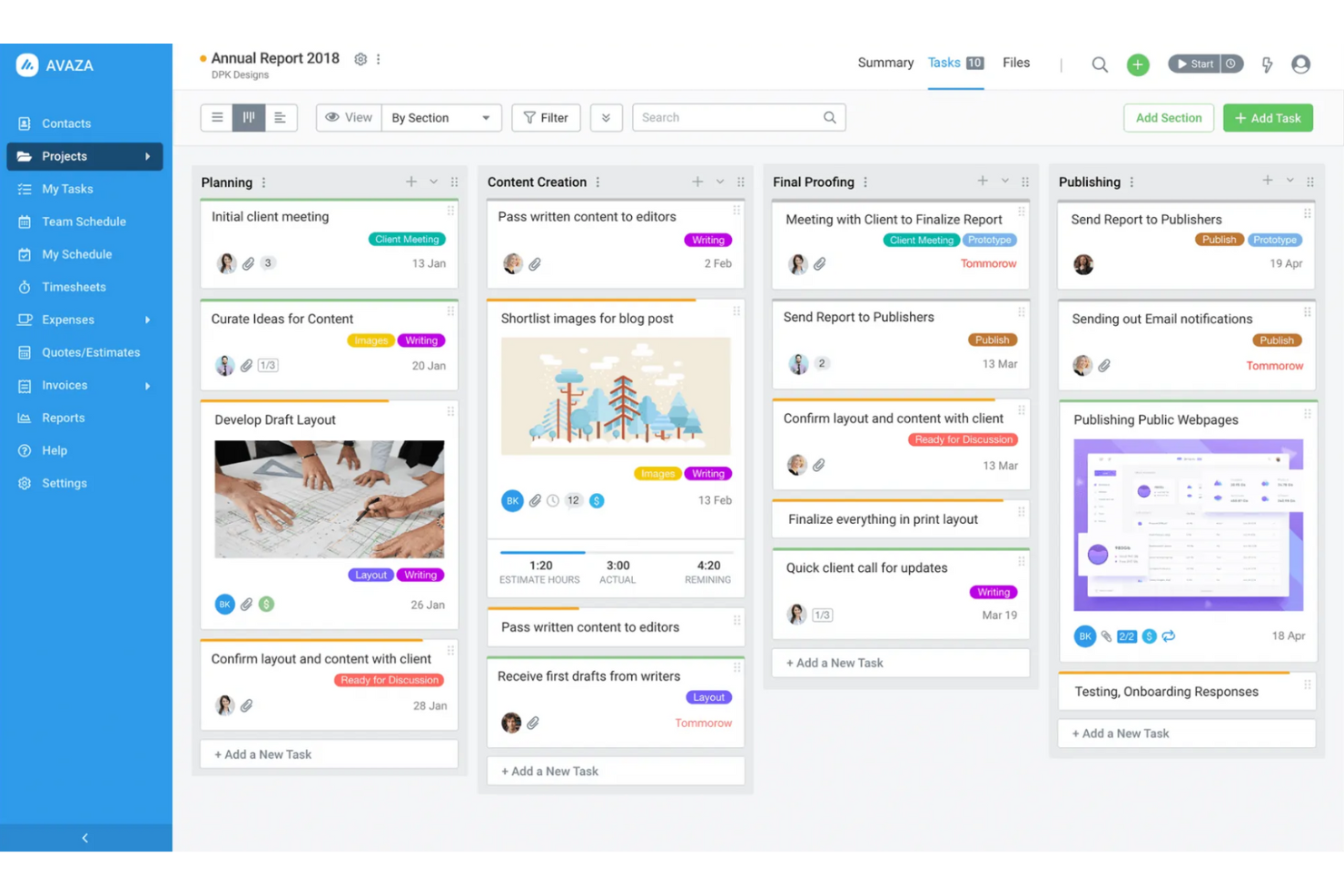
Avaza is a business management software that caters to freelancers and small to medium-sized businesses. It offers project management, time tracking, and invoicing to streamline business operations.
Why I picked Avaza: The free plan supports one user and five projects, which is perfect for freelancers or small teams. It includes invoicing features, allowing you to create and send invoices easily. Time tracking is part of the free offering, helping you manage your billable hours efficiently. The tool also provides basic project management features to keep your tasks organized.
Standout features & integrations:
Features include expense tracking, which helps you manage and record project expenses. The task collaboration feature enables your team to communicate and share updates within tasks. Avaza also offers a resource scheduling feature, which helps in planning and allocating resources effectively.
Integrations include Xero, QuickBooks, Slack, Google Calendar, Dropbox, Zapier, MailChimp, PayPal, Stripe, and Square.
What's free?
Avaza offers a free-forever plan for one user with access to five projects and basic invoicing features.
Pros and Cons
Pros:
- Expense tracking available
- Includes time tracking
- Ideal for freelancers and small teams
Cons:
- Limited storage capacity
- Only five projects allowed
Infinity
Best for organizing with a flexible structure and tagging features
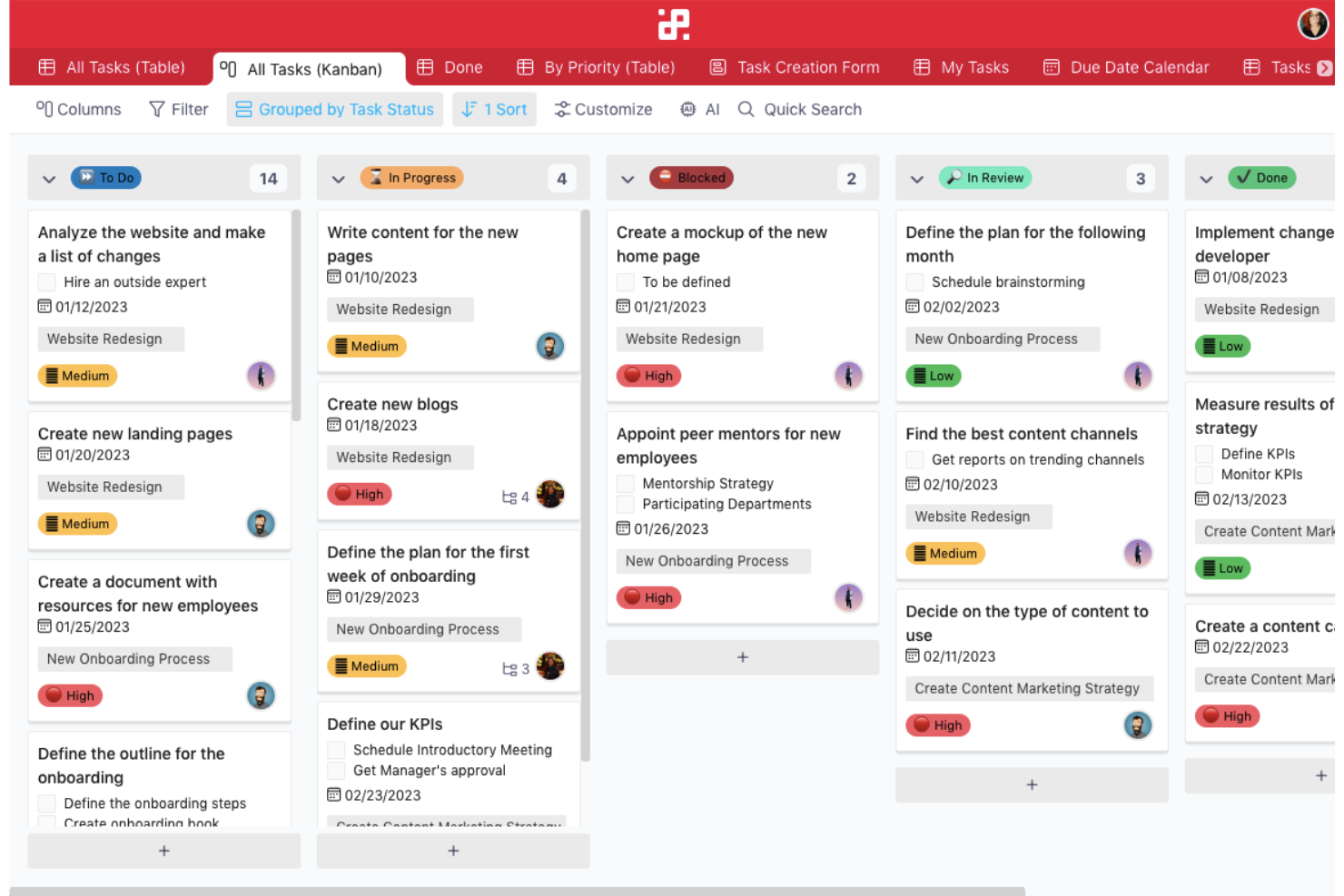
Infinity is a flexible project management tool designed for teams that need to organize and manage multiple projects and tasks. It caters to businesses of all sizes, providing a platform for task management and collaboration.
Why I picked Infinity: The free plan allows unlimited tasks, making it ideal for teams looking to manage extensive projects without limitations. You can customize your workspace with various views like list, table, and calendar, giving your team the flexibility to choose how they work. The tool also supports custom attributes, so you can tailor tasks to fit your project needs. Infinity's free version includes essential collaboration features to keep your team connected.
Standout features & integrations:
Features include a nested folder structure that helps you organize projects and tasks hierarchically. The priority setting feature lets you mark tasks based on urgency and importance. Infinity also offers customizable templates, which make setting up new projects quick and easy.
Integrations include Trello, Asana, Slack, Google Drive, Dropbox, Zapier, Microsoft Teams, Jira, GitHub, and Outlook.
What's free?
Infinity offers a free-forever plan with unlimited tasks, but limits the number of users and some advanced features.
Pros and Cons
Pros:
- Supports custom attributes
- Customizable workspace views
- Allows unlimited tasks
Cons:
- Advanced features restricted
- Limited number of users

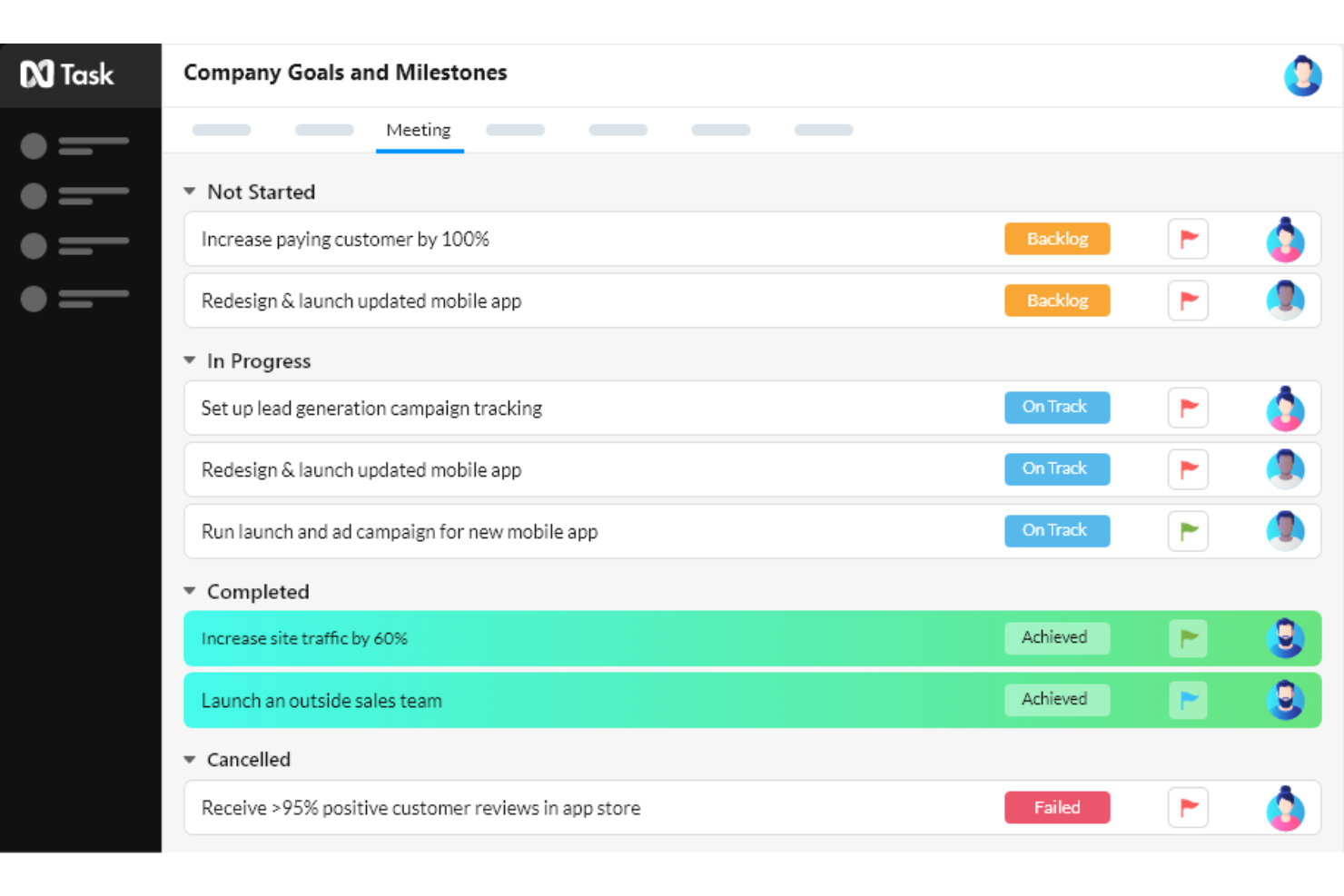
nTask is a project management platform designed for teams and individuals to organize tasks, projects, and workflows. It is ideal for businesses looking to manage tasks efficiently and enhance team collaboration.
Why I picked nTask: The free version allows up to five users, making it suitable for small teams. It offers task management features that let you create, assign, and track tasks effortlessly. The tool includes meeting management, helping your team stay aligned with scheduled discussions and agendas. nTask's free plan also provides time tracking, so you can monitor how time is spent on various tasks.
Standout features & integrations:
Features include a risk management module that helps identify and mitigate project risks effectively. The issue tracking feature allows you to log and resolve project-related issues promptly. nTask also provides a project planning tool that helps in outlining project timelines and milestones.
Integrations include Slack, Google Calendar, Outlook, Zoom, Microsoft Teams, Zapier, Trello, Asana, Dropbox, and Google Drive.
What's free?
nTask offers a free-forever plan for up to five users, with limitations on storage and some advanced features.
Pros and Cons
Pros:
- Provides time tracking
- Includes meeting management
- Suitable for small teams
Cons:
- Basic project planning tools
- Limited storage capacity
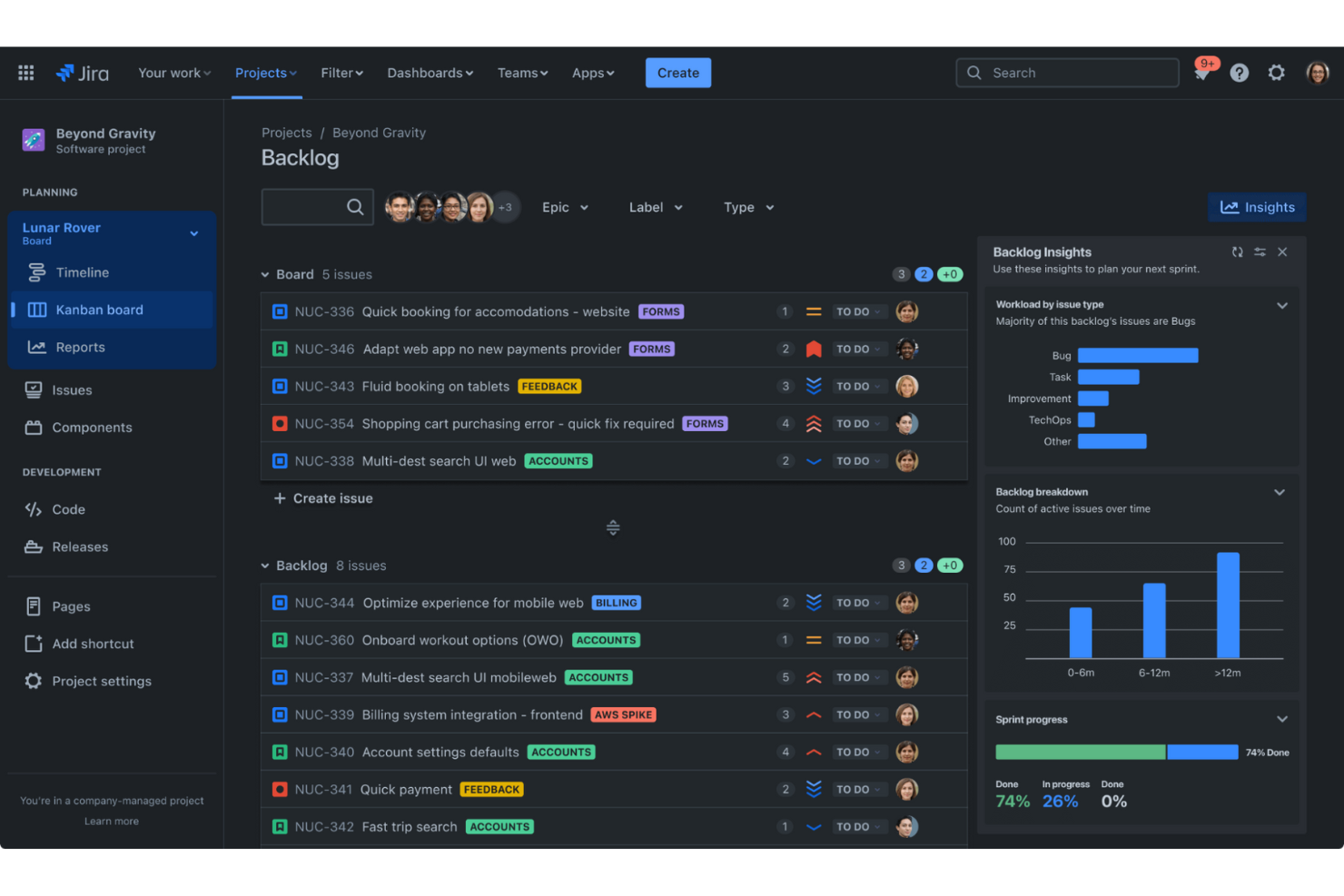
Jira is a project management tool tailored for Agile software development teams. It offers a range of features for tracking issues, managing projects, and planning sprints.
Why I picked Jira: The free plan accommodates up to 10 users, making it suitable for small Agile teams. Kanban and Scrum boards are included, allowing you to manage workflows effectively. The tool also provides customizable workflows to fit your team's processes. With backlog management, your team can prioritize tasks and keep projects on track.
Standout features & integrations:
Features include advanced reporting tools that give your team insights into project progress and performance. The roadmap feature helps you plan and communicate project timelines. Customizable dashboards let you tailor the interface to your team's specific needs.
Integrations include Slack, Microsoft Teams, GitHub, Bitbucket, Confluence, Trello, Google Drive, Dropbox, Outlook, and Zoom.
What's free?
Jira offers a free-forever plan for up to 10 users, with limited storage and some restrictions on advanced features.
Pros and Cons
Pros:
- Roadmap feature available
- Advanced reporting tools
- Backlog management included
Cons:
- Requires setup knowledge
- Limited to 10 users

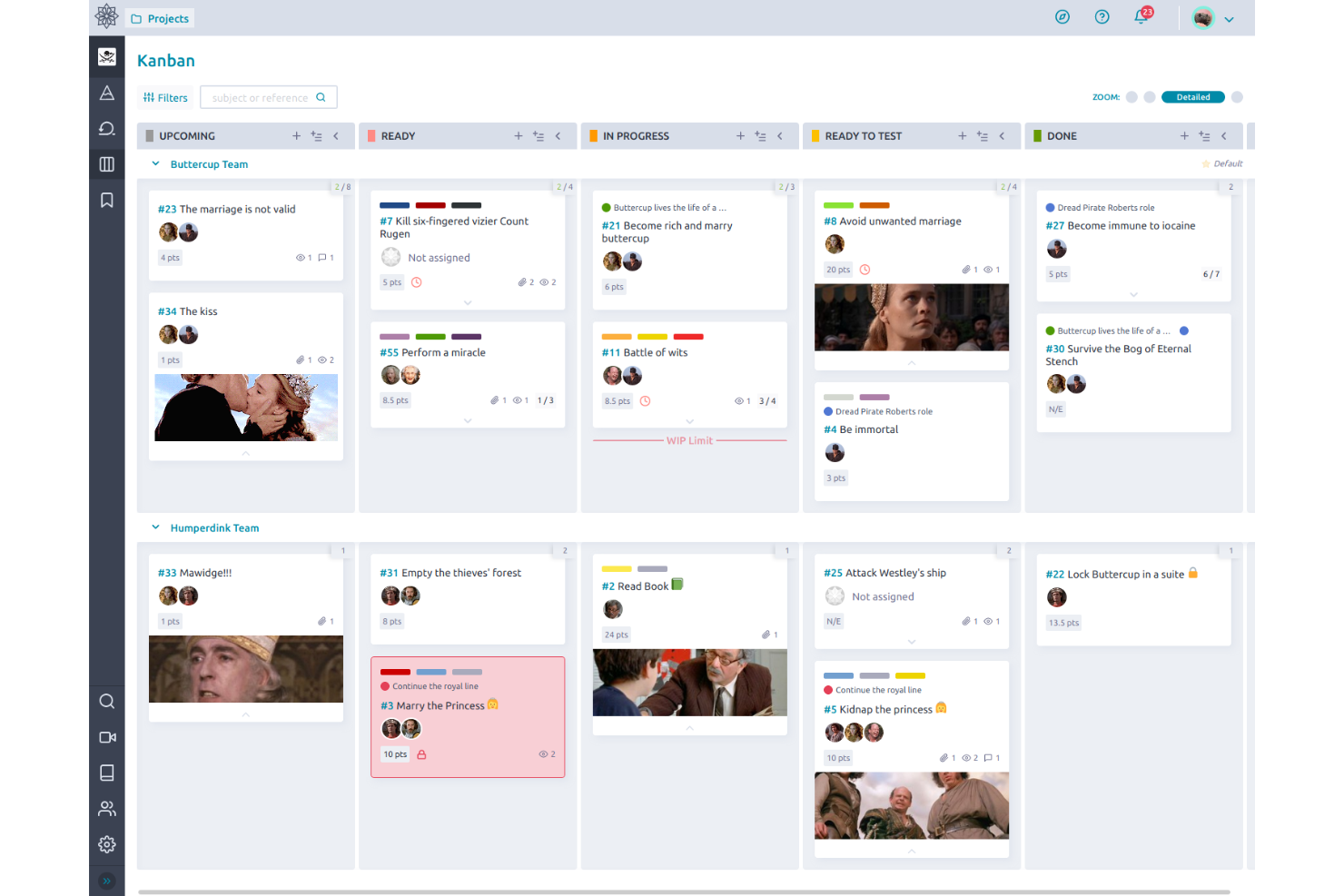
Taiga is a project management tool tailored for Agile teams, especially those working on open-source projects. It provides a platform for managing tasks, sprints, and backlogs, making it suitable for developers and project managers.
Why I picked Taiga: The free version supports up to three members, making it ideal for small open-source teams. It includes Kanban and Scrum boards, allowing you to manage workflows effectively. The tool also provides backlog management, helping your team prioritize tasks and stay organized. Taiga's free plan includes essential Agile tools without any cost.
Standout features & integrations:
Features include an intuitive backlog management system that helps prioritize and manage tasks efficiently. The sprint planning feature aids in organizing and scheduling sprints for Agile teams. Taiga also offers a customizable Kanban board, which lets you adapt workflows to your team's specific needs.
Integrations include GitHub, GitLab, Bitbucket, Slack, Zapier, Jira, Trello, Dropbox, Google Drive, and Asana.
What's free?
Taiga offers a free-forever plan for up to three members, with limited access to premium features and integrations.
Pros and Cons
Pros:
- Includes backlog management
- Supports Agile methodologies
- Ideal for open-source projects
Cons:
- Limited customization options
- Learning curve for new users
Otros Programas de Hitos Gratis
Aquí tienes otras opciones de software de hitos que también ofrecen planes gratuitos o pruebas gratis. Aunque estos programas no llegaron a mi lista principal, siguen valiendo la pena:
- Zoho Projects
For small teams
- Asana
For cross-functional team workflows with task dependencies
- Basecamp
For communication and built-in scheduling
- monday AI Work Platform
For project templates
- MeisterTask
For Kanban boards
- Productboard
For product roadmaps
- Quire
For nested task lists
- Kintone
For custom workflows
- ClickUp
For customizable task views and high-volume project tracking
- Trello
For visual boards


How I Evaluate Free Milestone Software
I split my evaluation into two layers: the baseline a tool must meet—like a real free plan, milestone tracking, and a timeline view—and the differentiators that separate one tool from another.
Core Functionality (Table Stakes For This List)
When I'm selecting tools for my list, I rank each one on a scale from 0 (does not offer the functionality) to 5 (excels in this area) for each core functionality listed below. Then, I calculate the tool's total score into a percentage. Each tool needs to achieve a minimum total score of 65% to be considered for inclusion.
- Milestone Creation & Tracking: I check whether you can define milestones with owners, due dates, and statuses—like flagging a beta launch target separately from everyday sprint tasks.
- Genuine Free Plan: The tool needs a real free tier that includes milestone features, not a 14-day trial that locks you out right when your roadmap starts taking shape.
- Timeline or Roadmap Visualization: I look for Gantt charts, timeline views, or visual roadmaps where milestones appear in sequence so you can spot scheduling conflicts at a glance.
- Dependency & Task Linking: Milestones should connect to underlying tasks or epics. For example, linking a "v2.0 release" milestone to its feature tasks so progress rolls up automatically.
- Progress & Status Reporting: I evaluate how each tool surfaces milestone health—whether that's auto-calculated percentages, dashboard widgets, or status indicators you can share with leadership.
- Team Collaboration: Product work is cross-functional, so I look for comments, @mentions, assignments, and notifications that keep engineers, designers, and PMs aligned on shared milestones.
Once I have a list of tools that meet this criteria, I consider what sets each platform apart.
Differentiating Factors (What Sets Vendors Apart)
Here's how I compare and contrast different vendors:
Standout Features
Stakeholder sharing links are a big differentiator—I look for tools that let you generate a read-only roadmap view so execs and partners can check milestone status without needing a paid seat. Native sync with dev tools like Jira or GitHub matters too, since engineering progress flows into your milestones automatically instead of requiring manual updates. I also evaluate whether a tool supports OKR or goal alignment, which helps PMs tie delivery milestones back to strategic outcomes during planning and review cycles.
Beyond Features
Free plan generosity is one of the first things I evaluate—some tools cap users or lock timeline views behind paid tiers, which defeats the purpose when your product squad needs full access. I also consider the upgrade path, since a tool that forces a painful migration when you outgrow the free plan creates more problems than it solves. Onboarding resources matter here too. Free users rarely get sales-led support, so I check for template libraries, in-app guides, and community forums that help a new PM reach their first milestone quickly.
Cómo elegir un software de hitos gratuito
Las listas de funciones complejas y las estructuras de precios pueden dificultar saber qué obtienes realmente de un software de hitos gratuito. Para ayudarte a mantenerte enfocado mientras seleccionas el mejor programa, aquí tienes algunos factores a considerar:
| Factor | Qué considerar |
| Alcance de la oferta gratuita | Verifica qué funciones están incluidas en la versión gratuita. Algunas herramientas pueden limitar proyectos, usuarios o almacenamiento. |
| Escalabilidad | Busca un software que pueda crecer junto con tu equipo. Asegúrate de que ofrezca actualizaciones sencillas a planes de pago si es necesario. |
| Integraciones | Asegúrate de que el software se integre con las herramientas que ya usas, como Slack, Google Drive o Trello. |
| Facilidad de uso | Evalúa la interfaz de usuario. Un diseño sencillo e intuitivo puede ahorrarte tiempo y reducir la frustración. |
| Soporte al cliente | Considera las opciones de soporte disponibles. El acceso a soporte por chat o correo electrónico puede ser crucial para resolver problemas. |
| Personalización | Verifica si puedes adaptar los flujos de trabajo a las necesidades de tu equipo. Los campos personalizados y los tableros pueden ser útiles. |
| Acceso móvil | Si tu equipo trabaja en movimiento, asegúrate de que el software tenga una aplicación móvil con funcionalidad completa. |
| Seguridad de los datos | Verifica las medidas de protección de datos del software, especialmente si manejas información confidencial de proyectos. |
¿Qué es un software gratuito para hitos?
El software de hitos es una herramienta utilizada para planificar, seguir y gestionar los hitos y plazos de los proyectos. Estos productos suelen ofrecer versiones gratuitas o pruebas, dando a los usuarios acceso a funciones básicas con limitaciones en proyectos o usuarios. Profesionales como gerentes de proyectos, líderes de equipo y freelancers suelen usar estas herramientas para mantener los proyectos en marcha y mejorar la colaboración del equipo. La gestión de tareas, el seguimiento de cronogramas y las funciones de colaboración ayudan a los equipos a mantenerse organizados, cumplir con los plazos y comunicarse de manera efectiva.
Características del software gratuito para hitos
Repasemos las funciones que comúnmente se encuentran en el software de hitos y cuáles suelen estar incluidas en los planes gratuitos frente a los de pago.
Funciones típicas de software gratuito para hitos
- Gestión de tareas: Permite crear, asignar y hacer seguimiento a tareas, manteniendo a tu equipo organizado y a tiempo.
- Seguimiento de cronogramas: Ayuda a monitorear el avance de los proyectos y asegurar que se cumplan los plazos.
- Herramientas de colaboración: Facilita la comunicación y el intercambio de información dentro del equipo.
- Reportes básicos: Proporciona información sobre el estado del proyecto y el rendimiento del equipo.
- Tableros Kanban: Ofrece una forma visual de gestionar los flujos de trabajo y las tareas, haciendo más sencillo ver el avance del proyecto.
- Seguimiento del tiempo: Permite controlar cuánto tiempo se dedica a diferentes tareas, ayudando en la gestión de recursos.
- Vistas personalizables: Permite cambiar entre diferentes vistas como lista o calendario, brindando flexibilidad en cómo ver los datos del proyecto.
- Acceso móvil: Permite a tu equipo acceder a la información del proyecto mientras se desplazan, asegurando continuidad y flexibilidad.
Funciones típicas de software de hitos de pago
- Reportes avanzados: Ofrece información y análisis detallados sobre el desempeño de los proyectos y la productividad del equipo.
- Capacidad de integración: Se conecta con otras herramientas y plataformas para agilizar flujos de trabajo e intercambio de datos.
- Gestión de recursos: Ayuda a planificar y asignar recursos eficientemente entre proyectos.
- Funciones de automatización: Automatiza tareas repetitivas, ahorrando tiempo y reduciendo el trabajo manual.
- Flujos de trabajo personalizados: Permite adaptar los flujos de trabajo a los procesos y necesidades específicas de tu equipo.
- Establecimiento de prioridades: Permite marcar tareas según su urgencia e importancia, ayudando a los equipos a centrarse en las más críticas.
- Seguridad mejorada: Proporciona medidas adicionales de protección de datos, asegurando la información confidencial del proyecto.
- Proyectos ilimitados: Elimina las restricciones sobre el número de proyectos que puedes gestionar, permitiendo una mayor escalabilidad.
Beneficios del software gratuito para hitos
Implementar un software gratuito para hitos proporciona varios beneficios para tu equipo y tu negocio. Aquí tienes algunos que puedes esperar:
- Ahorro de costos: Los planes gratuitos te permiten gestionar proyectos sin incurrir en costos adicionales, lo que los hace ideales para equipos pequeños con presupuesto limitado.
- Mejor organización: Funciones como la gestión de tareas y el seguimiento de plazos ayudan a mantener tus proyectos organizados y encaminados.
- Colaboración mejorada: Las herramientas de colaboración promueven una mejor comunicación y trabajo en equipo, asegurando que todos estén informados.
- Flexibilidad: Las vistas personalizables y el acceso móvil te permiten adaptar el software a tu flujo de trabajo y acceder a él en cualquier lugar.
- Gestión del tiempo: Las funciones de seguimiento de tiempo te ayudan a monitorear el tiempo dedicado a las tareas, mejorando la asignación de recursos.
- Gestión visual: Los tableros Kanban ofrecen una forma visual de gestionar tareas y flujos de trabajo, facilitando ver de un vistazo el progreso.
- Accesibilidad: Las opciones gratuitas de software hacen que las herramientas de gestión de proyectos sean accesibles para equipos de todos los tamaños, sin importar las limitaciones presupuestarias.
Costos y Precios del Software de Hitos Gratuito
Sé que has llegado a este artículo buscando las mejores opciones de software de gestión de hitos que estén disponibles de forma gratuita. Sin embargo, dado que los planes gratuitos solo ofrecen funciones limitadas, es muy probable que en algún momento necesites actualizar tu plan.
La siguiente tabla resume los planes más comunes, sus precios promedio y las funciones típicas incluidas en las soluciones de software para la gestión de hitos:
Tabla Comparativa de Planes para Software de Hitos
| Tipo de Plan | Precio Promedio | Funciones Comunes |
| Plan Gratuito | $0 | Gestión de tareas, seguimiento de plazos, herramientas de colaboración e informes básicos. |
| Plan Personal | $5-$15/usuario/ mes | Informes avanzados, vistas personalizadas, establecimiento de prioridades y seguimiento de tiempo. |
| Plan Empresarial | $20-$40/ usuario/mes | Capacidades de integración, flujos de trabajo personalizados, gestión de recursos y automatización. |
| Plan Corporativo | $50-$100/ usuario/mes | Seguridad mejorada, proyectos ilimitados, soporte dedicado y analítica avanzada. |
Preguntas frecuentes sobre software de hitos gratuito
Aquí tienes algunas respuestas a preguntas comunes sobre el software de hitos gratuito:
¿Qué limitaciones debo esperar con el software de hitos gratuito?
El software de hitos gratuito suele tener limitaciones, como un número de proyectos restringido, un límite de usuarios y espacio de almacenamiento limitado. También puedes encontrar que algunas funciones, como los informes avanzados o las integraciones, solo están disponibles en las versiones de pago. Es importante evaluar si estas limitaciones afectan las necesidades de tu proyecto.
¿El software de hitos gratuito puede integrarse con otras herramientas?
Sí, muchas soluciones gratuitas de software de hitos ofrecen integraciones básicas con herramientas populares como Slack, Google Drive y Trello. Sin embargo, la variedad de integraciones puede ser más limitada en comparación con los planes de pago. Verifica si la versión gratuita se integra con las herramientas que tu equipo ya usa.
¿Qué nivel de seguridad ofrece el software de hitos gratuito?
Las características de seguridad en el software de hitos gratuito pueden variar. Mientras que normalmente se incluyen algunas medidas de seguridad básicas, otras más avanzadas, como el cifrado de datos mejorado o certificaciones de cumplimiento, pueden estar solo disponibles en los planes de pago. Comprueba siempre las opciones de seguridad del software que elijas.
¿Cómo puedo asegurarme de que mi equipo se adapte al nuevo software de hitos gratuito?
Para ayudar a tu equipo a adaptarse, busca software de hitos gratuito que ofrezca recursos de formación como tutoriales, seminarios web o una base de conocimientos. Algunas plataformas también proporcionan recorridos interactivos o guías de incorporación. Estos recursos pueden facilitar la transición y ayudar a tu equipo a aprovechar al máximo el software.
¿Existen costes ocultos con el software de hitos gratuito?
Aunque el software en sí sea gratuito, puede haber costes ocultos relacionados con funciones adicionales o ampliaciones necesarias para más funcionalidades. Además, ten en cuenta los posibles costes de formación o de adaptación de los procesos existentes al nuevo software. Revisa siempre los detalles de precios y los términos del servicio.
¿Cómo elijo el software de hitos gratuito adecuado para mi equipo?
Considera las necesidades específicas de tu equipo, como el número de usuarios, las funciones requeridas y las necesidades de integración. Evalúa la facilidad de uso y las opciones de soporte disponibles para la versión gratuita. Prueba diferentes opciones, si es posible, para ver qué software se adapta mejor a tu flujo de trabajo y necesidades.
¿Qué sigue?
No olvides suscribirte a nuestro boletín para recibir más recursos y guías sobre gestión de productos, además de los últimos pódcast, entrevistas y otros conocimientos de líderes y expertos de la industria.